• 150m Southwards, West DingWei Road, Nanlou Village, Changan Town, GaoCheng Area, Shijiazhuang, HeBei, China
  • monica@foundryasia.com
0%

Table of Contents

You know, lately, everyone's talking about 'smart' everything. Smart factories, smart materials… Honestly, it's a bit much. Most of the time, it just means more things that can break down. But there is a real push for better prefabrication, more modular designs. Everyone wants faster turnaround, less on-site mess. And that's where things like a good iron pot set come in. Sounds simple, right? It is. But getting the details right… that’s where it gets tricky.

I’ve been on sites where they skimp on the basics, you know? Buy the cheapest iron pot set they can find, and then wonder why everything’s falling apart after six months. Have you noticed that? It’s always the same story. Corners cut upfront end up costing ten times as much later. Anyway, I think folks are starting to realize that.

The demand's definitely climbing, partly because of the labor shortage. Fewer skilled workers mean you need solutions that are easier to assemble, more forgiving of mistakes. Prefabricated components, like an iron pot set, help with that.
The Growing Demand for Durable and Efficient Iron Pot Set Solutions

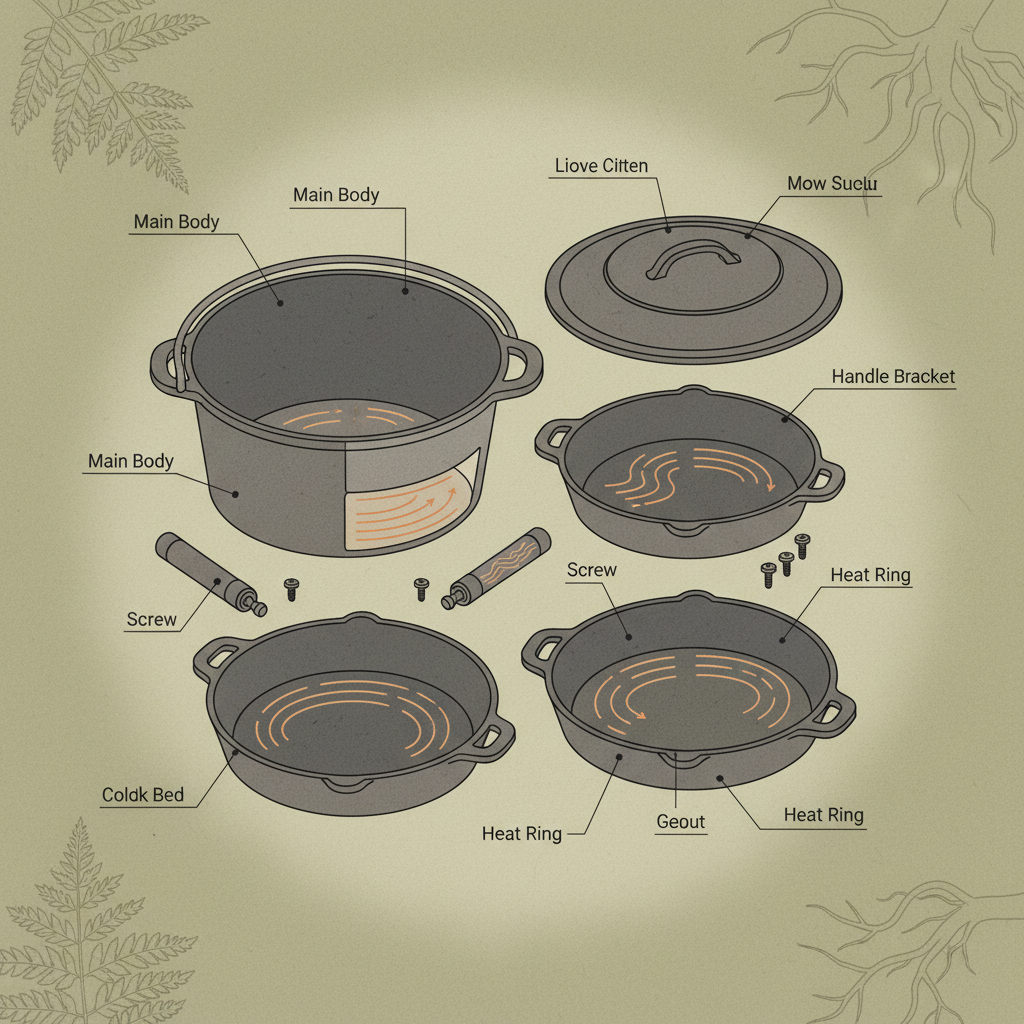
The Current Landscape of iron pot set
The Growing Demand for Durable and Efficient Iron Pot Set Solutions

To be honest, the iron pot set market is surprisingly diverse. You've got everything from basic, no-frills sets for quick jobs to highly engineered systems for complex structures. Strangely, a lot of the 'high-end' stuff isn’t actually that practical on a real site. Too fiddly. Too many small parts. It looks good in the brochure, but…

It’s really about finding the balance between cost, durability, and ease of use. And a lot of the innovation is around the connectors. That’s the key. A bad connector ruins everything.

Common Design Pitfalls in iron pot set

I encountered this at a factory in Shanghai last time. They were so proud of their new, 'improved' iron pot set design. It looked slick, all smooth curves and hidden fixings. But the problem was, it was a nightmare to adjust on site. You needed special tools, and if you got one thing wrong, the whole thing would buckle.

Another common mistake is underestimating the weight. These things can get heavy, especially when you're stacking them. You need to think about how the workers are going to lift and maneuver them. A simple handle can make all the difference.

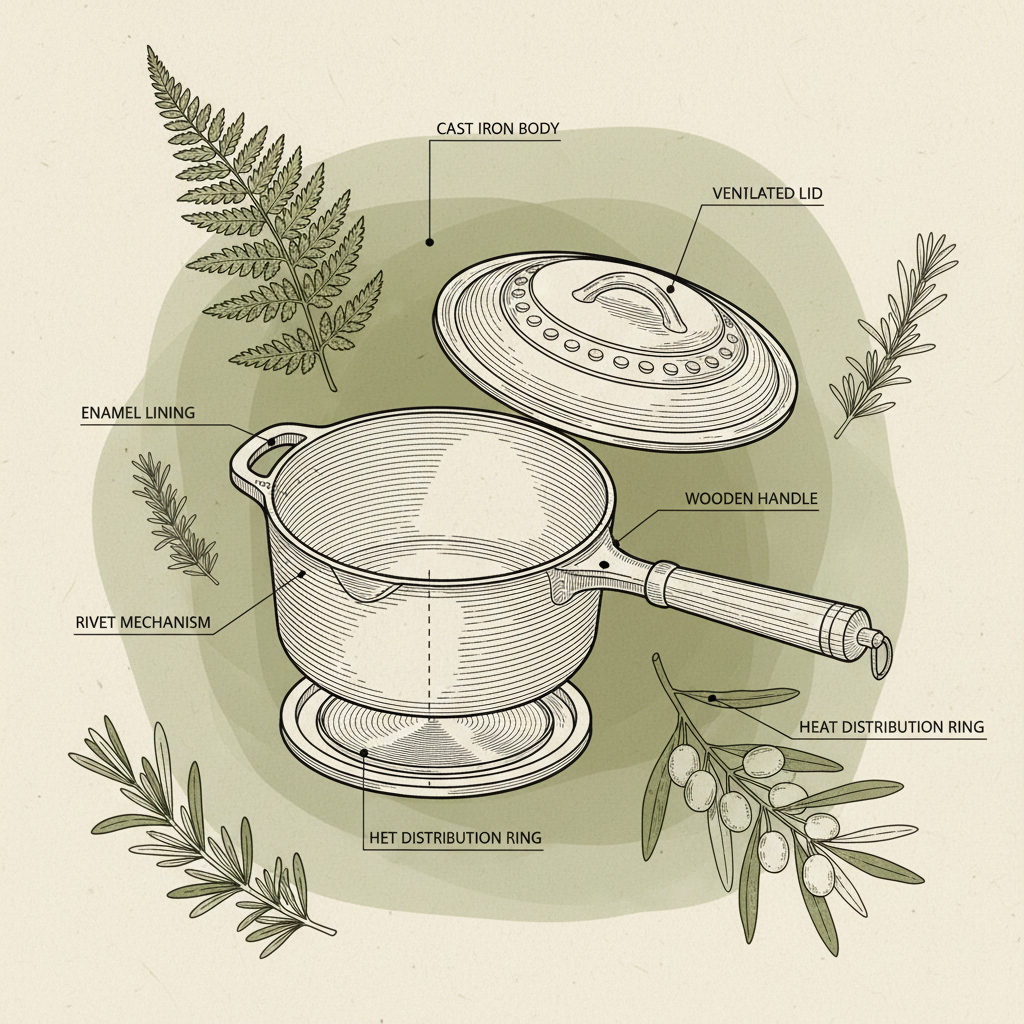
And don’t even get me started on corrosion. It's an iron pot set, of course it's subject to oxidation. But the anti-corrosion coating isn’t always up to par.

Materials & Handling of iron pot set

Now, the material. Most are steel, obviously. But the grade of steel matters a lot. You want something that's strong enough to handle the load, but also flexible enough to withstand some bending without cracking. I prefer the smell of the high-carbon steel; it’s a reassuring scent, you know? Means it’s good stuff.

The finishing is also crucial. A rough surface can damage other materials, and a poorly applied coating can flake off and create a mess. I once had a shipment where the coating was so bad, it felt like sandpaper. Took ages to clean up. You've got to feel the material, see how it responds to a little bit of stress.

Handling? Careful. These aren’t toys. Wear gloves, boots, the full kit. And don’t just toss them around. They’re not indestructible. Later... Forget it, I won't mention it.

Real-World Testing of iron pot set

Lab tests are fine, I guess. But they don't tell you the whole story. I like to see these things put through the paces on a real site. Load testing, wind resistance, even just how well they stand up to being rained on for a week.

We did one test where we subjected a set to repeated impacts with a hammer. Sounds brutal, but it’s a realistic scenario. You know, someone accidentally hitting it with a tool, something falling on it… It failed spectacularly, of course. But it told us a lot about where the weak points were.

Iron pot set Performance Metrics


Practical Applications of iron pot set

You see these everywhere these days. Temporary offices, event spaces, even small housing units. The speed of setup is a major selling point. And the fact that they can be easily disassembled and moved is a big plus for projects with tight deadlines.

I've seen them used for everything from construction site storage to emergency shelters. They’re surprisingly versatile.

Advantages and Disadvantages of iron pot set

The advantages are pretty clear: speed, cost-effectiveness, and relatively low skill requirements for assembly. They’re also pretty durable, if you choose the right materials. But, and there's always a but… They can be cold. Seriously cold. You need good insulation, otherwise, you’re basically living in a metal box.

And noise. They amplify sound. A rainstorm sounds like a rock concert inside one of these things. Another disadvantage is the potential for condensation. Unless you have a proper ventilation system, you'll end up with damp walls and mold.

But overall, I think the pros outweigh the cons, especially when you factor in the time and labor savings.

Customization Options for iron pot set

They can be customized to a surprising degree. You can change the dimensions, the layout, the materials, the finishes… Last month, that small boss in Shenzhen who makes smart home devices insisted on changing the interface to , and the result was a nightmare to find compatible cables on site. I swear, some people just want to make things difficult.

But seriously, you can get custom doors, windows, electrical wiring, plumbing… You can even add insulation and soundproofing. It all depends on your budget and your needs.

I've worked on projects where they've integrated solar panels into the roof of the iron pot set. Pretty neat, actually.

Key Characteristics of iron pot set Configurations

Configuration Type Assembly Time (hours) Cost per Square Meter (USD) Durability Rating (1-5)
Basic Shelter 2 80 3
Standard Office 4 120 4
Insulated Housing 6 180 5
Deluxe Office Suite 8 250 4
Emergency Shelter 1 60 2
Modular Warehouse 5 100 4

FAQS

What are the typical lifespan expectations for an iron pot set structure?

That really depends on the materials and the environment, but with proper maintenance – regular inspections, touch-up paint, addressing any corrosion – you can easily get 15-20 years out of a well-built iron pot set. Some can last even longer. It's not like these things just fall apart overnight, but neglect them and they will show their age quickly. You really need to think about long-term upkeep.

How does the cost of an iron pot set compare to traditional construction methods?

Generally, it's cheaper. Significantly cheaper, especially when you factor in labor costs. You're looking at roughly 30-50% savings, in most cases. However, the cost of site preparation, foundations, and utility connections can add up. It’s not a simple apples-to-apples comparison. You need to look at the total project cost, not just the material price.

What level of insulation is typically required for an iron pot set in colder climates?

That depends on how cold we’re talking. But generally, you’ll want at least R-13 insulation in the walls and R-19 in the roof. Spray foam is a good option, it seals everything up nice and tight. But it’s expensive. Fiberglass batts are cheaper, but you need to be careful about moisture buildup. Proper ventilation is key.

Are iron pot set structures easily permitted by local building codes?

That's a tricky one. It varies widely from place to place. Some jurisdictions are very open to them, others are… less so. You'll need to check with your local building department to see what the requirements are. Often, you'll need to provide detailed structural calculations and demonstrate that the building meets all applicable safety standards.

Can iron pot set structures be stacked or expanded upon in the future?

Yes, absolutely. That’s one of the big advantages. You can easily add additional units to create larger structures. However, you need to make sure the foundation can support the additional weight. And you need to carefully plan the connections between the units to ensure structural integrity. It’s not just slapping things together.

What are the maintenance requirements for an iron pot set over its lifespan?

Regular inspections are key. Check for corrosion, damaged panels, and leaks. Touch up any paint that's peeling. And make sure the foundation is stable. You should also inspect the connectors periodically to ensure they’re still tight. It's not a huge amount of work, but it's important to stay on top of it.

Conclusion

So, yeah, iron pot set aren’t a magic bullet. They’re not going to solve all your construction problems. But they’re a solid, reliable, and cost-effective solution for a wide range of applications. They offer speed, flexibility, and durability – and when you get down to it, that's what most people are looking for.

Ultimately, whether this thing works or not, the worker will know the moment he tightens the screw. If it feels right, it’s good. If it feels wrong… well, then you’ve got a problem. That’s just the way it is. Check out iron pot set for more information.

Christopher Wilson

Christopher Wilson

Christopher Wilson is the Logistics and Export Manager, responsible for efficiently managing the shipment of our products to clients across the globe, including major brands in the USA, Europe and Japan. He expertly handles all aspects of international trade, from documentation and customs clearance to ensuring timely delivery. Christopher played
Previous Exploring the Crucial Role of Cast Iron Wax in Modern Manufacturing and Preservation
Next Advancements in Iron Pan Set Construction and Material Science