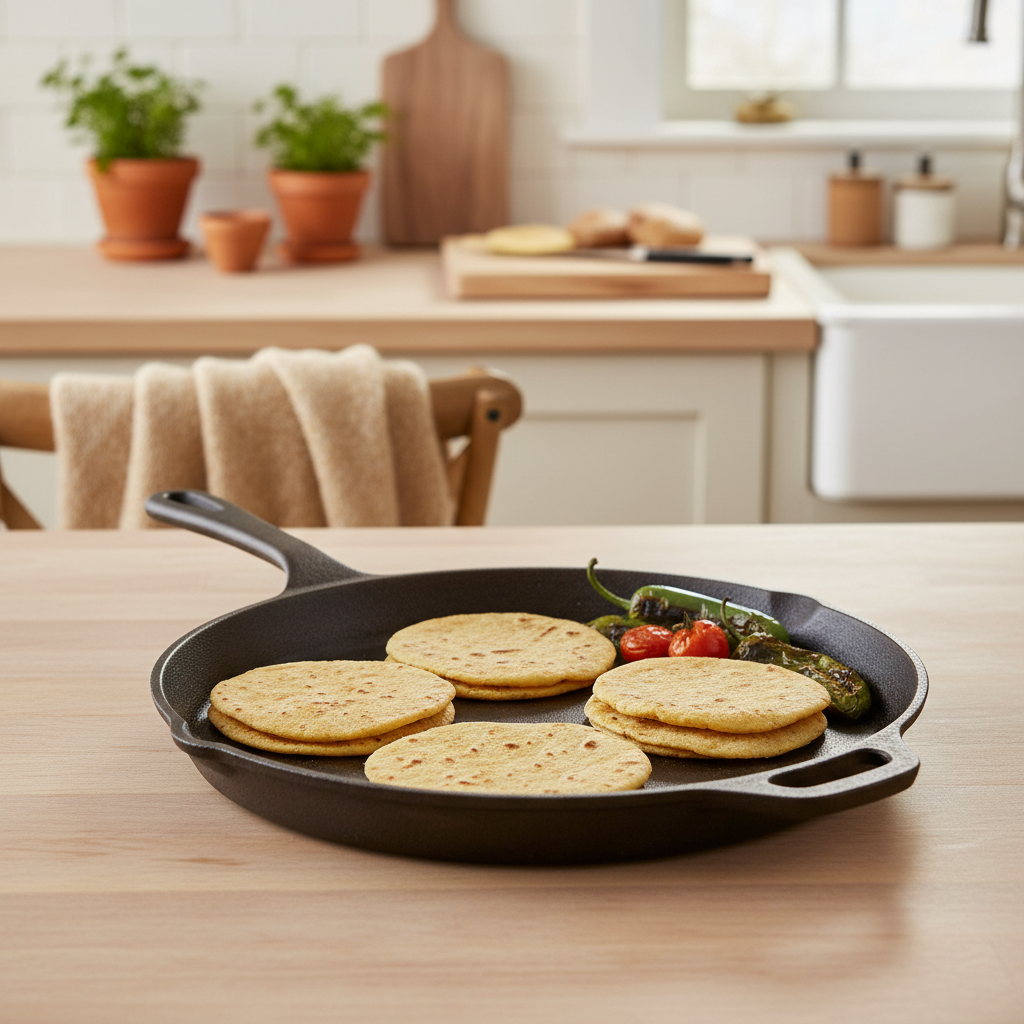
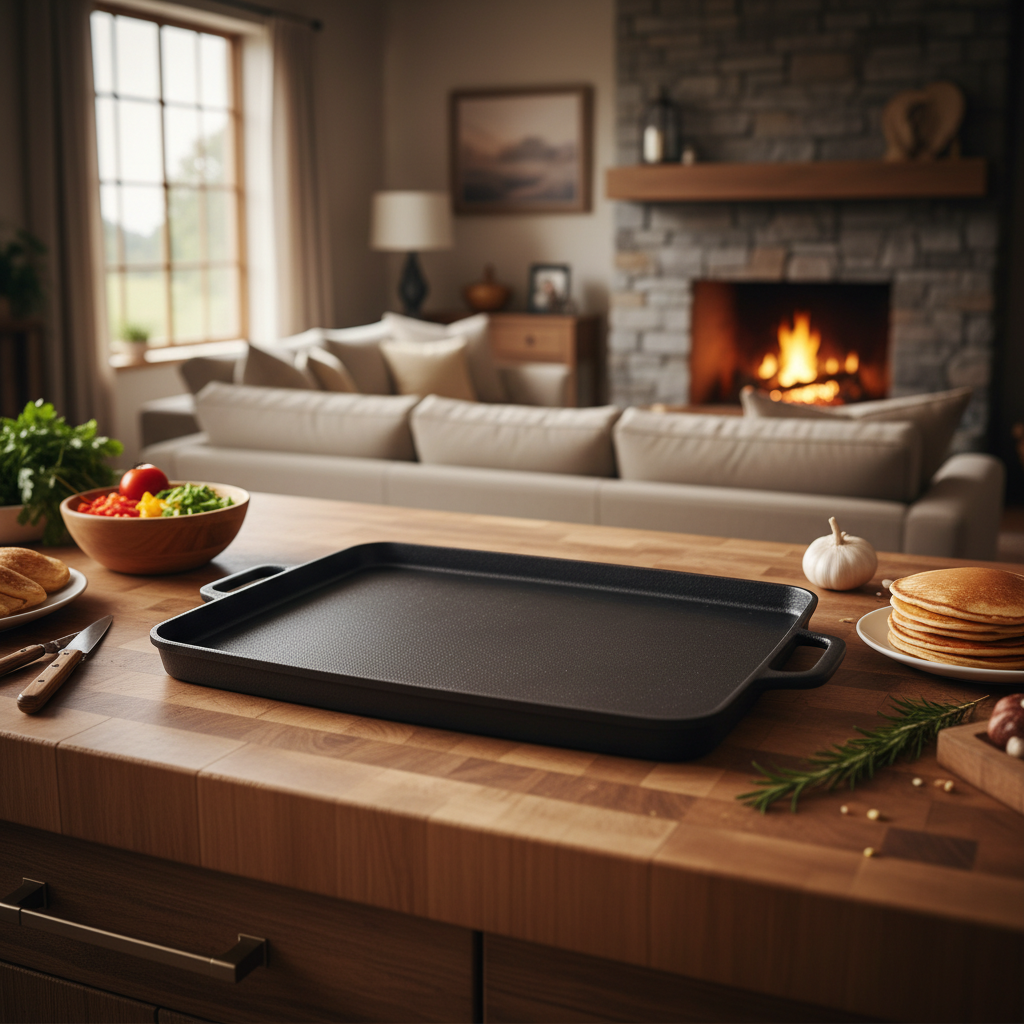
You know, things are moving fast these days. Everyone's talking about lightweight, high-strength stuff, pushing the limits of what materials can do. It’s all about getting more for less, honestly. I’ve been on sites where they’re practically building skyscrapers out of what feels like cardboard. And it’s… it’s working, mostly. But there's always a catch, right?
The biggest thing I see, and believe me, I see a lot, is people getting hung up on specs. They chase numbers – tensile strength, yield point, whatever – and forget about real-world use. Have you noticed that? They design something beautiful on a computer, then it falls apart the first time someone actually tries to use it. It's infuriating.
We’re working with a lot of high-grade aluminum alloys right now, mostly 6061-T6 and 7075. Good stuff, strong, lightweight. But man, that 7075… it's brittle. Feels different when you’re cutting it, almost… snappy. And the smell! It’s a metallic, kinda acrid thing. You get used to it, I guess. Then there’s the composites, carbon fiber mostly. That stuff's amazing, but you gotta be careful with delamination. And don't even think about sanding it without a proper respirator. Learned that one the hard way.
The Current Landscape of iron pan set
To be honest, the demand for durable, reliable iron pan set is soaring. Not just in construction, but in everything – infrastructure projects, even smaller-scale stuff like temporary housing. It's all about speed and efficiency, getting things up and running quickly. Strangely, the push for modularity is huge. Everyone wants something they can slap together without needing a team of highly skilled welders.
I encountered this at a power plant in Thailand last time. They needed to quickly build some temporary shelters for the workers during a major upgrade. They were looking at these pre-fab iron pan set units, and the guy in charge, he was obsessed with the turnaround time. Didn’t really care about the long-term durability, just wanted it done fast. That’s the market right now. Fast, fast, fast.
Common Design Pitfalls in iron pan set
The biggest mistake I see? Over-engineering. Seriously. People try to make things too complicated, too robust. They add features nobody asked for, layers of redundancy. And then it all becomes expensive and heavy and difficult to assemble. Simplicity is key. Keep it lean.
Another issue is corrosion. You think you've used the right coating, the right alloy, but the salt air gets in, the rain gets in, and slowly but surely… it starts to rust. We had a problem with that on a coastal project in Vietnam. The iron pan set looked great on paper, but within six months, it was covered in rust. A total headache.
And don’t even get me started on the connections. That's where everything falls apart. If your bolts aren’t sized correctly, if your welds aren’t strong enough, the whole thing is compromised. It’s all about the details, and people tend to overlook them.
Core Materials in iron pan set Construction
Steel is the backbone, obviously. But it's not just any steel. You need to know your grades, your alloys. High-strength low-alloy steel (HSLA) is a good choice – it’s tough, durable, and relatively inexpensive. Then you’ve got weathering steel, which develops a protective rust layer. Looks ugly at first, but it's actually quite effective. It feels… solid, weighty. You can tell it’s built to last.
Aluminum is good for lighter applications, like roofing or cladding. It’s easy to work with, doesn't rust (though it can corrode), and has a nice clean look. But it’s not as strong as steel, so you need to be careful with the design. I remember using aluminum once for a temporary scaffold... didn't end well. Never again.
And then there's the composite stuff. Fiberglass, carbon fiber, all that jazz. Lightweight, strong, but expensive. And tricky to work with. You need specialized tools and training. Anyway, I think it's great for specific applications, but it’s not a replacement for steel. Not yet, anyway.
Rigorous Testing of iron pan set – Beyond the Lab
Lab tests are okay, I guess. But they don't tell you the whole story. You need to get the iron pan set out there and put it through the wringer. Real-world conditions. Wind, rain, snow, extreme temperatures. You need to see how it holds up.
We do a lot of load testing, of course. But we also do things like corrosion tests – burying sections of iron pan set in different types of soil, exposing them to saltwater spray. We even had a guy climb on top of a structure to simulate a heavy load. It’s not pretty, but it’s effective.
iron pan set Testing Metrics
Real-World Usage Patterns of iron pan set
You know, it's rarely what the engineers expect. They design these things for a specific purpose, a specific workflow. But then the workers get their hands on it, and they find new ways to use it, or misuse it. It's fascinating, really.
I've seen guys using iron pan set sections as makeshift ramps, as temporary supports, even as platforms for storing tools. They’re resourceful, those guys. And they don't always follow the instructions.
Advantages and Disadvantages of iron pan set
The big advantage is speed, no question. You can get a structure up much faster with pre-fab iron pan set than with traditional methods. And it's usually cheaper, too. But the disadvantage is… well, it can be inflexible. Once it’s built, it’s built. Making changes is a pain.
And honestly, the quality control can be hit or miss. You're relying on the manufacturer to get it right. If they cut corners, you're going to find out on the job site. That’s where experience comes in, knowing what to look for, knowing what questions to ask.
But still, when it works, it really works. It’s a game changer.
Customization Options for iron pan set
We can do a lot. Different sizes, different shapes, different finishes. We can add openings for doors and windows, integrate electrical conduits, even pre-install insulation. But the more you customize, the more expensive it gets.
Last month, that small boss in Shenzhen who makes smart home devices insisted on changing the interface to , and the result was a two-week delay and a bunch of scrapped parts. He said it was for "future-proofing." I just rolled my eyes.
But seriously, if you have a specific need, we can usually figure something out. It just takes time and money.
Summary of Common iron pan set Customization Requests
| Customization Type |
Complexity |
Estimated Cost Increase (%) |
Typical Lead Time (Weeks) |
| Dimensional Changes |
Low |
5-10 |
2 |
| Cutouts & Openings |
Medium |
10-15 |
3 |
| Surface Finishes |
Low |
3-8 |
1 |
| Integrated Wiring |
High |
20-30 |
4 |
| Insulation Pre-Installation |
Medium |
15-20 |
3 |
| Custom Connectors |
High |
30+ |
6 |
FAQS
That depends entirely on the environment and maintenance. Properly treated and regularly inspected, you can easily get 20-30 years out of a good iron pan set structure. But if you ignore it, let the corrosion take hold, you're looking at a much shorter lifespan. It’s all about preventative care, just like with anything else.
They can be, but it requires careful design and engineering. We reinforce the connections, use flexible materials, and ensure the structure can withstand the expected ground motion. It's not a one-size-fits-all solution; you need to tailor the design to the specific seismic risk of the location.
Generally, it's cheaper, especially when you factor in the reduced labor costs and faster construction time. But it’s not always the case. Complex designs or customizations can drive up the price. It depends on the scope of the project and the specific materials used. You really have to run the numbers.
Regular inspections are key. Look for signs of corrosion, damage to the coatings, loose connections. You’ll need to re-paint or re-coat surfaces as needed, and tighten any loose bolts. It’s not a huge amount of work, but it’s important to stay on top of it. Neglect it, and you’ll pay for it later.
Steel is recyclable, which is a big plus. But the manufacturing process can be energy-intensive. We’re working to reduce our carbon footprint, using more sustainable materials and processes. It’s an ongoing effort, but we’re committed to doing our part. Ultimately, the entire life cycle needs to be considered.
Yes, that's one of the biggest advantages. With bolted connections, you can disassemble a structure and move it to a new location relatively easily. It's ideal for temporary projects or situations where flexibility is important. But you’ll need to factor in the cost of disassembly, transportation, and reassembly, of course.
Conclusion
So, yeah, iron pan set is changing the game. It’s faster, cheaper, and more flexible than traditional construction methods. But it’s not a silver bullet. You need to understand the materials, the design principles, and the limitations. You need to pay attention to the details.
Ultimately, whether this thing works or not, the worker will know the moment he tightens the screw. If it feels right, if it’s solid and secure, then you’re good to go. And if it doesn’t… well, you better call me. Visit our website: iron pan set