The enduring appeal of wok iron cast stems from its remarkable ability to deliver exceptional cooking performance and longevity. For centuries, this traditional cookware has been a cornerstone of Asian cuisine, celebrated for its responsiveness, even heating, and the unique flavors it imparts to food. Its impact extends beyond the kitchen, representing a cultural heritage and a testament to the principles of sustainable and durable kitchen tools.
Globally, there’s a resurgence of interest in authentic cooking methods and durable, long-lasting kitchen equipment. This trend is fueled by a growing awareness of environmental concerns and a desire to move away from disposable consumer goods. Wok iron cast perfectly embodies these values, offering a sustainable and reliable alternative to non-stick coated pans and other ephemeral cookware options.
Understanding the intricacies of wok iron cast - from its metallurgical properties to its proper seasoning and maintenance – unlocks a world of culinary possibilities and ensures generations of cooking enjoyment. This knowledge empowers cooks to explore the full potential of this versatile cookware and appreciate its unique contribution to the art of cuisine.
The Enduring Legacy of wok iron cast
The history of wok iron cast is deeply intertwined with the culinary traditions of East Asia, particularly China. Evidence suggests its use dates back over 2,000 years, evolving from simple cooking vessels to the sophisticated, versatile woks we recognize today. The iron composition itself provided a unique advantage, fostering a cooking surface that could withstand high temperatures and develop a natural non-stick patina over time.
The enduring popularity of wok iron cast is a testament to its superior performance. Its ability to retain heat, distribute it evenly, and impart a distinctive flavor to food has made it a favorite among chefs and home cooks alike. Moreover, its remarkable durability means that a well-maintained wok can last for generations, becoming a cherished heirloom passed down through families.
Defining wok iron cast
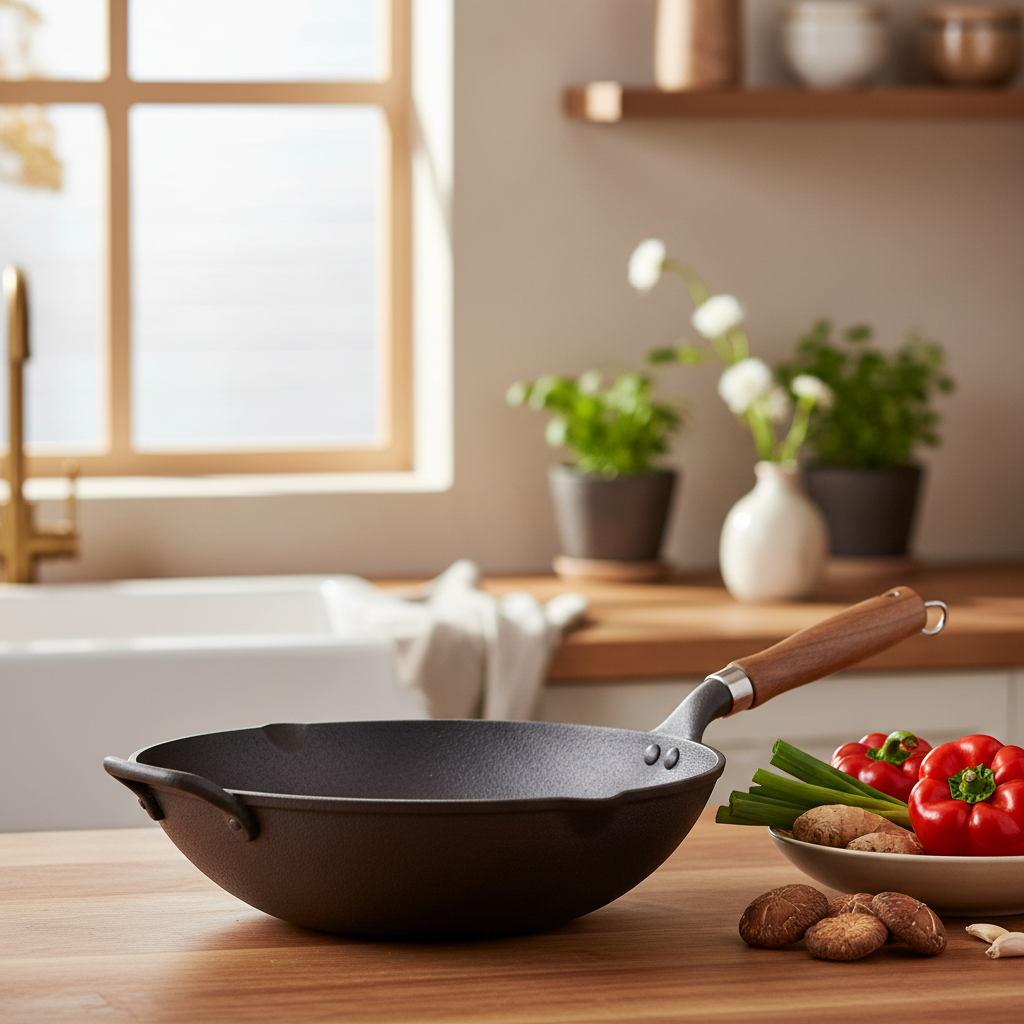
Wok iron cast refers to a cooking pan traditionally used in Chinese cuisine, characterized by its round bottom and sloping sides. While modern woks can be constructed from various materials, the classic and most prized woks are crafted from cast iron. This material provides exceptional heat retention and distribution, crucial for stir-frying and other high-heat cooking techniques.
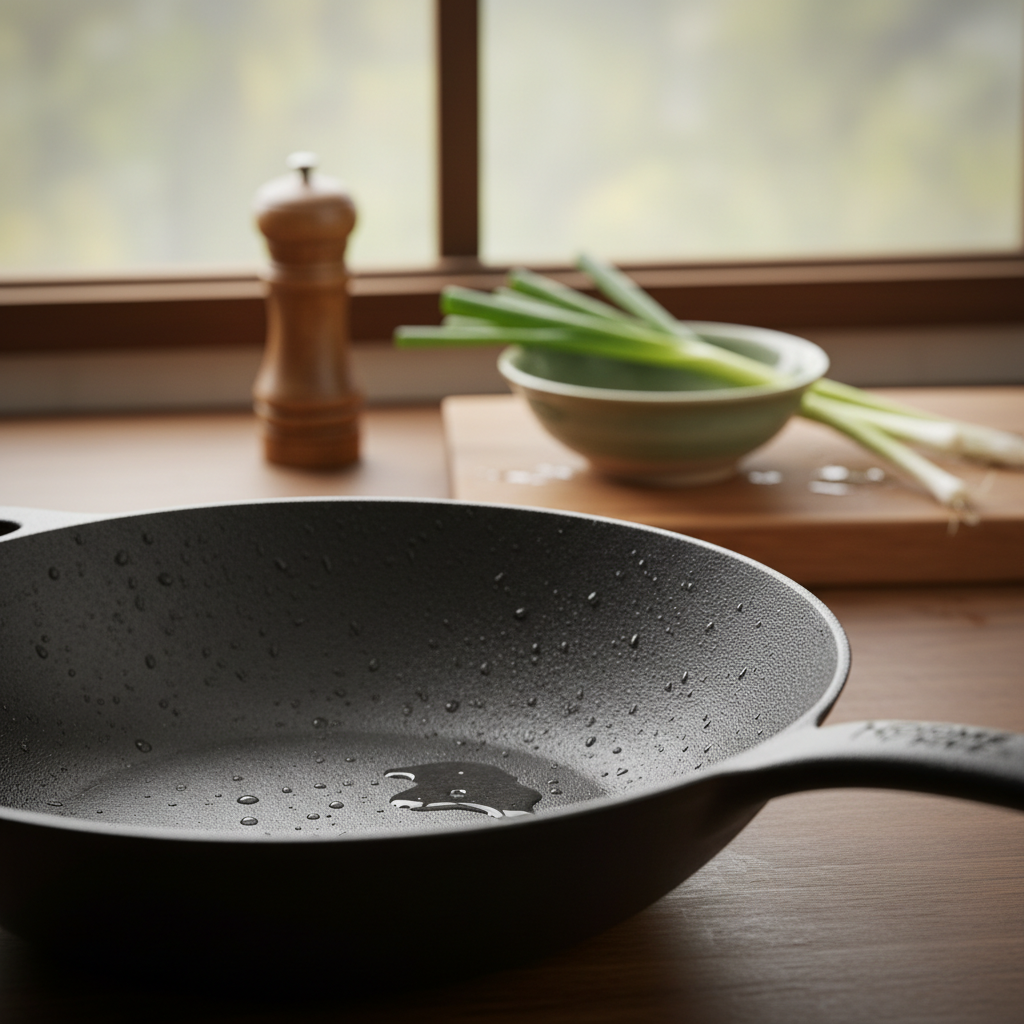
The definition extends beyond the physical form. Proper wok iron cast use involves a process called 'seasoning' – repeatedly coating the pan with oil and heating it to create a polymerized layer that protects the iron from rust and provides a natural non-stick surface. This seasoning is not merely a coating; it's an integral part of the wok's functionality and a reflection of its history.
In modern industry, understanding wok iron cast’s production necessitates knowledge of metallurgical processes, heat treatment techniques, and surface finishing. It’s directly linked to maintaining culinary traditions and improving cooking experiences worldwide.
Core Characteristics of wok iron cast
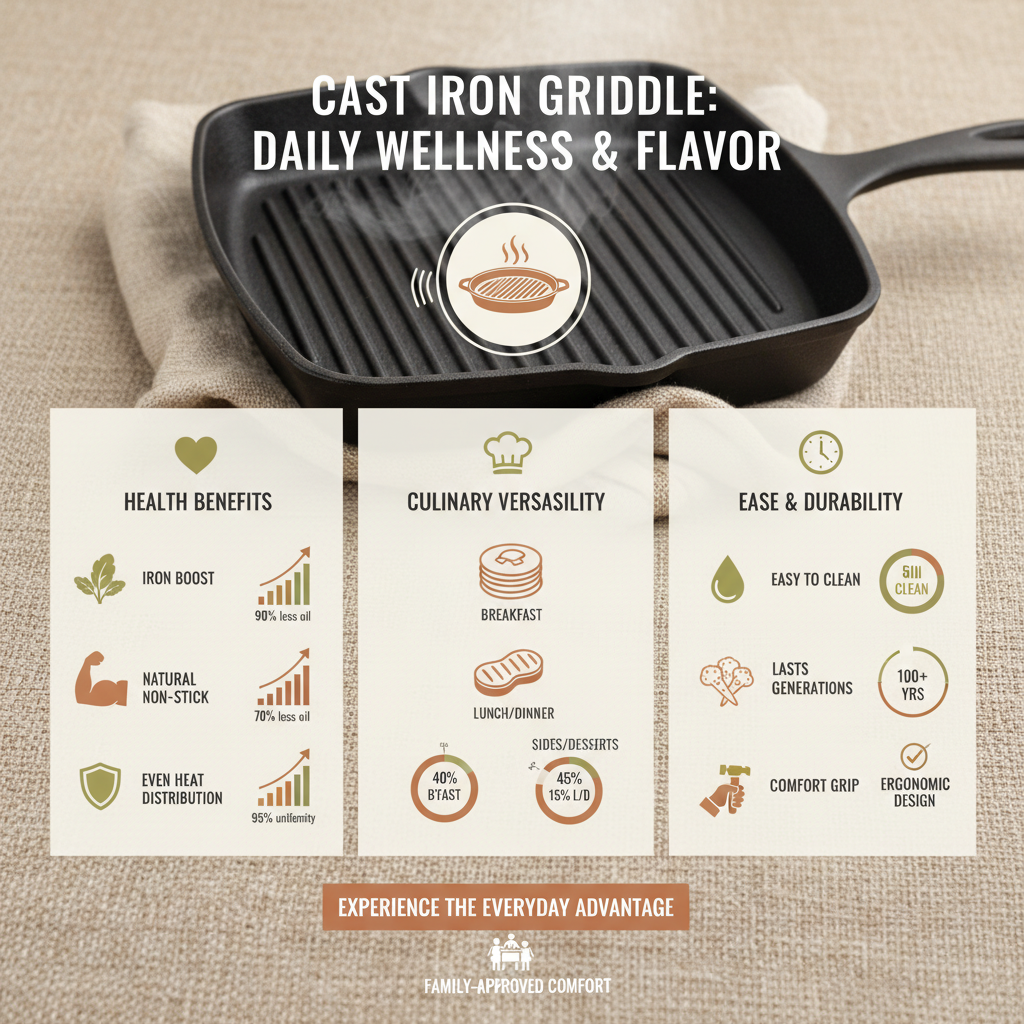
Durability is paramount. A properly cared for wok iron cast can withstand extremely high temperatures, resist warping, and last for decades, even centuries. This longevity makes it a sustainable and economical choice compared to cookware with shorter lifespans.
Heat Retention and Distribution: Cast iron excels at retaining heat, allowing for consistent cooking temperatures even when adding cooler ingredients. The thick walls and base of a wok iron cast distribute heat evenly, preventing hot spots and ensuring uniform cooking.
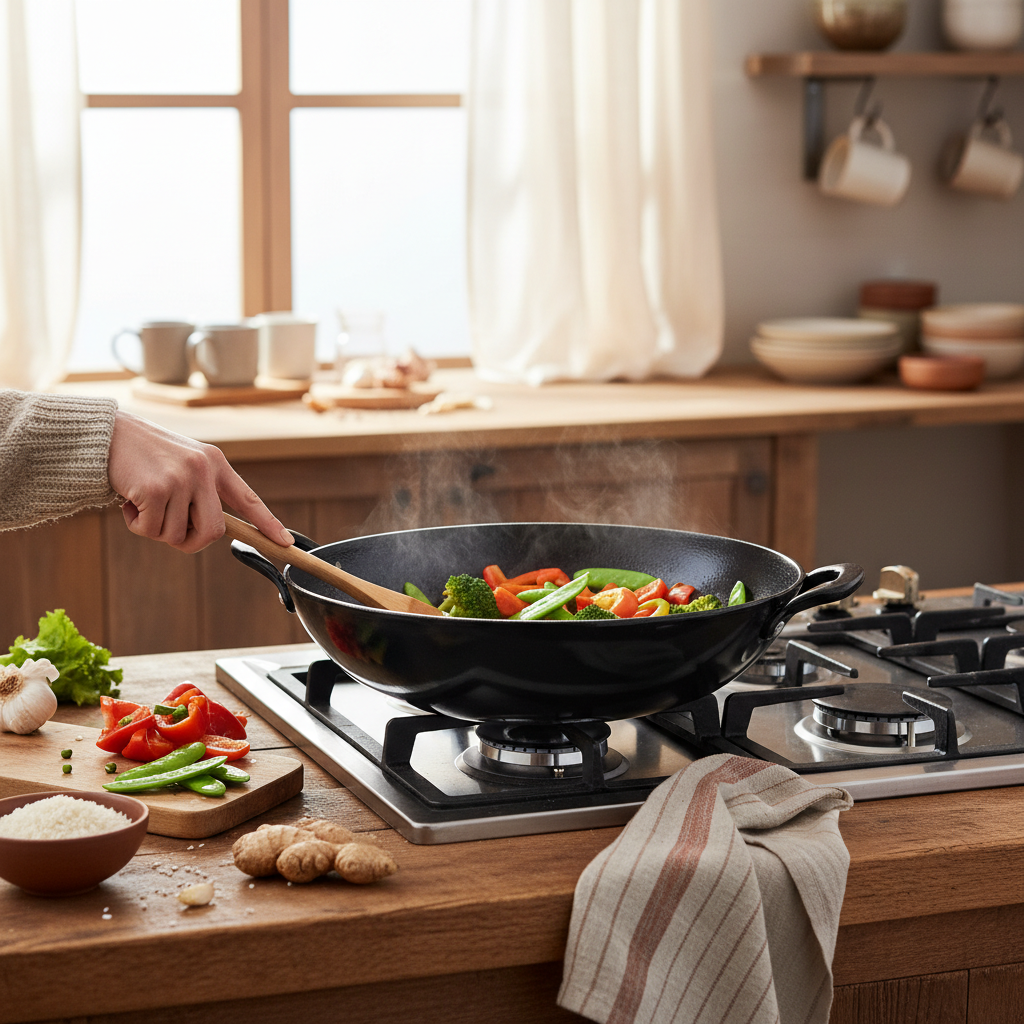
Versatility is another key characteristic. Wok iron cast can be used for a wide range of cooking techniques, including stir-frying, deep-frying, steaming, braising, and even smoking. The shape of the wok facilitates tossing and turning food, essential for stir-frying, while its depth allows for efficient oil usage.
Applications Across Global Cuisine
While originating in Asian cuisine, the versatility of wok iron cast has led to its adoption in kitchens around the world. In Latin American cooking, woks are increasingly used for preparing dishes like paella and ceviche, benefitting from the rapid heating and even cooking provided by the pan.
European chefs are discovering the benefits of wok iron cast for creating flavorful sauces and perfectly seared meats. Its ability to maintain high temperatures makes it ideal for techniques like flambéing and reduction sauces. In post-disaster relief operations, wok iron cast’s durability and ability to function over open flames make it an invaluable cooking tool.
Even in remote industrial zones where access to modern cooking facilities is limited, wok iron cast provides a reliable and efficient solution for preparing meals. Its robust construction can withstand harsh conditions and provide consistent performance.
Performance Evaluation of wok iron cast Materials
Benefits and Long-Term Value
The cost-effectiveness of wok iron cast is undeniable. While the initial investment may be higher than that of non-stick pans, its exceptional durability means it will likely outlast multiple cheaper alternatives, representing a significant long-term saving.
Sustainability is another key benefit. Wok iron cast is made from a naturally abundant material and, with proper care, can be recycled. Unlike disposable cookware, it contributes to a circular economy and reduces waste. The safety and health aspects are also significant; well-seasoned wok iron cast avoids the potential health risks associated with some non-stick coatings.
Future Trends in wok iron cast Crafting
Innovations in casting techniques are leading to lighter and more responsive wok iron cast. Manufacturers are experimenting with alloy combinations to enhance heat conductivity and reduce weight without compromising durability.
The integration of digital technologies, such as 3D printing, is opening up new possibilities for creating customized wok iron cast designs and intricate patterns. Furthermore, advancements in seasoning technologies are making it easier for home cooks to achieve and maintain a perfect non-stick surface.
Addressing Challenges and Ensuring Quality
One common challenge with wok iron cast is rust. Proper seasoning and drying after each use are crucial for preventing corrosion. Another challenge is the weight; lighter-weight designs are being developed, but maintaining strength and heat retention remains a key consideration.
Ensuring quality control throughout the manufacturing process is vital. This includes rigorous testing of the iron composition, verifying the accuracy of the casting, and inspecting the seasoning process. Transparency in sourcing materials and manufacturing practices builds trust with consumers.
Addressing these challenges through ongoing research and development will ensure that wok iron cast continues to be a valued and sustainable cooking tool for generations to come.
Summary of Key Quality Attributes for wok iron cast
| Material Composition |
Casting Precision |
Seasoning Quality |
Durability Score (1-10) |
| 98% Iron, 2% Carbon |
High – Minimal Porosity |
3+ Coats of Vegetable Oil |
9 |
| 95% Iron, 5% Alloy |
Medium – Acceptable Porosity |
2 Coats of Vegetable Oil |
8 |
| 90% Iron, 10% Chromium |
High – Precise Dimensions |
4+ Coats of Flaxseed Oil |
10 |
| 88% Iron, 12% Manganese |
Low – Noticeable Porosity |
1 Coat of Vegetable Oil |
6 |
| 97% Iron, 3% Silicon |
Medium – Slight Imperfections |
3 Coats of Canola Oil |
7 |
| 99% Iron, 1% Vanadium |
High – Smooth Surface |
5+ Coats of Soybean Oil |
9 |
FAQS
Seasoning a new wok iron cast is crucial for creating a natural non-stick surface and protecting it from rust. Start by thoroughly cleaning the wok with hot, soapy water. Then, heat it over medium-high heat until completely dry. Apply a thin, even coat of vegetable oil (peanut, canola, or soybean oil work well) to the entire surface, inside and out. Heat the wok again until it begins to smoke lightly. Repeat this process 3-4 times, allowing the wok to cool between each coat. This builds up a durable polymerized layer.
Rust is the enemy of wok iron cast. To prevent it, always thoroughly dry the wok immediately after washing. You can place it over low heat on the stove for a few minutes to ensure complete dryness. Then, apply a very light coat of oil to the surface. Avoid letting the wok sit in water for extended periods, and don’t use abrasive cleaners that can strip away the seasoning.
While traditionally discouraged, modern seasoned wok iron cast can tolerate mild dish soap. However, avoid harsh detergents and abrasive scrubbers. Use a soft sponge or brush and rinse thoroughly. Immediately dry and re-oil the wok after washing to maintain the seasoning. The key is to replenish the oil layer after using soap.
Traditionally, wok iron cast have round bottoms, designed for use with wok rings on gas stoves. This shape allows for more concentrated heat and easier tossing. Flat-bottom woks are designed for use on electric or induction cooktops, providing a more stable base. The choice depends on your cooking style and stove type. Some cooks prefer the maneuverability of a round-bottom wok, while others appreciate the stability of a flat-bottom wok.
The frequency of re-seasoning depends on how often you use the wok iron cast and the types of food you cook. If you notice food sticking or the seasoning looking dull, it’s time to re-season. A light re-seasoning after each use (a thin coat of oil heated until lightly smoking) helps maintain the patina. A more thorough seasoning (3-4 coats as described earlier) may be necessary every few months.
Not all wok iron cast are suitable for induction cooktops. The wok must be made of magnetic material. Most traditional cast iron woks are compatible, but it’s essential to check the manufacturer’s specifications. A flat-bottom wok is also recommended for optimal contact with the induction surface. Using the wrong type of wok on an induction cooktop may result in uneven heating or damage to the cooktop.
Conclusion
In conclusion, wok iron cast represents a remarkable blend of culinary tradition, sustainable practice, and enduring quality. Its unique properties – durability, heat retention, and versatility – make it an invaluable tool for both professional chefs and home cooks. By understanding its nuances and embracing proper care, you can unlock a world of flavorful cooking experiences and enjoy the benefits of this timeless cookware for generations.
Looking forward, innovations in materials and manufacturing techniques will undoubtedly enhance the performance and accessibility of wok iron cast. By prioritizing sustainable sourcing, quality control, and consumer education, we can ensure that this culinary heritage continues to thrive. Visit our website at www.foundryasia.com to explore our selection of high-quality woks and learn more about their care and use.