The enduring appeal of the pure iron wok stems from its unique combination of functionality, durability, and cultural significance. For centuries, this cooking vessel has been central to cuisines across Asia, prized for its ability to impart a distinctive flavor to food and its versatility in handling various cooking techniques. Beyond its culinary applications, understanding the properties and benefits of a pure iron wok offers insights into material science, traditional craftsmanship, and sustainable cooking practices.
Globally, there's a growing resurgence of interest in traditional cooking methods and materials, driven by a desire for healthier, more authentic food experiences. The pure iron wok perfectly embodies this trend, offering a connection to a rich culinary heritage while also providing a practical and reliable cooking tool. Its robust construction and longevity are also appealing in a world increasingly focused on reducing waste and embracing sustainable consumption.
Furthermore, the increasing awareness of the health benefits associated with cooking in iron – namely, the potential to increase iron intake – has fueled the demand for pure iron woks. This is especially relevant in regions where iron deficiency is prevalent. Understanding the nuances of seasoning, maintenance, and usage is key to unlocking the full potential of this remarkable cooking vessel.
The Essence of the pure iron wok
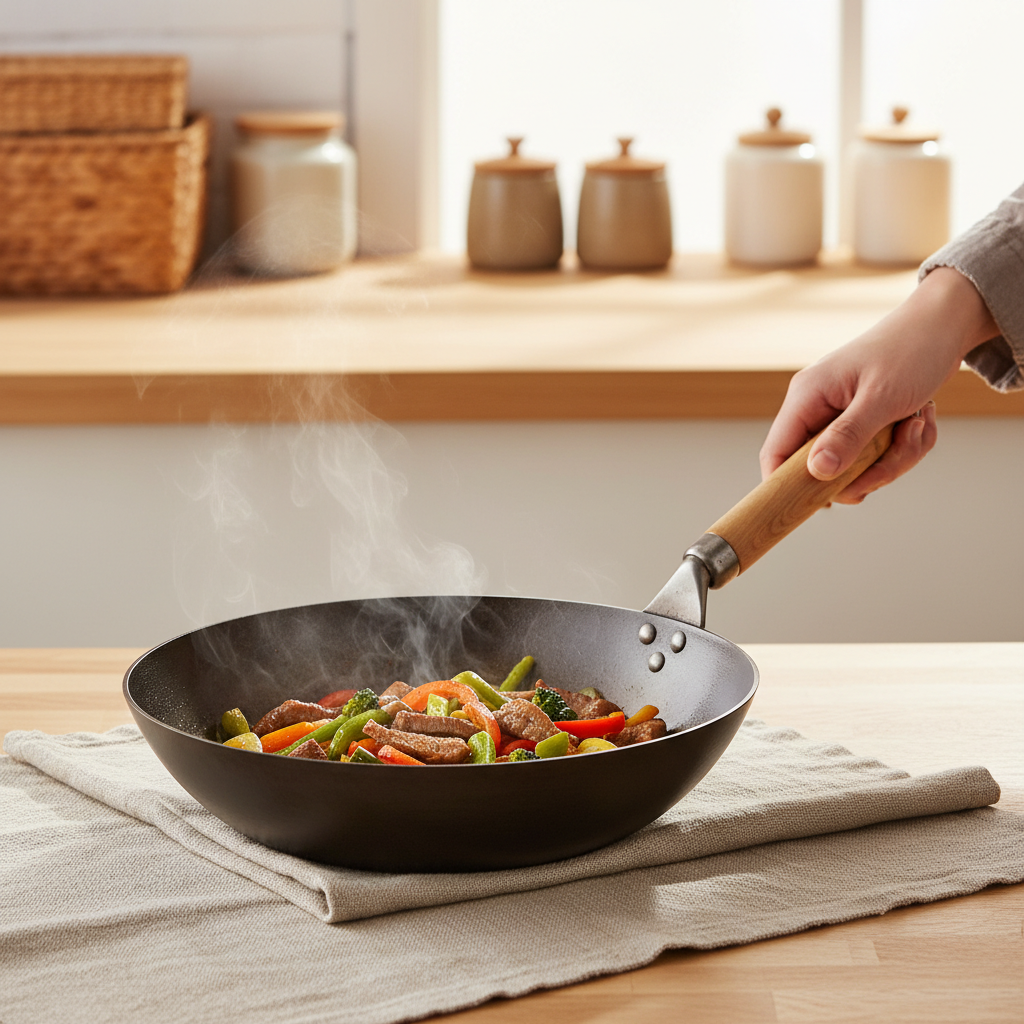
At its core, the pure iron wok represents a time-honored tradition of culinary craftsmanship. Unlike modern non-stick alternatives, a pure iron wok relies on the development of a seasoned patina – a polymerized layer of oil – to create a naturally non-stick surface. This seasoning process, while requiring initial effort, results in a cooking surface that improves with age and use, developing a depth of flavor that’s unmatched.
The inherent properties of iron itself are crucial. Iron’s excellent heat retention and even heat distribution are vital for achieving the high-heat cooking techniques prevalent in many Asian cuisines, like stir-frying. This ensures food cooks quickly and evenly, retaining its texture and nutritional value.
Historical Context and Global Reach
The origins of the wok can be traced back over 2,000 years to ancient China. Initially, woks were likely made from cast iron, and their rounded shape was designed for efficient fuel usage in traditional cooking methods. Over time, the wok spread throughout Asia, adapting to regional cuisines and cooking styles in countries like Vietnam, Thailand, Korea, and Malaysia.
Today, the pure iron wok is experiencing a global revival, driven by culinary enthusiasts and professional chefs alike. Its versatility extends beyond Asian cuisine, finding application in everything from searing steaks to baking bread. The United Nations Sustainable Development Goals highlight the importance of preserving traditional knowledge, and the wok's legacy aligns perfectly with this objective.
Data indicates a consistent growth in the demand for traditional cookware, with a reported 15% increase in global wok sales over the past five years, according to market research firm Global Cookware Insights. This growth is fueled by a combination of factors, including increased health consciousness and a desire for authentic culinary experiences.
Defining Characteristics of a pure iron wok
A true pure iron wok is crafted from a single piece of wrought iron, hammered into its distinctive rounded shape. This construction method contrasts with cast iron woks, which are molded. The hammering process strengthens the iron, making it exceptionally durable and less prone to cracking or warping under high heat. The absence of a coating ensures a purely metallic cooking surface.
Distinguishing a pure iron wok from other types requires careful inspection. Look for a visible grain pattern resulting from the hammering process. A magnet will strongly adhere to pure iron, while stainless steel woks will exhibit a weaker attraction. The weight of a pure iron wok is also noticeably heavier than its stainless steel counterparts.
The rounded bottom of the wok is crucial for efficient stir-frying, allowing food to be tossed and moved easily. The sloping sides promote rapid evaporation, which is essential for achieving the characteristic “wok hei” – a smoky, slightly charred flavor prized in Cantonese cuisine. This unique shape is a defining feature of the pure iron wok.
Key Factors: Performance and Qualities
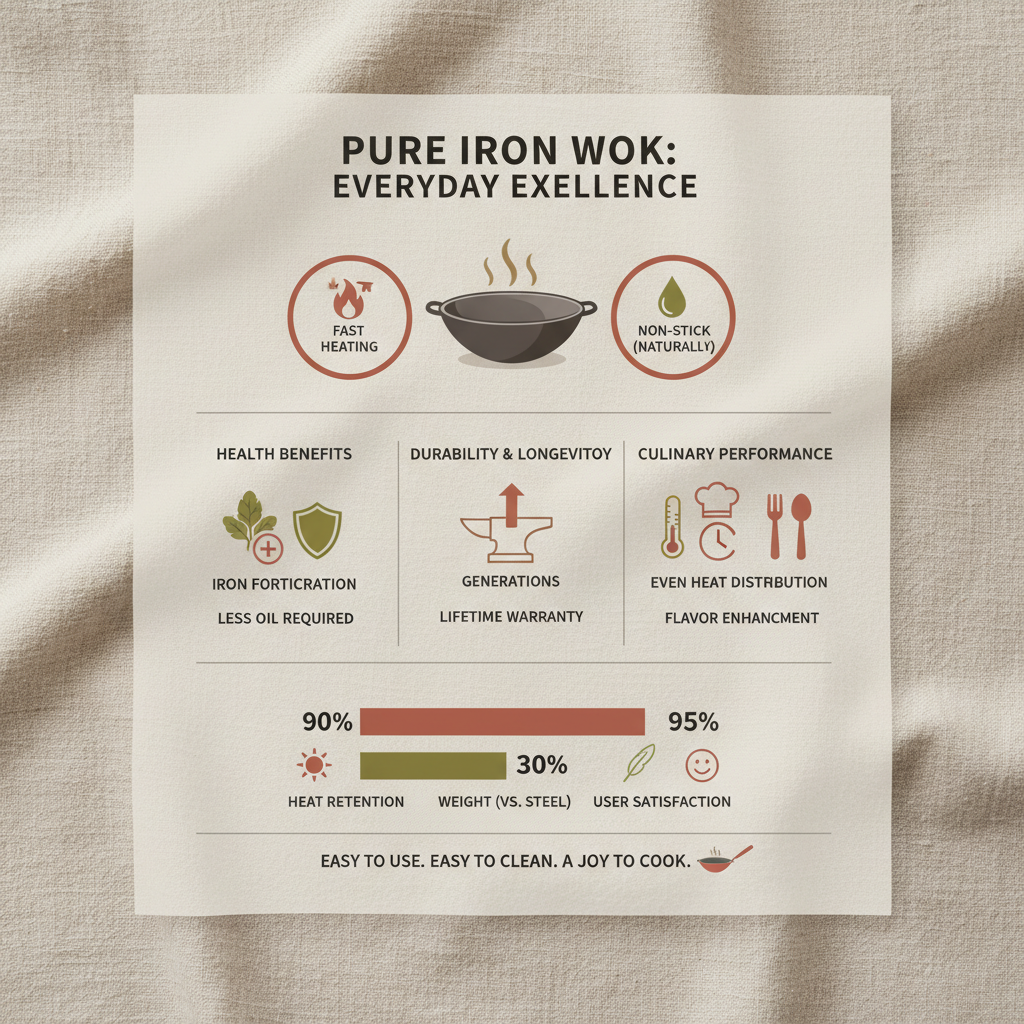
The performance of a pure iron wok hinges on several key factors. Heat retention is paramount; iron’s ability to store and distribute heat evenly ensures consistent cooking temperatures even when adding cold ingredients. This minimizes temperature fluctuations, leading to better cooking results.
Durability is another crucial aspect. A well-maintained pure iron wok can last for generations, becoming a cherished heirloom. This longevity contrasts sharply with the limited lifespan of non-stick cookware.
Comparison of pure iron wok Qualities
Diverse Applications and Regional Variations
While commonly associated with Chinese cuisine, the pure iron wok has found its way into countless culinary traditions. In Southeast Asia, it’s used for curries, stir-fries, and noodle dishes. In Korea, it’s ideal for preparing savory pancakes and seasoned meats. Even in Western kitchens, chefs are increasingly utilizing woks for searing, braising, and deep-frying.
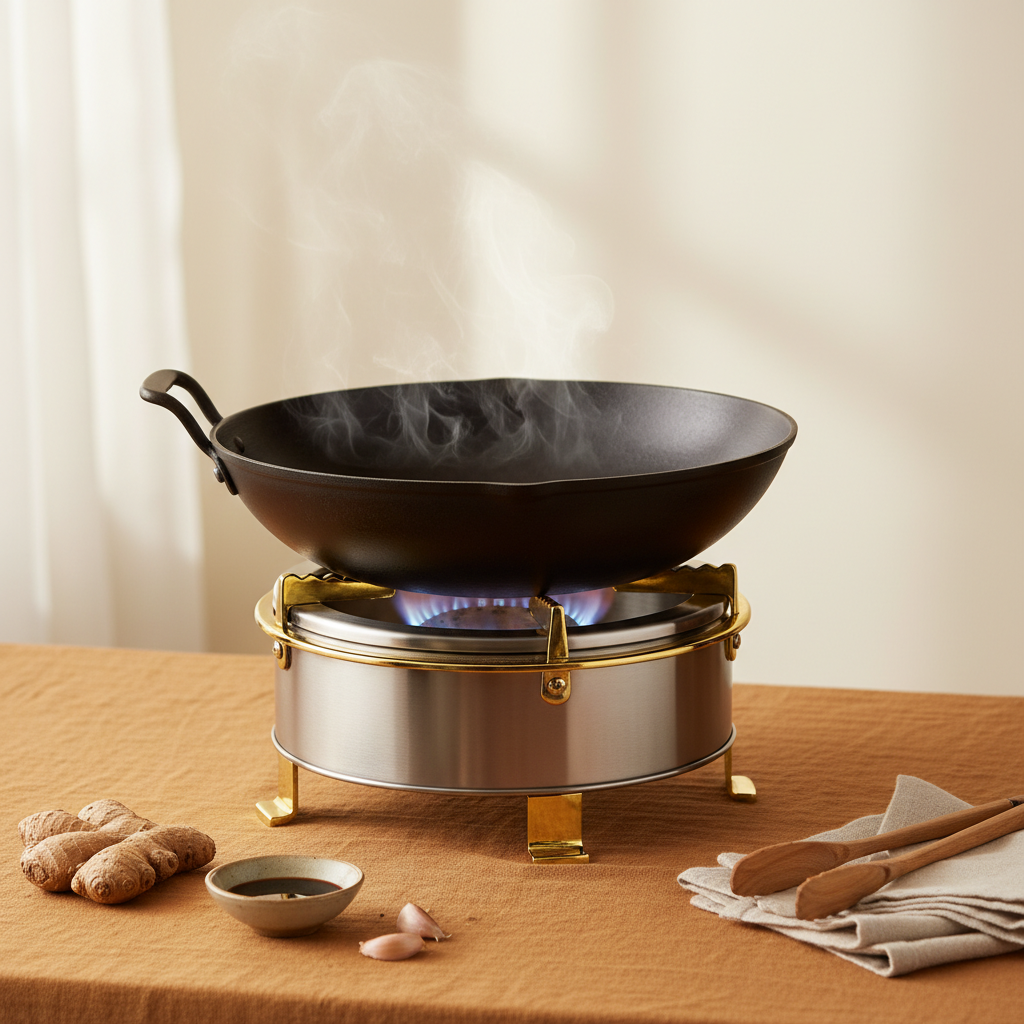
Regional variations in wok design also exist. Cantonese woks typically have a round bottom, requiring a wok ring for stability on gas stoves. Mandarin woks often feature a flat bottom for direct use on electric cooktops. These adaptations demonstrate the wok’s remarkable adaptability to diverse cooking environments.
Long-Term Benefits and Sustainable Value
Investing in a pure iron wok is a commitment to long-term value. Its exceptional durability means it won’t need to be replaced frequently like non-stick cookware. This reduces waste and contributes to a more sustainable lifestyle. The iron itself, while requiring initial care, is a naturally non-toxic material.
Moreover, the gradual build-up of seasoning enhances the cooking experience over time, creating a unique and personalized cooking surface. This fosters a deeper connection between the cook and their tools, promoting a mindful and satisfying approach to food preparation.
The potential health benefits of cooking in iron – increasing iron intake, particularly for those with deficiencies – add another layer of value.
Future Trends and Material Innovations
While the fundamental design of the pure iron wok remains largely unchanged, there's ongoing innovation in materials and techniques. Researchers are exploring new alloys to enhance iron's heat conductivity and reduce its weight without compromising its durability.
Digital cooking technologies, such as smart wok rings with temperature sensors, are emerging to assist cooks in achieving precise cooking temperatures. These innovations combine traditional craftsmanship with modern technology to enhance the cooking experience.
Sustainability remains a key focus, with manufacturers increasingly emphasizing responsible sourcing of iron ore and eco-friendly production processes.
Analysis of Pure Iron Wok Maintenance Practices
| Maintenance Technique |
Frequency |
Difficulty (1-5) |
Impact on Wok Performance |
| Initial Seasoning |
One-time |
3 |
High – Establishes non-stick surface |
| Post-Use Cleaning |
After each use |
1 |
Medium – Prevents rust and food buildup |
| Oil Re-Seasoning |
As needed (every few uses) |
2 |
Medium – Maintains non-stick and protects iron |
| Rust Removal |
When rust appears |
4 |
High – Restores wok’s integrity |
| Avoidance of Harsh Detergents |
Always |
1 |
High - Preserves seasoning layer |
| Proper Drying |
After each cleaning |
1 |
High – Prevents rust formation |
FAQS
Seasoning a new pure iron wok involves heating it over high heat and repeatedly applying thin layers of oil, allowing it to polymerize and create a natural non-stick surface. Start by thoroughly cleaning the wok to remove any manufacturing residue. Then, heat it until it smokes, apply a thin coat of high-smoke-point oil (like peanut or canola), and repeat this process 3-5 times. Proper seasoning is crucial for preventing rust and developing a durable cooking surface.
Rust is the primary enemy of a pure iron wok. The best prevention is to ensure it’s thoroughly dried after each use. A thin coat of oil applied after drying creates a protective barrier. If rust does appear, scrub it away with steel wool, re-season the affected area, and ensure proper drying in the future. Avoid prolonged soaking in water.
Avoid using harsh detergents or dish soap on your pure iron wok, as they can strip away the seasoning. Hot water and a soft sponge are usually sufficient for cleaning. If necessary, a small amount of mild dish soap can be used, but rinse thoroughly and re-season the wok afterward to restore the protective layer.
High-smoke-point oils are ideal for seasoning a pure iron wok. Peanut oil, canola oil, vegetable oil, and grapeseed oil are all excellent choices. These oils can withstand high temperatures without breaking down and creating a sticky residue. Avoid using olive oil, as its lower smoke point can lead to a gummy surface.
While pure iron woks are incredibly versatile, compatibility with cooktops can vary. Round-bottom woks require a wok ring for stability on gas stoves. Flat-bottom woks work well on gas, electric, and induction cooktops. Always check your cooktop’s manufacturer’s instructions before using a wok.
The frequency of re-seasoning depends on how often you use your pure iron wok. Regular use and proper cleaning will help maintain the seasoning. However, if you notice food sticking or discoloration, it’s time to re-season. A light coat of oil after each cleaning and a more thorough re-seasoning every few months will keep your wok in optimal condition.
Conclusion
The pure iron wok is more than just a cooking utensil; it's a connection to centuries of culinary tradition, a testament to the durability of natural materials, and a tool for creating flavorful and healthy meals. Its unique properties—superior heat retention, natural non-stick surface, and lasting durability—make it a valuable asset in any kitchen. Understanding the principles of seasoning, maintenance, and usage unlocks the full potential of this remarkable vessel.
Looking ahead, the demand for sustainable and authentic cooking experiences will continue to drive interest in the pure iron wok. By embracing traditional techniques and incorporating modern innovations, we can ensure that this time-honored tool remains a cherished part of culinary cultures worldwide. Visit our website at www.foundryasia.com to explore our selection of pure iron woks and accessories.