The enduring appeal of the iron cake pan stems from its unique ability to combine tradition with practicality. For centuries, bakers across cultures have relied on these pans for their even heating and exceptional durability. Today, amidst a surge in home baking and a renewed appreciation for quality cookware, the iron cake pan is experiencing a significant revival. It’s not simply a kitchen tool; it represents a connection to culinary history and a commitment to creating lasting, delicious results.
Globally, the demand for high-quality, durable cookware is steadily increasing, driven by factors like changing lifestyles, a growing interest in culinary arts, and a preference for sustainable products. The iron cake pan, particularly those made with traditional methods, fits perfectly into this trend. Statistics show a consistent rise in kitchenware sales, with cast iron products showing particularly strong growth in both established and emerging markets.
This resurgence isn’t merely about nostalgia; it's about understanding the inherent benefits of iron cookware. From its exceptional heat retention to its non-stick properties when properly seasoned, the iron cake pan provides a superior baking experience that modern alternatives often struggle to match. Understanding its properties and appropriate use is crucial for both amateur and professional bakers alike.
The Historical Development of iron cake pan
The history of the iron cake pan is deeply rooted in the evolution of cooking itself. From early civilizations utilizing simple iron vessels for baking over open fires to the refined cast iron pans of the Victorian era, its journey reflects a continuous pursuit of better baking methods. The development of cast iron technology in the 18th and 19th centuries allowed for the mass production of more affordable and durable pans, making them a staple in kitchens worldwide.
Early iron pans were often hand-forged, making each piece unique. The industrial revolution brought standardization, but also a commitment to preserving the qualities that made these pans so desirable – their ability to retain heat, their robustness, and their potential to develop a natural non-stick surface over time. This rich history informs the continued demand for quality iron cake pans today.
Defining the iron cake pan
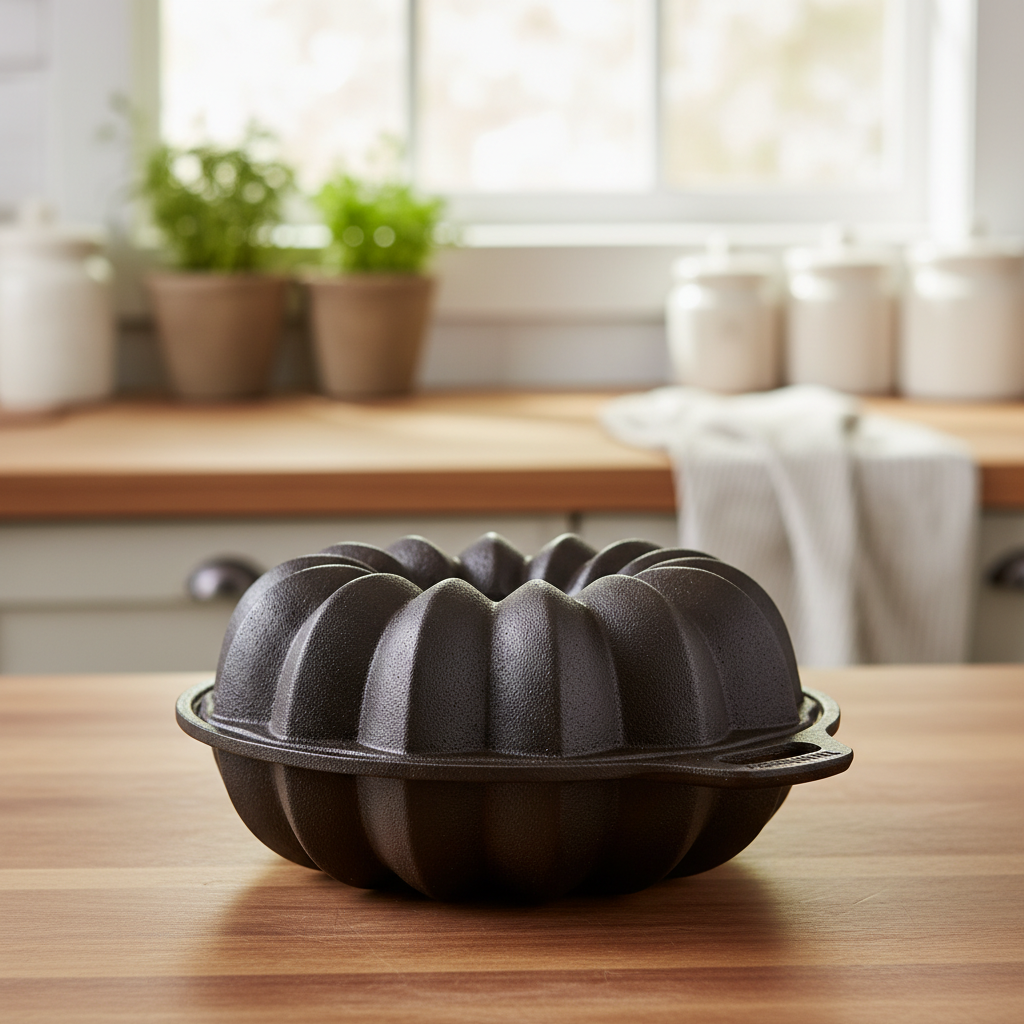
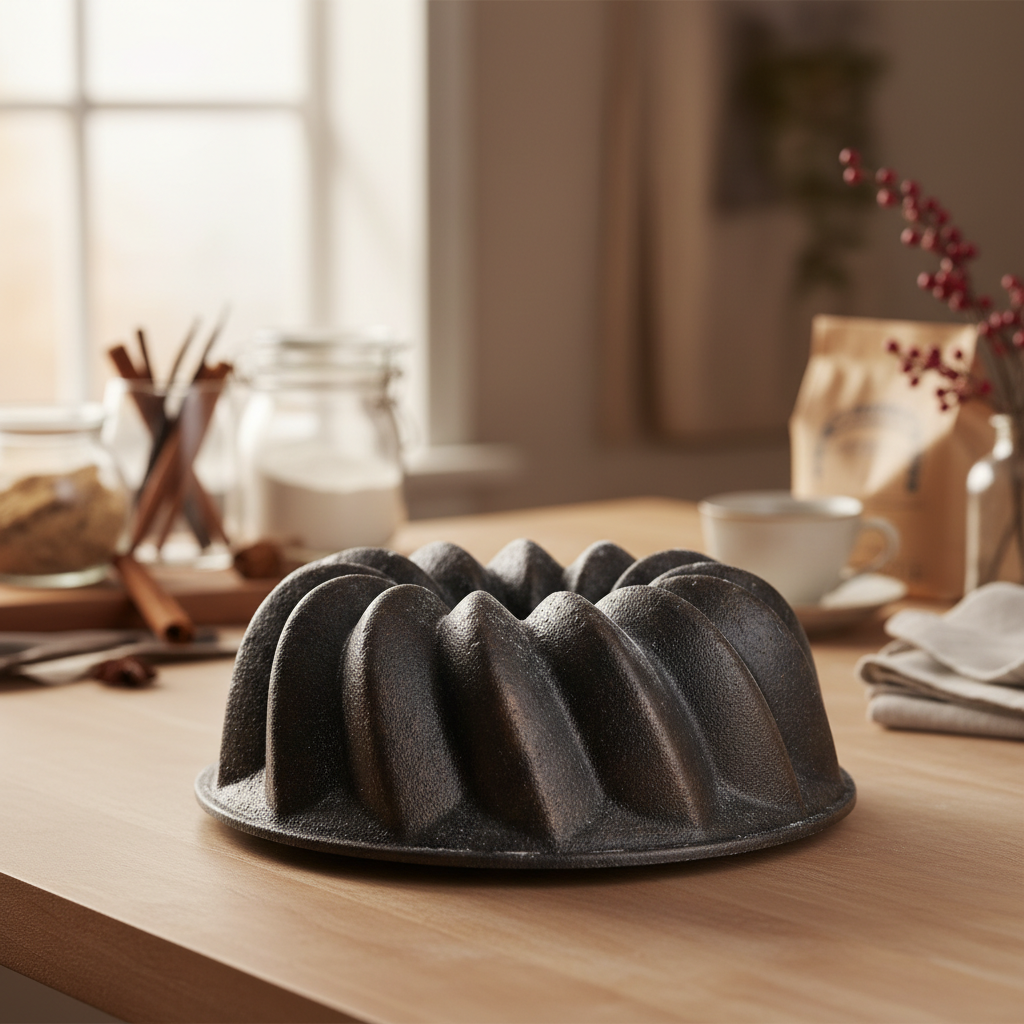
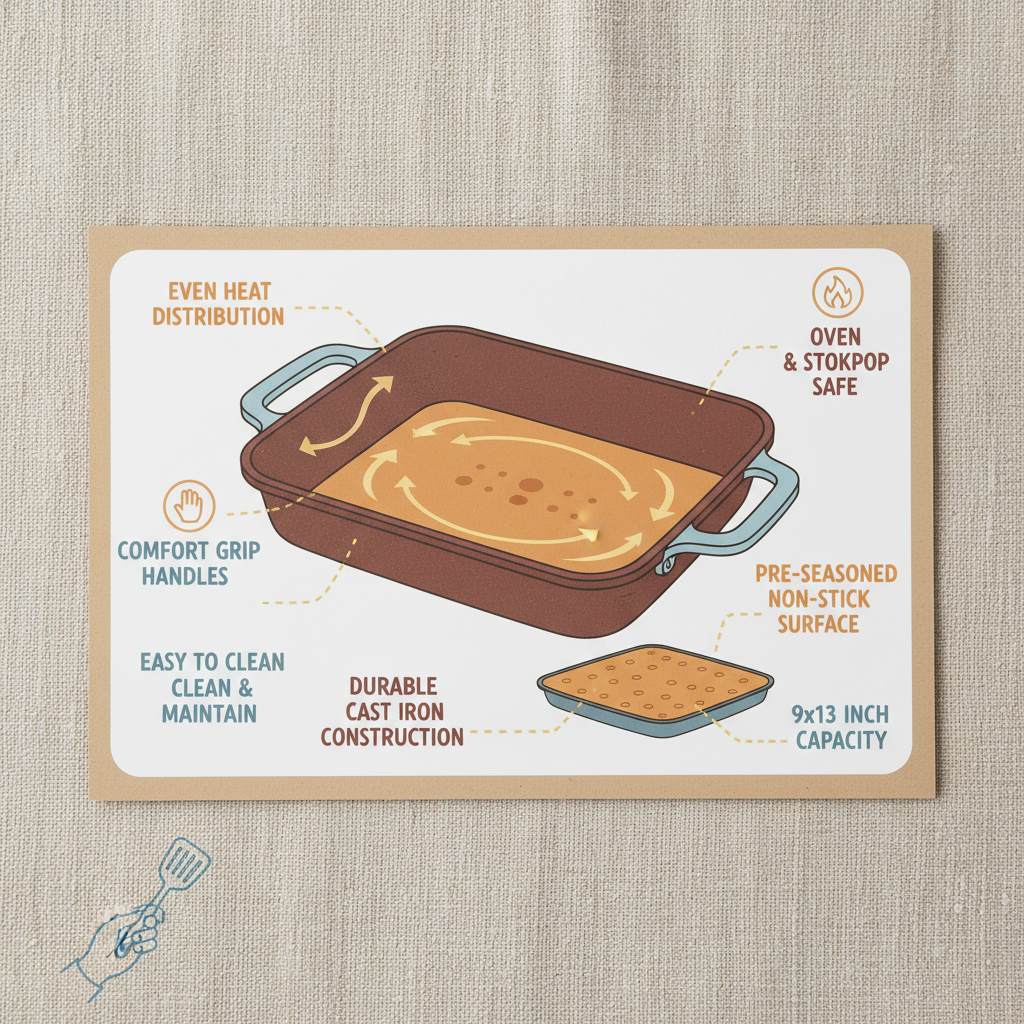
An iron cake pan is typically constructed from cast iron, an alloy of iron, carbon, and silicon. This material possesses exceptional heat retention properties, meaning it heats slowly but evenly, and stays hot for extended periods. This is crucial for achieving consistent baking results, particularly for cakes that require a steady temperature throughout the baking process. The pan’s weight also contributes to its stability and even heating.
Unlike non-stick coated pans, an iron cake pan develops a natural non-stick patina through seasoning – a process of repeatedly coating the pan with oil and baking it at high temperatures. This creates a polymerized layer of oil that prevents food from sticking, and also protects the iron from rust. Seasoning is a key aspect of maintaining and enhancing the pan’s performance.
The connection to modern industry and needs lies in the demand for sustainable, long-lasting, and reliable cookware. As consumers become more conscious of the environmental impact of their choices, and the inherent drawbacks of disposable or short-lived products, the iron cake pan represents a viable and compelling alternative.
Key Characteristics of an iron cake pan
The defining characteristic of an iron cake pan is its exceptional heat retention. This ensures that cakes bake evenly, with a golden crust and a moist interior. Because the iron holds the heat so well, it’s less susceptible to temperature fluctuations when the oven door is opened, leading to more predictable and consistent results.
Durability is another key feature. A well-maintained iron cake pan can last for generations, becoming a cherished heirloom. This is a stark contrast to many modern pans, which require frequent replacement. The pan's robustness also means it can withstand high temperatures without warping or damaging.
The ability to develop a natural non-stick surface through seasoning is another significant advantage. This eliminates the need for potentially harmful chemical coatings and offers a healthier cooking experience. Properly seasoned, an iron cake pan provides a reliable non-stick surface for even the most delicate cakes.
Heat Retention and Distribution in iron cake pan
The superior heat retention of an iron cake pan is directly attributable to the material's high thermal mass. This means it requires more energy to change its temperature, and once heated, it releases that heat slowly and evenly. This characteristic is particularly important for baking, as it helps to create a stable and consistent baking environment.
The distribution of heat within the pan is also exceptionally uniform. This eliminates hot spots, preventing cakes from burning on the bottom while remaining undercooked in the center. The pan's weight and thickness contribute to this even heat distribution, ensuring that the entire cake bakes at the same rate.
Performance Metrics for Various iron cake pan Methods
Global Applications of the iron cake pan
The iron cake pan is utilized in diverse culinary traditions around the world. From the traditional Dutch oven cakes of Europe to the cornbread baked in cast iron skillets in the American South, it has a long history in both home and professional kitchens. Its versatility extends beyond cakes to include breads, pies, and even savory dishes.
In post-disaster relief operations, durable and reliable cookware like the iron cake pan can be vital for providing nutritious meals to affected communities. Its longevity and ability to withstand harsh conditions make it a practical and sustainable choice in emergency situations. Similarly, in remote industrial zones or regions with limited access to modern amenities, the iron cake pan provides a dependable cooking solution.
Advantages and Long-Term Value
The cost-effectiveness of an iron cake pan is a significant advantage. While the initial investment may be higher than that of a non-stick pan, its exceptional durability means it will likely outlast multiple non-stick pans, ultimately saving money in the long run. This longevity also contributes to its sustainability, reducing the need for frequent replacements.
Beyond the economic benefits, owning an iron cake pan fosters a sense of connection to culinary traditions and promotes a more sustainable lifestyle. The joy of creating delicious, home-baked goods with a pan that can be passed down through generations is immeasurable, adding a layer of emotional value to its practical benefits.
The reliability of an iron cake pan builds trust in the baking process. Knowing it will consistently deliver even heating and a non-stick surface allows bakers to focus on their creativity and technique, rather than worrying about the performance of their equipment.
Maintenance and Longevity of iron cake pan
Extending the life of an iron cake pan requires proper maintenance, primarily through regular seasoning. After each use, the pan should be cleaned gently with warm water and a soft sponge (avoiding harsh soaps). It’s crucial to dry the pan thoroughly to prevent rust.
Following cleaning, a thin layer of oil should be applied to the entire surface of the pan, and then baked in the oven at a moderate temperature for about an hour. This process replenishes the seasoning layer and protects the iron from corrosion. With proper care, an iron cake pan can truly last a lifetime, becoming a treasured kitchen companion.
Understanding the nuances of seasoning and care can greatly improve the performance and longevity of the iron cake pan. Many resources are available online and in cookbooks to guide users through the process, ensuring they can fully enjoy the benefits of this versatile and enduring cookware.
Summarizing Core Aspects of Iron Cake Pan Maintenance
| Maintenance Task |
Frequency |
Impact on Longevity |
Difficulty Level (1-5) |
| Gentle Cleaning |
After Each Use |
High – Prevents Food Residue Build-up |
1 |
| Thorough Drying |
After Each Cleaning |
High – Prevents Rust Formation |
1 |
| Oil Application |
After Each Cleaning |
Medium – Maintains Seasoning |
2 |
| Seasoning (Baking with Oil) |
Every Few Months or as Needed |
High – Restores and Strengthens Seasoning |
3 |
| Avoid Harsh Soaps |
Always |
Medium – Preserves Seasoning |
1 |
| Rust Removal (If Needed) |
As Needed |
High – Prevents Further Corrosion |
4 |
FAQS
For seasoning an iron cake pan, oils with a high smoke point are recommended. Flaxseed oil is often touted for creating a very hard, durable seasoning, but it can be prone to flaking if applied too thickly. Canola oil, grapeseed oil, or even vegetable oil are more readily available and generally work well. The key is to apply a very thin layer and bake the pan at a moderate temperature (around 350-400°F) for an hour to polymerize the oil.
Rust is the enemy of iron cookware! The best way to prevent it is to ensure the pan is completely dry after each use. After washing, dry it thoroughly with a towel and then place it on a burner over low heat for a few minutes to evaporate any remaining moisture. Applying a very thin layer of oil after drying also helps to create a protective barrier against rust. Avoid leaving the pan wet or storing it in a humid environment.
While traditional wisdom cautioned against using soap, modern dish soaps are generally mild enough to use sparingly. However, avoid harsh detergents or abrasive cleaners, as these can strip away the seasoning. If you do use soap, be sure to rinse the pan thoroughly and dry it immediately. The most important thing is to maintain the seasoning layer, and excessive soap use can hinder that.
If a cake sticks, it usually indicates that the seasoning layer needs to be built up. Don’t panic! Gently remove what you can, and then re-season the pan. For stubborn residue, you can simmer water in the pan for a few minutes to loosen the stuck-on bits, then scrub gently with a non-abrasive sponge. Remember, a well-seasoned pan is naturally non-stick, so building up that seasoning is key.
Baking highly acidic foods for extended periods can potentially strip away some of the seasoning, and may impart a metallic taste to the food. It’s generally best to avoid long-simmering tomato sauces directly in the iron cake pan. However, baking a cake with a small amount of acidic fruit (like lemon) is usually fine, as the exposure time is limited. Re-seasoning the pan after baking acidic foods can help restore the protective layer.
The frequency of re-seasoning depends on how often you use the pan and what you’re cooking in it. If you use it frequently and bake a lot of acidic foods, you may need to re-season it every few months. If you use it mainly for baking cakes and maintain a good seasoning layer, you may only need to re-season it once or twice a year. Look for signs like dullness or rust as indicators that re-seasoning is needed.
Conclusion
In conclusion, the iron cake pan isn’t just a piece of cookware; it’s a testament to enduring quality, sustainable practices, and the timeless art of baking. Its unique properties – exceptional heat retention, remarkable durability, and the ability to develop a natural non-stick surface – make it an invaluable asset in any kitchen, for bakers of all skill levels. From its historical roots to its modern resurgence, this pan continues to deliver consistently delicious results.
Investing in an iron cake pan is an investment in a legacy. With proper care and maintenance, it will become a cherished heirloom, passed down through generations. We encourage you to explore the benefits of this remarkable cookware and rediscover the joy of truly authentic baking. Visit our website to learn more and browse our selection of high-quality iron cake pans.