The allure of a perfectly crisp, delightfully cheesy iron pan pizza has captivated food lovers for generations. More than just a meal, it represents a comforting experience, a sharing moment, and a testament to simple, quality ingredients. This seemingly humble dish embodies culinary innovation, offering a canvas for creativity and a connection to traditional cooking methods. Understanding the nuances of crafting the ideal iron pan pizza is becoming increasingly relevant as home baking gains popularity and consumers seek authentic, satisfying experiences.
Globally, the demand for convenient, high-quality food options continues to rise. The iron pan pizza fits perfectly into this trend, offering a relatively quick and easy-to-prepare meal that doesn't compromise on flavor. With the rise of food blogs, social media, and online recipe sharing, techniques for making exceptional iron pan pizza have spread rapidly, fueling a passionate community of home cooks and enthusiasts. This accessibility distinguishes it from more complex pizza-making styles.
The growing emphasis on home-cooked meals, driven by factors like health consciousness and budget-friendly living, makes the iron pan pizza particularly attractive. It allows for customization and control over ingredients, promoting a more mindful and satisfying dining experience. Its simple yet effective methodology is proving increasingly valuable in the realm of home cooking.
The Evolution of Iron Pan Pizza Techniques
The roots of iron pan pizza extend back to the simple, resourceful cooking methods of the past. Initially, cast iron pans were a staple in households, providing a durable and efficient cooking surface. The earliest iterations of pizza made in these pans likely involved utilizing leftover ingredients and adapting traditional bread-making techniques.
Over time, the technique has evolved with the introduction of new ingredients, ovens, and cooking tools. However, the core principle – achieving a crispy, flavorful crust in a cast iron pan – has remained constant. Modern techniques often incorporate cold fermentation, specific flour blends, and precise temperature control to elevate the final product.
Defining Characteristics of Iron Pan Pizza
Iron pan pizza is defined by its distinctively crispy and golden-brown crust, achieved through direct contact with the heated cast iron. This method creates a textural contrast between the crunchy bottom and the soft, airy interior. The shape is generally circular, fitting the dimensions of a standard cast iron skillet.
Unlike traditional Neapolitan or New York-style pizzas, iron pan pizza tends to be thicker and more substantial. This allows it to hold a generous amount of toppings without becoming soggy. The cooking process, typically involving a combination of stovetop searing and oven baking, contributes to its unique flavor profile.
The emphasis is often on simplicity and quality ingredients. While variations exist, a classic iron pan pizza typically features a simple tomato sauce, mozzarella cheese, and a few carefully selected toppings.
Key Factors Influencing Iron Pan Pizza Quality
Several key factors determine the quality of an iron pan pizza. The type of cast iron pan used is crucial, with well-seasoned pans providing the best non-stick surface and heat retention. Dough hydration levels, flour choice, and fermentation time all play significant roles in developing the desired texture.
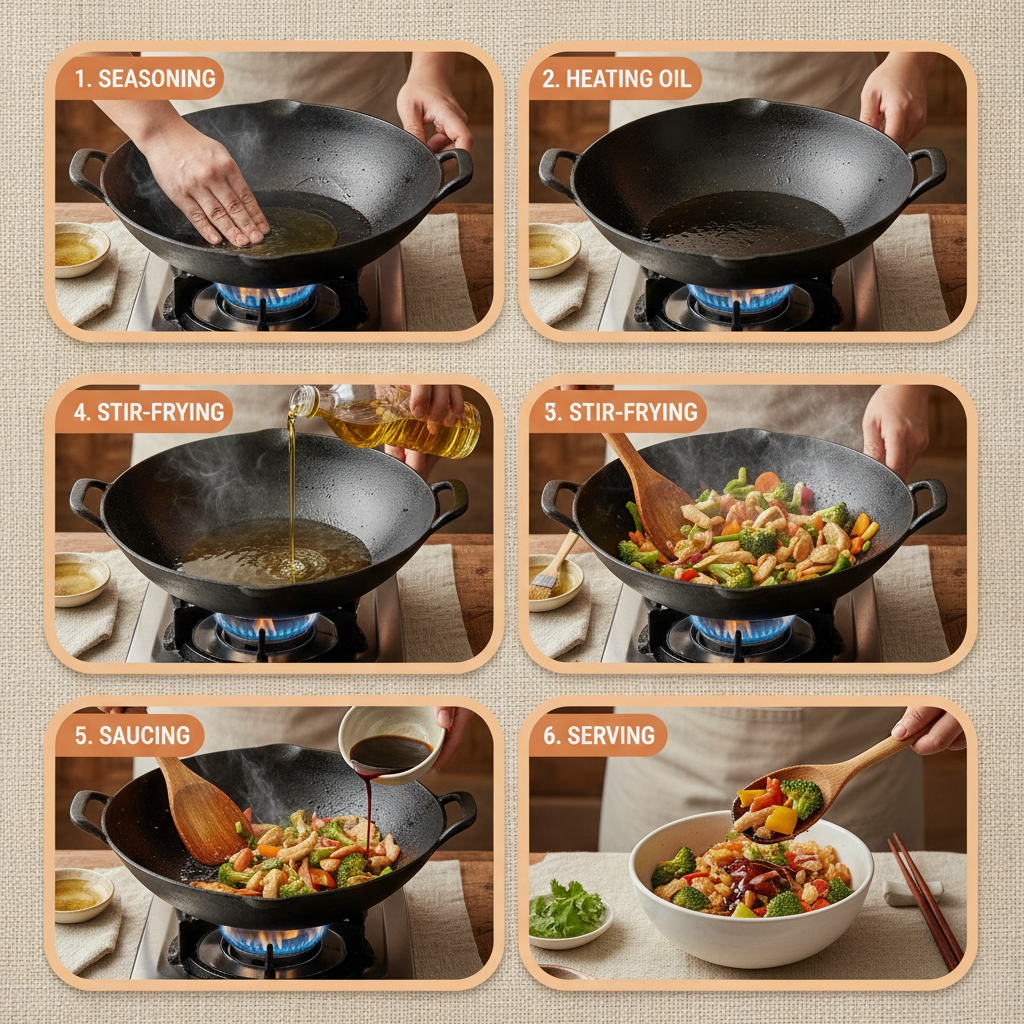
Temperature control is paramount. Starting the pizza on the stovetop allows for a quick sear of the bottom crust, while finishing it in the oven ensures the toppings melt and the cheese bubbles. The oven temperature and baking time should be carefully adjusted based on the thickness of the dough and the desired level of doneness.
Ingredient quality also matters. Using high-quality tomatoes for the sauce, fresh mozzarella, and flavorful toppings will significantly enhance the overall taste experience. A simple, well-balanced approach to toppings often yields the best results, allowing the flavor of the crust to shine.
The Science Behind the Perfect Crust
Achieving the perfect crust in an iron pan pizza involves understanding the principles of heat transfer and dough development. The direct contact with the hot cast iron creates a Maillard reaction, which is responsible for the characteristic browning and crispy texture.
Gluten development is another critical aspect. Proper kneading and fermentation allow the gluten strands to align, creating a strong and elastic dough that can hold its shape and develop air pockets during baking. The type of flour used affects gluten development – bread flour generally yields a chewier crust, while all-purpose flour produces a softer one.
Crust Characteristics Based on Dough Preparation
Global Variations and Regional Styles
While the fundamental principle of cooking iron pan pizza remains consistent, regional variations have emerged around the world. In Italy, variations may emphasize locally sourced ingredients and simpler flavor combinations, reflecting a dedication to traditional methods.
In the United States, iron pan pizza has seen an explosion of creativity, with chefs and home cooks experimenting with unique toppings, sauces, and dough formulations. Detroit-style pizza, known for its thick, square crust and Wisconsin brick cheese, shares similarities and can often be replicated effectively in an iron pan.
Advantages of Cooking with an Iron Pan
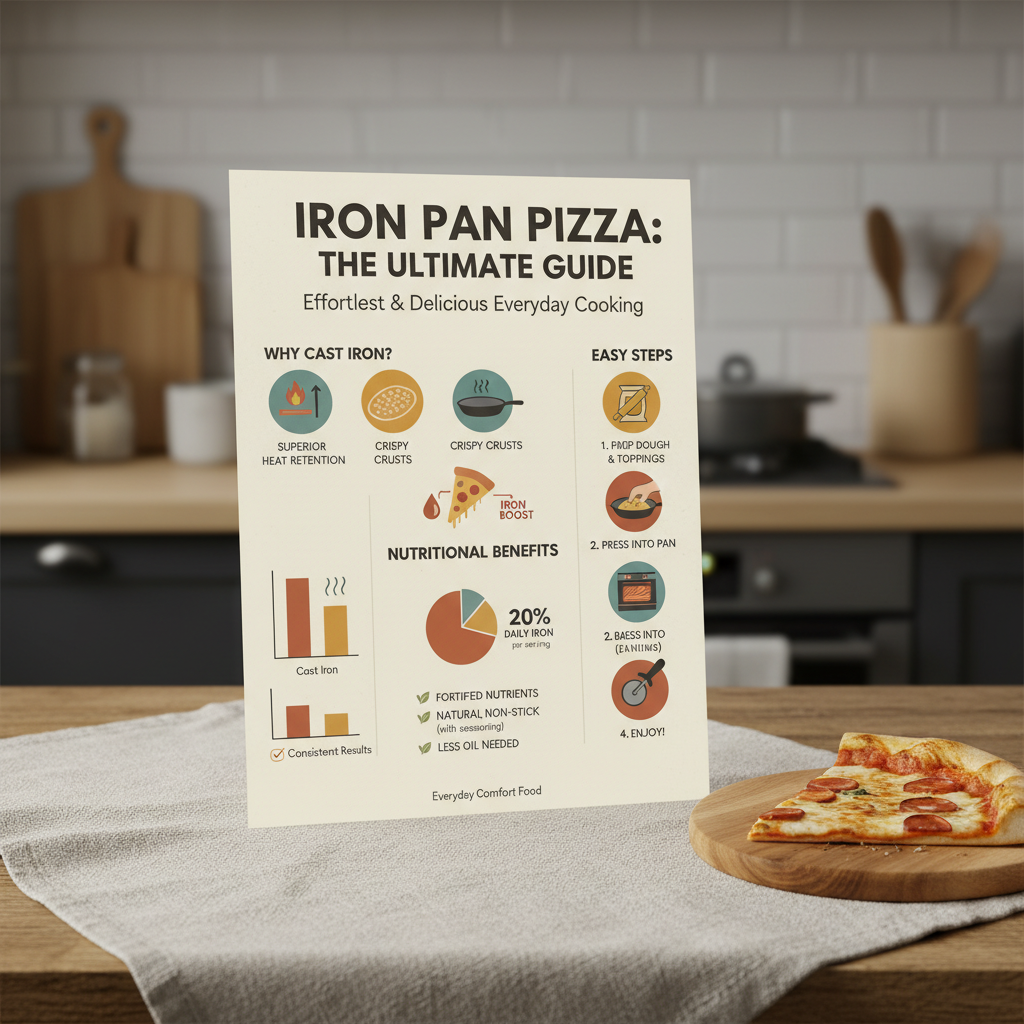
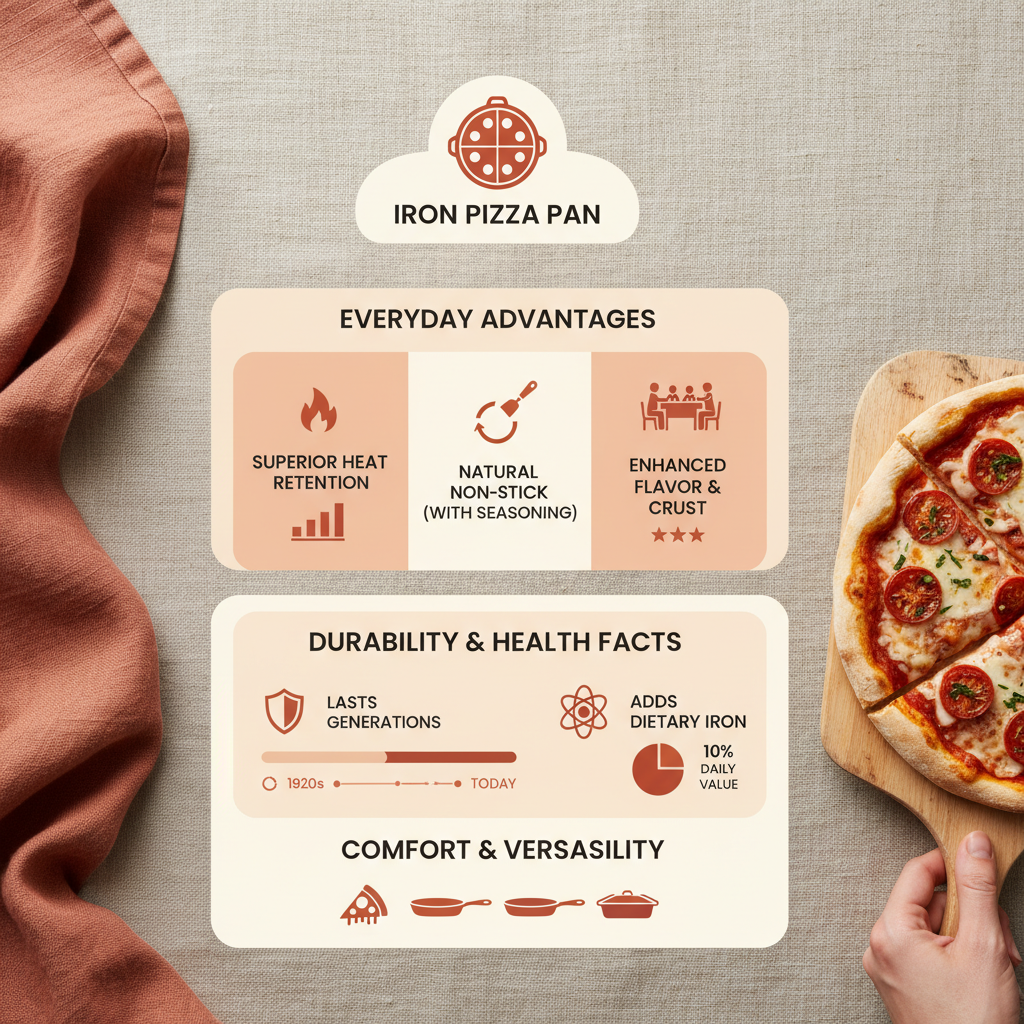
The primary advantage of using an iron pan for pizza is its exceptional heat retention. This allows for a consistently high temperature, resulting in a beautifully browned and crispy crust. The cast iron also distributes heat evenly, preventing hot spots that can burn certain areas of the pizza.
Furthermore, a well-seasoned cast iron pan is naturally non-stick, minimizing the need for excessive oil and making it easier to release the pizza. Cast iron is also incredibly durable and can last for generations with proper care, making it a sustainable and cost-effective cooking tool.
The iron pan’s ability to seamlessly transition from stovetop to oven is another significant benefit, providing a versatile cooking experience.
Troubleshooting Common Iron Pan Pizza Issues
A common issue is a soggy crust. This can be addressed by ensuring the pan is adequately preheated, using a lower hydration dough, or briefly searing the bottom crust on the stovetop before transferring to the oven.
Another challenge is the pizza sticking to the pan. A properly seasoned pan should prevent this, but adding a thin layer of oil or parchment paper can provide extra insurance. If the pizza is still sticking, it may indicate that the pan needs to be re-seasoned.
Unevenly cooked toppings can be rectified by rotating the pizza halfway through baking or adjusting the oven temperature. Experimentation is key to finding the optimal cooking parameters for your specific oven and pan.
Summary of Common Iron Pan Pizza Problems and Solutions
| Problem |
Likely Cause |
Solution |
Severity (1-5) |
| Soggy Crust |
Insufficient pan preheating, high dough hydration |
Preheat pan thoroughly, reduce dough hydration |
3 |
| Pizza Sticking |
Poorly seasoned pan, insufficient oil |
Re-season pan, use more oil or parchment paper |
4 |
| Unevenly Cooked Toppings |
Oven hot spots, uneven topping distribution |
Rotate pizza, distribute toppings evenly |
2 |
| Burnt Crust |
Oven too hot, extended baking time |
Reduce oven temperature, shorten baking time |
3 |
| Crust Not Crispy Enough |
Insufficient heat, low oven temperature |
Increase oven temperature, preheat pan longer |
2 |
| Dough Shrinking |
Underdeveloped gluten, dough too cold |
Knead dough longer, let dough warm up slightly |
1 |
FAQS
While a pizza stone excels at soaking up moisture and creating a very crispy bottom crust, an iron pan offers superior heat retention and the ability to sear the crust directly on the stovetop. This dual-cooking method results in a unique texture – a crisp, almost fried bottom and a soft, airy interior. An iron pan is also more versatile, able to transition from stovetop to oven seamlessly.
Ideally, you want a well-seasoned cast iron pan that is smooth and non-stick. A rough surface can cause the pizza to stick. While any size will work, a 12-inch pan is a popular choice for personal-sized pizzas. A pan with sloped sides helps with easy removal. Avoid using enameled cast iron, as it doesn’t offer the same level of heat retention as traditional cast iron.
The key is a well-seasoned pan. Ensure your pan is properly seasoned with multiple layers of baked-on oil. Before adding the dough, lightly oil the pan or line it with parchment paper. Don’t skimp on the oil – a thin, even coating is crucial. If sticking persists, re-season your pan and try again.
A slightly higher hydration dough (around 65-70%) works well, as it creates a lighter, airier texture. Bread flour is recommended for a chewier crust, but all-purpose flour can also be used. Cold fermentation (allowing the dough to rise slowly in the refrigerator) enhances flavor and texture. Remember to let the dough come to room temperature before stretching and placing it in the pan.
Generally, a temperature between 450°F (232°C) and 500°F (260°C) works best. The ideal temperature will depend on your oven and the thickness of the dough. Starting with a higher temperature and then reducing it slightly if the crust is browning too quickly is a good approach. Watch the pizza closely and adjust the baking time accordingly.
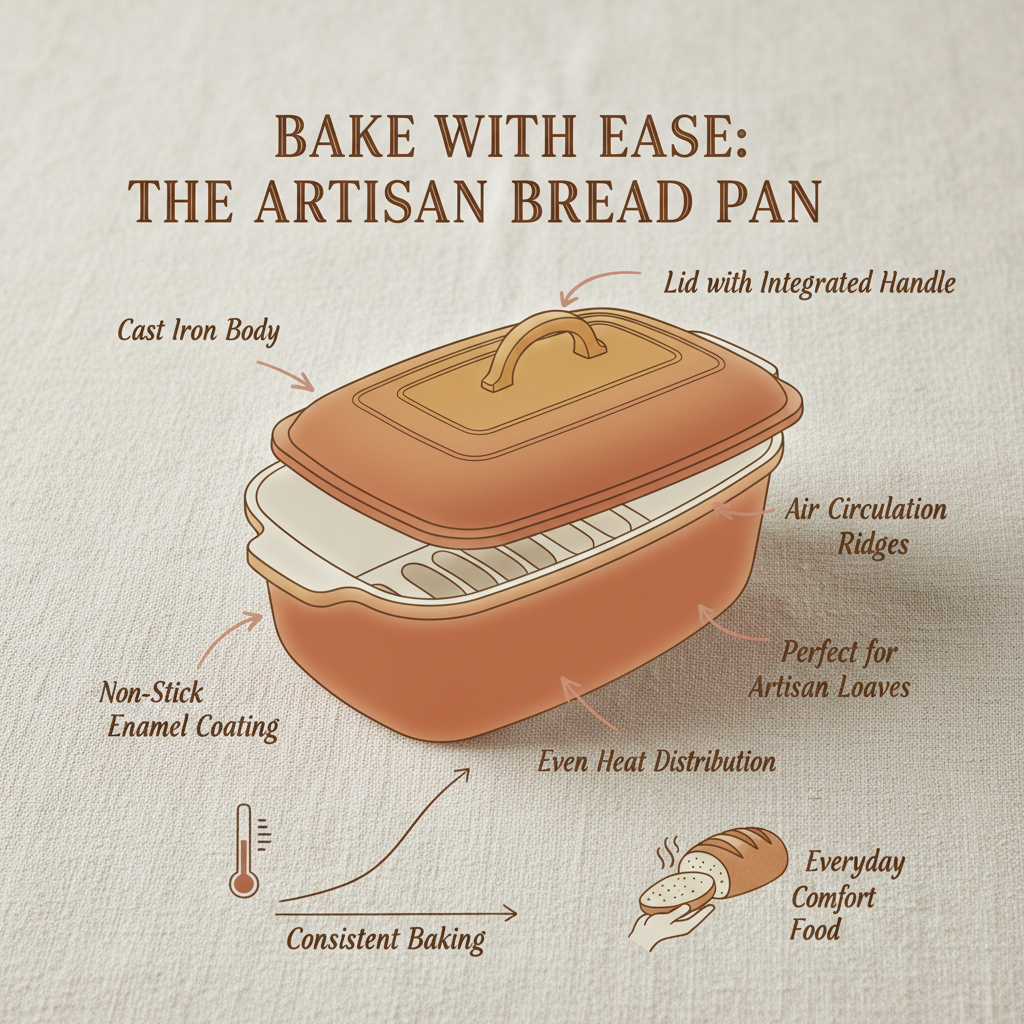
Yes, covering the pan with a lid for the first few minutes of baking can help trap steam and create a softer, more pillowy crust. Remove the lid for the last few minutes to allow the crust to crisp up. This technique is particularly useful for thicker crusts or pizzas with a lot of toppings.
Conclusion
In conclusion, the iron pan pizza represents a beautiful confluence of tradition, technique, and accessibility. It’s more than just a recipe; it's a testament to the power of simple ingredients and mindful cooking. From its humble origins to its modern-day popularity, the iron pan pizza continues to delight and inspire cooks around the world, offering a satisfying and customizable culinary experience.
As interest in home baking and quality ingredients continues to grow, the iron pan pizza is poised to become even more prevalent. Experimenting with different dough formulations, toppings, and cooking techniques unlocks a world of flavor possibilities. We encourage you to embrace the versatility and rewarding simplicity of this classic dish. Visit our website at www.foundryasia.com to explore high-quality cast iron cookware and resources to elevate your iron pan pizza game!