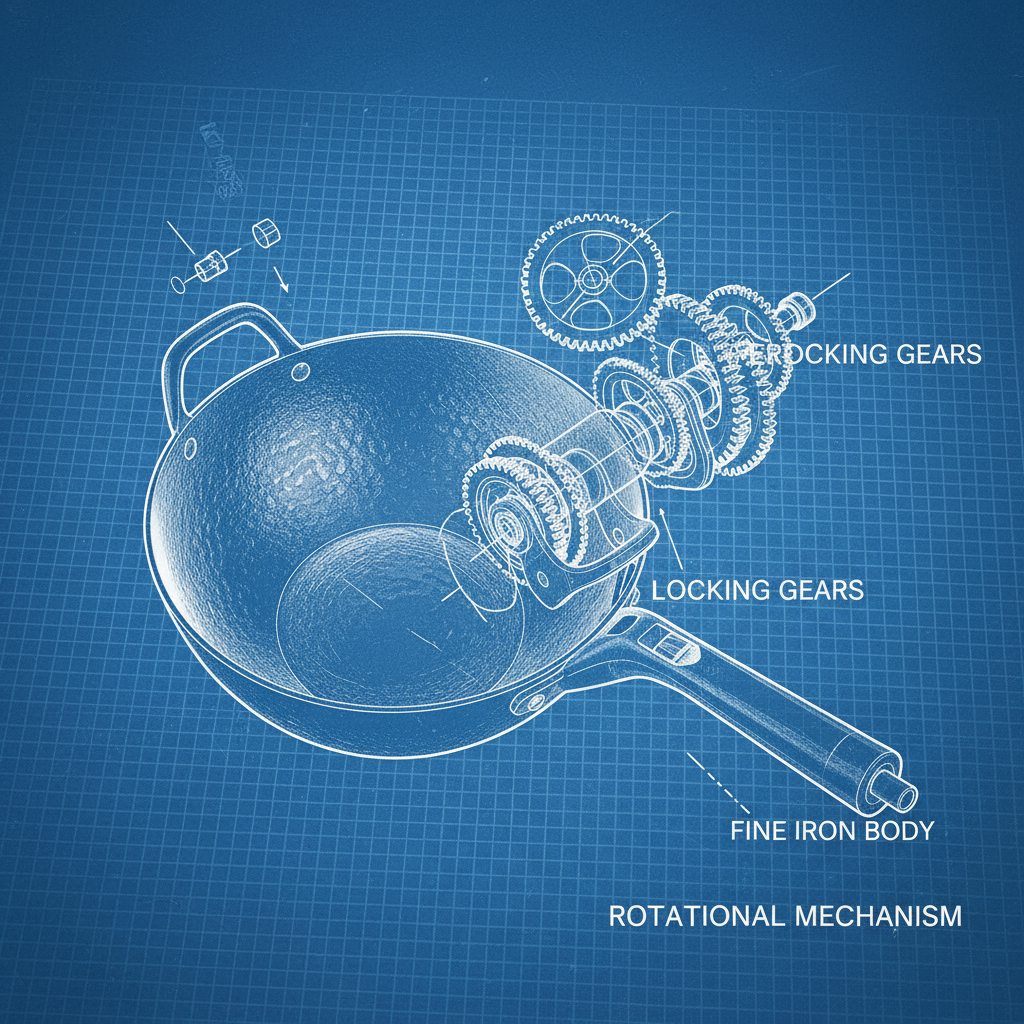
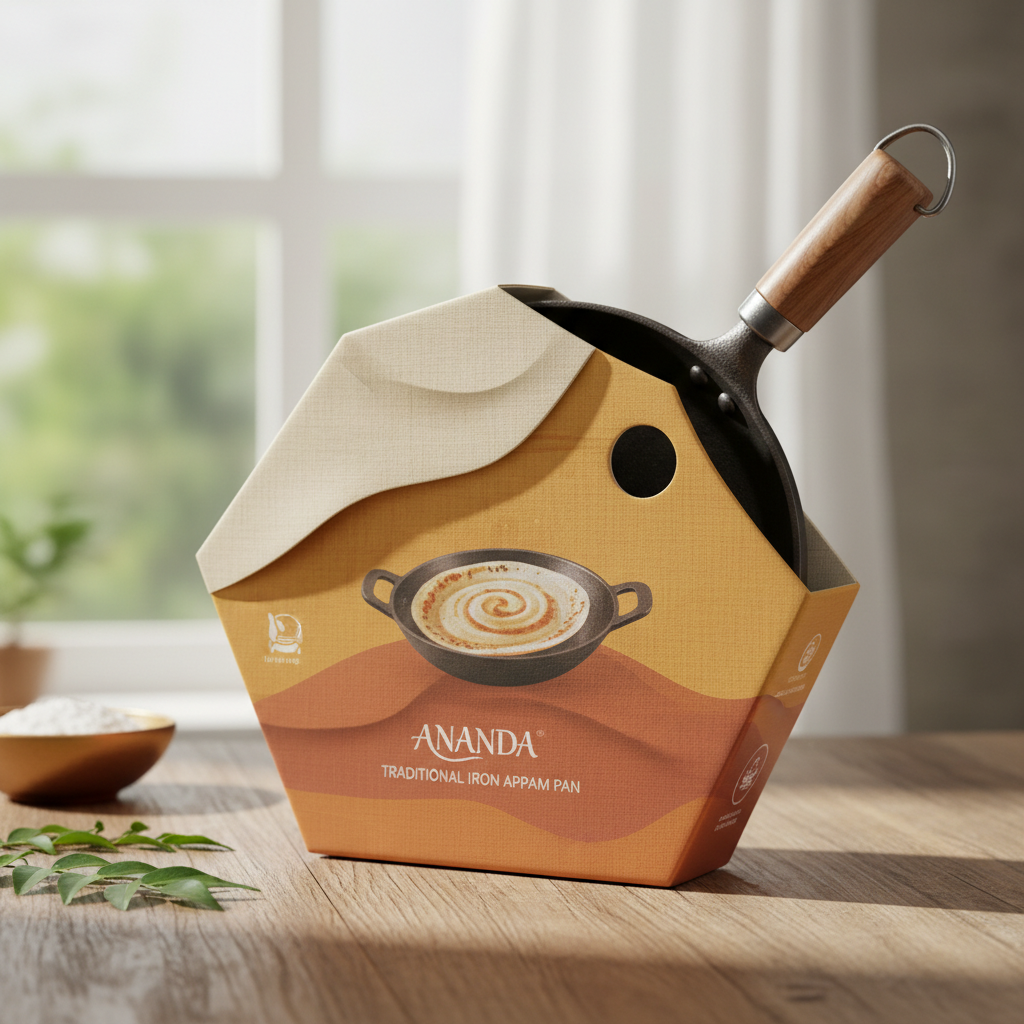
The humble cast iron 9x13 pan represents far more than just cookware; it's a testament to durability, versatility, and a connection to culinary traditions spanning generations. Its robust construction and exceptional heat retention make it a staple in kitchens worldwide, from professional chefs to home cooks. Understanding the properties and applications of cast iron 9x13 is crucial for anyone seeking long-lasting, high-performance kitchenware.
Globally, the demand for reliable and efficient cooking solutions is constantly increasing. While modern materials offer convenience, cast iron 9x13 maintains a significant presence due to its ability to deliver consistent results and withstand the rigors of daily use. The resurgence of interest in heritage cooking and sustainable practices has further bolstered its popularity, making it a vital component of kitchen equipment around the world.
The appeal of a cast iron 9x13 isn't limited to its functionality; it’s also an investment. Its ability to be passed down through families speaks to its longevity and enduring value. This makes it a unique product in a market often driven by rapid turnover and disposable goods.
The Enduring Legacy of cast iron 9x13
The history of cast iron 9x13 cookware stretches back centuries, evolving from rudimentary iron pots to the sophisticated pans we know today. Initially prized for its durability and ability to withstand open flame cooking, it quickly became a kitchen essential. Its consistent performance over time has cemented its place in culinary traditions globally.
Early cast iron manufacturing techniques were laborious and expensive, making these pans status symbols. However, advancements in production methods gradually made cast iron 9x13 accessible to a wider range of households. This shift marked a turning point, transforming it from a luxury item to a ubiquitous kitchen tool.
Understanding the Composition of cast iron 9x13
At its core, a cast iron 9x13 pan is composed primarily of iron, carbon, and silicon. The specific proportions of these elements determine the pan’s characteristics, such as hardness, brittleness, and heat conductivity. The carbon content, typically between 2% and 4%, is crucial for transforming iron into cast iron, enhancing its castability and reducing its melting point.
The manufacturing process typically involves melting iron ore with carbon and silicon in a furnace. This molten metal is then poured into a mold in the shape of the desired pan, allowed to cool and solidify, and subsequently finished and seasoned. The seasoning process creates a protective layer that prevents rust and enhances the pan’s non-stick properties.
Different types of cast iron exist, including gray cast iron (most common for cookware), ductile cast iron (more impact-resistant), and white cast iron (harder but more brittle). The type of cast iron used affects the pan’s strength, durability, and suitability for specific cooking applications.
Core Characteristics of cast iron 9x13
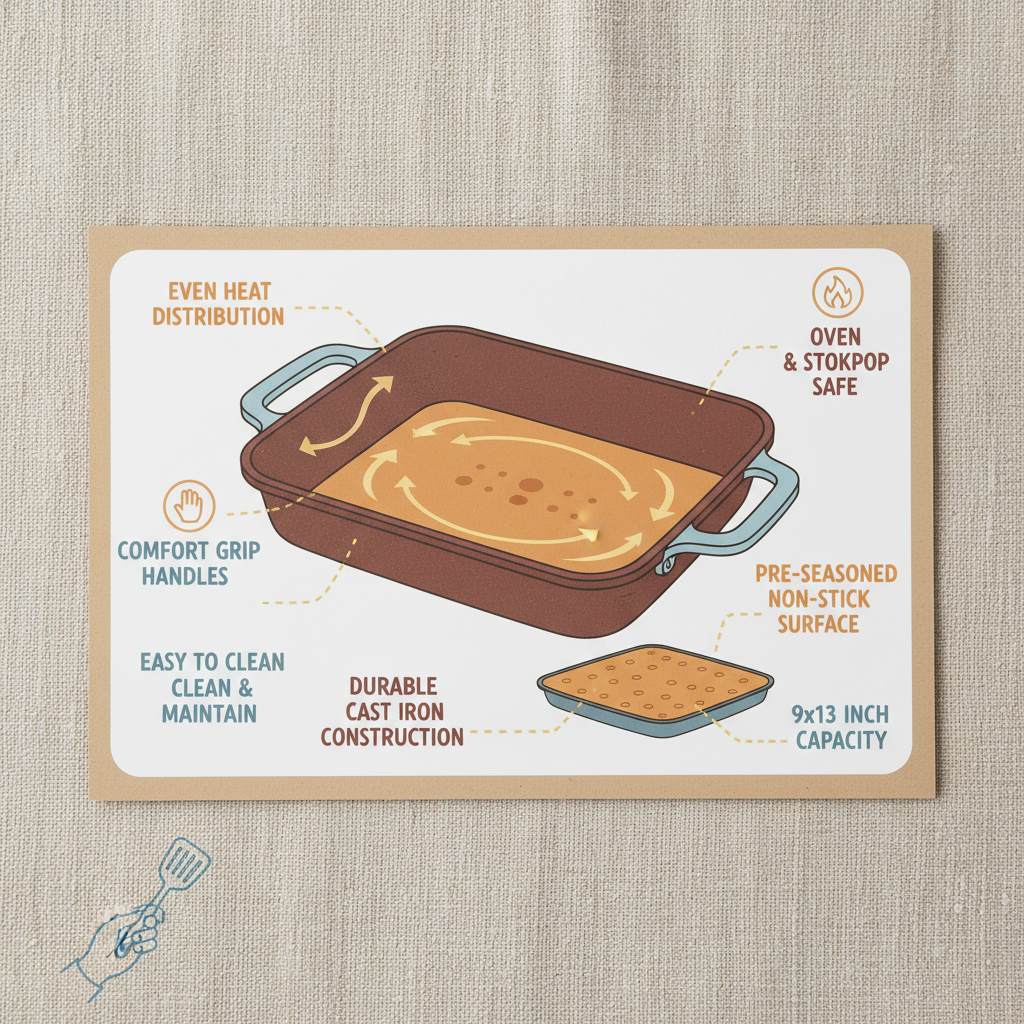
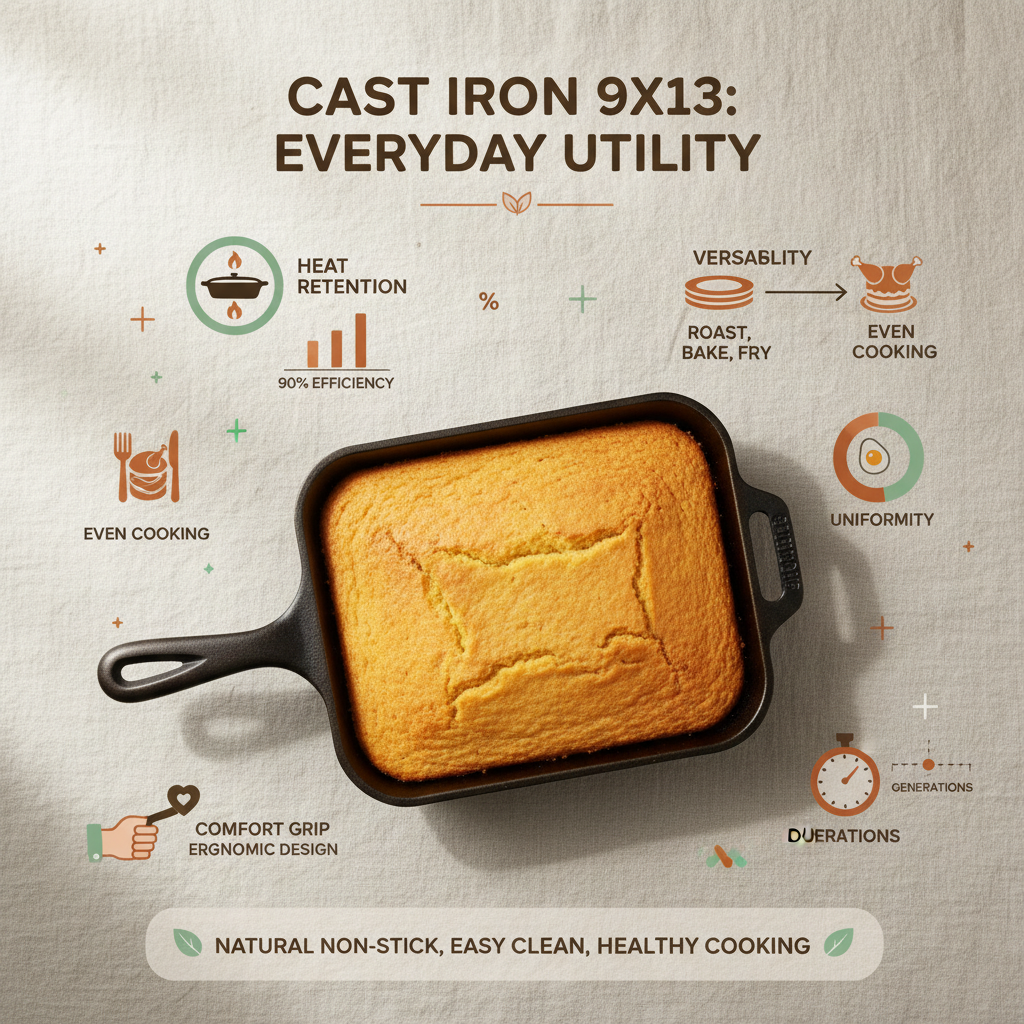
One of the defining characteristics of a cast iron 9x13 pan is its exceptional heat retention. Once heated, it maintains a consistent temperature for extended periods, making it ideal for searing, frying, and baking. This even heat distribution prevents hotspots and ensures uniform cooking.
Durability is another key attribute. Cast iron 9x13 pans are incredibly robust and can withstand high temperatures and rough handling. With proper care, they can last for generations, becoming cherished family heirlooms. They are less prone to warping or denting compared to thinner cookware materials.
Versatility is a significant advantage. A cast iron 9x13 pan can be used on a variety of heat sources, including stovetops (gas, electric, induction), ovens, and even campfires. It’s suitable for a wide range of cooking techniques, from frying and sautéing to baking and braising.
Applications Across Culinary Landscapes
The applications of a cast iron 9x13 pan are incredibly diverse. It’s a favorite among professional chefs for searing steaks, making cornbread, and achieving perfectly crispy skin on poultry. Its ability to maintain high heat makes it ideal for achieving the Maillard reaction, enhancing flavor and texture.
In home kitchens, it’s equally valued for everyday cooking tasks such as frying eggs, sautéing vegetables, and baking casseroles. The even heat distribution ensures consistent results, while the durability provides peace of mind. Its versatility means fewer specialized pans are needed, saving space and money.
Average User Ratings for Different cast iron 9x13 Cooking Methods
Advantages and Long-Term Value Proposition
The economic advantage of a cast iron 9x13 pan is significant. Its exceptional lifespan means you're unlikely to need to replace it, saving money in the long run compared to cheaper, less durable alternatives. This makes it a sustainable and cost-effective investment.
Beyond the financial benefits, there’s a tangible social impact. A well-maintained cast iron 9x13 pan can become a family heirloom, passed down through generations, fostering a sense of connection and tradition. This embodies a commitment to quality and enduring value.
The Future of cast iron 9x13: Innovation and Trends
Modern innovations are breathing new life into cast iron 9x13 cookware. Enameled cast iron offers the benefits of cast iron with the convenience of a non-reactive cooking surface and easier cleaning. This opens up new possibilities for acidic foods and delicate sauces.
Sustainability is also a driving force. Manufacturers are increasingly focusing on eco-friendly production processes and utilizing recycled materials. This aligns with growing consumer demand for environmentally responsible products, ensuring the continued relevance of cast iron in the years to come.
Digital technologies are even playing a role, with smart cast iron pans emerging that incorporate sensors to monitor temperature and provide cooking guidance. These innovations bridge the gap between traditional craftsmanship and modern convenience.
Addressing Challenges and Ensuring Sustainability
One common challenge with cast iron 9x13 pans is their weight. While contributing to their stability, it can make them difficult to handle for some users. Lighter-weight cast iron options are being developed, addressing this concern without compromising durability.
Rust is another potential issue, but easily mitigated through proper seasoning and maintenance. Educating users on best practices for care and cleaning is crucial for maximizing the lifespan of the pan and preventing corrosion.
To ensure sustainability, it’s essential to support manufacturers committed to responsible sourcing of materials and environmentally friendly production processes. Choosing durable, long-lasting products minimizes waste and reduces the environmental footprint.
Summarizing Key Factors Affecting Cast Iron 9x13 Performance
| Manufacturing Process |
Seasoning Quality |
Alloy Composition |
User Maintenance |
| Sand Casting |
Factory Pre-Seasoned |
Standard Gray Cast Iron |
Regular Re-Seasoning |
| Die Casting |
User Seasoned |
Ductile Cast Iron |
Occasional Oil Rub |
| Centrifugal Casting |
Minimal Seasoning |
High Carbon Content |
Avoid Dishwashers |
| Shell Molding |
Advanced Polymer Seasoning |
Silicon-Enhanced Alloy |
Proper Drying After Washing |
| Lost-Wax Casting |
Triple Seasoned |
Chrome-Molybdenum Alloy |
Gentle Cleaning Methods |
| Investment Casting |
Organic Flaxseed Seasoning |
Nickel-Reinforced Alloy |
Avoid Abrasive Cleaners |
FAQS
Seasoning a new cast iron 9x13 pan involves coating it with a thin layer of oil (flaxseed, canola, or vegetable oil are popular choices) and baking it at a high temperature (typically 400-450°F) for an hour. This process polymerizes the oil, creating a protective non-stick layer. Repeat this process several times to build up a strong seasoning. Proper seasoning prevents rust and enhances the pan’s cooking performance.
It’s strongly discouraged to put a cast iron 9x13 pan in the dishwasher. Dishwasher detergents are harsh and will strip away the seasoning, leading to rust. Handwashing with warm water and a soft sponge is the recommended cleaning method. If necessary, use a mild soap and dry the pan thoroughly immediately after washing. A light oiling after drying helps maintain the seasoning.
To remove rust from a cast iron 9x13 pan, start by scrubbing it with steel wool or a scouring pad to remove the loose rust. Then, wash the pan with warm, soapy water. If the rust is stubborn, you can soak the pan in a mixture of vinegar and water (1:1 ratio) for about 30 minutes. After removing the rust, thoroughly dry the pan and re-season it following the seasoning instructions.
A cast iron 9x13 pan excels at cooking a wide variety of foods, particularly those that benefit from high heat and even cooking. These include searing steaks, frying chicken, baking cornbread, roasting vegetables, making pizzas, and braising meats. Its heat retention is also ideal for keeping food warm for extended periods. Avoid cooking highly acidic foods for prolonged periods in a newly seasoned pan.
Yes, cast iron 9x13 cookware is generally considered safe to use. However, older pans may contain trace amounts of lead. Modern cast iron pans are typically made with safer materials. Properly seasoned cast iron is non-reactive and doesn’t leach harmful chemicals into food. Regular seasoning and proper maintenance ensure its safety for cooking.
To prevent rust, store your cast iron 9x13 pan in a dry place. After washing and drying it thoroughly, apply a very thin layer of oil to the cooking surface. You can also place a paper towel inside the pan to absorb any remaining moisture. Avoid stacking other cookware directly on top of the cast iron, as this can damage the seasoning.
Conclusion
From its historical roots to its modern applications, the cast iron 9x13 pan remains a cornerstone of kitchenware. Its exceptional durability, heat retention, and versatility make it a valuable asset for both home cooks and professional chefs. Investing in a cast iron 9x13 pan is not just purchasing cookware; it's acquiring a piece of culinary history and a tool built to last for generations.
Looking ahead, continued innovation in materials and manufacturing processes will further enhance the performance and sustainability of cast iron 9x13 pans. Embracing responsible sourcing, promoting proper maintenance, and exploring new applications will ensure that this timeless cookware remains a cherished staple in kitchens worldwide. Visit our website at Foundry Asia to explore our range of cast iron cookware.