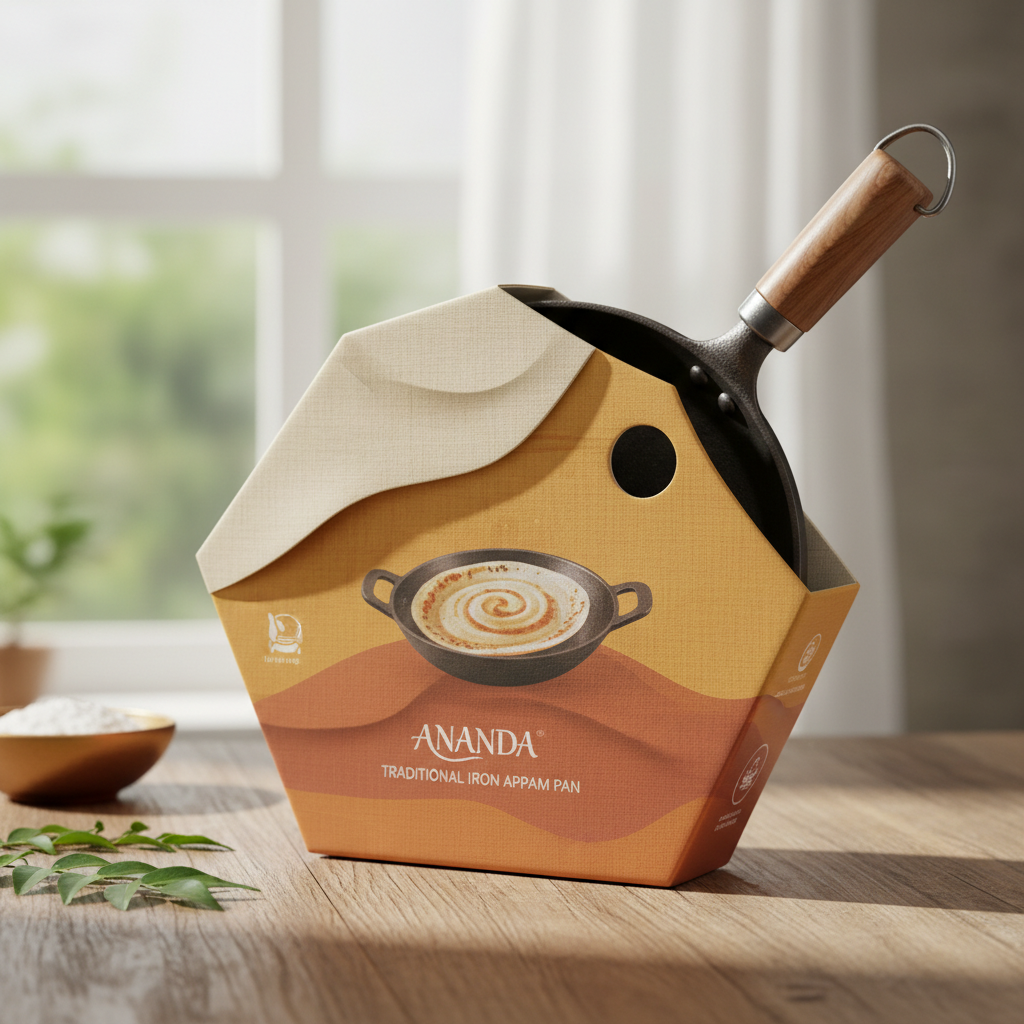
The iron appam pan, a staple in South Indian cuisine, is experiencing a global resurgence. Beyond its culinary applications, its robust construction and traditional manufacturing processes offer a fascinating lens through which to examine material science, cultural heritage, and sustainable practices. Understanding the nuances of this seemingly simple cooking tool unlocks insights into regional economies, culinary traditions, and the enduring appeal of handcrafted goods. The increasing demand for authentic cooking experiences worldwide fuels the continued relevance of the iron appam pan.
Historically, the iron appam pan was crafted by local artisans, passing down techniques through generations. Today, while mass production exists, many consumers actively seek out traditionally made pans, valuing the quality and durability that come with skilled craftsmanship. The resurgence isn’t merely nostalgic; it reflects a broader movement towards appreciating traditional methods in a world increasingly dominated by industrial production. This artisanal aspect provides economic opportunities for communities involved in its creation and preservation.
The enduring popularity of the iron appam pan speaks to its functional design and the delicious results it consistently delivers. Its unique concave shape is perfectly suited for creating the crispy-edged, soft-centered appams that are a beloved breakfast and dinner staple. The heavy iron construction ensures even heat distribution, crucial for achieving the ideal texture. This combination of functionality and culinary outcome explains the iron appam pan’s widespread appeal.
The Cultural Significance of the Iron Appam Pan
The iron appam pan is far more than just a cooking utensil; it’s a cultural artifact deeply intertwined with the culinary traditions of Kerala and Tamil Nadu in India. Passed down through generations, it represents a connection to ancestral cooking practices and family heritage. The preparation of appams themselves is often a communal activity, reinforcing social bonds and shared culinary experiences.
Its cultural significance extends to festivals and special occasions, where appams are a quintessential dish. The pan itself is often treated with respect, carefully seasoned and maintained as a valuable possession. This cultural reverence contributes to the demand for authentic, traditionally crafted iron appam pans, even in a globalized market.
Defining the Iron Appam Pan
Simply put, an iron appam pan is a shallow, bowl-shaped pan, typically made of cast iron, used specifically for making appams – a type of South Indian pancake. Its distinctive concave shape and heavy construction are crucial to achieving the appam’s characteristic crispy edges and soft, fluffy center. The pan’s surface is typically well-seasoned through repeated use, creating a natural non-stick coating.
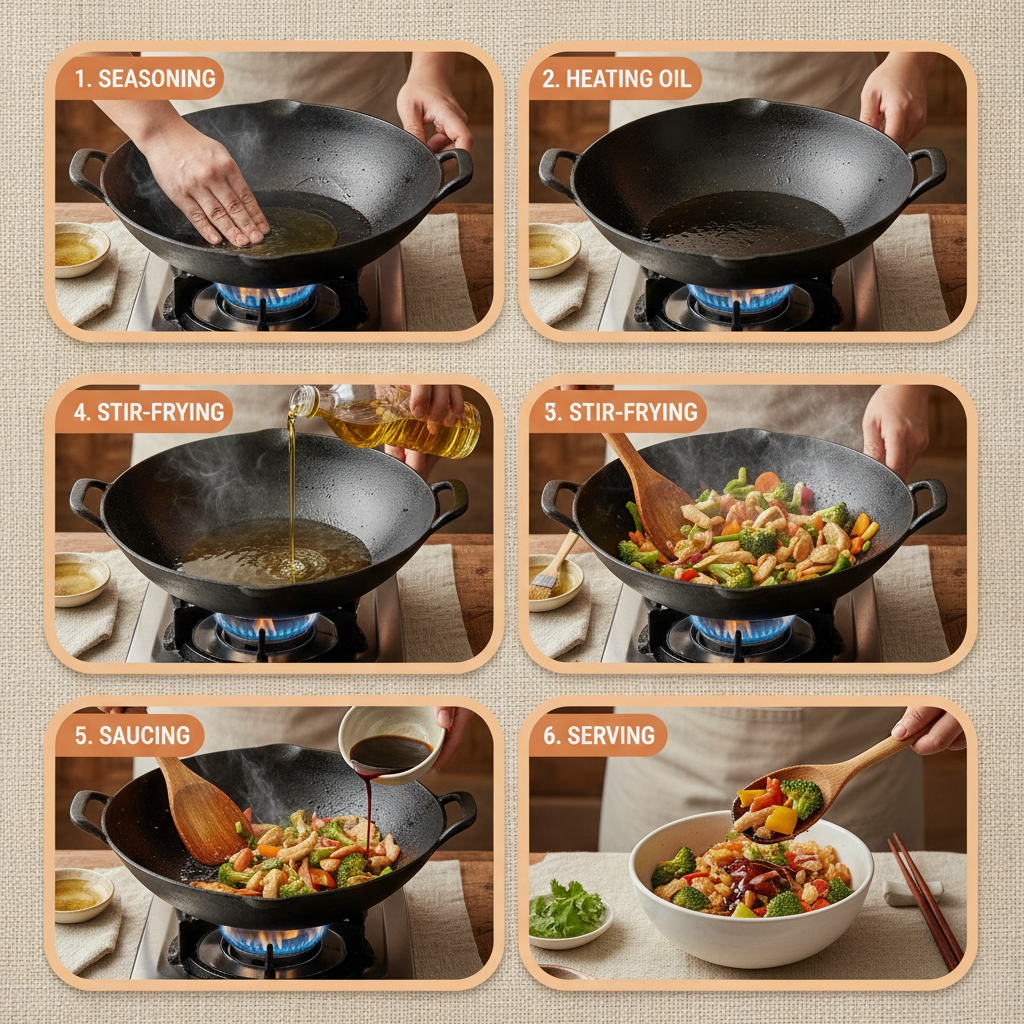
Unlike non-stick pans, the iron appam pan requires proper seasoning and maintenance to prevent rusting and ensure optimal performance. This seasoning process, involving heating the pan with oil, creates a polymerized layer that protects the iron and provides a natural non-stick surface. This contributes to its longevity and sustainable nature.
The connection to modern industry and humanitarian needs is less direct, but the principles of durable, locally sourced cookware are increasingly relevant in discussions around food security and sustainable living. The iron appam pan embodies a simpler, more resilient approach to cooking that aligns with these values.
Core Components and Manufacturing
The primary component of an iron appam pan is, of course, cast iron. The quality of the iron ore and the casting process significantly impact the pan’s durability and heat distribution. Traditionally, pans were hand-cast by skilled artisans, meticulously shaping the molten iron. Modern manufacturing often involves mechanized processes, but the fundamental principles remain the same.
Seasoning is another critical component. This process, traditionally done with coconut oil, creates a protective layer and imparts a subtle flavor to the appams. The seasoning also contributes to the pan's natural non-stick properties, reducing the need for added fats during cooking. A well-seasoned pan will darken and become smoother with each use.
The shape of the pan is also crucial. The concave design is specifically engineered to hold the appam batter as it cooks, allowing for the formation of the characteristic crispy edges. Variations in the size and depth of the pan exist, catering to different regional preferences and cooking styles.
Durability and Heat Retention
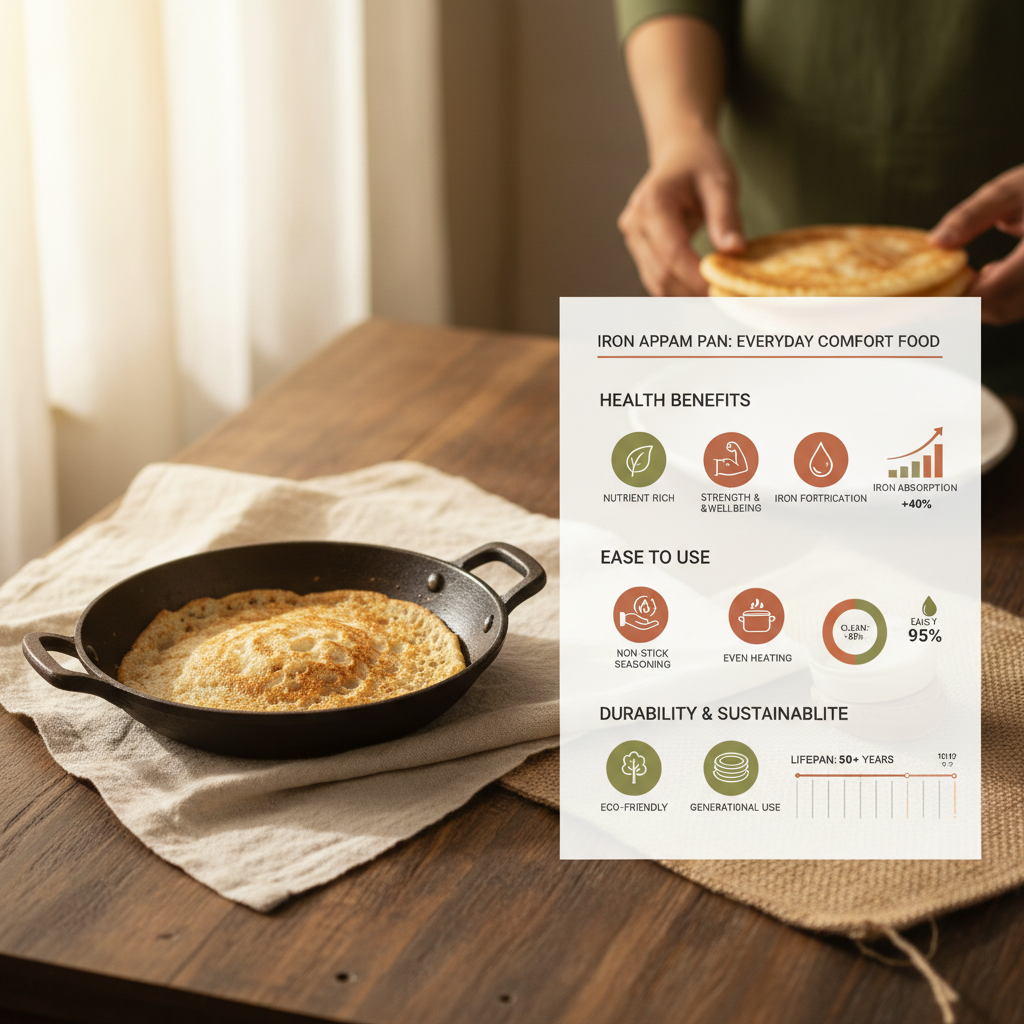
One of the most significant advantages of the iron appam pan is its exceptional durability. With proper care, a well-maintained pan can last for generations, becoming a cherished family heirloom. Unlike non-stick coatings that degrade over time, cast iron is incredibly resilient and can withstand high temperatures without warping or cracking.
Its superior heat retention is equally important. The iron absorbs and distributes heat evenly, ensuring that appams cook consistently and develop a perfectly crispy exterior. This even heat distribution is a key factor in achieving the desired texture and flavor.
Iron Appam Pan Performance Metrics
Global Culinary Applications
While deeply rooted in South Indian cuisine, the appeal of the iron appam pan is expanding globally. Chefs and home cooks alike are discovering its versatility beyond traditional appams. It can be used to create a variety of other dishes, including pancakes, crepes, and even shallow-fried vegetables.
In post-disaster relief operations, durable cookware like the iron appam pan can provide a reliable means of preparing meals, contributing to food security and well-being. Its simple construction and ability to withstand harsh conditions make it a practical choice in challenging environments.
Long-Term Value and Sustainability
The iron appam pan represents a sustainable alternative to disposable cookware. Its longevity minimizes the need for frequent replacements, reducing waste and resource consumption. Furthermore, cast iron is a recyclable material, further enhancing its environmental credentials.
The investment in a high-quality iron appam pan is a long-term one. Its durability and versatility translate to years of reliable use, saving consumers money over time. The ability to pass it down through generations adds an emotional value that transcends its monetary worth.
From a social impact perspective, supporting traditional artisans who craft these pans helps preserve cultural heritage and provides economic opportunities for local communities. This contributes to a more equitable and sustainable food system.
Innovations and Future Trends
While the core design of the iron appam pan remains largely unchanged, innovations in seasoning techniques and pre-seasoned pans are making it more accessible to modern cooks. The development of lighter-weight cast iron alloys could also address concerns about the pan’s weight.
The growing interest in zero-waste cooking and sustainable living is likely to further drive demand for durable, long-lasting cookware like the iron appam pan. Increased awareness of the health benefits of cooking with cast iron – such as adding iron to the diet – may also contribute to its popularity.
Digital platforms are also playing a role, with online communities sharing tips and recipes for using and maintaining iron appam pans, fostering a global network of enthusiasts.
Analysis of Iron Appam Pan Manufacturing Processes
| Manufacturing Method |
Cost Efficiency (1-10) |
Environmental Impact (1-10) |
Product Quality (1-10) |
| Traditional Hand Casting |
4 |
7 |
9 |
| Automated Casting |
8 |
5 |
7 |
| Semi-Automated Casting |
6 |
6 |
8 |
| Recycled Iron Casting |
7 |
9 |
8 |
| Seasoning with Coconut Oil (Traditional) |
5 |
8 |
9 |
| Industrial Pre-Seasoning |
9 |
4 |
6 |
FAQS
The traditional method involves heating the pan with coconut oil over medium heat until it smokes, then letting it cool. Repeat this process several times. This builds up a natural, polymerized coating that prevents rusting and creates a non-stick surface. Ensure even coverage and wipe off any excess oil. Proper seasoning is key to maximizing the pan’s performance and longevity, as well as enhancing the flavor of your appams.
Rust is the enemy of cast iron! After each use, ensure the pan is thoroughly dried. A light coating of oil is crucial to prevent moisture from causing rust. Avoid washing it with harsh detergents, as they can strip away the seasoning. If rust does appear, scrub it off with steel wool, re-season the pan, and follow the drying and oiling steps diligently.
While traditionally avoided, a small amount of mild dish soap can be used if necessary, but it's best to minimize its use. Harsh detergents can damage the seasoning. If you do use soap, be sure to thoroughly rinse and dry the pan immediately, followed by a light oil coating to restore the protective layer.
Cast iron's superior heat retention and even heat distribution are crucial for achieving the perfect appam texture – crispy edges and a soft, fluffy center. Other materials, like stainless steel or non-stick, don't heat as evenly or retain heat as effectively. The weight of the cast iron also helps to create the necessary pressure for proper cooking.
With proper care and maintenance, an iron appam pan can last for generations! It’s not uncommon for families to pass down these pans as heirlooms. Its inherent durability and the ability to re-season it indefinitely mean it's a truly sustainable kitchen investment.
Authentic iron appam pans can be found online through specialized retailers and marketplaces. You can find a great selection at iron appam pan. Look for pans made by traditional artisans for the highest quality and durability. Be sure to check reviews and consider the pan's weight and dimensions to ensure it meets your needs.
Conclusion
The iron appam pan is more than just a kitchen tool; it’s a testament to the enduring appeal of traditional craftsmanship, sustainable practices, and delicious food. Its durability, versatility, and cultural significance make it a valuable asset for both home cooks and professional chefs. Understanding its history, construction, and proper maintenance unlocks a world of culinary possibilities.
Investing in an iron appam pan is an investment in quality, tradition, and a more sustainable future. We encourage you to explore the rich culinary heritage of South India and experience the joy of cooking with this remarkable piece of cookware. Visit our website at www.foundryasia.com to learn more and find the perfect iron appam pan for your kitchen.