• 150m Southwards, West DingWei Road, Nanlou Village, Changan Town, GaoCheng Area, Shijiazhuang, HeBei, China
  • monica@foundryasia.com
0%

Table of Contents

The humble iron loaf pan, often overlooked, represents a cornerstone of modern baking and food preparation. Beyond its simple function of creating perfectly formed loaves of bread, it embodies a blend of traditional craftsmanship, material science, and culinary artistry. Its enduring popularity stems from its exceptional heat retention, even heat distribution, and durability, making it a staple in kitchens around the globe. Understanding the qualities of an iron loaf pan provides insight into effective baking techniques and contributes to better culinary results.

Globally, the demand for reliable and efficient baking tools like the iron loaf pan is consistently high. With a world population exceeding 8 billion, the need for stable food production and preparation is paramount. The United Nations estimates that over 828 million people face food insecurity, highlighting the importance of tools that contribute to effective food preparation and preservation. Iron loaf pans play a role in both commercial and domestic baking, supporting a vast network of bakeries and home cooks.

The rise in artisanal baking and home cooking, fueled by culinary shows and social media trends, has further amplified the demand for quality baking equipment. This trend underscores the value placed on traditional methods and the desire for authentic flavors, where an iron loaf pan’s characteristics are highly valued. The demand for durable, long-lasting tools, as opposed to disposable alternatives, also contributes to the continued relevance of the iron loaf pan.
The Enduring Appeal of the Iron Loaf Pan for Baking Excellence

The Significance of Iron Loaf Pans

The Enduring Appeal of the Iron Loaf Pan for Baking Excellence

The iron loaf pan isn't merely a baking utensil; it’s a testament to the enduring effectiveness of traditional materials. Cast iron's unique properties contribute to superior baking results, especially for breads that require consistent, even heat. The increasing popularity of sourdough baking, for example, directly correlates to the preference for cast iron due to its ability to maintain high temperatures and create a crispy crust.

Moreover, its longevity makes the iron loaf pan a sustainable choice. Unlike non-stick alternatives that degrade over time, a well-maintained iron loaf pan can last for generations, reducing waste and contributing to a more eco-conscious lifestyle. This durability, coupled with its superior performance, elevates the iron loaf pan beyond a simple kitchen tool.

Defining the Iron Loaf Pan

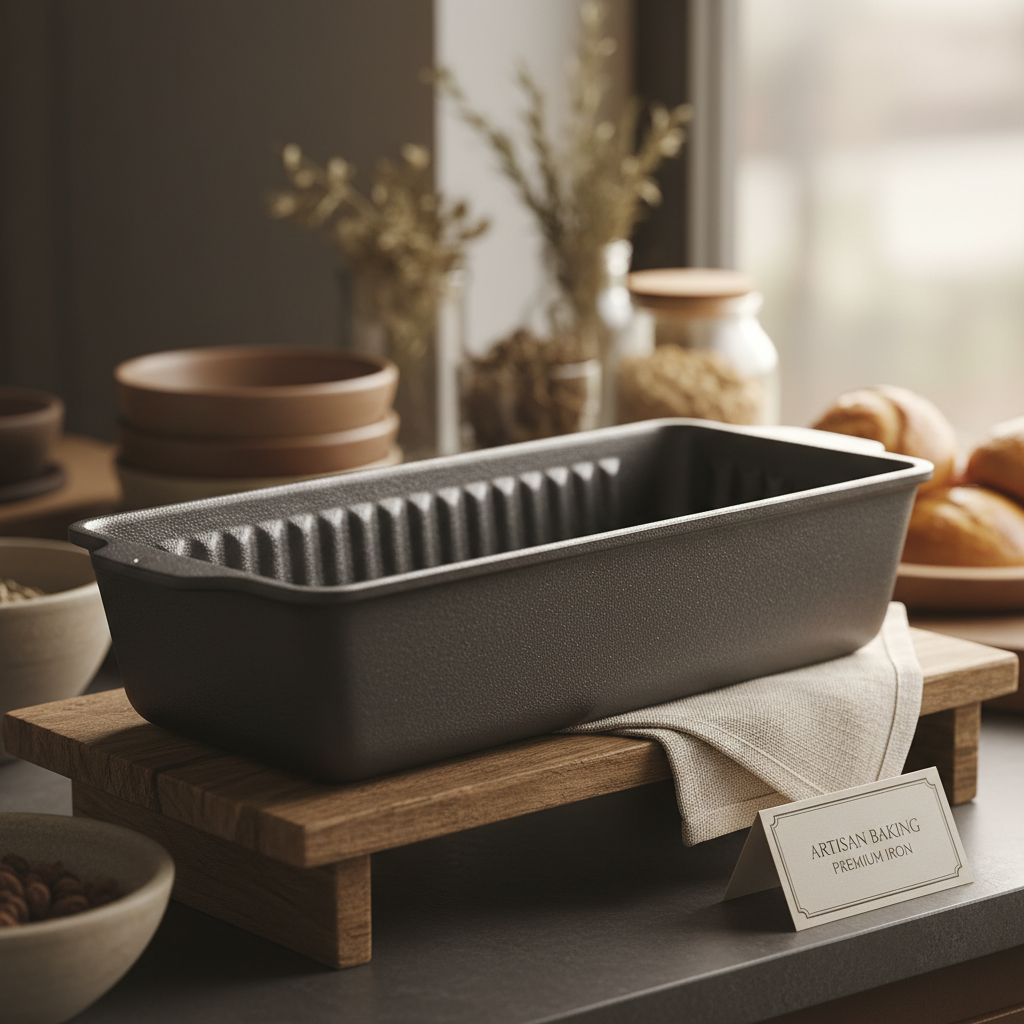
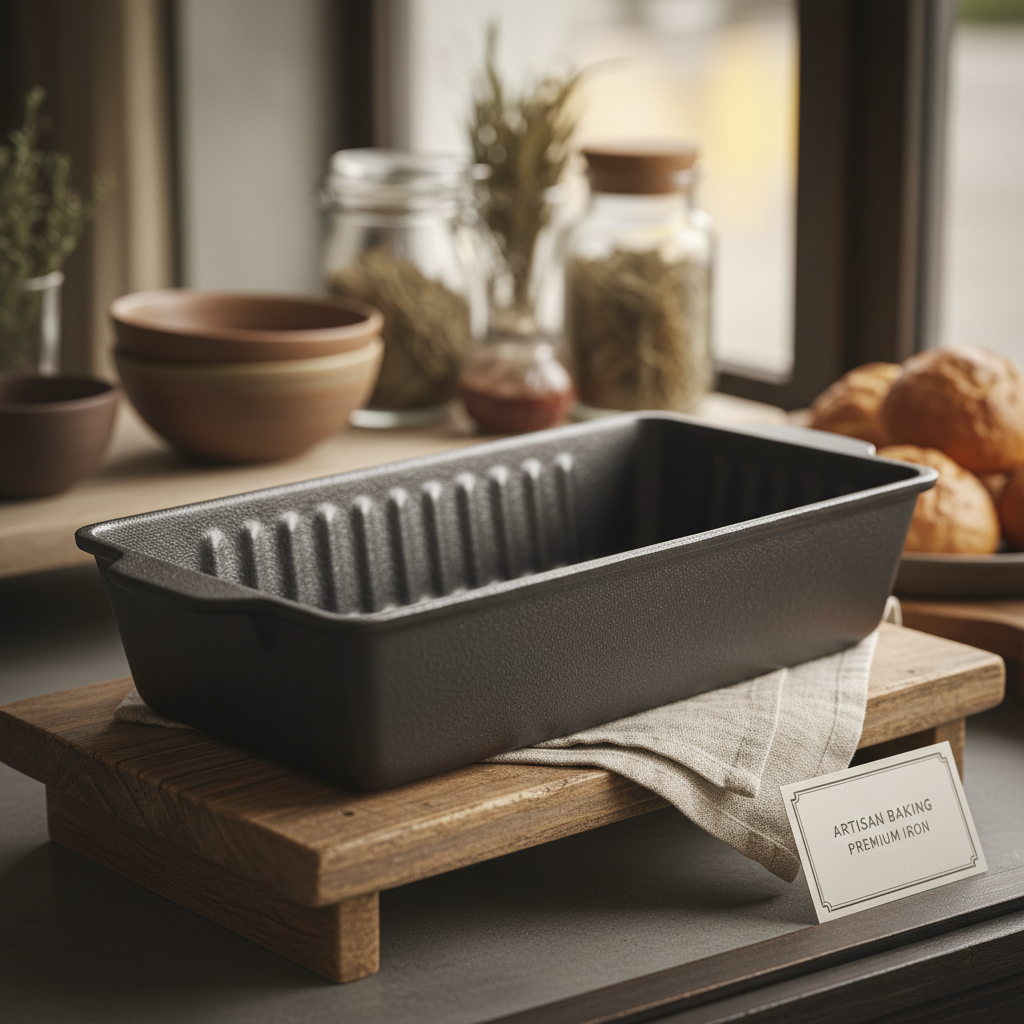
An iron loaf pan is a baking pan typically constructed from cast iron, known for its excellent heat retention and distribution capabilities. It’s designed specifically for baking loaf-shaped foods, most commonly bread, but also suitable for cakes, meatloaf, and even desserts. The pan's construction generally involves a solid base and walls, often with slightly sloped sides to facilitate easy loaf removal.

Historically, iron loaf pans were essential in traditional baking practices. Before the advent of modern ovens and precise temperature control, cast iron provided bakers with a reliable means of achieving consistent baking results. Today, it remains a favorite amongst both professional bakers and home enthusiasts.

The connection to modern industry lies in the demand for high-quality, durable baking equipment that can withstand the rigors of commercial use. Foundries specializing in cast iron cookware, like those producing iron loaf pans, contribute to the culinary supply chain, ensuring that bakeries and kitchens worldwide have access to reliable and long-lasting tools.

Key Characteristics of Iron Loaf Pans

Durability is perhaps the most defining characteristic of the iron loaf pan. Properly seasoned cast iron is incredibly robust and resistant to damage, allowing it to withstand years, even decades, of heavy use. This longevity makes it a worthwhile investment compared to less durable alternatives.

Heat retention is another crucial factor. Cast iron excels at absorbing and retaining heat, ensuring that baked goods cook evenly and develop a beautiful crust. This is particularly important for bread baking, where consistent heat is essential for proper rising and crumb development.

Even heat distribution prevents hotspots, ensuring that the entire loaf bakes uniformly. This eliminates the risk of burnt edges or undercooked centers, leading to consistently excellent results. The gradual heating and cooling also minimizes thermal shock.

Applications and Versatility

The primary application of an iron loaf pan is, of course, baking bread. It's especially suited for artisan breads, sourdoughs, and crusty loaves where a crispy exterior and soft interior are desired. Beyond bread, it is also frequently used for baking cakes, brownies, and even cornbread.

Iron Loaf Pan Performance Metrics


Global Usage and Regional Variations

The iron loaf pan finds widespread use across the globe, with regional variations in baking traditions influencing its specific application. In Europe, particularly in countries like France and Germany, cast iron loaf pans are highly valued for baking traditional sourdough breads, rye breads, and other artisan loaves.

In North America, they are popular for baking quick breads, meatloafs, and even desserts. In Asia, where rice is a staple, iron loaf pans are seeing increasing adoption with the growing popularity of Western-style baked goods. The versatility of this tool adapts seamlessly to diverse culinary preferences worldwide.

Benefits and Long-Term Value

The benefits of using an iron loaf pan extend beyond simply achieving well-baked goods. The cost-effectiveness over the lifespan of the pan is significant, given its durability and resistance to wear. It eliminates the need for frequent replacements, resulting in long-term savings.

Sustainability is another key advantage. Choosing cast iron over disposable baking pans reduces waste and contributes to a more environmentally conscious lifestyle. The emotional value of a well-maintained iron loaf pan also plays a role – it can become a treasured family heirloom, passed down through generations.

The reliability of consistent baking results builds trust and confidence in the baker, enhancing the overall cooking experience.

Future Trends and Innovations

Future trends point towards a greater emphasis on sustainable materials and manufacturing processes in the production of iron loaf pans. Innovations in seasoning techniques, such as pre-seasoned pans and improved seasoning oils, are making cast iron more accessible to novice users.

Digital integration is also emerging, with some manufacturers incorporating smart sensors into their pans to monitor temperature and provide real-time feedback to bakers. The application of automation in foundry processes could further enhance production efficiency and reduce manufacturing costs, contributing to wider accessibility.

The push towards green energy in manufacturing is a critical trend, reducing the carbon footprint associated with the production of cast iron.

Summary of Iron Loaf Pan Quality Control Measures

Material Composition Seasoning Quality Dimensional Accuracy Surface Finish
Iron Purity (%) Coating Thickness (microns) Length Tolerance (mm) Roughness (Ra)
98.5% 15-20 ±0.5 0.8
99.2% 20-25 ±0.3 0.5
97.8% 12-17 ±0.7 1.2
98.9% 18-23 ±0.4 0.7
99.5% 22-27 ±0.2 0.3

FAQS

What is the best way to season an iron loaf pan?

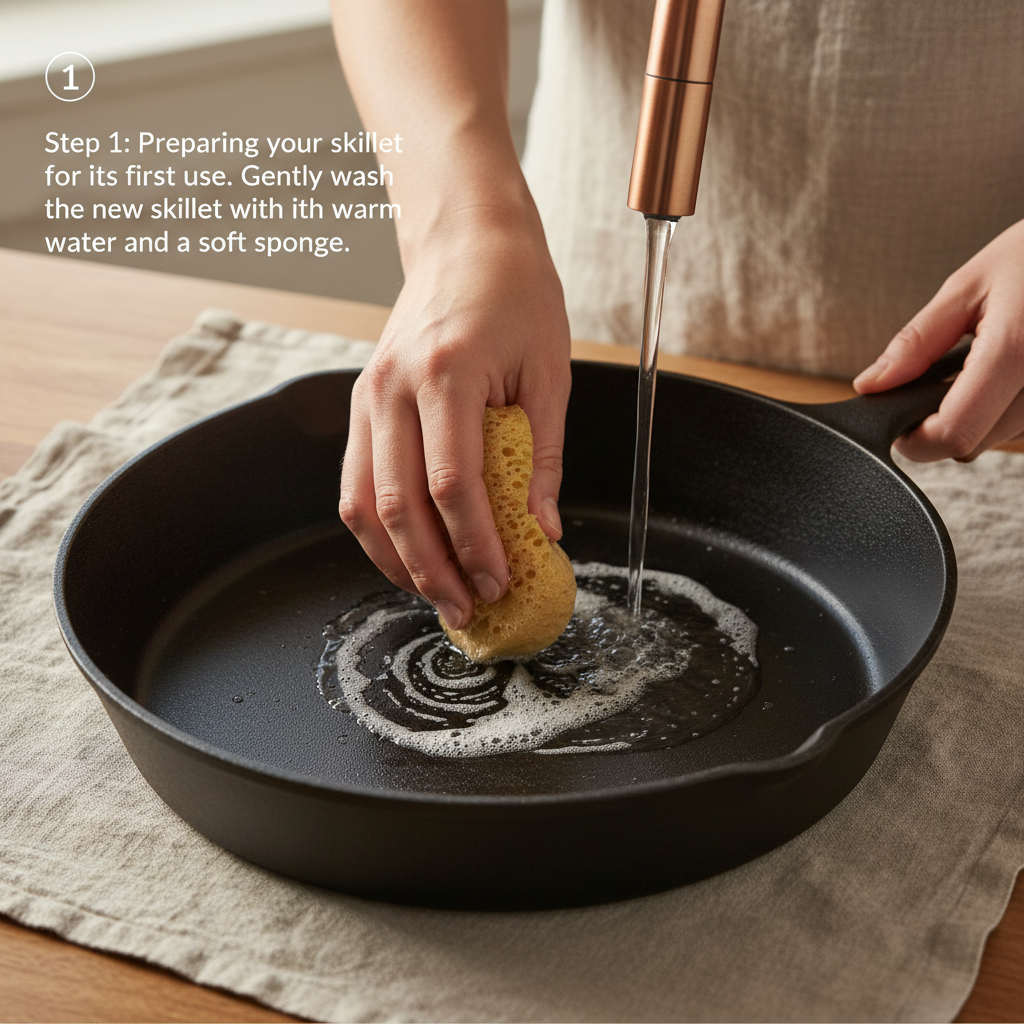
Proper seasoning is crucial for preventing rust and creating a non-stick surface. Start by washing the pan with mild soap and water, then thoroughly dry it. Apply a thin, even coat of cooking oil (flaxseed, canola, or vegetable oil work well) to all surfaces, inside and out. Wipe off any excess oil. Bake the pan upside down in a preheated oven at 350-400°F (175-200°C) for one hour. Let it cool completely in the oven. Repeat this process 2-3 times for a robust seasoning.

How do I prevent my bread from sticking to my iron loaf pan?

Ensuring a well-seasoned pan is the first step. Before baking, generously dust the pan with flour, rice flour, or a mixture of both. Alternatively, you can line the pan with parchment paper, leaving some overhang to easily lift the loaf out. Avoid using spray oils, as they can leave a sticky residue. Remember that a properly seasoned pan will become more non-stick with each use.

Can I use soap on my iron loaf pan?

While traditionally avoided, mild soap can be used sparingly on a well-seasoned iron loaf pan. Harsh detergents should be avoided as they can strip the seasoning. Rinse the pan thoroughly and dry it immediately to prevent rust. Re-season the pan occasionally to maintain its protective coating.

What is the lifespan of a good quality iron loaf pan?

A high-quality iron loaf pan, with proper care and maintenance, can last for generations – potentially a lifetime or even longer. Its durability far exceeds that of non-stick alternatives, making it a sustainable and cost-effective investment. Regular seasoning and preventing rust are key to maximizing its lifespan.

How do I remove rust from my iron loaf pan?

If rust develops, use steel wool or a scouring pad to remove it thoroughly. Wash the pan with mild soap and water, then dry it completely. Re-season the pan by applying a thin coat of oil and baking it in the oven as described in the seasoning instructions. Prevention is key – always dry the pan immediately after washing and season it regularly.

Is cast iron safe to use for cooking?

Yes, cast iron is generally considered very safe for cooking. It can leach small amounts of iron into food, which can be beneficial for individuals with iron deficiencies. However, older pans may contain lead; if you are concerned, have the pan tested. Modern iron loaf pans are typically made with safe materials and are a healthy choice for cooking.

Conclusion

In conclusion, the iron loaf pan represents more than just a baking tool – it’s a symbol of culinary tradition, durability, and sustainability. Its ability to deliver consistently excellent baking results, coupled with its long lifespan and environmental benefits, makes it an invaluable addition to any kitchen. Understanding its characteristics and proper care ensures that this heirloom-quality item will provide years of reliable service.

Looking ahead, innovations in materials and manufacturing will continue to enhance the performance and accessibility of iron loaf pans. By embracing sustainable practices and utilizing modern technologies, the legacy of the iron loaf pan will endure for generations to come. Visit our website at www.foundryasia.com to explore our selection and discover the benefits for yourself.
William Davis

William Davis

William Davis leads our Research and Development team of 30 individuals. He’s a seasoned engineer with a passion for innovation in cast iron cookware design and manufacturing. William focuses on developing new product lines, such as specialized grill pans and woks, and improving existing designs based on market feedback. He
Previous Exploring the Versatility and Rich History of the Comal Skillet
Next The Enduring Appeal of the Iron Cake Pan for Baking Excellence