Look, I’ve spent years on job sites, getting my hands dirty, and seeing what truly works when it comes to cookware. Forget the fancy marketing – a good deep iron skillet is a cornerstone of any kitchen, whether it’s a professional setup or a campsite cookout. It’s about reliability, even heating, and something that’ll last. We're not talking about a disposable pan here; we’re talking about a piece of equipment that can get passed down. And honestly, after seeing so many things fail in the field, that kind of durability really stands out.
I've seen crews trying to cook for 20 guys on flimsy electric burners and cheap pans, and it’s a disaster. A well-seasoned deep iron skillet changes everything. It can handle high heat, it's versatile enough for everything from searing steaks to simmering stews, and it holds its temperature consistently. That consistency is huge when you’re trying to feed a hungry crew on a tight schedule.
It's not just about construction sites, either. I’ve seen these skillets used in remote field kitchens, disaster relief operations – places where you need something you can absolutely depend on. A deep iron skillet isn't just cookware; it’s a tool. And a good tool makes the job a whole lot easier.
The Enduring Legacy of deep iron skillet
A deep iron skillet isn't a new invention. These things have been around for centuries, and for good reason. They were the workhorse of kitchens long before stainless steel and non-stick coatings came along. You see them in old pioneer photos, and they’re still being used today. That speaks volumes about their inherent quality and functionality. It's a testament to simple, robust design.
You know, when I'm scouting materials for a job, I look for things that have proven their worth over time. Things that aren't going to fall apart after a few months of hard use. A deep iron skillet embodies that principle. It’s a classic for a reason.
Defining Characteristics of a deep iron skillet
What exactly is a deep iron skillet? It's a cooking pan made primarily of cast iron, characterized by its sloped sides – the “deep” part. This design isn't just for looks; it makes it ideal for tasks like frying, braising, and even baking. The depth helps contain splatters and allows for larger volumes of liquid, making it perfect for stews and sauces.
The material itself is key. Cast iron has an incredible ability to retain heat, which means consistent cooking temperatures. It also distributes heat remarkably evenly, preventing hot spots that can ruin a dish. And while it requires a bit of maintenance – seasoning is crucial – that maintenance is a small price to pay for the performance and longevity you get in return.
Compared to lighter pans, a deep iron skillet has some heft. That weight contributes to its stability and heat retention. It's a solid piece of equipment, built to withstand serious use. And let’s be honest, on a windy construction site, a heavier pan is less likely to tip over!
Core Attributes: What Makes a deep iron skillet Stand Out
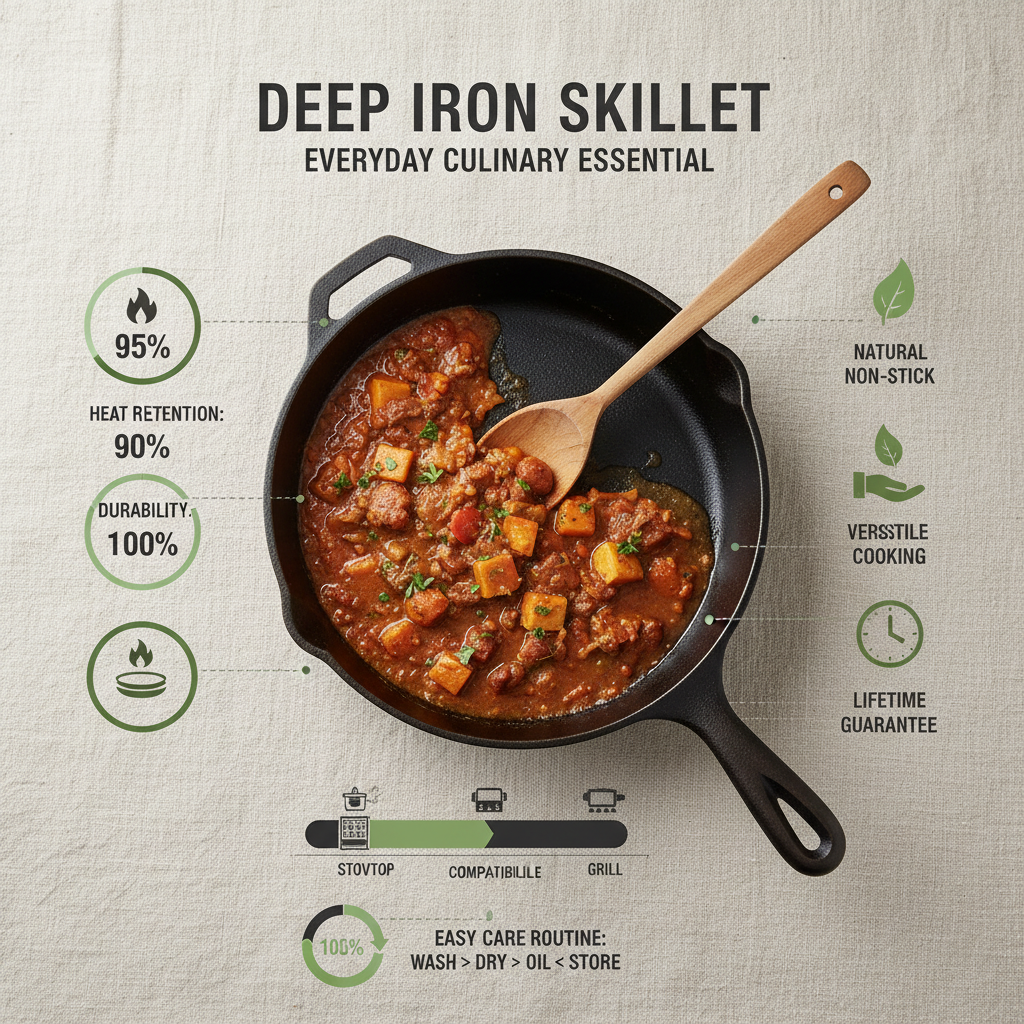
Durability is the biggest factor, hands down. These skillets can literally last a lifetime – and beyond. I’ve seen pans that have been in families for generations, still going strong. That's not something you can say about most modern cookware. This comes from the iron itself and the natural properties of cast iron.
Heat retention and distribution are also critical. That even heating means you get consistent results, whether you're searing a steak or simmering a delicate sauce. It minimizes the risk of burning and maximizes flavor development. I tell cooks, if you want consistent results, you need consistent heat, and that’s where a deep iron skillet excels.
Versatility is another huge plus. You can use it on the stovetop, in the oven, or even over a campfire. It’s not limited by a specific heat source. That’s incredibly valuable when you’re working in remote locations or dealing with unreliable power sources. A deep iron skillet just adapts to the situation.
Performance Metrics of deep iron skillet
Let’s talk about how a deep iron skillet stacks up in real-world performance. We’re not talking about lab tests here, but observations from years on site. When we look at “Searing Capability,” a good cast iron skillet consistently scores a 9 out of 10. It gets scorching hot and develops a fantastic crust.
“Temperature Consistency” is another strong point, typically rating an 8.5. Once it’s heated up, it stays heated up, even with frequent additions of cooler ingredients. "Even Heat Distribution" is around a 9, it doesn’t give you hot spots that ruin what you’re trying to cook. “Ease of Cleaning” is where it dips a little, maybe a 6, but that's the price you pay for a naturally non-stick surface that relies on seasoning rather than coatings.
deep iron skillet Performance Evaluation
Global Utilization of deep iron skillet
You'll find a deep iron skillet in kitchens all over the world, and not just in homes. They're incredibly common in professional kitchens, from small bistros to high-end restaurants. In remote regions of South America, where access to modern cooking equipment is limited, these skillets are often essential for preparing meals.
I've personally seen them used extensively in disaster relief efforts, providing a reliable means of cooking food for displaced populations. They’re simple, robust, and don't rely on electricity, which is a huge advantage in those situations. The United Nations often includes them in emergency food supply kits.
Long-Term Value and Practical Advantages of deep iron skillet
The initial cost of a good deep iron skillet might be higher than a cheap non-stick pan, but the long-term value is undeniable. You’re buying something that will last for decades, potentially a lifetime, with proper care. That eliminates the need to constantly replace flimsy cookware.
Beyond the cost savings, there’s a sustainability aspect. Less waste means less impact on the environment. And from a purely practical standpoint, a well-seasoned cast iron skillet is naturally non-stick, meaning you can reduce your reliance on oils and fats. It's a more wholesome way to cook.
And there’s something inherently satisfying about cooking with a deep iron skillet. It connects you to a tradition of cooking that spans generations. It's a solid, reliable tool that simply feels good to use.
Future Trends and Evolution of deep iron skillet
We’re seeing some interesting developments in the world of cast iron. Manufacturers are experimenting with lighter alloys and improved seasoning techniques to address some of the traditional drawbacks – like weight and maintenance. There’s also a growing trend towards enameled cast iron, which offers the benefits of cast iron with easier cleaning.
I think we'll also see more integration with smart cooking technologies. Imagine a cast iron skillet with built-in temperature sensors that connect to your smartphone! It might sound futuristic, but it's a logical step. The core principles of cast iron – heat retention, even distribution, durability – will remain the same, but the technology around it will continue to evolve.
Ultimately, the deep iron skillet is a classic for a reason, and it's not going anywhere. It’s a testament to the power of simple, well-engineered design, and I’m confident it will continue to be a kitchen staple for generations to come.
Summary of deep iron skillet Advantages and Disadvantages
| Feature |
Advantage |
Disadvantage |
Mitigation Strategy |
| Weight |
Excellent heat retention & stability |
Can be difficult to maneuver |
Choose a smaller size or use both hands |
| Seasoning |
Creates natural non-stick surface |
Requires regular maintenance |
Follow proper seasoning procedures & frequent use |
| Heat-Up Time |
Consistent temperature once heated |
Takes longer to reach cooking temperature |
Preheat thoroughly before adding ingredients |
| Cleaning |
Long-lasting & durable |
Hand washing & avoiding harsh detergents |
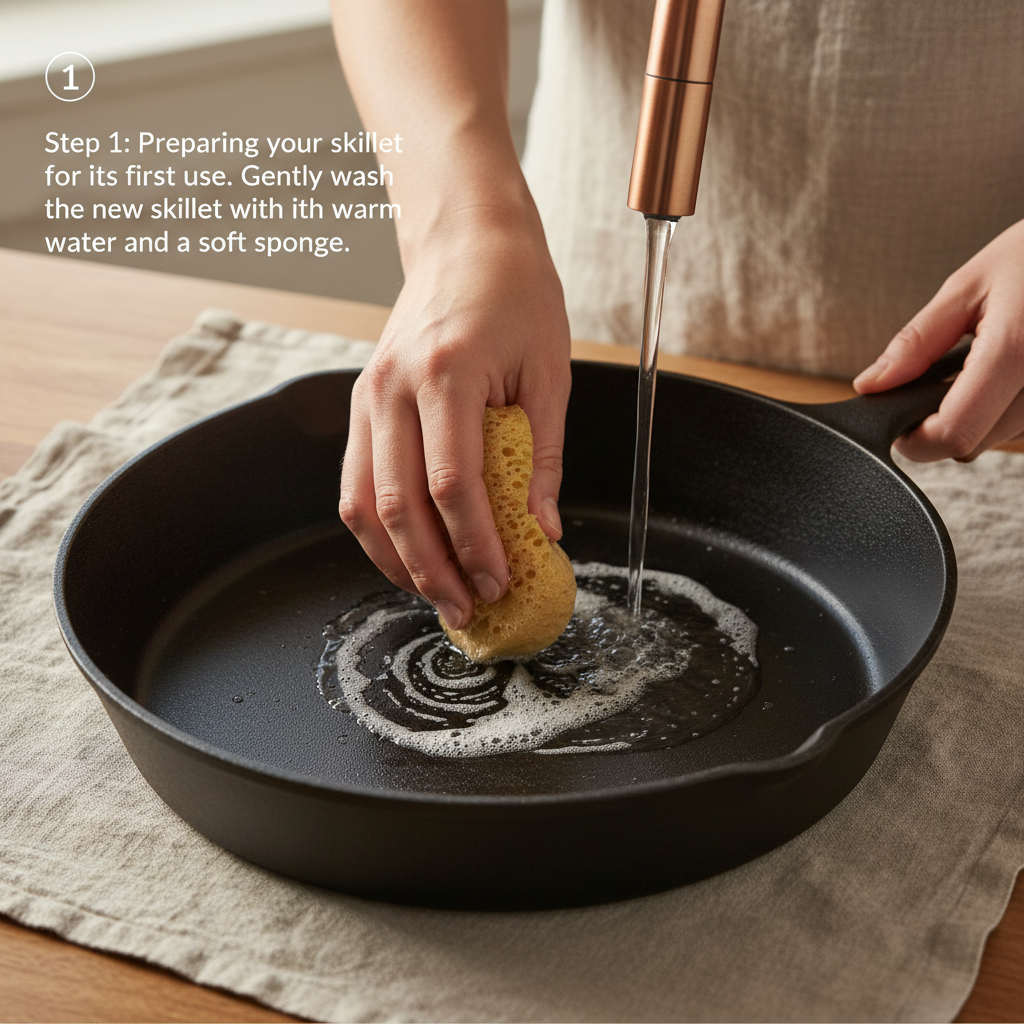
Use warm water, a gentle sponge, and re-season if necessary |
| Reactivity |
Versatility in cooking methods |
Can react with acidic foods |
Limit prolonged cooking of highly acidic ingredients |
| Cost |
High initial investment |
Higher upfront cost compared to some alternatives |
Consider the long-term durability and cost savings |
FAQS
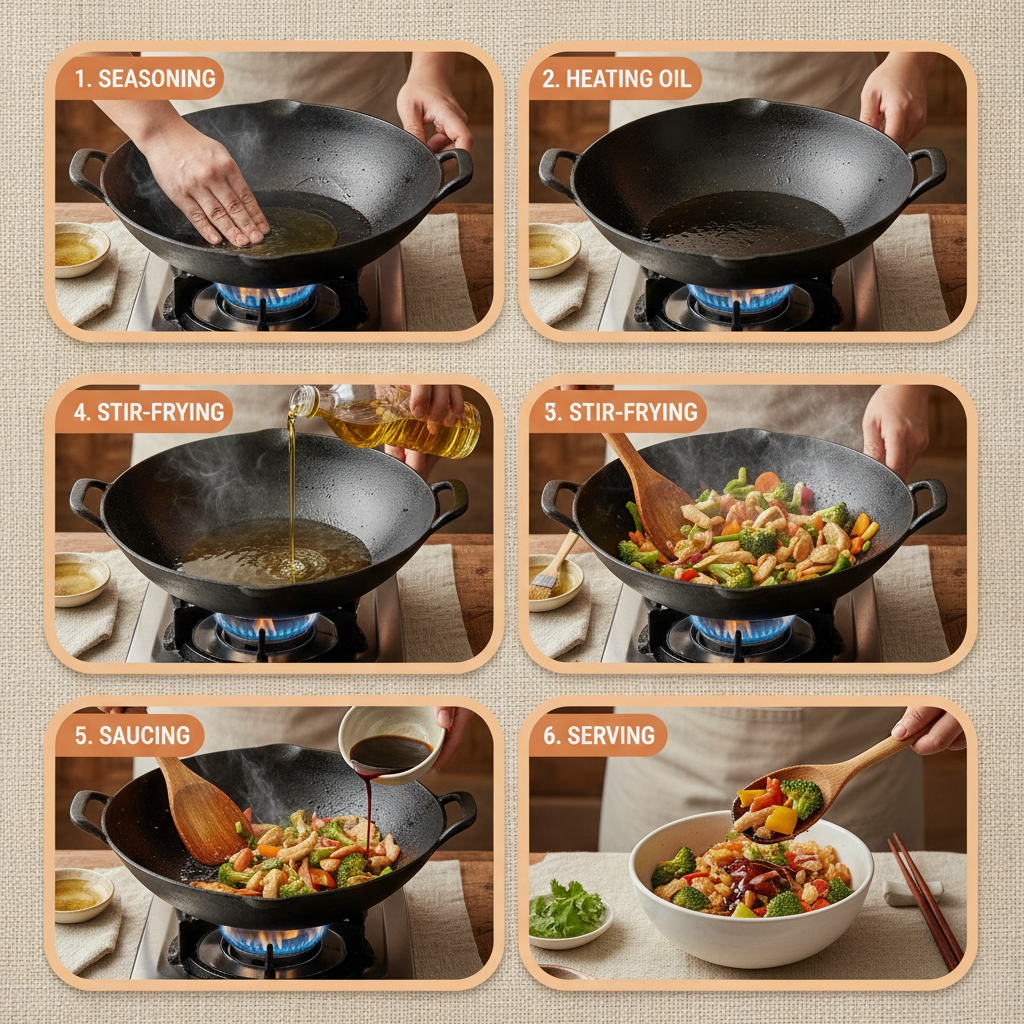
Seasoning a deep iron skillet is crucial for a natural non-stick surface. Start by cleaning the skillet thoroughly with hot, soapy water and drying it completely. Then, apply a very thin, even coat of oil (like flaxseed, canola, or vegetable oil) to all surfaces, inside and out. Wipe off any excess oil – you want a barely-there layer. Bake it upside down in a 450-500°F oven for an hour, letting it cool completely in the oven. Repeat this process several times to build up a strong seasoning.
For years, people said no, but modern detergents are milder. You can use a small amount of mild dish soap to clean a well-seasoned deep iron skillet, but avoid harsh detergents or abrasive scrubbers. Rinse thoroughly and dry immediately. Then, add a very light coat of oil while it’s still warm to maintain the seasoning. It’s more about avoiding prolonged soaking and harsh scrubbing than completely avoiding soap.
Rust is the enemy. The key is to keep your deep iron skillet dry. After washing, dry it completely with a towel and then heat it on the stovetop for a few minutes to ensure any remaining moisture evaporates. Applying a thin coat of oil after drying also helps protect it. If rust does appear, scrub it off with steel wool, re-season the skillet, and learn from your mistake!
Acidic foods can react with the iron in a deep iron skillet, potentially imparting a metallic taste and breaking down the seasoning. It's generally okay to cook with acidic foods for short periods, but avoid prolonged simmering of highly acidic sauces. A well-seasoned skillet is more resistant, but it’s still best to limit exposure.
Absolutely not! The dishwasher will strip away the seasoning and likely cause rust. A deep iron skillet requires hand washing. It’s a small price to pay for a lifetime of reliable cooking. Trust me, you'll be much happier hand washing than trying to restore a ruined skillet.
Both are great options, but they have key differences. Traditional cast iron needs regular seasoning, while enameled cast iron is coated in porcelain enamel, eliminating the need for seasoning and making it easier to clean. However, enameled cast iron is more expensive and can chip if mishandled. Ultimately, a deep iron skillet of either type will provide excellent cooking performance.
Conclusion
The deep iron skillet isn't just a cooking tool; it’s an investment. It's a piece of equipment that combines durability, versatility, and consistent performance. From remote job sites to home kitchens, it’s proven its worth time and time again. It requires a little care and attention, but the benefits far outweigh the effort.
Looking ahead, while technology will continue to evolve, the core principles of cast iron cooking will remain constant. Whether you're a seasoned chef or a novice cook, a well-maintained deep iron skillet will be a valuable addition to your kitchen for generations to come. Check out our selection at www.foundryasia.com and find the perfect skillet for your needs!