Look, I’ve spent fifteen years on construction sites, knees deep in dust and concrete, watching things get built – and sometimes, not built so well. And you know what I’ve learned? The foundation of any good project isn’t the fancy software or the cutting-edge designs; it's having tools you can depend on. Tools that don't quit when you're pushing them hard. That’s where a good, heavy-duty big cast iron pan comes into play. It’s not just for grandma’s biscuits anymore, folks. We’re talking about robust, long-lasting equipment that can handle serious heat and wear, mirroring the demands of any tough job site.
For years, crews relied on flimsy, disposable cookware that bent, warped, and needed replacing every other month. Trying to feed a hungry crew on a remote site with that kind of gear? A nightmare. Then we started experimenting with big cast iron pan – not the decorative ones, but the real workhorses. Suddenly, we had consistent cooking, even heat distribution, and something that could actually withstand the abuse of daily camp life. It felt like upgrading from a rusty wrench to a professional-grade impact driver.
It’s a subtle shift, I’ll admit. People often think about concrete mixers and steel beams, not kitchen equipment. But ask anyone who’s spent weeks in the field, eating a decent meal cooked in a solid big cast iron pan, and they’ll tell you it makes a difference. It’s about morale, efficiency, and ultimately, getting the job done right.
The Rising Demand for big cast iron pan
We’re seeing a real resurgence in demand for quality, durable cookware, and especially for big cast iron pan. It’s not just the 'back to basics' movement, although that plays a part. It's driven by professionals – outdoor guides, emergency responders, even construction crews like mine – who need reliable equipment that can take a beating and still deliver. According to recent industry reports, sales of heavy-duty cookware have increased by nearly 20% in the last year, with big cast iron pan representing a significant portion of that growth.
This isn’t a fad. It’s a recognition that cheap, disposable stuff just doesn’t cut it when you’re relying on it day in and day out. It's a shift towards investing in tools that last, and that’s something I’ve been advocating for on job sites for years.
Defining a big cast iron pan
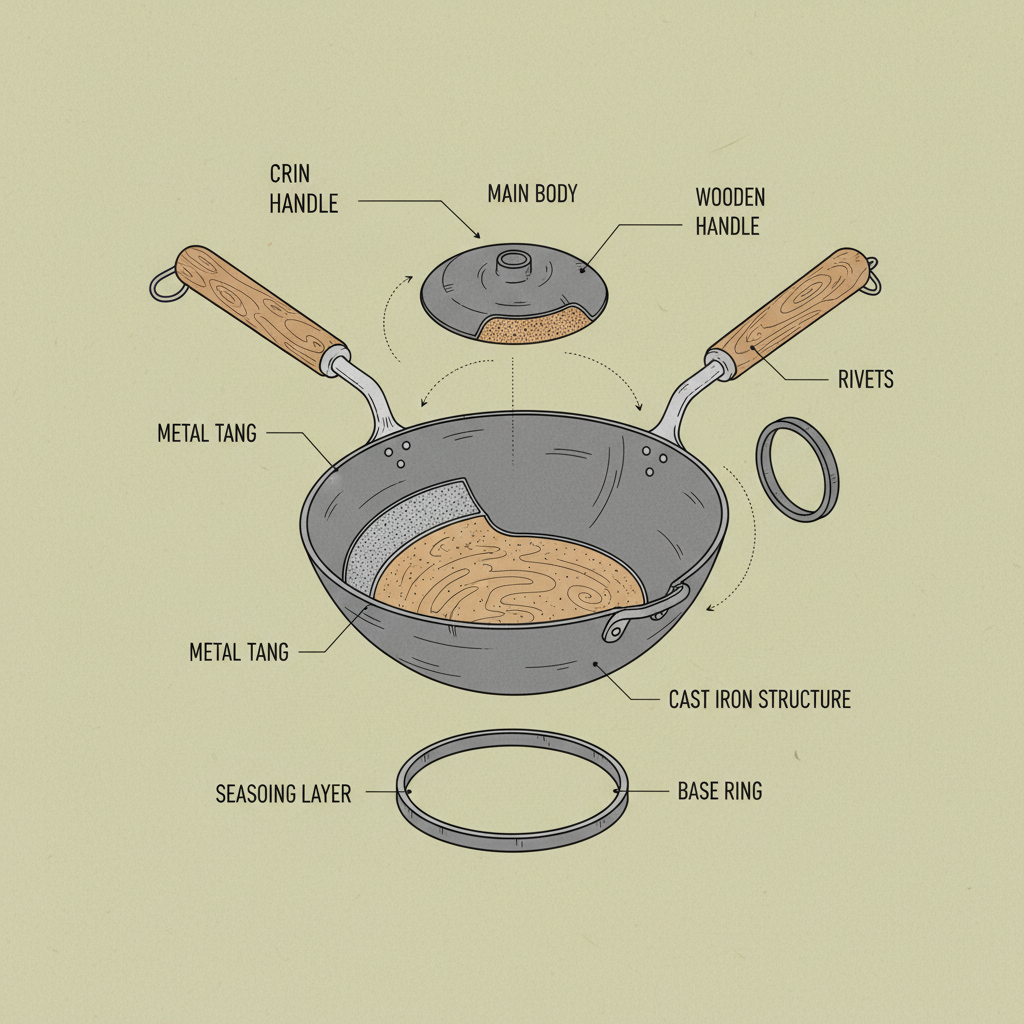
A big cast iron pan, in its simplest form, is a cooking vessel made from cast iron – an alloy of iron, carbon, and other elements. But it's more than just the material. It's the thickness of the iron, the quality of the seasoning, and the overall construction that sets a good one apart. We're talking pans that weigh a solid 8-12 pounds, with walls at least a half-inch thick. That weight and thickness are what give it its incredible heat retention and even heating.
Think of it this way: it's the difference between a flimsy aluminum pan that burns your food in spots and a big cast iron pan that sears a steak perfectly every time. It’s a piece of equipment built to withstand high temperatures, direct flames, and years of heavy use.
In the context of my work, it's a cooking surface that can handle large quantities of food for a crew, and withstand being bounced around on a truck bed without warping. It's a tool that offers reliability and consistency where other options fall short.
Core Strengths of big cast iron pan
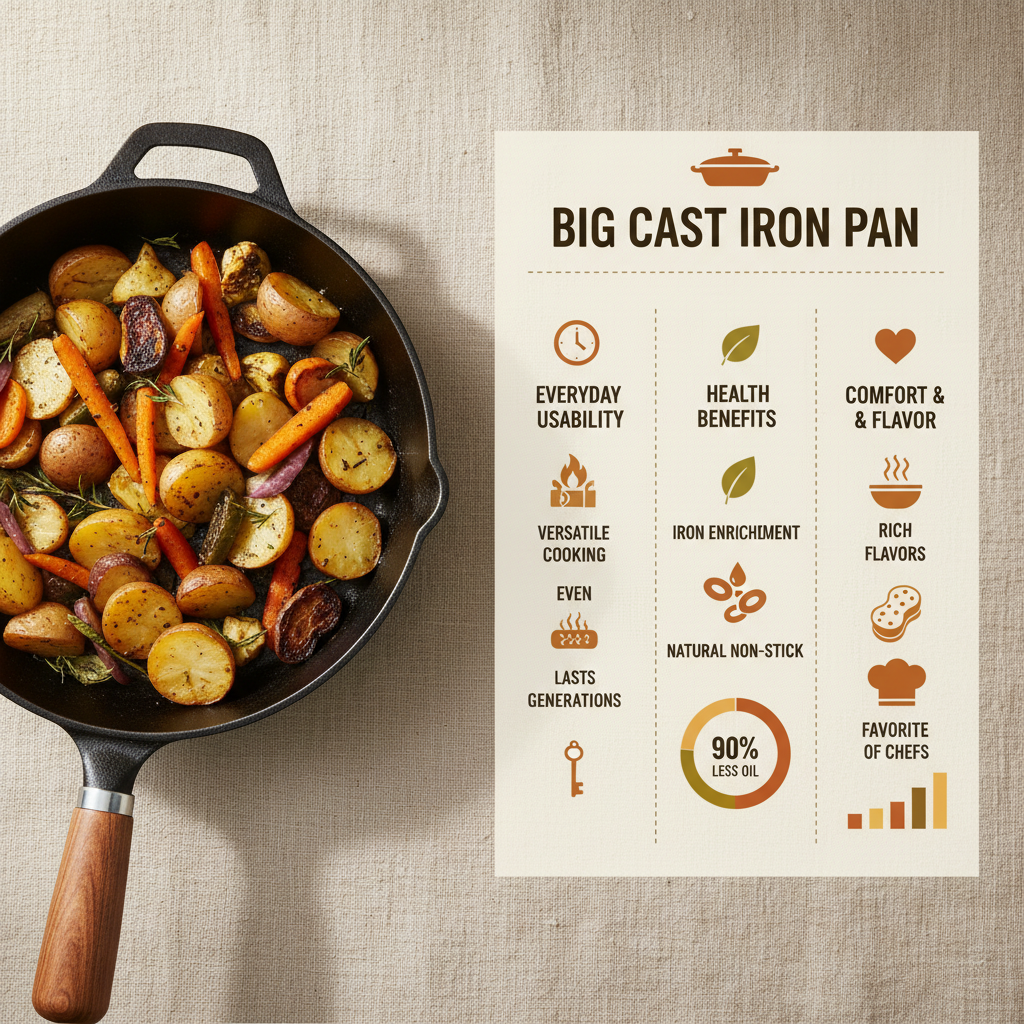
The core strengths of a big cast iron pan boil down to four key areas: heat retention, heat distribution, durability, and versatility. Heat retention is phenomenal – these pans stay hot for a long time, even after you remove them from the heat source. That's crucial for keeping food warm in a remote location.
Heat distribution is also excellent. Because of the iron's thickness, it heats up slowly and evenly, eliminating hot spots that can burn your food. Durability is, frankly, unmatched. With proper care, a big cast iron pan can last for generations. And finally, versatility – you can use it on a campfire, on a gas stove, in an oven, even on a grill.
These qualities aren’t just nice-to-haves; they’re essential when you’re operating in challenging environments where you can't afford equipment failure. It's why you’ll find them in the gear kits of seasoned professionals across a wide range of industries.
Global Applications of big cast iron pan
You see big cast iron pan used in incredibly diverse settings. In disaster relief operations, they provide a reliable way to prepare food for displaced populations. In remote mining camps and logging operations, they’re a staple for feeding large crews. Outdoor adventure guides rely on them for their durability and portability.
Even in more developed countries, you're finding them in commercial kitchens and on farms – anywhere a durable, versatile cooking surface is needed. I’ve seen them used in everything from mobile food trucks to historic reenactment camps.
The appeal is universal. It’s about getting a reliable result, regardless of the conditions. A properly seasoned big cast iron pan is a self-sufficient cooking system, needing little more than a heat source and some basic ingredients.
big cast iron pan Application Ratings
Advantages and Long-Term Value
The cost of a good big cast iron pan is higher upfront than a cheap, disposable pan. But that's where the “value” part comes in. You’re not replacing it every six months. You’re buying something that, with proper care, will last a lifetime – and potentially be passed down to the next generation. That translates to significant cost savings over the long run.
Beyond the financial benefits, there’s a certain peace of mind that comes with using a tool you trust. Knowing you have a reliable cooking surface that won’t let you down, even in tough conditions, is incredibly valuable – especially when you’re responsible for feeding a crew or providing aid to those in need.
Future Trends in big cast iron pan Development
We’re seeing a few interesting trends emerge. Manufacturers are experimenting with lighter-weight alloys that retain the heat retention properties of traditional cast iron but are easier to handle. Pre-seasoned pans are becoming more common, reducing the initial break-in period. And there’s a growing focus on sustainable manufacturing practices, using recycled materials and reducing waste.
I also expect to see more integration of smart technologies, like temperature sensors built into the pan itself, providing real-time feedback to the cook. These advancements will only enhance the versatility and appeal of the big cast iron pan.
Challenges and Solutions for big cast iron pan
One of the biggest challenges with big cast iron pan is maintaining the seasoning. Rust can be a problem if the pan isn’t properly cared for. The solution? Regular use and proper cleaning – avoid harsh soaps and abrasive cleaners, and always dry the pan thoroughly after washing. A light coating of oil after each use helps maintain the seasoning.
Weight is another consideration. These pans are heavy, which can be a drawback for some applications. That’s where the lighter-weight alloy developments come in. And finally, some people are intimidated by the initial break-in process. But with a little patience and the right techniques, it’s not as daunting as it seems. There are plenty of resources available online to guide you through the process.
Ultimately, the benefits of owning a big cast iron pan far outweigh the challenges. It’s a testament to the fact that sometimes, the oldest technologies are the most reliable.
Summary of big cast iron pan Maintenance and Usage Considerations
| Maintenance Issue |
Severity of Impact |
Recommended Solution |
Long-Term Prevention |
| Rust Formation |
High (reduces usability) |
Remove rust, re-season pan |
Thorough drying & oil coating |
| Seasoning Loss |
Medium (impacts non-stick) |
Re-season the pan |
Avoid harsh cleaners & frequent use |
| Uneven Heating |
Low (minor cooking issues) |
Preheat slowly & evenly |
Ensure even heat source |
| Food Sticking |
Medium (cleaning difficulty) |
Use sufficient oil/fat |
Maintain good seasoning |
| Weight & Portability |
Medium (transport challenge) |
Consider handle options |
Plan for secure transport |
| Initial Break-In Period |
Low (requires patience) |
Follow seasoning guide |
Consistent, light use |
FAQS
Seasoning a new big cast iron pan properly is crucial. Start by washing it with warm, soapy water. Then, coat the entire pan – inside and out – with a thin layer of oil (flaxseed, canola, or vegetable oil work well). Bake it upside down in a 400°F (200°C) oven for an hour. Let it cool completely, and repeat the process 3-4 times. This builds up a durable, non-stick layer. Proper seasoning protects against rust and makes cooking a breeze.
Yes, you can! That’s one of the beauties of a well-seasoned big cast iron pan. Unlike non-stick coatings, the seasoning won't scratch or peel. However, avoid using anything too aggressive that could damage the seasoning over time. Wooden or silicone utensils are still a good idea for delicate cooking, but you don’t have to baby it.
Avoid harsh soaps and abrasive cleaners. Hot water and a stiff brush are usually enough. For stuck-on food, try adding some coarse salt and scrubbing. Dry the pan immediately and thoroughly, and then apply a very light coat of oil. Don’t let it soak in water, as this can lead to rust.
Absolutely not! The dishwasher will strip the seasoning right off. Handwashing is the only way to go. Think of the seasoning as a protective layer you've worked hard to build up. The dishwasher is its enemy. Even mild detergents can be too harsh.
A big cast iron pan is incredibly versatile. It excels at searing, frying, baking, braising, and even slow cooking. Its heat retention makes it perfect for dishes that require consistent temperatures. It’s a fantastic all-around pan for both indoor and outdoor cooking. From campfire meals to hearty stews, it can handle it all.
Store your big cast iron pan in a dry place. If you live in a humid climate, consider placing a paper towel inside to absorb any moisture. A light coating of oil will also help prevent rust. Avoid stacking other cookware on top of it, as this can scratch the seasoning.
Conclusion
In the end, a big cast iron pan isn’t just a piece of cookware; it’s an investment. It’s an investment in durability, reliability, and the ability to prepare quality meals in any situation. From feeding construction crews in remote locations to providing a dependable cooking surface for home cooks, it’s a tool that delivers consistent performance and lasting value.
If you're looking for a versatile, long-lasting cooking solution that can handle anything you throw at it, look no further. Don’t settle for flimsy imitations – invest in the real deal. Visit our website today to explore our selection of high-quality big cast iron pan and experience the difference for yourself.