Cast iron wax represents a crucial, yet often overlooked, component in modern manufacturing and historical preservation. Its unique properties – providing a protective barrier against corrosion, facilitating intricate mold creation, and offering a smooth surface finish – make it indispensable in industries ranging from automotive and aerospace to art and archaeology. Understanding the nuances of cast iron wax, its formulations, and its applications is paramount for ensuring product quality, extending the lifespan of valuable artifacts, and driving innovation in casting processes globally.
The global demand for precision casting is steadily increasing, driven by technological advancements and a growing need for customized components. This rise in demand directly correlates to the demand for high-quality cast iron wax. Statistical data from the World Bank indicates a consistent growth in manufacturing output, particularly in emerging economies, leading to increased consumption of specialized materials like cast iron wax. However, challenges remain regarding sustainable sourcing of wax components and the environmental impact of wax production, necessitating a focus on eco-friendly alternatives and responsible manufacturing practices.
Cast iron wax isn’t a single substance, but rather a carefully engineered blend of waxes, resins, and additives. It serves primarily as a pattern material for investment casting, also known as lost-wax casting. This process allows for the creation of extremely intricate and precise metal parts that would be difficult or impossible to produce using other methods. Its relevance extends beyond industrial applications; museums and conservationists rely on cast iron wax for replicating fragile artifacts and preserving historical objects for future generations.
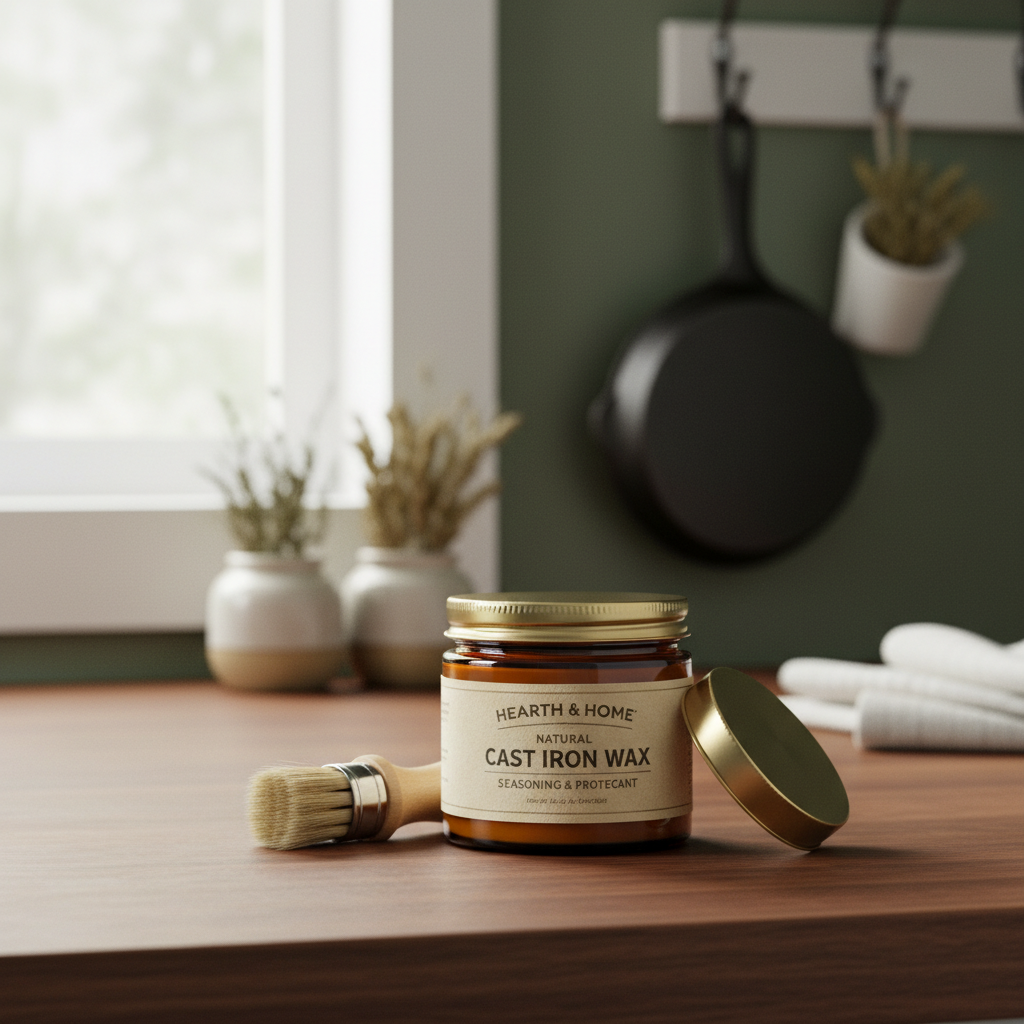
Introduction to cast iron wax
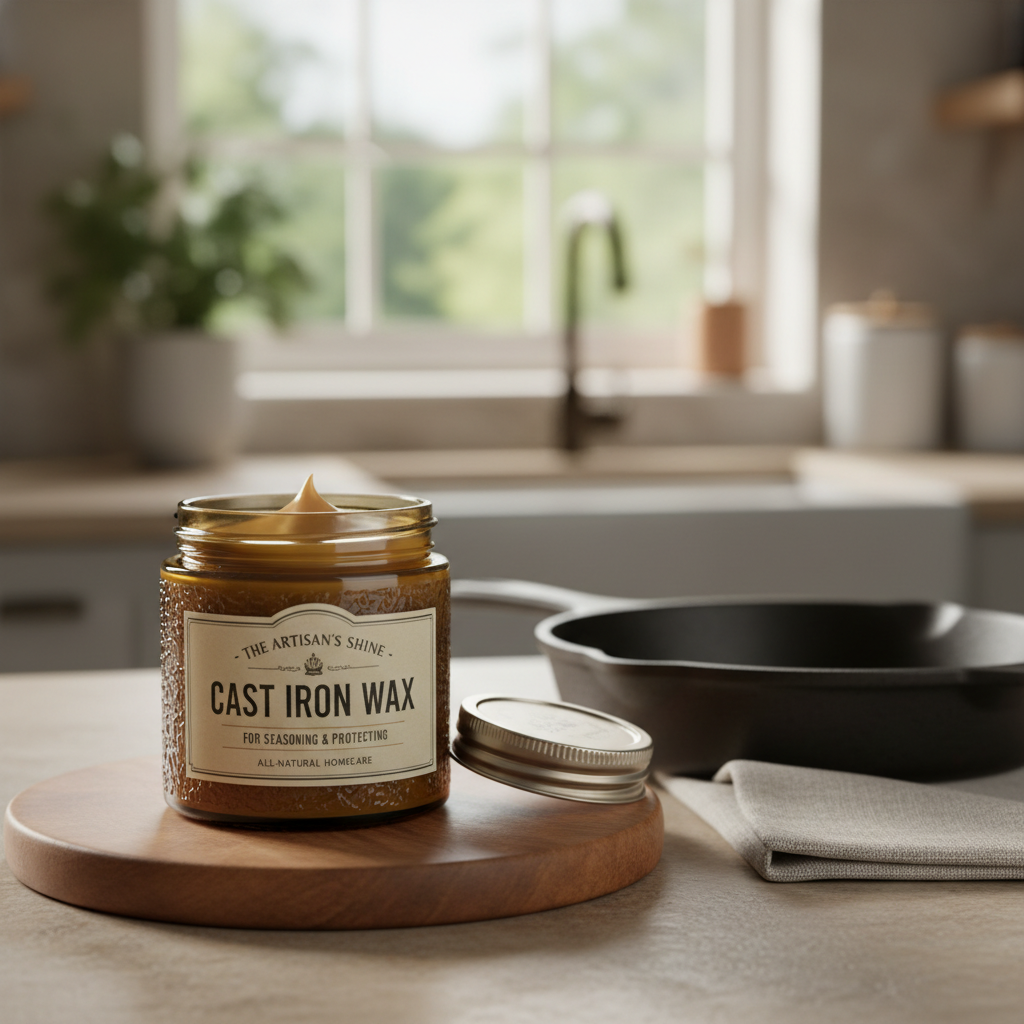
The role of cast iron wax extends far beyond simply creating molds. Its composition directly influences the accuracy, surface finish, and structural integrity of the final cast component. Selecting the appropriate cast iron wax formulation is therefore critical, taking into account factors such as the type of metal being cast, the complexity of the design, and the desired mechanical properties of the finished product. cast iron wax quality is a cornerstone of successful casting operations.
Moreover, the sustainability of wax sourcing and production is gaining increased attention. Traditional wax production relies heavily on petroleum-based resources. The industry is actively exploring alternative wax sources, such as plant-based waxes and recycled materials, to minimize environmental impact and promote a circular economy.
FAQS
Different formulations cater to specific casting needs. Paraffin-based waxes offer good fluidity but lower dimensional stability. Microcrystalline waxes provide better stability but can be more brittle. Carnauba waxes enhance surface finish and hardness. The optimal choice depends on the metal alloy, part complexity, and desired properties. Consider factors like thermal expansion, burnout rate, and handling characteristics when selecting a formulation.
Cast iron wax quality significantly affects the surface finish. A smooth, homogenous wax pattern ensures a defect-free ceramic shell and, consequently, a smooth metal casting. Impurities or inconsistencies in the wax can translate into surface imperfections. Waxes with higher carnauba content generally yield a superior surface finish due to their inherent hardness and lubricity.
Cast iron wax should be stored in a cool, dry, and dark environment, away from direct sunlight and heat sources. Avoid temperature fluctuations, as these can cause the wax to crack or become brittle. Keep the wax sealed in its original packaging to prevent contamination and moisture absorption. Following these guidelines will ensure optimal performance and extend the shelf life of the wax.
Environmental regulations increasingly restrict the use of petroleum-based waxes and require responsible disposal practices. Manufacturers are adopting bio-based alternatives and implementing recycling programs to minimize their environmental footprint. Proper disposal of waste wax is crucial to prevent soil and water contamination. Compliance with local regulations is essential for sustainable operations.
Burnout temperatures vary depending on the wax formulation and the metal being cast. Generally, paraffin-based waxes burn out at lower temperatures (around 150-200°F) than microcrystalline waxes (around 250-300°F). A controlled burnout schedule is crucial to prevent cracking or deformation of the ceramic shell. Always consult the wax manufacturer's recommendations for optimal burnout parameters.
Yes, cast iron wax can be recycled, offering significant environmental and economic benefits. Recycling reduces reliance on virgin wax resources, minimizes waste disposal costs, and lowers the carbon footprint of the casting process. Recycled wax can be blended with virgin wax to create new formulations, promoting a circular economy. Many foundries now implement wax recycling programs to improve their sustainability.
Conclusion
In conclusion, cast iron wax is a remarkably versatile and essential material underpinning countless industries and applications. Its ability to facilitate the creation of intricate, high-precision components, coupled with ongoing innovations in formulation and processing, ensures its continued relevance in the manufacturing landscape. Understanding its properties, applications, and the evolving trends surrounding its production and sustainability is critical for achieving optimal casting results and driving efficiency.
Looking ahead, the future of cast iron wax will be defined by a commitment to sustainability, digitalization, and customization. By embracing bio-based alternatives, leveraging advanced simulation tools, and tailoring formulations to specific needs, we can unlock even greater potential and ensure the long-term viability of this vital material. For more information and to explore our range of cast iron wax solutions, visit our website: cast iron wax.