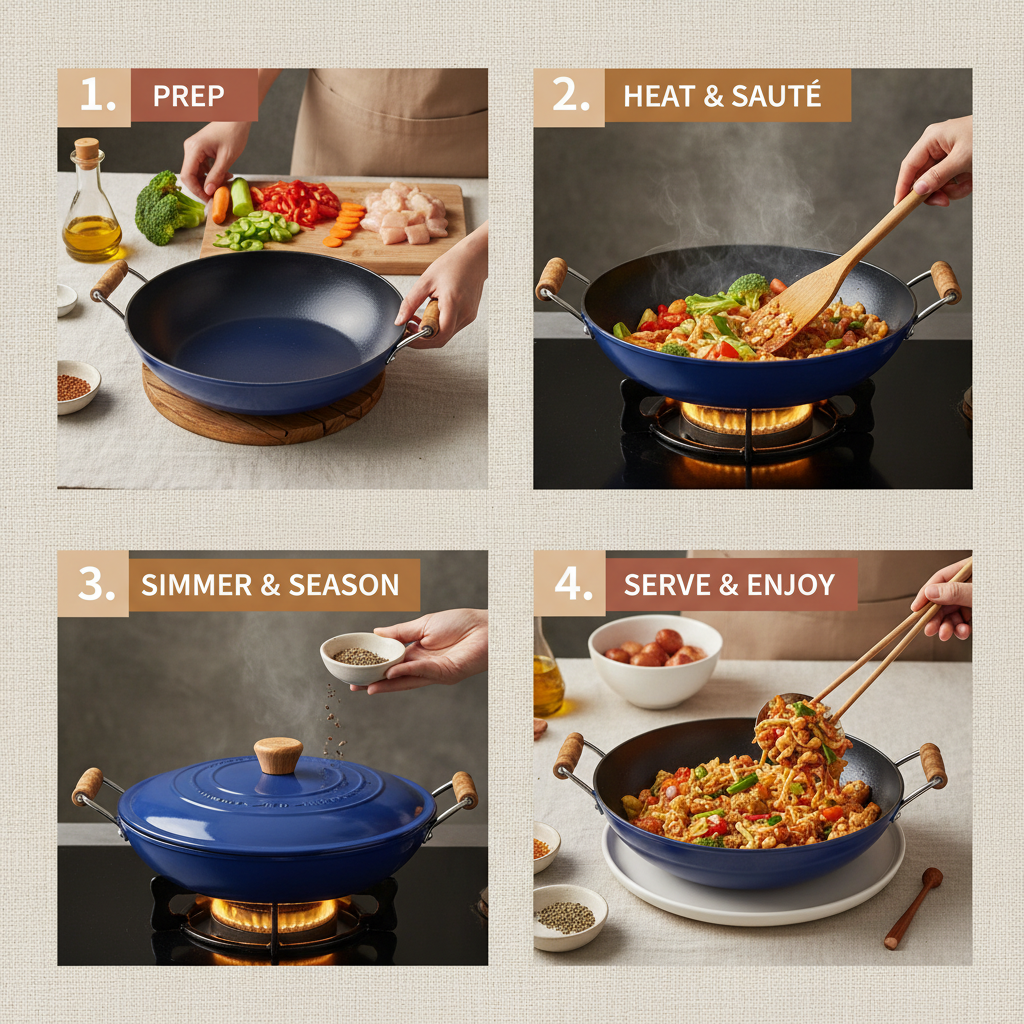
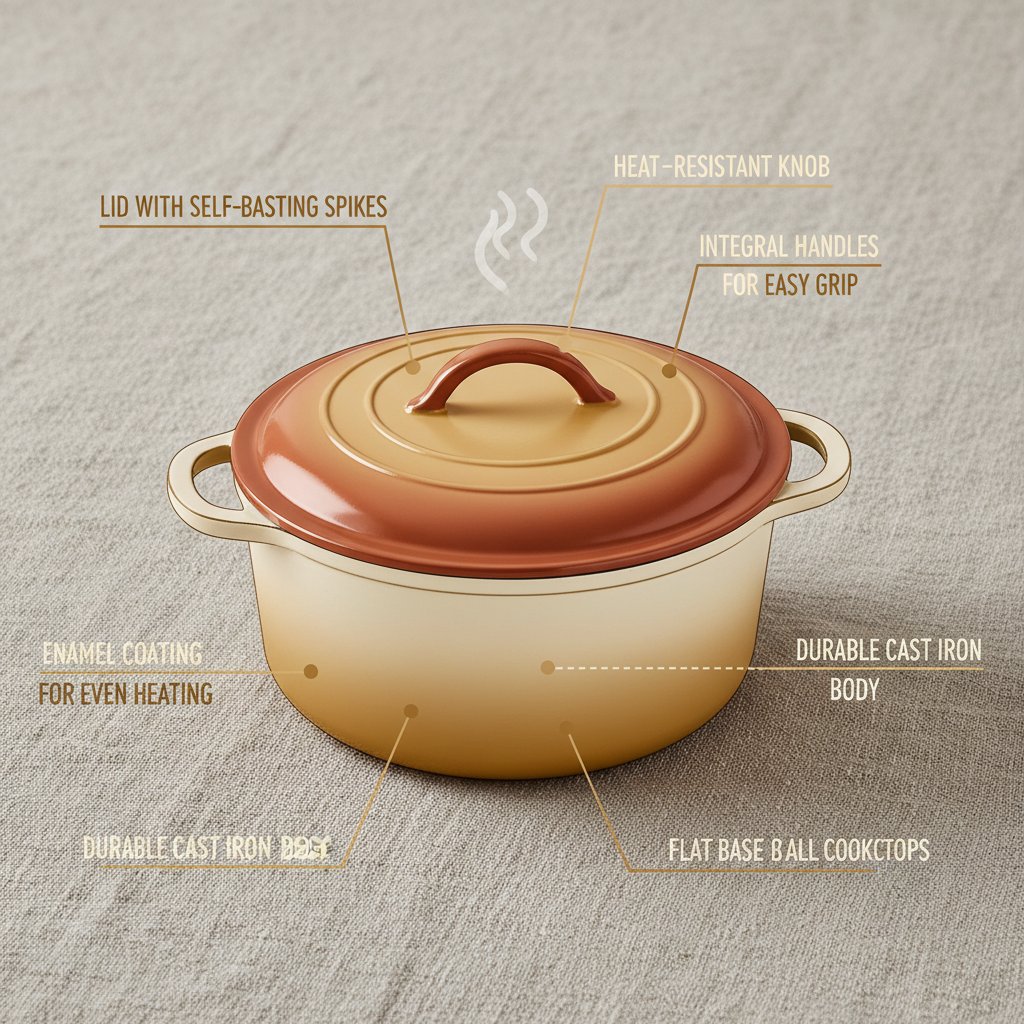
The enamel wok pan, a staple in kitchens across Asia and increasingly popular globally, represents more than just cookware. It embodies a tradition of culinary excellence, offering a durable and versatile cooking surface favored for its even heat distribution and ability to impart a unique flavor to dishes. Understanding the nuances of enamel wok pans – from material composition to care and maintenance – is crucial for both home cooks and professional chefs seeking to elevate their culinary experience. This exploration delves into the multifaceted world of the enamel wok pan, examining its impact on cooking styles and its growing prominence in modern kitchens.
Globally, the demand for quality cookware is on the rise, driven by increased interest in home cooking and diverse culinary traditions. According to a report by Mordor Intelligence, the cookware market is projected to reach $20.46 billion by 2029, showcasing a compound annual growth rate (CAGR) of 3.52%. The enamel wok pan, with its distinctive characteristics, is increasingly becoming a key component of this expanding market. Its popularity addresses the need for durable, versatile, and healthy cooking options, particularly as consumers become more conscious of the materials used in their kitchenware.
The enamel wok pan isn’t simply a cooking vessel; it’s a convergence of traditional craftsmanship and modern materials science. Its unique properties address challenges associated with other cookware materials, such as uneven heating or reactivity with acidic foods. From the bustling street food stalls of Southeast Asia to modern gourmet kitchens worldwide, the enamel wok pan offers a compelling solution for a wide range of cooking needs and culinary aspirations.
Introduction to the Enamel Wok Pan
The enamel wok pan has steadily gained recognition as a versatile and reliable cooking tool. Its ability to withstand high temperatures, distribute heat evenly, and resist corrosion makes it ideal for a wide range of cooking techniques, from stir-frying to steaming and braising. This has led to increasing demand from both home cooks and professional chefs.
Beyond its functional benefits, the enamel wok pan often carries cultural significance, particularly within Asian cuisines. It’s considered a vital piece of equipment in many traditional kitchens and is often passed down through generations, representing a connection to family heritage and culinary traditions. The increasing availability of high-quality enamel wok pan options globally has made this rich culinary heritage more accessible to a broader audience.
Defining the Enamel Wok Pan
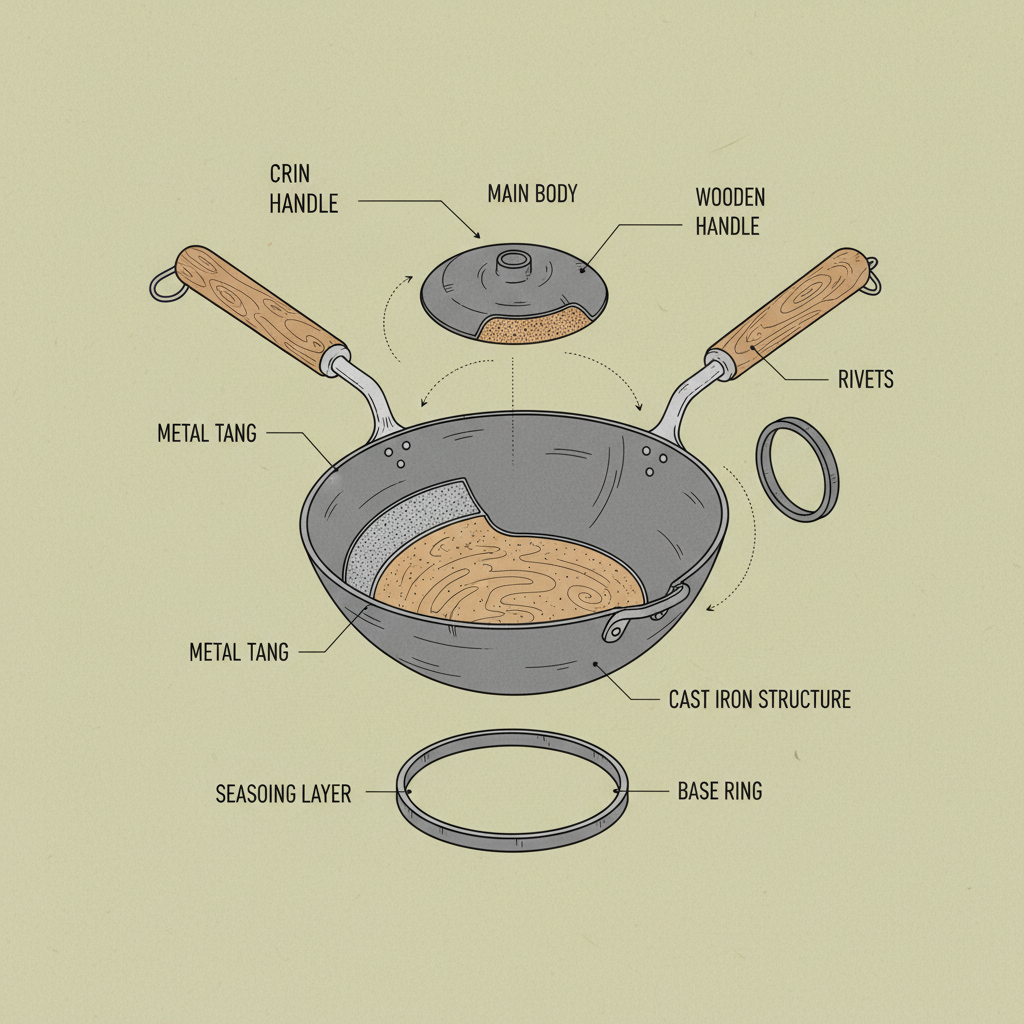
An enamel wok pan is essentially a wok – a traditional, round-bottomed cooking vessel originating from China – coated with enamel. Enamel itself is a fused coating made from powdered glass applied to a metal substrate, typically cast iron or carbon steel. This coating provides a non-reactive and durable surface, preventing the metal from interacting with food and inhibiting rust.
The combination of the wok’s shape and the enamel coating creates a unique cooking environment. The sloping sides of the wok facilitate efficient stir-frying, allowing food to be easily tossed and cooked quickly at high temperatures. The enamel coating ensures even heat distribution, preventing hotspots and promoting consistent cooking results.
In a modern context, the enamel wok pan addresses the growing demand for healthier cooking options. Unlike some other materials, enamel does not leach harmful chemicals into food, making it a safer choice for everyday cooking. This aligns with increasing consumer awareness regarding food safety and healthy living.
Core Characteristics of Enamel Wok Pans
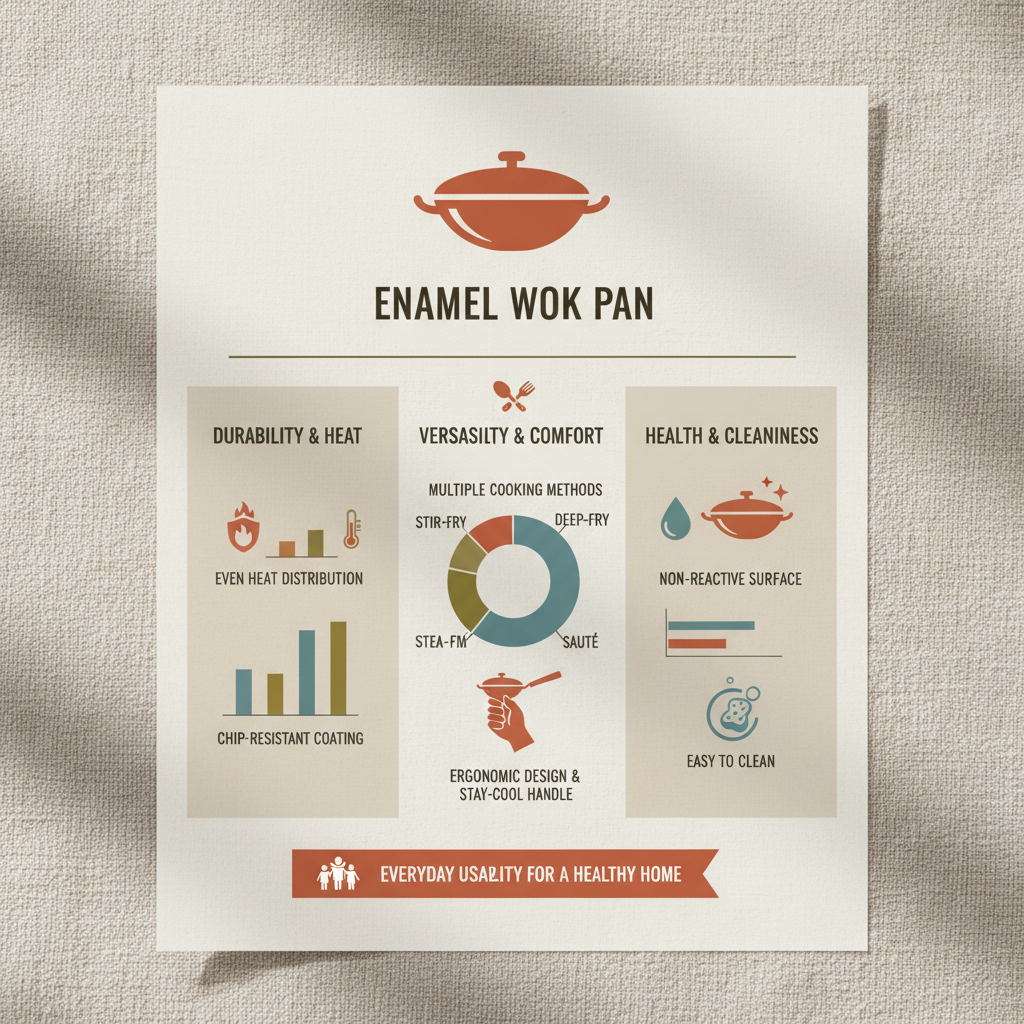
Durability: Enamel-coated cast iron or carbon steel are exceptionally durable. Properly cared for, an enamel wok pan can last for decades, becoming a cherished heirloom in a kitchen. The enamel coating protects the underlying metal from corrosion, extending its lifespan significantly.
Heat Retention & Distribution: Cast iron and carbon steel excel at heat retention. The enamel coating enhances even heat distribution, minimizing hot spots and ensuring consistent cooking. This is especially important for stir-frying, where quick and even cooking is essential. This even heat transfer allows for greater control and precision when cooking delicate sauces.
Non-Reactivity: The enamel coating is chemically inert, meaning it won't react with acidic foods like tomatoes or vinegar. This prevents metallic flavors from leaching into your dishes and preserves the integrity of the ingredients. This is a significant advantage over uncoated cast iron or carbon steel.
Global Applications and Culinary Uses
The enamel wok pan's versatility has led to its widespread adoption across various cuisines and culinary applications. In Southeast Asia, it remains a fundamental tool for street food vendors and home cooks alike, used for everything from Pad Thai to stir-fried vegetables.
Across North America and Europe, the enamel wok pan is gaining popularity among chefs seeking to recreate authentic Asian flavors and cooking techniques. It's also increasingly used for general-purpose cooking, including searing, braising, and even baking. In remote industrial zones, such as mining camps or research facilities, enamel wok pan are valued for their durability and ease of cleaning in challenging environments.
In post-disaster relief operations, durable and versatile cookware like the enamel wok pan can be crucial for providing nutritious meals to affected populations. Its ability to function on various heat sources – including open fires – makes it a valuable asset in emergency situations. The long-lasting nature of the enamel wok pan also minimizes the need for frequent replacement, offering a sustainable solution for disaster relief efforts.
Enamel Wok Pan Cooking Methods - User Satisfaction
Advantages and Long-Term Value
The advantages of investing in an enamel wok pan extend beyond its immediate cooking performance. The longevity of the pan – when properly cared for – translates into significant cost savings over time, eliminating the need for frequent replacements. This contributes to a more sustainable lifestyle, reducing waste and minimizing environmental impact.
Furthermore, the enamel wok pan offers a sense of culinary security and reliability. Its durable construction and non-reactive surface provide peace of mind, ensuring that your meals are cooked safely and consistently. This sense of trust and confidence enhances the overall cooking experience, fostering a deeper connection between the cook and their food.
Future Trends and Innovations
Ongoing research focuses on enhancing the durability and non-stick properties of enamel coatings. New formulations are being developed to improve resistance to chipping and cracking, further extending the lifespan of enamel wok pans. Simultaneously, manufacturers are exploring the integration of smart technologies, such as temperature sensors embedded within the pan, to provide real-time cooking feedback.
Sustainability is also driving innovation. The use of recycled materials in the production of both the metal substrate and the enamel coating is gaining traction, reducing the environmental footprint of the manufacturing process. Additionally, the development of more energy-efficient manufacturing techniques is helping to minimize the carbon emissions associated with enamel wok pan production.
Challenges and Considerations
One common challenge associated with enamel wok pans is the potential for chipping or cracking if subjected to sudden temperature changes or physical impacts. Proper preheating and gentle handling are crucial to prevent damage. While high-quality enamel is generally durable, it’s not indestructible.
Another consideration is the weight of enamel-coated cast iron. It can be significantly heavier than other types of cookware, which may pose a challenge for some users. However, the added weight contributes to its stability and excellent heat retention. Regular cleaning with non-abrasive cleaners and proper seasoning (if applicable) are key to maintaining the performance and longevity of your enamel wok pan.
A growing concern is counterfeit products. Consumers should purchase enamel wok pans from reputable manufacturers and retailers to ensure they are receiving a genuine, high-quality product. Looking for certifications and verifying the origin of the pan can help avoid substandard imitations.
Summary of Key Considerations for Enamel Wok Pan Selection
| Material Quality |
Enamel Coating Durability |
Heat Distribution Performance |
Price & Value |
| Cast Iron or Carbon Steel |
Rating 7-10 (Scale of 1-10) |
Excellent |
$50 - $200 |
| Stainless Steel (Core) |
Rating 5-7 (Scale of 1-10) |
Good |
$80 - $250 |
| Aluminum (Core) |
Rating 4-6 (Scale of 1-10) |
Fair |
$40 - $150 |
| Traditional Wok Steel |
Rating 6-8 (Scale of 1-10) |
Very Good |
$60 - $180 |
| Low-Carbon Steel |
Rating 3-5 (Scale of 1-10) |
Poor |
$30 - $100 |
| High-Carbon Steel |
Rating 8-9 (Scale of 1-10) |
Excellent |
$70 - $220 |
FAQS
The main difference lies in the coating. A traditional carbon steel wok requires seasoning to create a non-stick surface, while an enamel wok pan has a pre-applied, non-reactive enamel coating. This eliminates the need for seasoning and makes the enamel wok pan easier to clean. However, carbon steel woks typically heat up faster and are lighter. Enamel wok pans offer superior durability and resistance to corrosion, while carbon steel requires more maintenance.
Avoid using abrasive cleaners or scouring pads, as these can damage the enamel coating. Wash the pan with warm, soapy water and a soft sponge or cloth. For stubborn food residue, soak the pan in warm water for a few minutes before cleaning. Avoid sudden temperature changes, as this can cause the enamel to crack. Always allow the pan to cool down gradually before washing.
Enamel wok pans are incredibly versatile and can be used for a wide range of cooking techniques, including stir-frying, steaming, braising, and simmering. However, they may not be ideal for extremely high-heat cooking, as the enamel coating can be damaged. They also aren't suitable for use on induction cooktops unless specifically labeled as induction-compatible.
Yes, generally an enamel wok pan can be used on a glass cooktop, provided the bottom of the pan is smooth and flat. Avoid dragging the pan across the glass surface, as this can cause scratches. It’s always recommended to check your cooktop manufacturer's guidelines to ensure compatibility.
Look for a pan made with high-quality cast iron or carbon steel and a durable enamel coating. Check for any chips or cracks in the enamel before purchasing. Consider the weight of the pan and choose one that you can comfortably handle. Reputable brands known for quality cookware are always a good choice.
While some manufacturers claim their enamel wok pans are dishwasher safe, handwashing is generally recommended to prolong the life of the enamel coating. The harsh detergents and high temperatures in dishwashers can gradually degrade the enamel over time. Gentle handwashing is the best way to maintain its quality.
Conclusion
The enamel wok pan represents a compelling fusion of tradition and innovation, offering a durable, versatile, and healthy cooking solution for both home cooks and professional chefs. Its ability to distribute heat evenly, resist corrosion, and enhance flavor makes it an invaluable asset in any kitchen. Understanding its unique characteristics and proper care techniques unlocks its full potential.
As culinary trends continue to evolve, the enamel wok pan is poised to remain a relevant and sought-after cookware option. Further advancements in materials science and manufacturing techniques promise to enhance its performance and sustainability. Investing in a quality enamel wok pan isn’t just acquiring a cooking tool; it's embracing a legacy of culinary excellence.