The humble iron pizza pan represents more than just a cooking utensil; it’s a testament to enduring culinary traditions and modern engineering. For centuries, cast iron has been prized for its heat retention, even heating, and durability, qualities that translate directly into a superior pizza-making experience. From artisanal pizzerias to home kitchens around the globe, the iron pizza pan is increasingly favored for its ability to deliver a crispy crust and evenly cooked toppings. This popularity stems not only from its functional benefits but also from a growing appreciation for sustainable and long-lasting cookware.
Globally, the demand for high-quality pizza-making equipment is steadily rising, driven by the continued popularity of pizza as a versatile and beloved food. The market is influenced by trends towards home cooking, gourmet experiences, and a desire for restaurant-quality results in the home kitchen. The iron pizza pan specifically benefits from a renewed interest in traditional cooking methods and durable, environmentally friendly materials. According to industry reports, the global cookware market is projected to reach \$28.5 billion by 2027, with cast iron holding a significant and growing share.
The increasing focus on sustainability also plays a role. Unlike non-stick coatings that degrade over time and contribute to environmental waste, a well-maintained iron pizza pan can last for generations, reducing the need for frequent replacements and minimizing environmental impact. This makes it an attractive choice for consumers seeking both quality and ethical consumption.
The Enduring Legacy of iron pizza pan
The history of the iron pizza pan is deeply intertwined with the evolution of cast iron cookware itself. Dating back thousands of years, cast iron's ability to retain heat and distribute it evenly made it a staple in kitchens worldwide. While early forms differed significantly from modern pizza pans, the fundamental principles remained the same. The adaptation of cast iron for pizza baking is a relatively recent development, gaining traction alongside the global popularity of pizza in the 20th and 21st centuries.
Today, the iron pizza pan isn’t merely a relic of the past; it's undergoing a renaissance. Chefs and home cooks alike are rediscovering the benefits of this traditional cookware, appreciating its ability to create a superior pizza crust – crispy on the outside, yet soft and chewy within. This resurgence is fueled by a desire for authentic cooking experiences and a rejection of overly processed or artificial alternatives.
Defining the iron pizza pan
Simply put, an iron pizza pan is a circular or rectangular baking surface constructed from cast iron. It’s distinct from other pizza-baking surfaces like pizza stones or steel in its material composition and heat-retention characteristics. Unlike stones, iron pans distribute heat extremely evenly, preventing hot spots and ensuring consistent baking. Compared to steel, cast iron has a higher thermal mass, which means it takes longer to heat up but also retains heat for a significantly longer period.
This definition extends beyond a simple cookware item. It represents a connection to culinary heritage, a commitment to durable goods, and a pathway to creating exceptional pizza. It's a tool that empowers both novice and experienced pizza makers to achieve professional-quality results.
The connection to modern industry lies in the manufacturing processes employed to create these pans, from the sourcing of raw materials to the precision casting and seasoning techniques. This industry contributes to employment, technological advancement, and the preservation of traditional craftsmanship.
Core Components & Characteristics of iron pizza pan
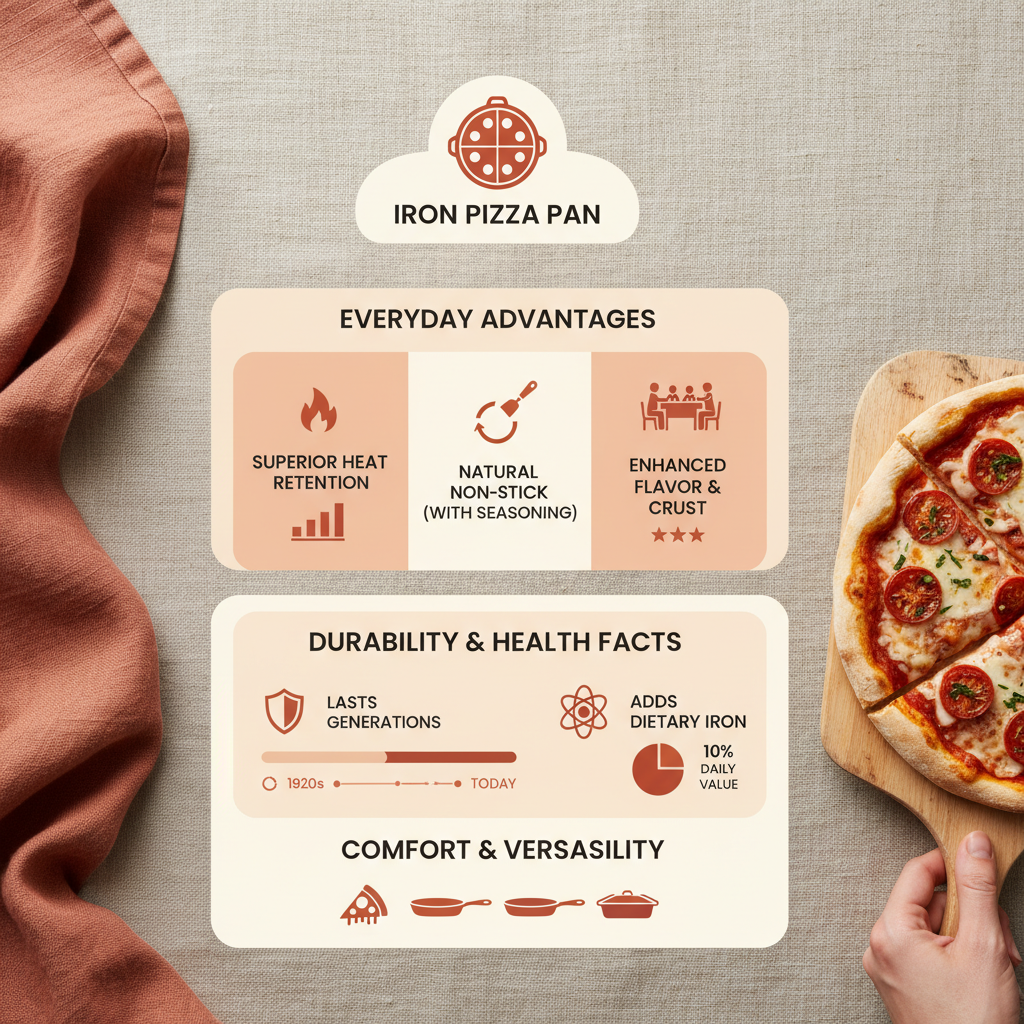
Several key factors contribute to the exceptional performance of an iron pizza pan. Firstly, heat retention is paramount. Cast iron's dense composition allows it to store a substantial amount of heat, creating a consistently hot surface for baking. Secondly, even heat distribution ensures that the pizza cooks uniformly, eliminating undercooked or burnt spots. This characteristic stems from cast iron’s ability to spread heat across its surface efficiently.
Thirdly, durability is a significant advantage. A well-cared-for cast iron pan can last for generations, becoming a cherished heirloom. This longevity reduces waste and aligns with sustainable consumption practices. Fourthly, seasoning is critical. The process of repeatedly coating the pan with oil and heating it creates a natural non-stick surface that improves with age, making it easier to remove pizzas and clean the pan.
Finally, versatility shouldn’t be overlooked. While designed for pizza, an iron pizza pan can also be used for baking bread, roasting vegetables, searing meats, and even making desserts. This multi-functionality enhances its value and makes it a worthwhile investment for any kitchen.
Practical Applications of iron pizza pan
The iron pizza pan finds application in a wide range of settings, from professional pizzerias to home kitchens. In commercial settings, its heat retention and even heating capabilities are crucial for maintaining consistent pizza quality during peak hours. The durability of the pan also reduces replacement costs and downtime.
For home cooks, the iron pizza pan offers a path to achieving restaurant-quality pizza without specialized equipment. It’s particularly well-suited for baking New York-style, Neapolitan-style, and Detroit-style pizzas, each benefiting from the pan’s unique characteristics.
iron pizza pan Baking Performance Comparison
Global Usage & Implementation of iron pizza pan
The popularity of the iron pizza pan transcends geographical boundaries. In Italy, the birthplace of pizza, traditional pizzerias are increasingly incorporating cast iron pans into their baking arsenal, appreciating their ability to replicate the intense heat of wood-fired ovens. In the United States, the trend is driven by a growing home-cooking movement and a desire for authentic pizza experiences.
Across Europe and Asia, the iron pizza pan is gaining traction as consumers seek durable and versatile cookware. Online retailers and specialty kitchen stores are witnessing a surge in demand, reflecting a broader shift towards quality and sustainability in culinary tools.
Advantages & Long-Term Benefits of iron pizza pan
The benefits of using an iron pizza pan extend beyond the realm of taste and texture. From a cost perspective, its durability translates into long-term savings, as it eliminates the need for frequent replacements. From a sustainability standpoint, its longevity reduces waste and minimizes environmental impact. The ease of cleaning and maintenance further adds to its appeal.
On an emotional level, owning an iron pizza pan fosters a sense of connection to culinary tradition and a pride in creating high-quality food. It empowers cooks to experiment, refine their skills, and share their creations with loved ones. It's not just a cooking tool; it's a centerpiece for memorable experiences.
Future Trends & Innovations in iron pizza pan Technology
The future of the iron pizza pan is likely to be shaped by advancements in materials science and manufacturing techniques. Lighter-weight cast iron alloys are being developed, making the pans easier to handle without compromising their heat retention capabilities. Innovative seasoning methods are also emerging, offering pre-seasoned pans that require less initial maintenance.
Furthermore, the integration of smart technologies – such as temperature sensors and digital cooking guides – could enhance the user experience and help cooks achieve consistently perfect results. The trend towards sustainable manufacturing processes will also drive the adoption of eco-friendly materials and energy-efficient production methods.
The demand for pre-seasoned pans will likely increase, as well as pans designed specifically for use with modern ovens and cooking methods.
Summary of Key Performance Indicators for iron pizza pan Evaluation
| Category |
Metric |
Rating (1-10) |
Comments |
| Heat Retention |
Time to Cool Down (minutes) |
9 |
Excellent heat retention for crispy crusts. |
| Even Heating |
Temperature Variance (°F) |
8 |
Minimal hot spots; promotes even cooking. |
| Durability |
Estimated Lifespan (Years) |
10 |
Can last for generations with proper care. |
| Non-Stick Performance |
Ease of Food Release (1-10) |
7 |
Improves with consistent seasoning. |
| Versatility |
Number of Recipes Suited For |
9 |
Excellent for pizza, bread, roasting, and more. |
| Cleaning & Maintenance |
Effort Required (1-10) |
6 |
Requires handwashing and occasional seasoning. |
FAQS
While both create excellent pizza, an iron pizza pan excels in heat retention, leading to a crispier crust. Pizza stones require preheating for a longer duration, and are more prone to cracking with temperature fluctuations. An iron pizza pan distributes heat more evenly, reducing hot spots and ensuring a consistently baked pizza. Its durability is also a key advantage, lasting for generations with proper care.
Seasoning involves coating the pan with a thin layer of oil (like flaxseed, canola, or vegetable) and baking it in the oven at a high temperature (typically 400-450°F) for an hour. Repeat this process several times to build up a natural, non-stick patina. Consistent seasoning prevents rusting and enhances the pan’s performance. Avoid using soap when cleaning, and re-season as needed.
Yes, an iron pizza pan can be used on both gas and electric stovetops, but it's best suited for oven baking. Direct stovetop use should be limited to low-to-medium heat, as excessive heat can damage the seasoning. Always use caution and ensure the pan is properly supported to prevent accidents.
Avoid using soap, as it can strip the seasoning. Instead, scrape off any food residue with a plastic spatula or chainmail scrubber. You can use warm water and a stiff brush, but dry the pan immediately and lightly oil it to prevent rusting. Proper cleaning and drying are crucial for maintaining the pan's seasoning.
Rust can occur if the pan isn't properly seasoned or if it's exposed to moisture. If rust appears, scrub it off with steel wool, then re-season the pan following the standard seasoning process. Proper care and maintenance will prevent rust from forming in the first place.
An iron pizza pan excels with styles that benefit from a crispy crust, like New York-style, Detroit-style, and pan pizzas. The heat retention helps achieve a well-browned, flavorful base. While it can also be used for Neapolitan-style, you may need to adjust baking times and temperatures to avoid burning the crust.
Conclusion
In conclusion, the iron pizza pan represents a compelling blend of tradition, performance, and sustainability. Its ability to deliver consistently excellent results, coupled with its exceptional durability, makes it a valuable asset for both professional chefs and home cooks. From its historical roots to its modern applications, the iron pizza pan continues to evolve and inspire culinary creativity.
Looking ahead, innovations in materials and manufacturing will further enhance the iron pizza pan’s capabilities. Embracing these advancements while preserving the core principles of quality and craftsmanship will ensure its continued relevance in the ever-evolving world of pizza making. Visit our website at www.foundryasia.com to explore our collection of high-quality iron pizza pans and elevate your pizza-making experience.