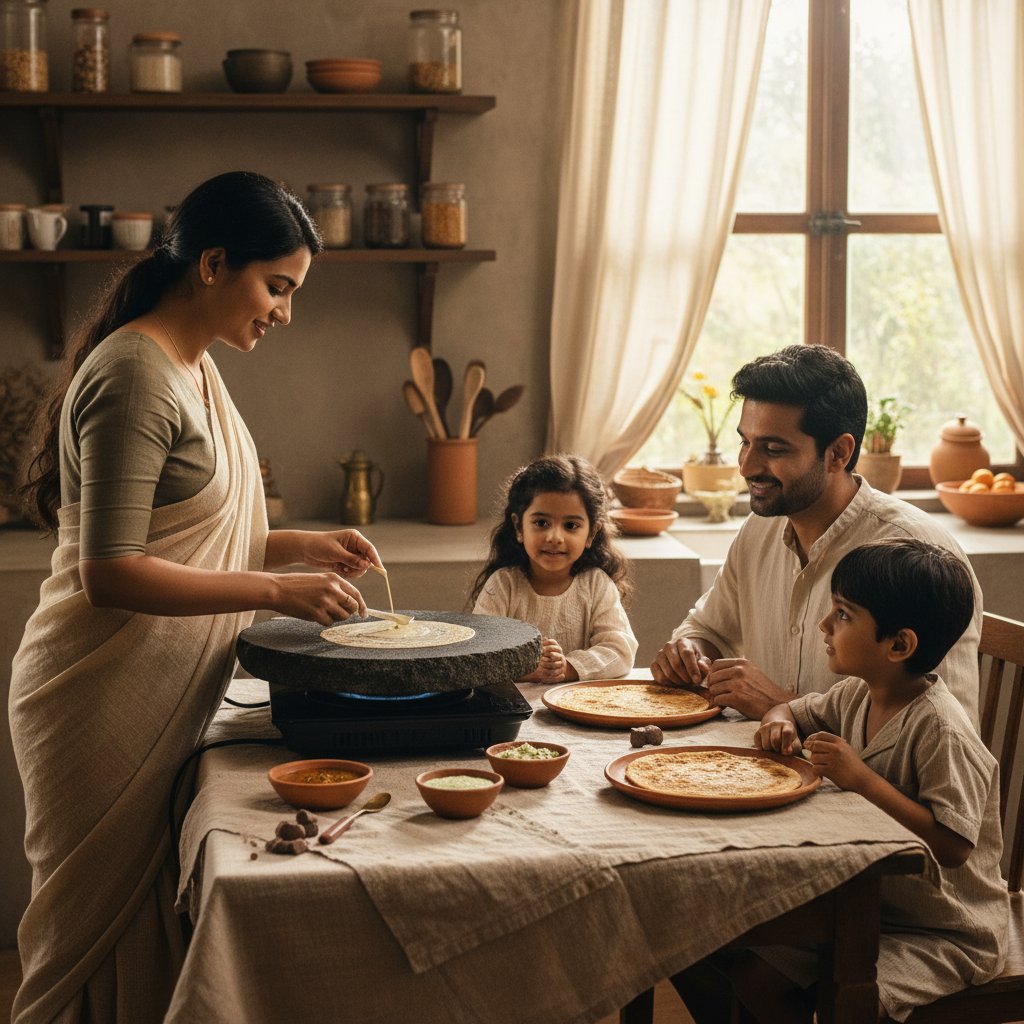
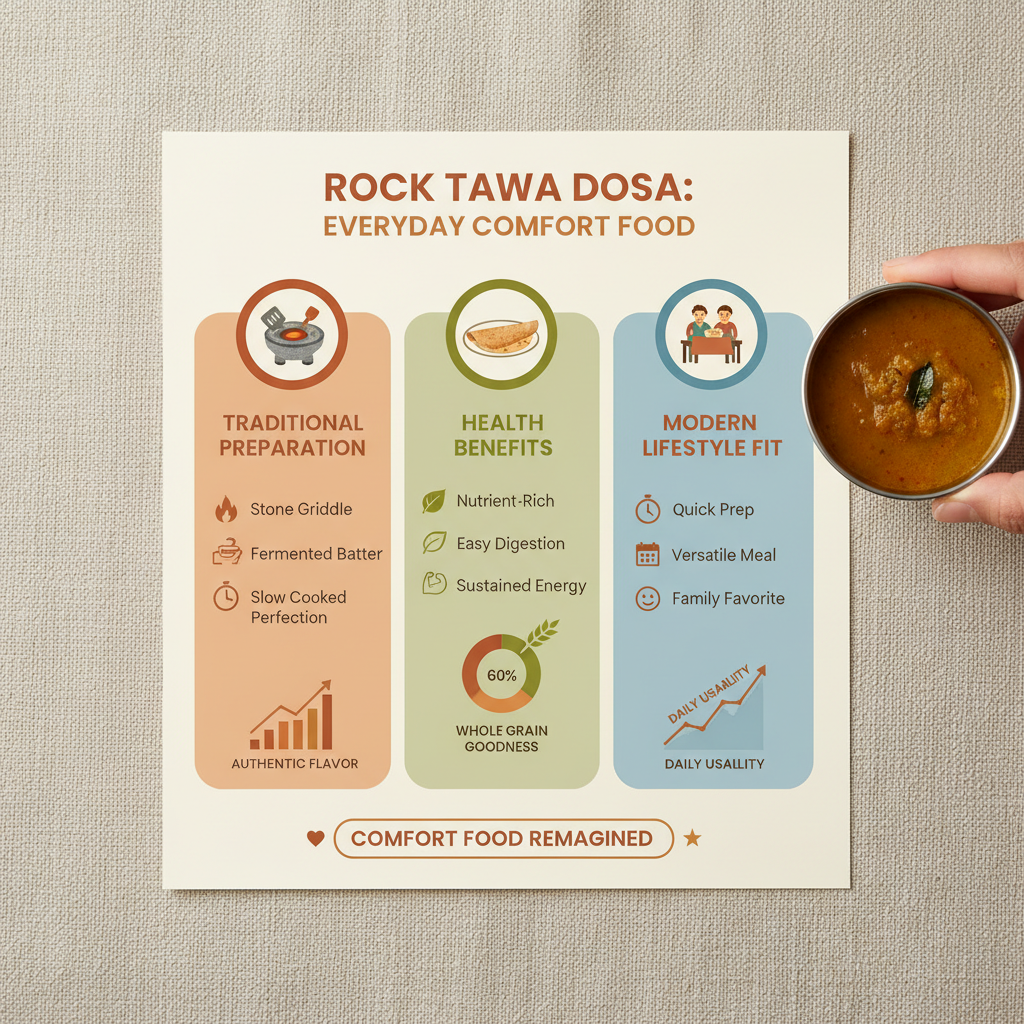
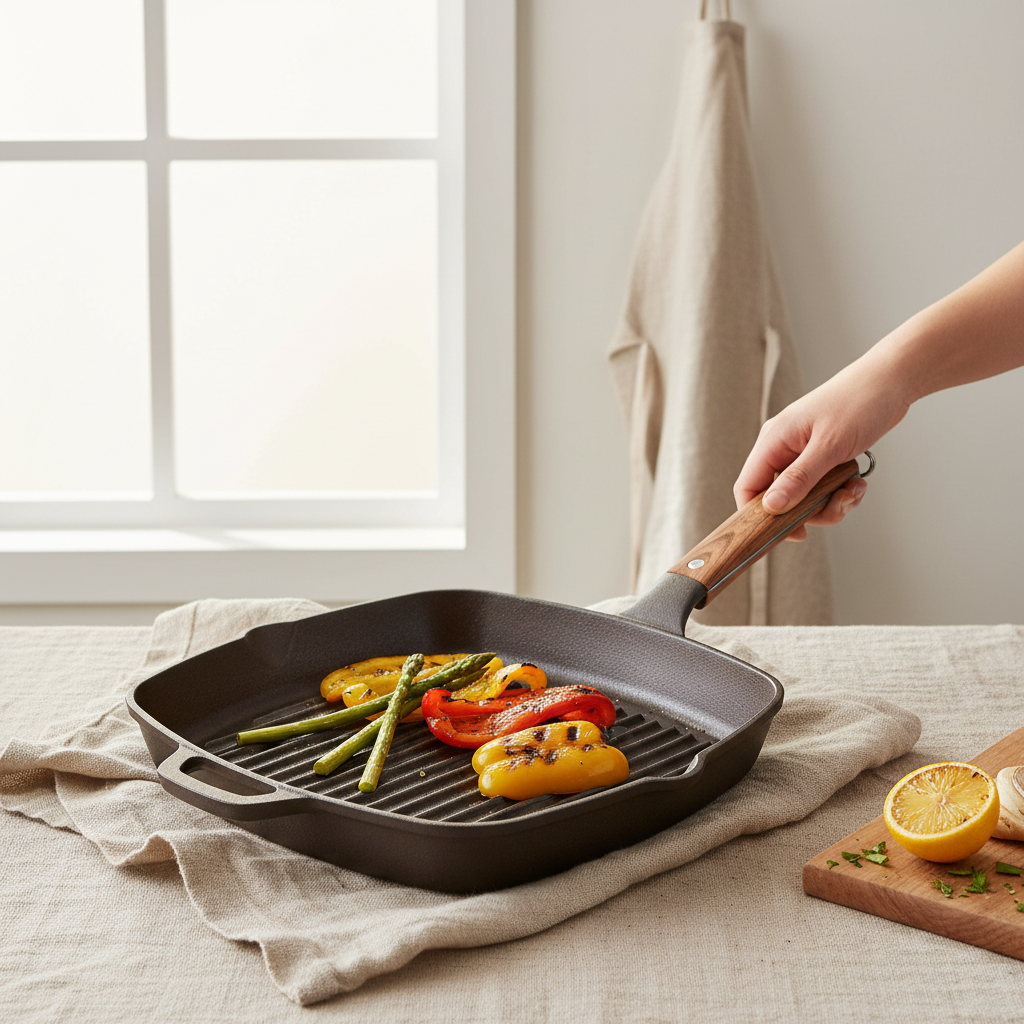
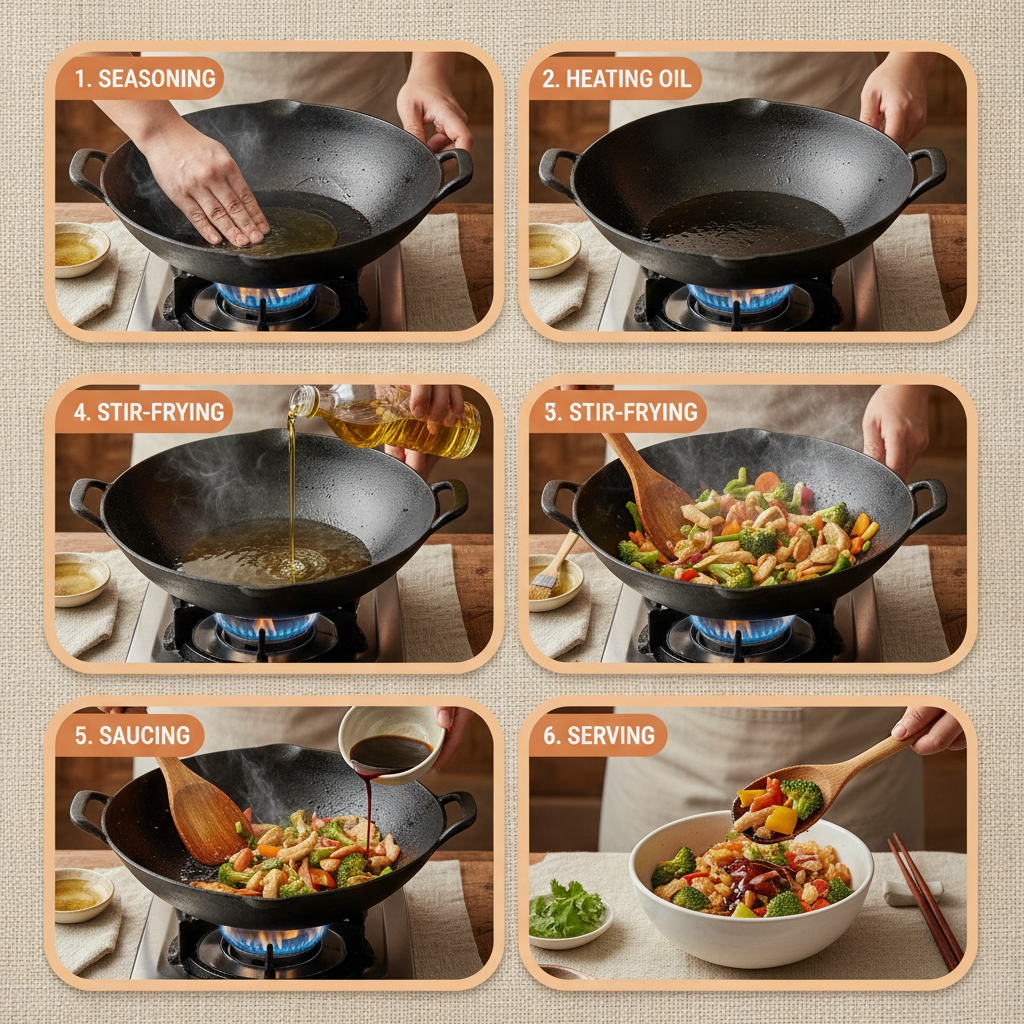
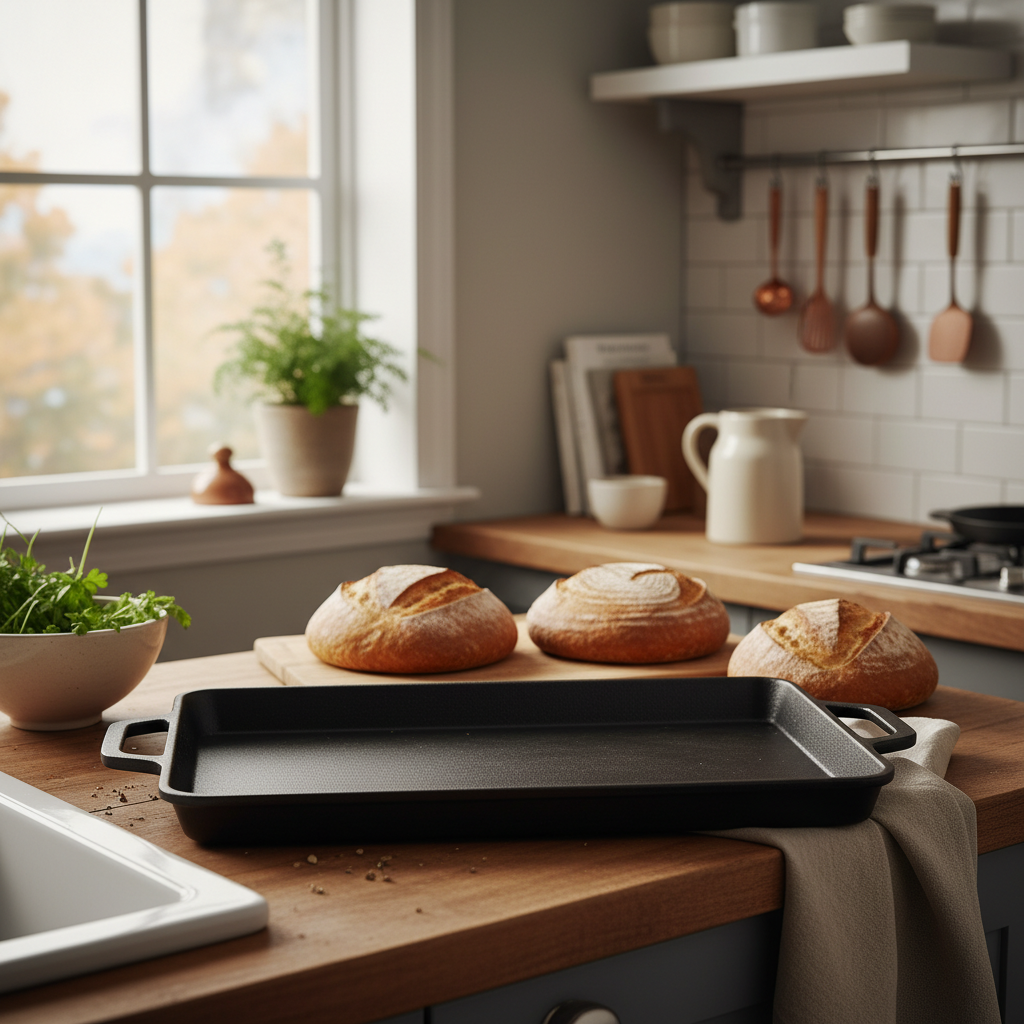
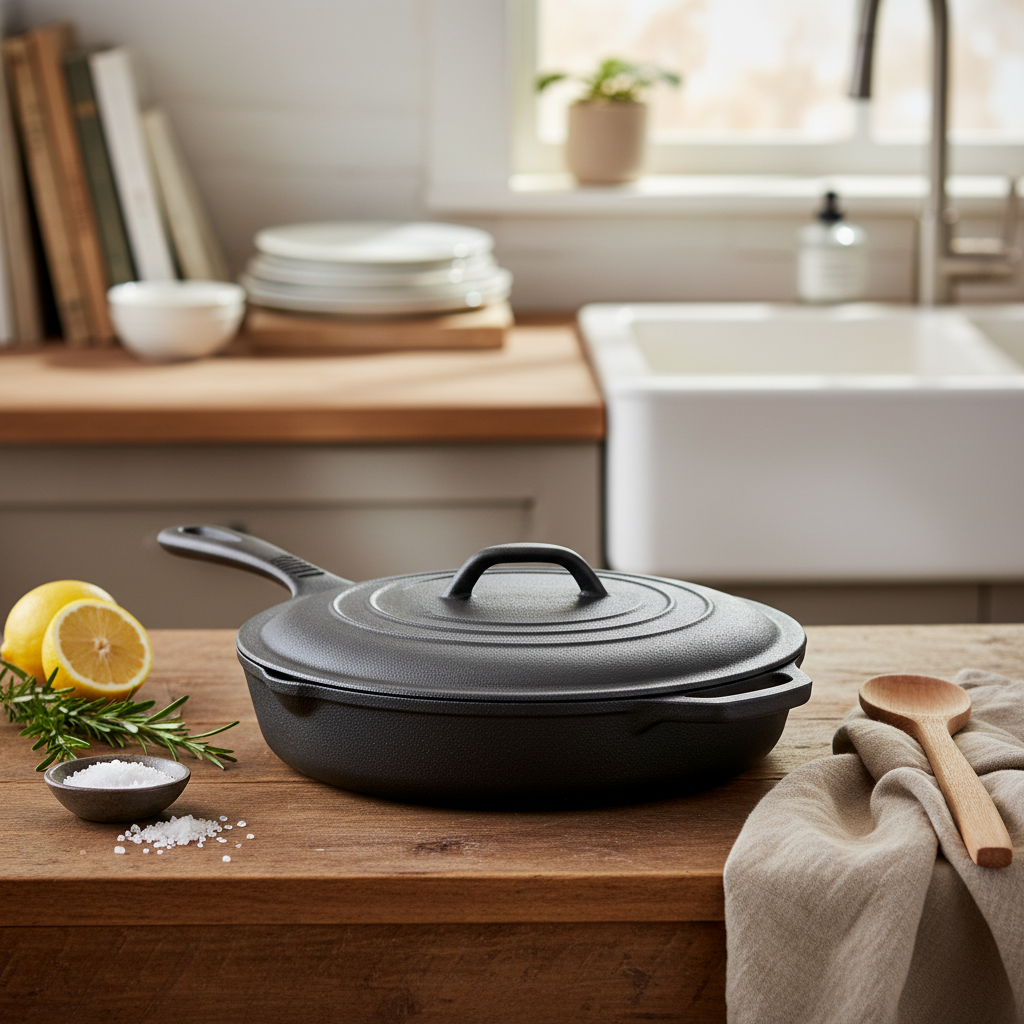
The `rock tawa dosa` is more than just a cooking surface; it's a cornerstone of South Indian cuisine and a testament to enduring culinary traditions. Globally, the demand for authentic regional cooking experiences is rising, driving increased interest in traditional cookware like the rock tawa. Understanding its properties – heat retention, natural non-stick capabilities, and durability – is crucial for both home cooks and professional chefs seeking to replicate authentic flavors. This knowledge empowers users to create not just food, but cultural experiences.
The significance of the `rock tawa dosa` extends beyond the kitchen. It represents a shift towards appreciating handcrafted, sustainable cooking tools, countering the trend of disposable cookware. The UN Sustainable Development Goals emphasize responsible consumption and production (Goal 12), and opting for a durable rock tawa aligns with this ethos. Moreover, the rock tawa’s inherent longevity reduces waste and promotes a circular economy, contributing to a more sustainable lifestyle.
For food businesses, particularly those specializing in South Indian cuisine, the `rock tawa dosa` is essential for consistent quality and authentic taste. Its unique heat distribution capabilities ensure perfectly cooked dosas, idlis, and other regional delicacies, contributing directly to customer satisfaction and brand reputation. The ability to consistently deliver a superior product translates to increased profitability and sustained growth in a competitive market.
The Essence of the Rock Tawa Dosa
A `rock tawa dosa` is traditionally crafted from a specific type of soapstone, renowned for its exceptional heat retention and natural non-stick properties. This allows for the creation of perfectly crispy dosas with minimal oil, a hallmark of authentic South Indian cooking. The skilled artisans who create these tawas pass down techniques through generations, ensuring the continued production of high-quality cookware.
The unique composition of the rock itself contributes to its longevity. Unlike modern non-stick coatings that degrade over time, a properly seasoned rock tawa can last for decades, even with daily use. This durability not only makes it a cost-effective investment but also aligns with principles of sustainable living by reducing the need for frequent replacements.
Historical and Cultural Significance
The history of the `rock tawa dosa` is deeply intertwined with the culinary heritage of South India, particularly Tamil Nadu. Evidence suggests that these tawas have been used for centuries, initially crafted from locally sourced soapstone deposits. They were, and continue to be, essential tools in both household kitchens and bustling street food stalls.
Beyond its functional purpose, the `rock tawa dosa` holds cultural significance. It often represents family traditions and culinary expertise passed down through generations. The process of seasoning and maintaining a rock tawa is considered an art form, requiring patience, skill, and a deep understanding of the material's properties.
The enduring popularity of the `rock tawa dosa` is a testament to its effectiveness and the cultural value placed on traditional cooking methods. Even with the advent of modern cookware, many chefs and home cooks continue to prefer the unique qualities and authentic flavors that a rock tawa provides, preserving a vital link to culinary heritage.
Defining Characteristics of a Rock Tawa Dosa
The defining characteristic of a true `rock tawa dosa` is its material: a dense, fine-grained soapstone. This natural stone provides exceptional heat retention, ensuring even cooking and crispy results. A well-maintained rock tawa develops a natural non-stick patina over time with proper seasoning.
Another key characteristic is its weight. A genuine rock tawa is considerably heavier than modern alternatives, a direct result of the dense stone composition. This weight contributes to its stability on the stovetop and its ability to distribute heat evenly. The size also varies, typically ranging from 12 to 18 inches in diameter.
Finally, the surface of a good `rock tawa dosa` should be relatively smooth, though not perfectly polished. Small imperfections are natural and contribute to its unique character and performance. A properly seasoned tawa will have a dark, almost blackened surface, indicating a well-established non-stick layer.
Key Factors Influencing Quality
Several factors determine the quality of a `rock tawa dosa`. First, the source of the soapstone is critical; higher-quality stone possesses a finer grain and greater density. Second, the craftsmanship involved in shaping and finishing the tawa significantly impacts its performance and durability.
Proper seasoning is paramount. The traditional method involves rubbing the tawa with oil and heating it gradually over several sessions. This process creates a natural polymerized layer, providing the non-stick surface. The type of oil used (e.g., coconut oil, sesame oil) can also influence the seasoning process.
Rock Tawa Dosa Quality Assessment
Global Applications in Culinary Arts
While deeply rooted in South Indian cuisine, the `rock tawa dosa` is gaining recognition in diverse culinary settings worldwide. Chefs specializing in fusion cuisine are experimenting with its unique heat properties to create innovative dishes beyond traditional dosas.
Increasingly, culinary schools are incorporating the `rock tawa dosa` into their curriculum, teaching students about its history, seasoning techniques, and culinary applications. This exposure helps preserve traditional cooking methods and fosters appreciation for regional cuisines.
Advantages and Long-Term Value
The `rock tawa dosa` offers several distinct advantages. Its durability translates to long-term cost savings, eliminating the need for frequent replacements. The natural non-stick surface reduces the reliance on oils and fats, promoting healthier cooking.
From an environmental perspective, the `rock tawa dosa` is a sustainable choice. Its longevity minimizes waste, and the use of natural materials aligns with eco-conscious values. The consistent, even heating improves cooking efficiency and reduces energy consumption.
Ultimately, the value of a `rock tawa dosa` extends beyond its practical benefits. It’s an investment in culinary tradition, a commitment to sustainability, and a source of pride for those who appreciate authentic cooking.
Future Trends and Innovations
While rooted in tradition, the `rock tawa dosa` is not immune to innovation. Modern artisans are exploring techniques to improve the finishing process, creating smoother surfaces without compromising the stone's natural properties.
There’s growing interest in developing sustainable seasoning methods, utilizing plant-based oils and minimizing environmental impact. Digital platforms are also emerging, offering resources and communities for rock tawa enthusiasts to share tips and techniques.
Looking ahead, integrating smart technology – such as temperature sensors embedded within the tawa – could provide real-time feedback, assisting cooks in achieving optimal results. This blend of tradition and technology will further elevate the culinary experience offered by the `rock tawa dosa`.
Summary of Key Considerations for Rock Tawa Dosa Maintenance
| Cleaning Method |
Seasoning Frequency |
Oil Type for Seasoning |
Heat Level for Cooking |
| Hand Wash with Mild Soap |
Monthly |
Coconut Oil |
Medium-High |
| Avoid Abrasive Cleaners |
After Each Use (Light Oil) |
Sesame Oil |
Adjust Based on Recipe |
| Dry Thoroughly After Washing |
As Needed (If Patina Fades) |
Groundnut Oil |
Low-Medium for Delicate Items |
| Do Not Soak in Water |
Bi-Annually (Deep Seasoning) |
Vegetable Oil |
High for Searing |
| Avoid Metal Utensils |
Immediately After Cleaning |
Mustard Oil (Sparingly) |
Monitor Temperature |
| Store in a Dry Place |
When New |
Avocado Oil |
Experiment with Heat |
FAQs
The best method involves washing the tawa with mild soap and water, then drying it thoroughly. Next, heat the tawa on medium-low heat for about 10-15 minutes. Add a tablespoon of oil (coconut or sesame are recommended), and spread it evenly over the surface. Continue heating for another 5-10 minutes, allowing the oil to polymerize. Repeat this process 3-5 times, allowing the tawa to cool completely between each session. This creates a foundational non-stick layer that will improve with use.
Avoid harsh detergents, abrasive scrubbers, and soaking the tawa in water. The ideal cleaning method is to wipe the tawa with a damp cloth while it’s still warm. For stubborn food residue, add a little water to the tawa and gently scrape with a wooden or silicone spatula. After cleaning, dry the tawa thoroughly and apply a very light coat of oil to maintain the seasoning.
It’s generally not recommended to use metal utensils on a rock tawa dosa, as they can scratch and damage the seasoned surface. Opt for wooden, silicone, or plastic utensils instead. These materials are gentler on the tawa and help preserve the non-stick properties over time.
If the non-stick surface diminishes, it's time to re-season the tawa. Clean the tawa thoroughly, then follow the initial seasoning process outlined above. You may need to repeat the seasoning process several times to restore the non-stick coating. Using higher quality oils during seasoning can also improve the result.
Rock tawas are generally suitable for use on gas, electric, and ceramic stovetops. However, avoid using them on induction cooktops unless the manufacturer specifically states that the tawa is induction-compatible. The weight and material of the tawa may not be ideal for induction heating.
With proper care and regular seasoning, a rock tawa dosa can last for decades, even with daily use. The durability of the soapstone material is exceptional, and the natural non-stick properties improve with age and use. Properly seasoned and maintained tawas are often passed down through generations as cherished family heirlooms.
Conclusion
The `rock tawa dosa` represents a unique confluence of culinary tradition, sustainable practices, and enduring quality. Its exceptional heat retention, natural non-stick properties, and longevity make it an invaluable asset in any kitchen, particularly for those seeking to master the art of South Indian cuisine. Investing in a rock tawa is not simply purchasing cookware; it's embracing a legacy of flavor and a commitment to sustainable living.
As culinary trends evolve, the `rock tawa dosa` remains remarkably relevant. Its adaptability to diverse cooking styles, coupled with its growing recognition within the culinary community, ensures its continued prominence. We encourage you to explore the art of cooking with a rock tawa dosa and experience the difference for yourself. Visit our website at Foundry Asia to learn more and explore our selection of authentic rock tawas.