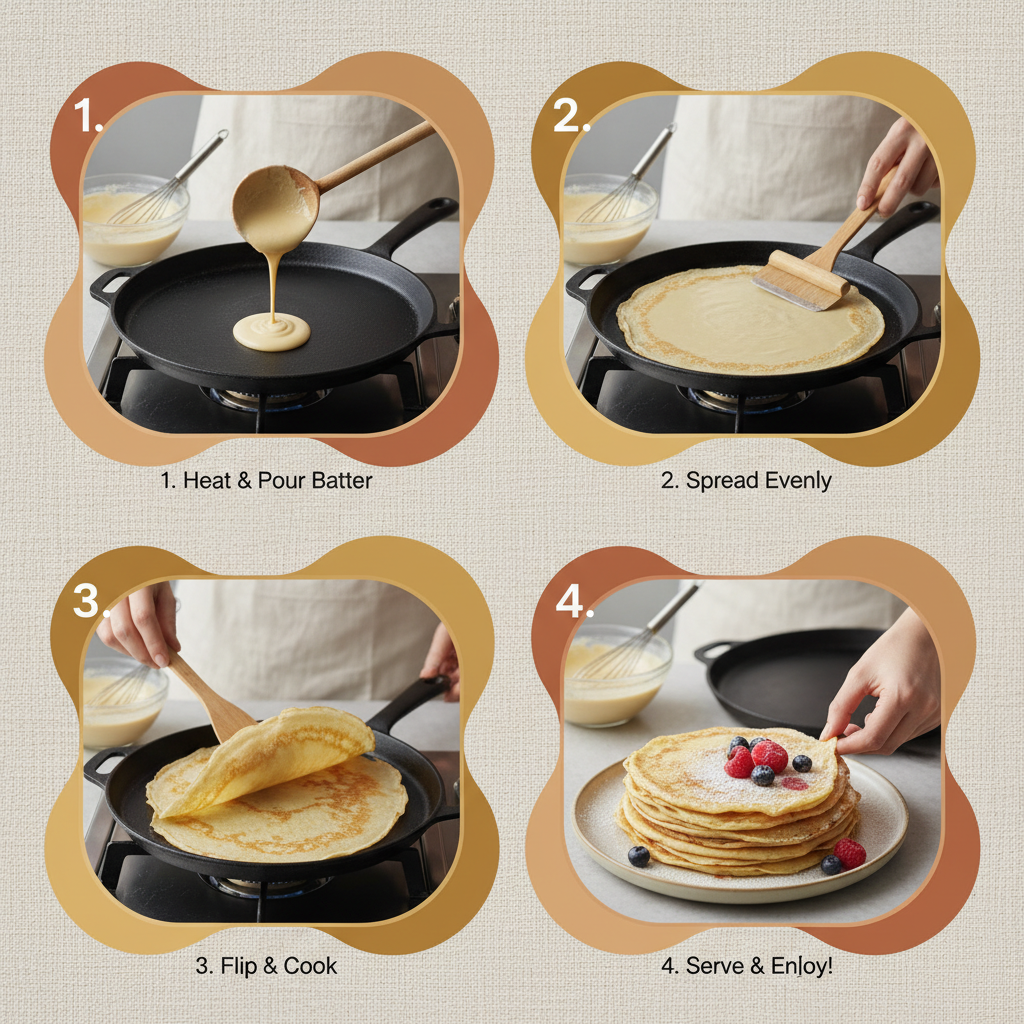
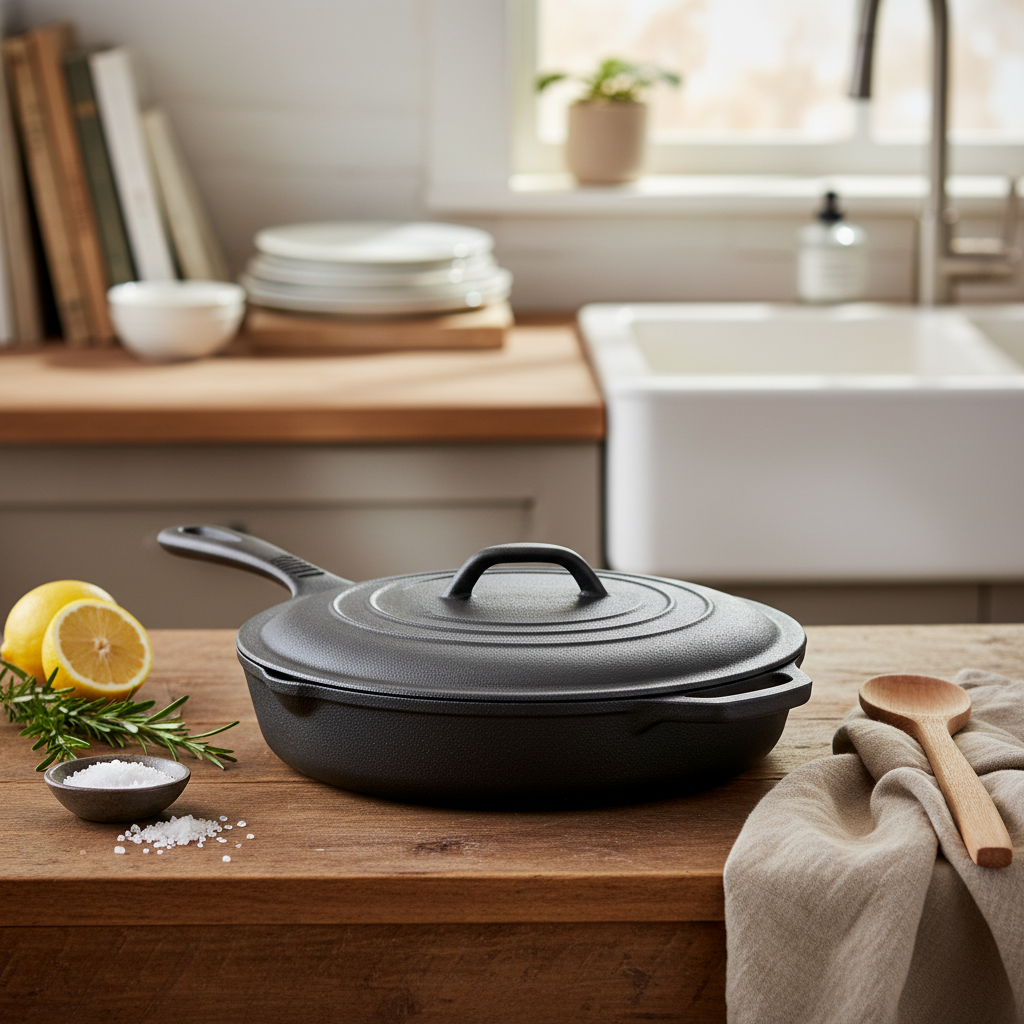
The demand for high-quality cookware is ever-present, and within this sphere, the iron baking sheet holds a significant position. Its versatility, durability, and ability to deliver consistent cooking results have made it a staple in kitchens globally, from professional bakeries to home kitchens. Understanding the nuances of iron baking sheets – from their material composition to their proper care – is crucial for both manufacturers and consumers alike.
The global metal cookware market is projected to continue its growth trajectory, driven by factors like rising disposable incomes, increased culinary interest, and a growing awareness of the benefits of cooking at home. Iron baking sheets, with their unique properties, are poised to capitalize on this trend. However, challenges related to production costs, material sourcing, and competition from alternative materials necessitate innovative solutions.
This exploration delves into the world of the iron baking sheet, examining its definition, key characteristics, diverse applications, long-term advantages, emerging trends, and potential challenges, all while maintaining a focus on the practical benefits for both industry professionals and end-users.
The Role of Iron Baking Sheets in Modern Culinary Practices
The iron baking sheet is no longer simply a kitchen tool; it's a versatile instrument that empowers culinary creativity. From perfectly roasted vegetables and crispy cookies to delicate pastries and savory meats, the even heat distribution of cast iron ensures consistent results. This makes it an invaluable asset for both professional chefs striving for culinary excellence and home cooks seeking reliable performance.
Its inherent ability to retain heat contributes significantly to browning, caramelization, and overall flavor development. The robust nature of the iron allows for high-temperature cooking, exceeding the capabilities of many other baking surfaces. This characteristic is particularly desirable for recipes that require a strong sear or a crisp crust, thus enhancing the culinary experience.
Defining the Iron Baking Sheet: Composition and Characteristics
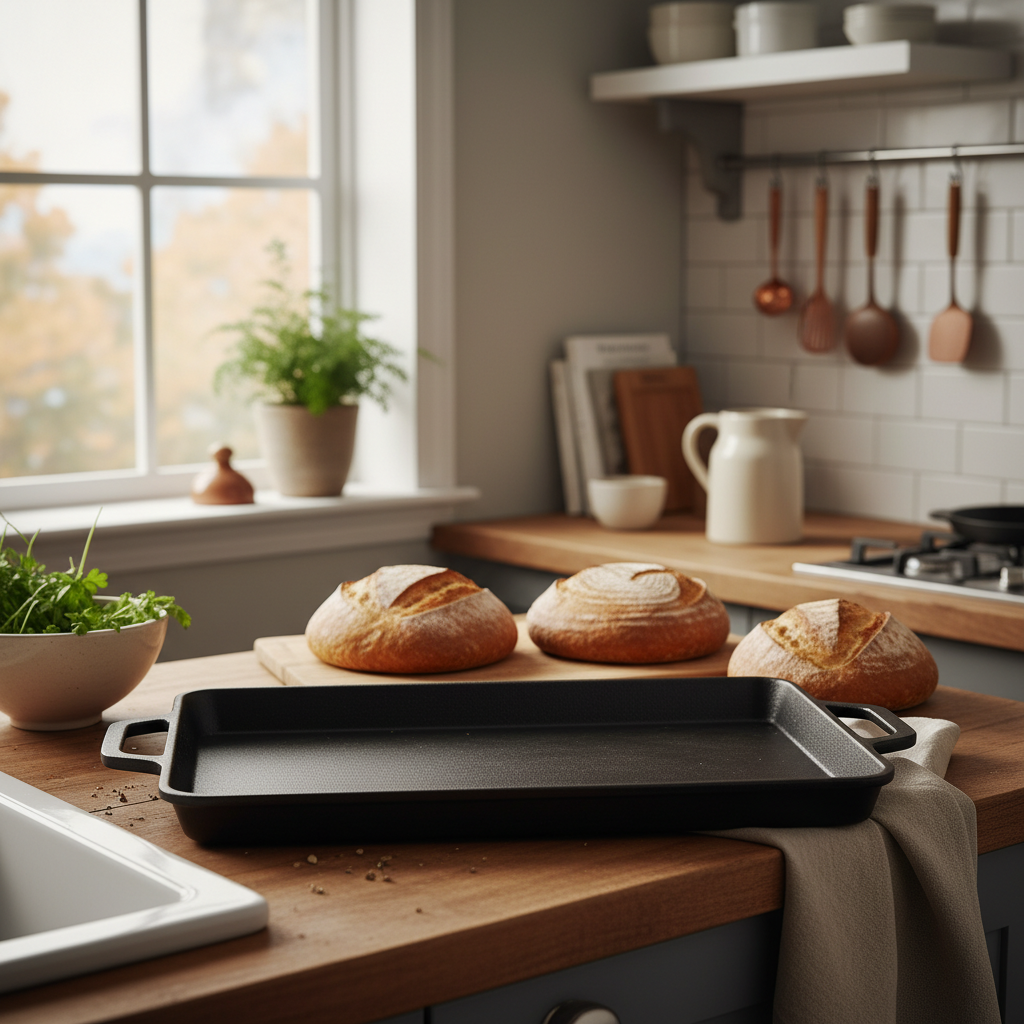
An iron baking sheet is, fundamentally, a flat, rectangular pan typically constructed from cast iron. While variations exist (such as those with non-stick coatings), the core material remains iron, lending the sheet its defining characteristics. The composition often includes a significant percentage of carbon, contributing to the material’s strength and heat retention capabilities. Proper seasoning – a process of repeatedly coating the iron with oil and heating it – creates a naturally non-stick surface and protects against rust.
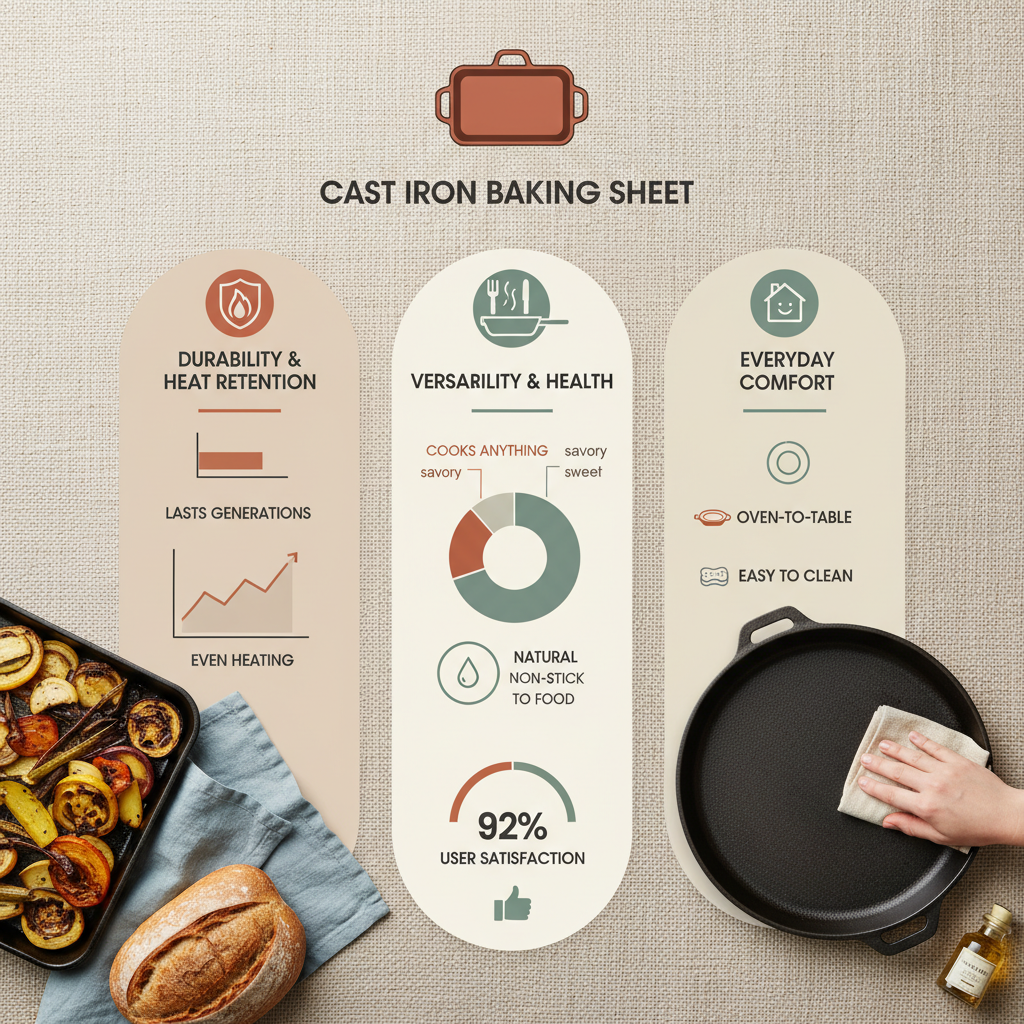
The inherent properties of iron dictate the baking sheet’s performance. High thermal conductivity ensures rapid and even heating, while exceptional heat retention maintains consistent temperatures throughout the cooking process. This is particularly important for delicate baked goods where even heat distribution prevents uneven cooking. The weight of the iron contributes to its stability and prevents warping at high temperatures.
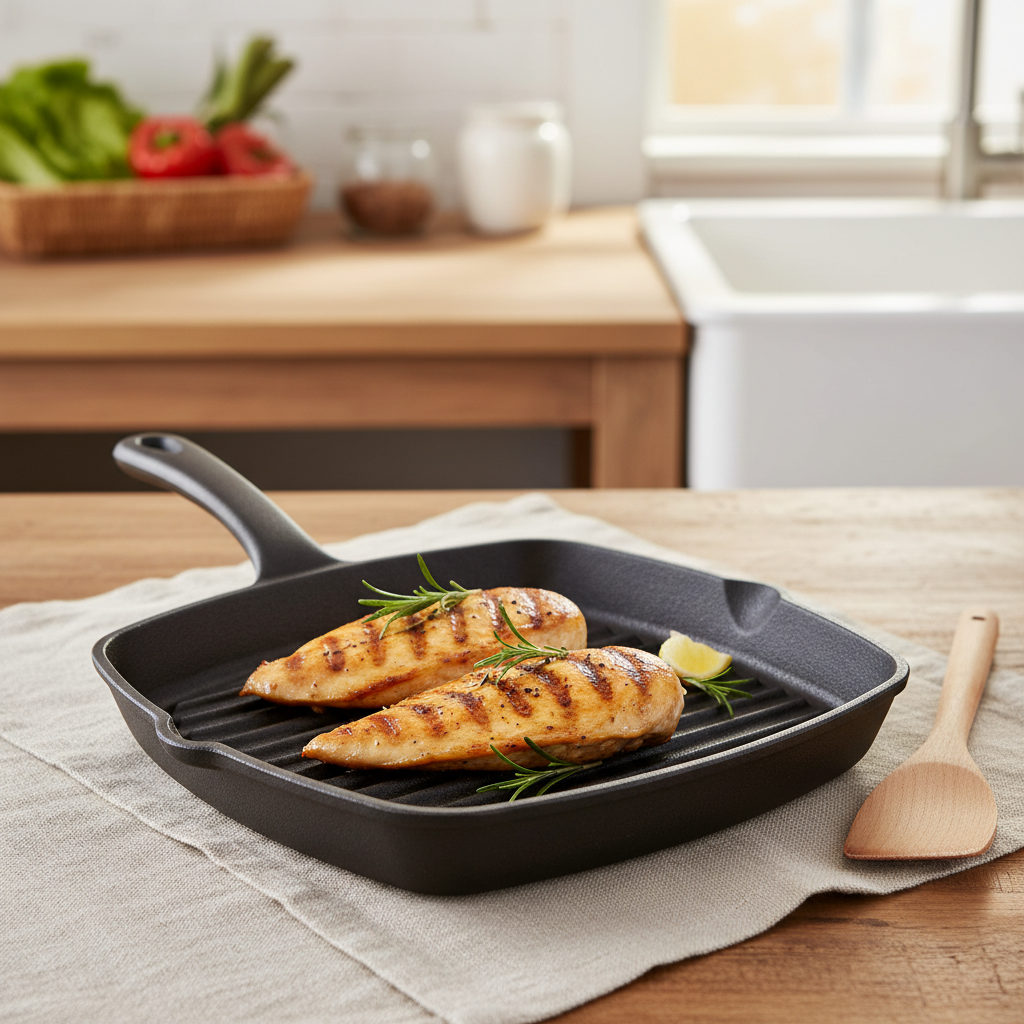
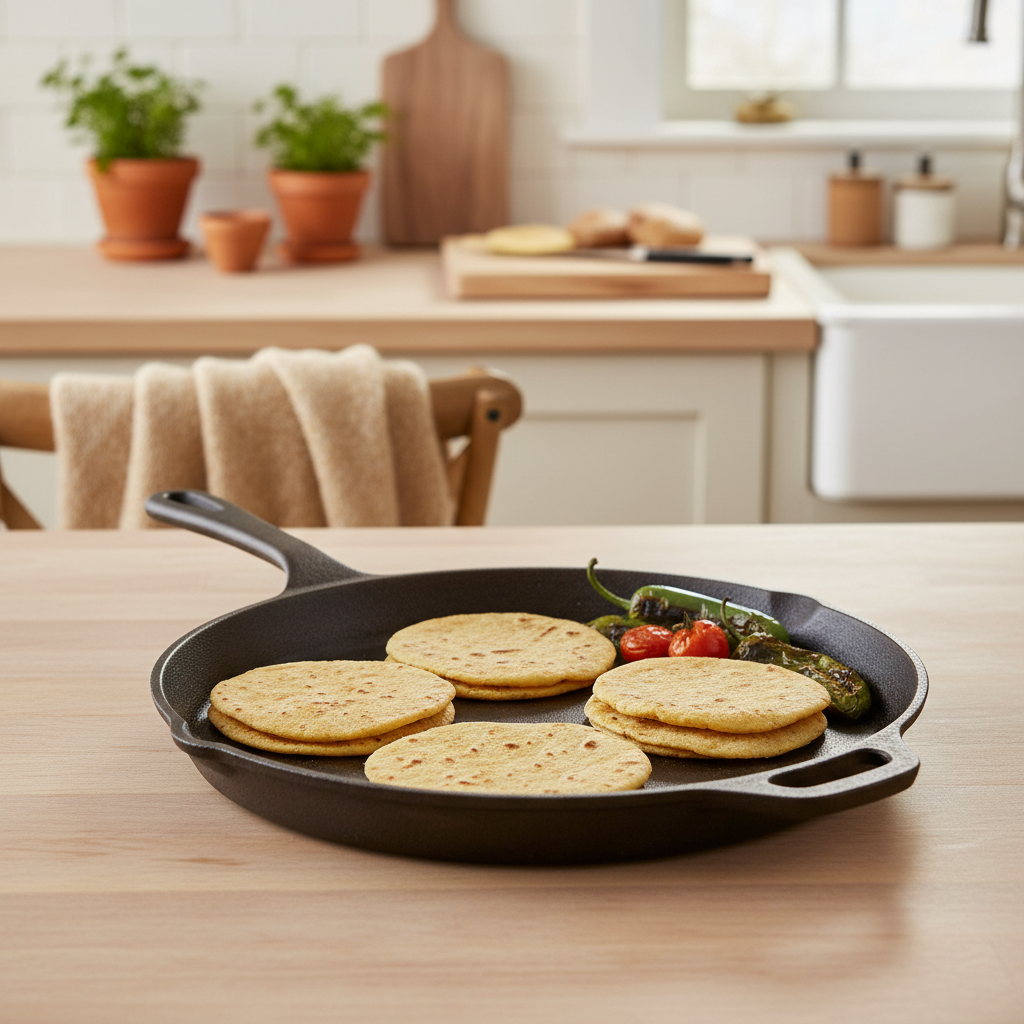
The role of an iron baking sheet extends beyond simple baking. It's used for roasting, broiling, and even as a makeshift grill, demonstrating its versatility and adaptability in the kitchen. This wide range of applications solidifies its position as an essential tool for serious cooks.
Core Attributes of High-Quality Iron Baking Sheets
Several factors determine the quality of an iron baking sheet. Firstly, the purity of the iron is critical; higher-quality sheets are typically made with a greater percentage of iron and minimal impurities. Secondly, the surface finish matters; a smooth, even surface ensures consistent heat distribution and prevents food from sticking. The ability to maintain its flat shape, even under high temperatures, is also a hallmark of a quality sheet.
A well-seasoned iron baking sheet is another vital indicator of quality. The seasoning creates a natural non-stick surface, protecting the iron from rust and enhancing its cooking performance. The evenness and depth of the seasoning directly impact the sheet's ability to release food cleanly and withstand repeated use. The thickness of the iron also impacts heat retention, with thicker sheets generally providing more consistent temperatures.
Durability is a core attribute. A high-quality iron baking sheet, properly cared for, can last for generations. This longevity not only makes it a cost-effective investment but also contributes to sustainable consumption practices, minimizing the need for frequent replacements.
Diverse Applications of Iron Baking Sheets Across Industries
While primarily known for its culinary uses, the versatility of the iron baking sheet extends to various industries. In the food processing sector, they are utilized for commercial baking and roasting operations, handling large volumes with consistent results. Bakeries employ them for producing breads, pastries, and cookies on a large scale, relying on their even heating and durability.
The catering industry also benefits from the heat retention properties of iron baking sheets, particularly for keeping food warm during buffet service or large events. Beyond food-related applications, iron sheets can be found in specialized manufacturing processes where controlled heating is crucial. The robust nature of the material allows for use in environments that demand durability and resistance to high temperatures.
Comparative Performance of Iron Baking Sheet Methods
Advantages and Long-Term Value Proposition
The long-term value of an iron baking sheet is significantly higher than that of many other baking surfaces. Its exceptional durability means it can withstand decades of use, reducing the need for frequent replacements. This translates to cost savings over time and minimizes environmental impact through reduced waste. The ability to distribute heat evenly and retain it efficiently reduces energy consumption during cooking, contributing to sustainability.
Beyond economic benefits, the iron baking sheet promotes a healthier cooking experience. It allows for the reduction of added fats, as food is less likely to stick, and can even enhance the nutritional value of certain foods by increasing iron content. This combination of practical benefits, long-term value, and health advantages makes the iron baking sheet a compelling choice for discerning consumers.
Future Trends and Innovations in Iron Baking Sheet Technology
Innovations in materials science are leading to the development of lighter-weight cast iron alloys that maintain the material's core benefits while improving handling and maneuverability. The integration of advanced coating technologies is also gaining traction, offering enhanced non-stick properties without compromising the inherent advantages of iron.
Smart baking sheets equipped with temperature sensors and wireless connectivity are emerging, providing real-time cooking data and automated temperature control. These advancements align with the broader trend of smart kitchen appliances and offer increased precision and convenience for home cooks. A focus on sustainable manufacturing processes is also shaping the future, with companies exploring eco-friendly materials and reducing carbon emissions during production.
Challenges and Solutions in Iron Baking Sheet Production and Use
One of the primary challenges in iron baking sheet production is maintaining consistent quality and reducing manufacturing defects. This requires stringent quality control measures, investment in advanced casting techniques, and skilled craftsmanship. The weight of traditional cast iron can also be a deterrent for some consumers; addressing this through lighter-weight alloys is a key area of innovation.
Proper seasoning and maintenance are crucial for preventing rust and maintaining the non-stick surface. Educating consumers on best practices for seasoning, cleaning, and storing iron baking sheets is essential. Developing pre-seasoned sheets that require minimal initial effort can also enhance user experience.
Addressing concerns about potential lead or other heavy metal leaching is paramount. Utilizing food-grade iron and adhering to strict manufacturing standards ensures the safety and reliability of iron baking sheet products.
Summary of Iron Baking Sheet Maintenance Best Practices
| Maintenance Stage |
Recommended Frequency |
Specific Actions |
Potential Issues & Solutions |
| Initial Seasoning |
Before First Use |
Apply thin layer of oil, bake at high temperature for 1 hour. Repeat 3-4 times. |
Uneven coating - Re-season. Sticky residue - Increase bake time. |
| Daily Cleaning |
After Each Use |
Hand wash with mild soap and warm water. Dry thoroughly. Apply light oil coat. |
Rust Spots - Scrub gently with steel wool and re-season. |
| Deep Cleaning |
Every 6-12 Months |
Remove all seasoning and re-season completely. |
Persistent food buildup - Use a chainmail scrubber. |
| Storage |
Always |
Store in a dry place. Prevent contact with moisture. |
Rust development - Dry thoroughly before storing. |
| Seasoning Maintenance |
As Needed |
Re-oil and bake if food starts sticking or rust appears. |
Dull surface - Apply multiple thin coats of oil. |
| Acidic Food Handling |
Limit Exposure |
Avoid prolonged cooking of acidic foods (tomatoes, citrus) as they can strip seasoning. |
Stripped Seasoning - Immediately re-season the sheet. |
FAQS
Seasoning an iron baking sheet involves coating it with a thin layer of oil (such as flaxseed, vegetable, or canola oil) and baking it in the oven at a high temperature (typically 400-450°F) for at least an hour. Repeat this process 3-4 times to build up a durable, naturally non-stick surface. Ensure the oil is spread evenly and that the sheet is thoroughly dried before each baking cycle. This process creates polymerization, bonding the oil to the iron.
No, it is strongly discouraged to put an iron baking sheet in the dishwasher. The harsh detergents and prolonged exposure to water will strip away the seasoning, causing rust and degrading the non-stick surface. Hand washing with mild soap and warm water is the recommended cleaning method. Immediately dry the sheet thoroughly after washing and apply a light coat of oil to prevent rust.
To remove rust, gently scrub the affected areas with fine steel wool or a rust eraser. Avoid abrasive cleaners that can damage the iron. After removing the rust, wash the sheet with mild soap and warm water, dry it completely, and re-season it thoroughly. Preventing rust is always preferable through proper cleaning and oiling after each use.
Highly acidic foods, like tomatoes, citrus fruits, and vinegar-based sauces, should be limited when cooking on an iron baking sheet. These foods can react with the iron and strip away the seasoning, potentially imparting a metallic taste to the food. If you do cook acidic foods, ensure the seasoning is well-established and re-season the sheet afterward if necessary.
Yes, a properly maintained iron baking sheet is perfectly safe for cooking. Modern cast iron cookware typically undergoes processes to minimize the presence of lead and other harmful metals. The seasoning process further creates a barrier between the food and the iron. Regularly seasoning and avoiding harsh cleaning methods ensure continued safety.
Preventing food from sticking relies heavily on maintaining a well-seasoned surface. Ensure the sheet is properly seasoned before first use and consistently after each wash. When cooking, use adequate oil or fat. Preheating the sheet before adding food can also minimize sticking. Avoid abrupt temperature changes, as they can affect the seasoning.
Conclusion
The iron baking sheet stands as a testament to enduring culinary technology. Its combination of durability, even heating, and versatility makes it an invaluable asset for both home cooks and professional chefs. From its traditional applications in baking and roasting to its potential in emerging smart kitchen technologies, the iron baking sheet continues to evolve and adapt to meet the demands of a changing culinary landscape.
Investing in a high-quality iron baking sheet is not merely purchasing a cooking tool; it's acquiring a durable, reliable, and sustainable addition to your kitchen. By understanding the principles of proper seasoning, maintenance, and utilization, you can unlock the full potential of this timeless kitchen staple and enjoy a lifetime of exceptional cooking experiences. Visit our website at www.foundryasia.com to explore our comprehensive range of cast iron cookware.