The 8x8 cast iron pan stands as a cornerstone of versatile cookware, bridging the gap between a compact skillet and a deep baking dish. In the modern culinary landscape, the demand for cookware that can transition seamlessly from a stovetop sear to an oven roast has made this specific dimension a global favorite for home chefs and professional kitchens alike.
Understanding the nuances of the 8x8 cast iron pan is essential for anyone looking to maximize heat retention and distribution in their cooking. Unlike thinner aluminum or stainless steel alternatives, the dense molecular structure of cast iron provides an unmatched thermal mass, ensuring that food is cooked evenly without the frustrating "cold spots" common in cheaper cookware.
Beyond mere functionality, investing in a high-quality 8x8 cast iron pan is a commitment to sustainability. In an era of disposable non-stick coatings that degrade over time, a well-seasoned cast iron piece can last for generations, offering a natural, non-toxic surface that actually improves with age and use.
The Global Relevance of the 8x8 Cast Iron Pan
From a global industrial perspective, the 8x8 cast iron pan represents a convergence of traditional metallurgy and modern consumer demand. As urbanization increases and kitchen spaces in metropolitan areas like Tokyo, New York, and London shrink, the "square" format of the 8x8 pan provides a space-efficient alternative to large circular skillets while maintaining the heavy-duty capacity required for professional-grade cooking.
Industry data suggests a resurgence in "slow living" and traditional cooking methods, aligning with ISO standards for durable consumer goods. The challenge many modern consumers face is the proliferation of "forever chemicals" in non-stick pans; the cast iron solution addresses this by providing a chemical-free, biocompatible surface that is safe for the entire family and the environment.
Defining the 8x8 Cast Iron Pan in Modern Industry
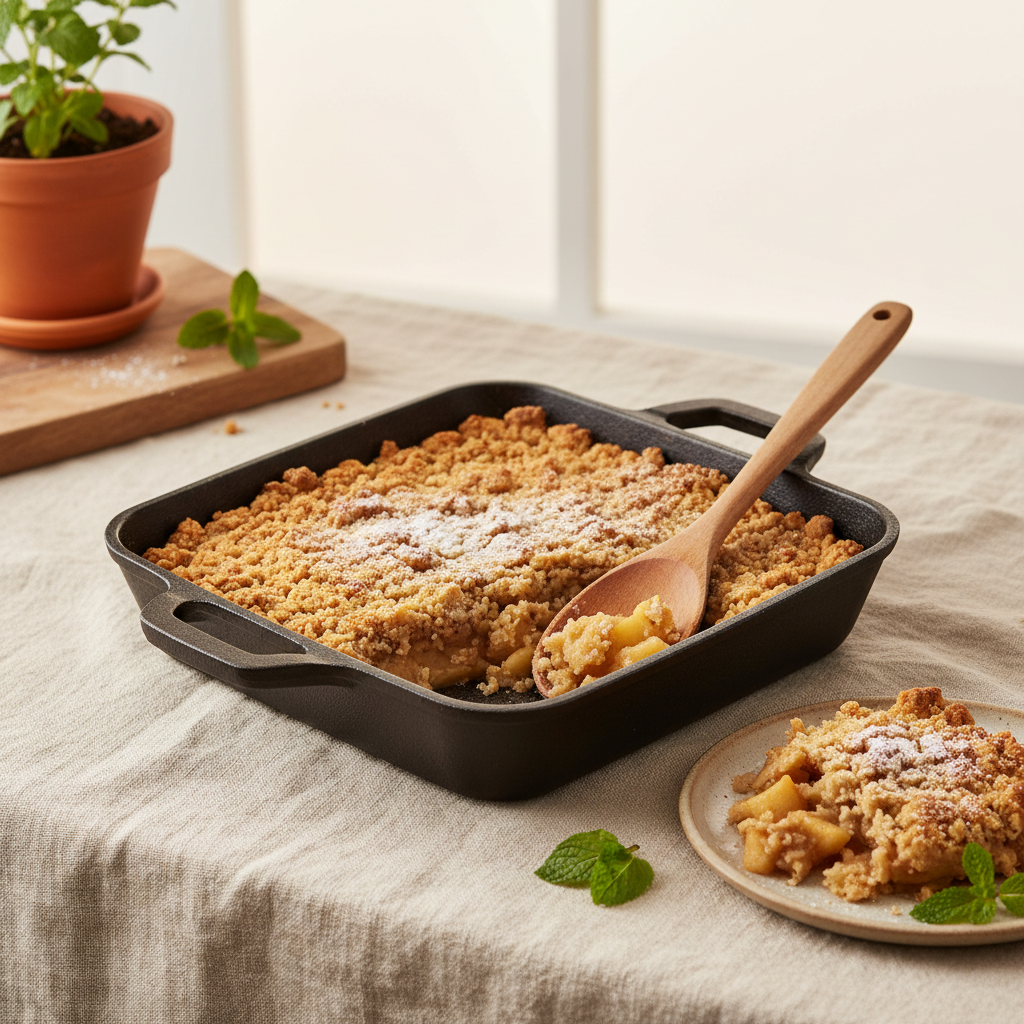
In simple technical terms, an 8x8 cast iron pan is a square-shaped cooking vessel cast from molten iron, typically containing a specific percentage of carbon to ensure fluidity during the casting process and strength in the final product. Unlike a standard skillet, its vertical walls and square base make it a hybrid between a frying pan and a casserole dish, allowing it to handle everything from cornbread to braised meats.
In the context of the metal products industry, this pan is a testament to the precision of sand-casting and centrifugal casting techniques. The goal is to achieve a uniform wall thickness that prevents warping under extreme heat, ensuring that the pan remains flat on induction, gas, or electric cooktops across different global markets.
Beyond the kitchen, the production of these pans supports a wider industrial ecosystem of smelting and finishing. The shift toward pre-seasoned pans—where vegetable oils are baked into the metal at high temperatures—demonstrates how the industry has evolved to meet the needs of the "instant-use" consumer while preserving the ancient benefits of cast iron.
Core Components of Cast Iron Excellence
The durability of an 8x8 cast iron pan is rooted in its material density. Because cast iron can withstand temperatures far exceeding those of most other cookware, it is virtually indestructible, resisting scratches and high-heat deformations that would ruin a Teflon-coated pan in months.
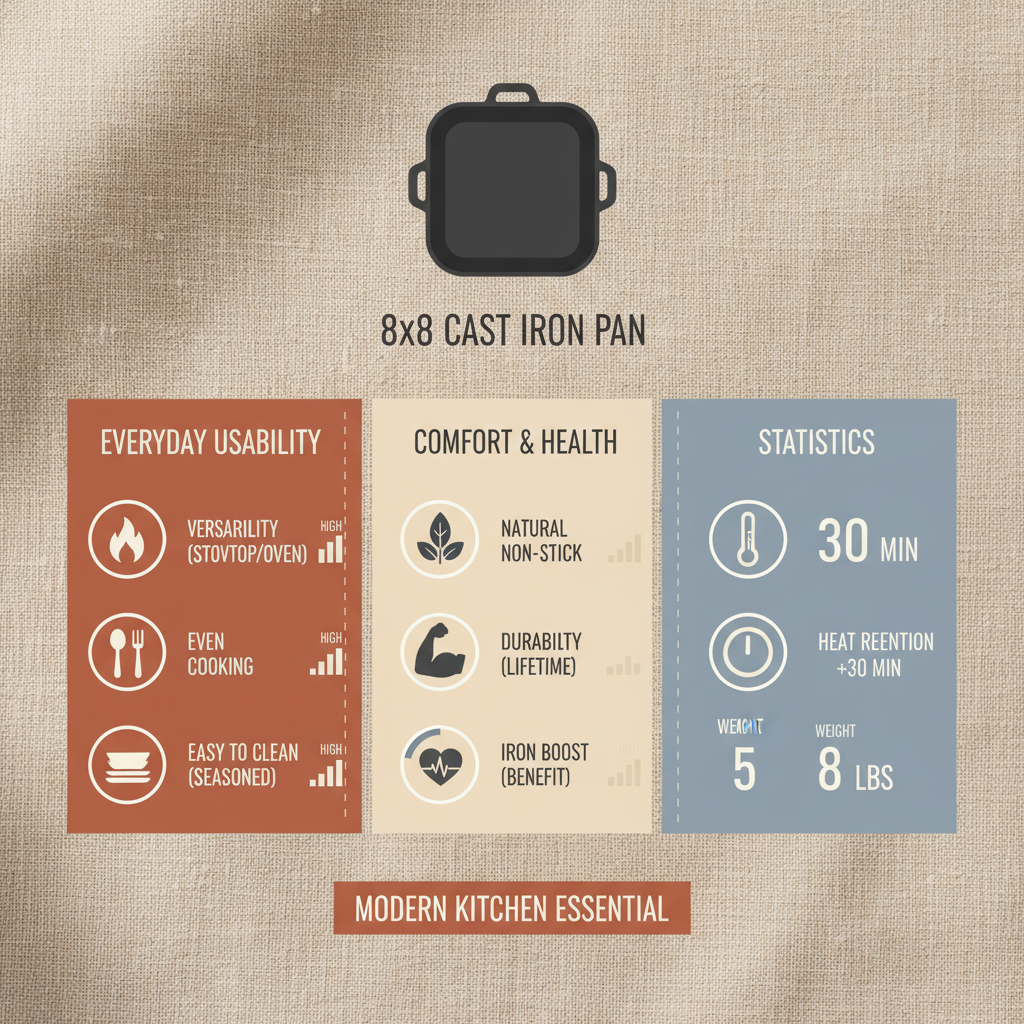
Thermal scalability is another critical factor. An 8x8 cast iron pan distributes heat with a slow but steady intensity. This means that once the pan reaches the desired temperature, it remains stable even when cold ingredients are added, which is essential for achieving a perfect sear on proteins.
Finally, the cost-efficiency and lifecycle value are unmatched. While the initial investment in a high-quality 8x8 cast iron pan might be higher than a disposable aluminum tray, the "cost per use" over a lifetime is nearly zero, making it the most economical choice for the conscious consumer.
Practical Applications and Performance Metrics
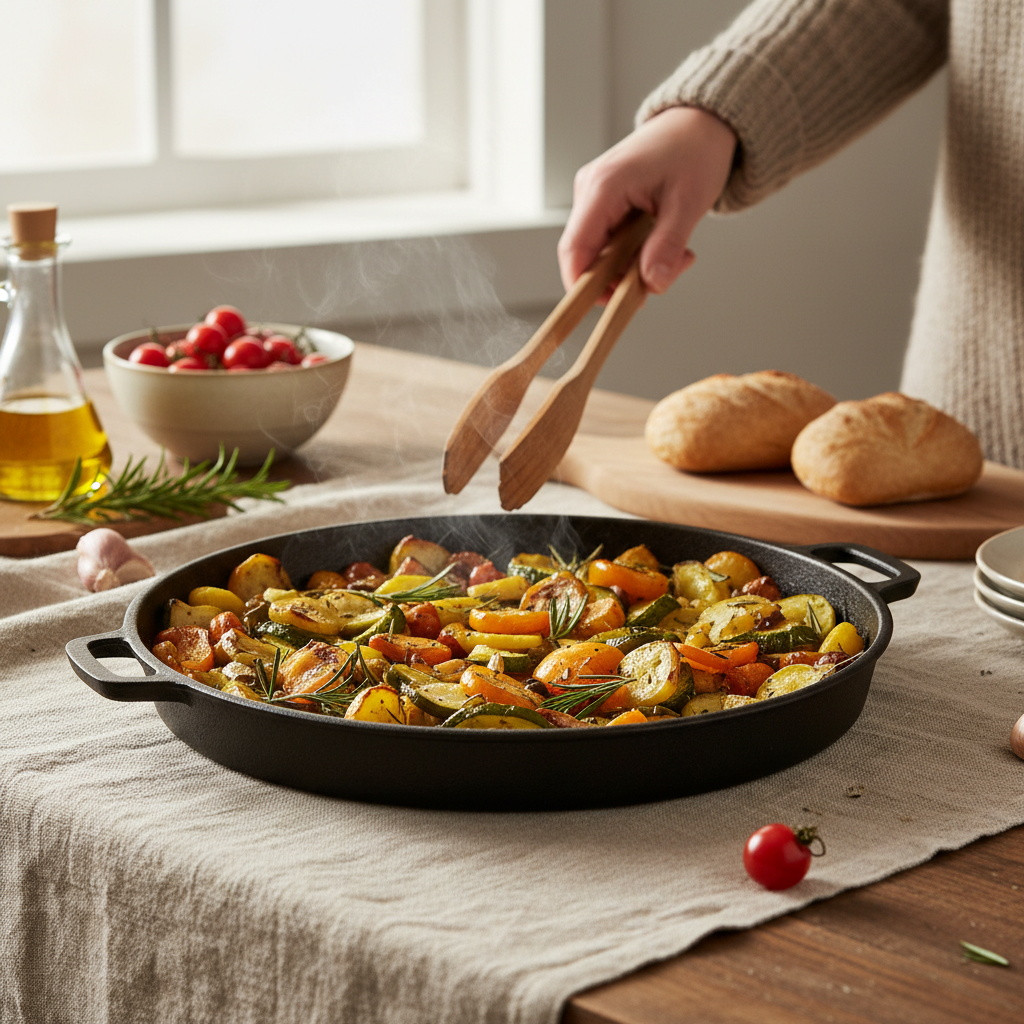
The versatility of the 8x8 cast iron pan makes it a staple in various culinary settings. From baking deep-dish focaccia to searing scallops or slow-roasting a small chicken, its unique geometry allows for optimal airflow in the oven and concentrated heat on the stove.
To understand why this specific size is so highly rated, we can look at the performance metrics compared to other common materials. The thermal mass of cast iron ensures that heat is held longer, which is a critical metric for professional chefs who need to keep food warm during plating.
Comparative Performance of 8x8 Cast Iron Pan Variants
Global Use Cases and Culinary Versatility
In real-world applications, the 8x8 cast iron pan is frequently utilized in outdoor cooking and camping expeditions. Because it can be placed directly over an open flame or hot coals, it serves as a reliable tool for those in remote industrial zones or disaster-relief operations where standard electrical kitchens are unavailable.
In high-end gastronomy, the pan is used for "tableside" service. The high heat capacity of the 8x8 cast iron pan ensures that a dish remains sizzling hot from the kitchen to the customer's table, enhancing the sensory experience and maintaining the integrity of the food's texture.
Long-Term Value and Sustainability Benefits
The long-term value of an 8x8 cast iron pan extends beyond its utility to its environmental impact. Unlike polymer-coated pans that end up in landfills every few years, cast iron is 100% recyclable. It is a "buy it once, keep it forever" product that encourages a shift away from the culture of planned obsolescence.
From an emotional standpoint, these pans often become family heirlooms. The process of seasoning a pan—building up layers of carbonized oil—is a ritual that connects generations. This creates a sense of trust and reliability that modern, mass-produced plastic-handled cookware simply cannot replicate.
Logically, the health benefits are equally compelling. By eliminating the risk of PFOA or PFAS leaching into food at high temperatures, the 8x8 cast iron pan provides a safe, natural alternative that supports a healthy lifestyle without compromising on professional results.
Future Trends in Cast Iron Manufacturing
The future of the 8x8 cast iron pan lies in the integration of green energy within the smelting process. Leading foundries are exploring the use of induction furnaces powered by renewable energy and recycled scrap iron to reduce the carbon footprint of each unit produced.
Automation and digital twin technology are also transforming the casting process. By using AI to simulate the cooling process of the molten iron, manufacturers can reduce porosity and internal stresses in the 8x8 cast iron pan, resulting in a smoother surface finish and even better heat distribution.
Furthermore, we are seeing a trend toward "hybrid" cast iron, combining the traditional heavy base with lighter, ergonomic handles or advanced enamel coatings that provide the benefits of cast iron with the ease of cleaning found in ceramic.
Analysis of Cast Iron Pan Manufacturing Variants
| Material Grade |
Heat Distribution |
Maintenance Level |
Lifespan Score (1-10) |
| Standard Gray Iron |
Excellent |
Medium (Seasoning req.) |
10 |
| Enameled Iron |
Very Good |
Low (Easy clean) |
8 |
| Polished Cast Iron |
Good |
High (Initial prep) |
9 |
| Lightweight Alloy |
Moderate |
Medium |
7 |
| Industrial Grade |
Superior |
Medium |
10 |
| Artisanal Sand-Cast |
Excellent |
High |
9 |
FAQS
The square geometry of the 8x8 cast iron pan maximizes oven space and provides consistent corner-to-edge heat. This is particularly beneficial for cakes, cornbread, and brownies, as it prevents the center from remaining undercooked while the edges overcook, a common issue in circular pans. Additionally, the straight walls provide better support for layered dishes.
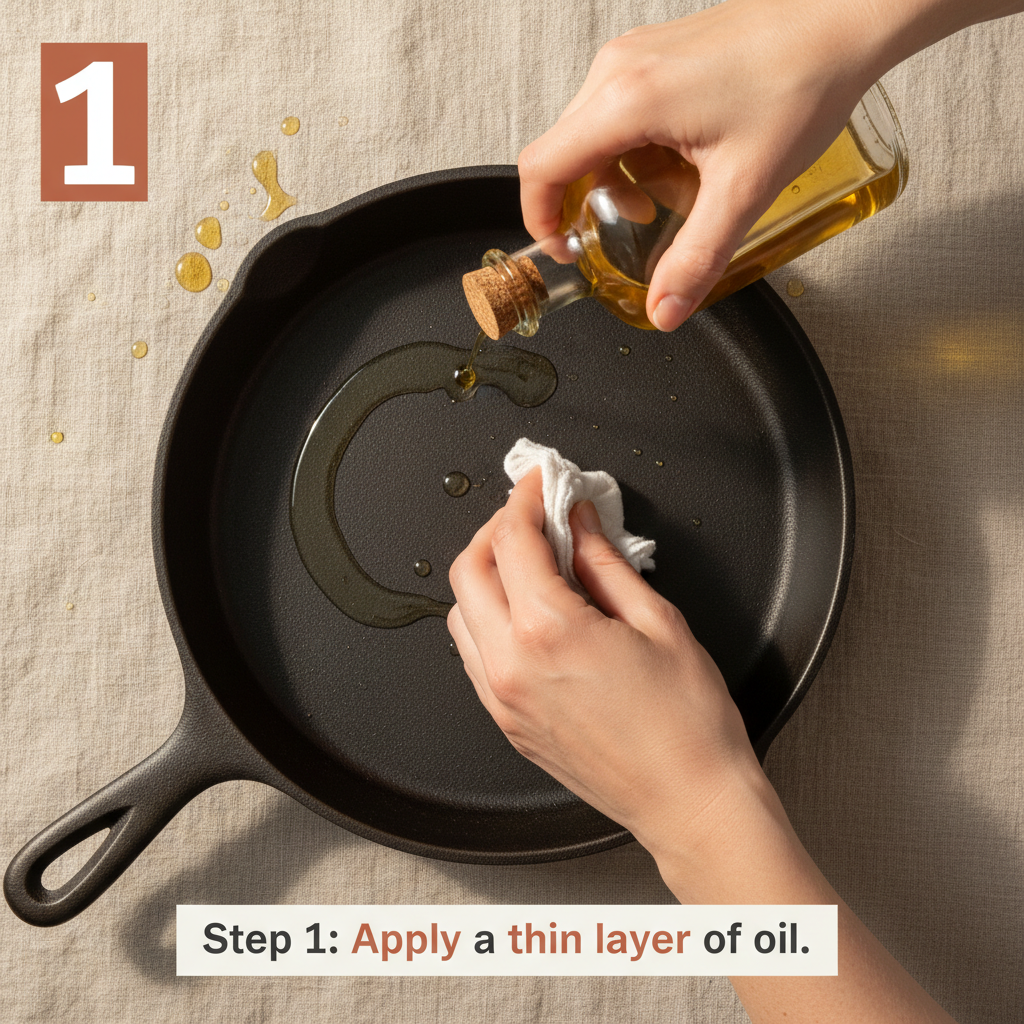
The key is maintaining the "seasoning"—a layer of polymerized oil. After each use, wash the pan with mild soap or just hot water, dry it immediately and thoroughly on the stovetop, and apply a very thin layer of flaxseed or grapeseed oil before storing. Never let a cast iron pan soak in water or air dry, as this is the primary cause of oxidation.
Yes, cast iron is naturally ferromagnetic, making it highly compatible with induction cooktops. However, because cast iron is heavier and can be slightly uneven, it is recommended to heat the pan slowly to avoid thermal shock to the glass surface of the induction hob. The flat bottom of a quality 8x8 pan ensures maximum contact and efficiency.
For most modern users, yes. Pre-seasoning is done in a controlled industrial oven at temperatures that are difficult to achieve at home, creating a robust, non-stick base from day one. While you can season a raw pan yourself, pre-seasoned pans remove the guesswork and allow you to start cooking immediately with confidence.
Avoid using harsh steel wool which can strip your seasoning. Instead, use a coarse salt scrub: pour a generous amount of kosher salt into the pan and scrub with a paper towel or a stiff brush. For stubborn residue, simmer a small amount of water in the pan to loosen the debris, then scrape it away with a wooden spatula.
Absolutely not. Dishwasher detergents are highly alkaline and will strip away the hard-earned seasoning, leaving the bare metal exposed to moisture and rapid rusting. To preserve the longevity and non-stick properties of your cast iron, always hand-wash and dry immediately.
Conclusion
The 8x8 cast iron pan is far more than just a piece of cookware; it is a fusion of industrial durability and culinary artistry. By offering unparalleled heat retention, a non-toxic cooking surface, and a lifespan that spans generations, it solves the modern dilemma of choosing between convenience and sustainability. Whether used for a simple breakfast or a complex gourmet roast, its reliability remains unmatched.
As we move toward a future of more mindful consumption and eco-friendly manufacturing, the timeless nature of cast iron becomes even more significant. We encourage chefs and home cooks alike to embrace the ritual of cast iron care, knowing that they are investing in a tool that improves with every meal. For those seeking professional-grade cookware that stands the test of time, explore our full range at Visit our website: www.foundryasia.com.