The humble iron baking pan, a kitchen staple for centuries, represents far more than just cookware. It embodies a legacy of durability, culinary tradition, and increasingly, a renewed focus on sustainable living. From the rustic hearths of our ancestors to the modern kitchens of today, the iron baking pan has consistently delivered reliable performance and unique flavor profiles. Understanding its properties, applications, and evolution is crucial for both home cooks and culinary professionals seeking quality and longevity in their kitchen tools.
Globally, the demand for robust and reliable cookware is consistently high, driven by factors like increasing population, evolving dietary preferences, and a growing awareness of the environmental impact of disposable products. The versatility of the iron baking pan, capable of handling high temperatures and various cooking methods, makes it ideally suited for diverse culinary traditions worldwide. Statistics from the World Health Organization suggest a rising emphasis on food safety and quality, further bolstering the appeal of materials like iron, known for their inherent non-toxic properties.
However, challenges remain in modernizing production methods and addressing concerns regarding seasoning and maintenance. A renewed focus on educating consumers about the proper care and benefits of iron baking pans is vital to ensure their continued popularity and sustainable use. This exploration will delve into all facets of the iron baking pan – its definition, core components, applications, advantages, and future trends.
The Essence of the Iron Baking Pan
At its core, the iron baking pan represents a connection to a time-honored tradition of cooking. Unlike its modern counterparts, an iron baking pan isn't just a vessel for food; it’s a tool that improves with age and use, developing a natural, non-stick patina through a process called seasoning. This seasoning, built up over time, imbues food with unique flavors and enhances the cooking experience.
The enduring appeal of the iron baking pan lies in its simplicity and reliability. It’s a testament to the principle that sometimes, the most effective solutions are also the most straightforward. Its ability to retain and distribute heat evenly, along with its exceptional durability, makes it a favored choice among chefs and home cooks alike.
Defining the Iron Baking Pan
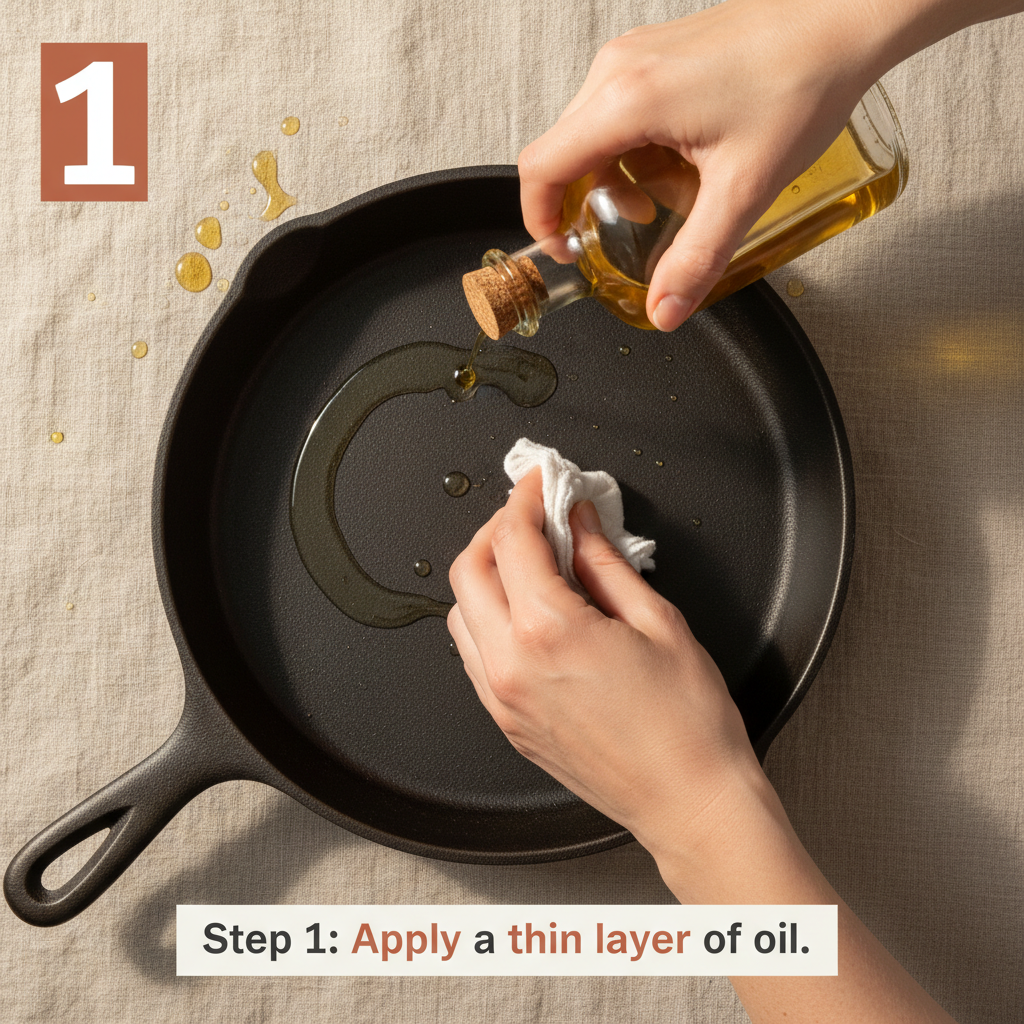
An iron baking pan is a cookware item constructed primarily from cast iron or wrought iron. The material's inherent properties allow it to withstand incredibly high temperatures, making it ideal for searing, baking, frying, and even open-fire cooking. Unlike non-stick pans that rely on synthetic coatings, the iron baking pan develops its non-stick surface naturally through seasoning – a process of repeatedly applying and baking thin layers of oil.
The connection to modern industry lies in the continuous refinement of casting and machining techniques, allowing for the production of lighter, more precisely crafted iron baking pans. Furthermore, there's a growing emphasis on sustainable manufacturing processes, utilizing recycled iron and reducing energy consumption. This aligns with a broader trend towards eco-conscious consumerism.
In humanitarian contexts, the iron baking pan’s durability and ability to function without electricity make it particularly valuable in regions with limited resources. Its longevity ensures it provides a long-term cooking solution, reducing the need for frequent replacements and minimizing waste.
Core Components and Characteristics
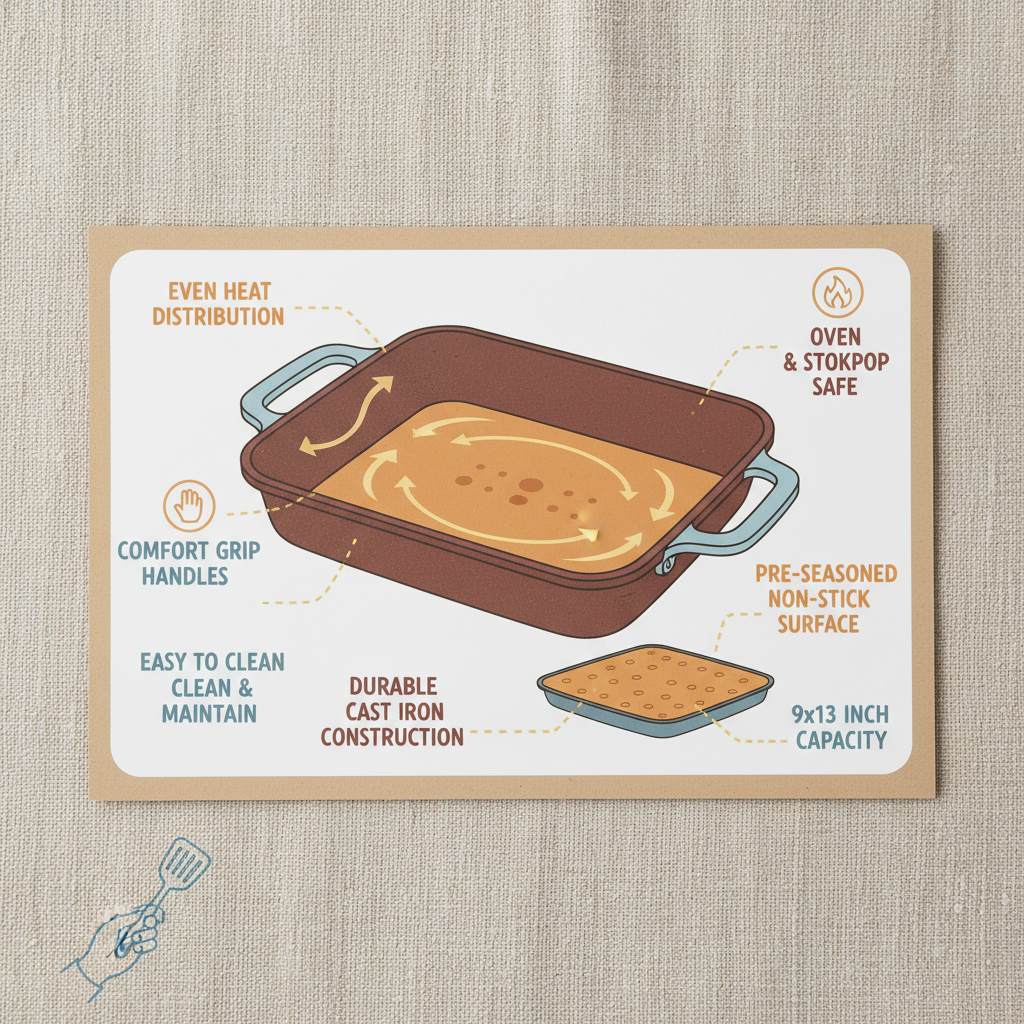
The defining characteristic of an iron baking pan is, unsurprisingly, the iron itself. Traditionally made from cast iron – an alloy of iron, carbon, and silicon – modern pans sometimes incorporate small amounts of other metals to enhance specific properties. The thickness of the iron contributes to its heat retention and distribution capabilities.
Seasoning is a critical component, forming a protective layer that prevents rust and creates a naturally non-stick surface. This layer is built up over time through consistent use and proper maintenance. The quality of the seasoning directly impacts the pan's performance and longevity. Proper maintenance and regular seasoning are essential to preserve the pan’s non-stick properties and prevent corrosion.
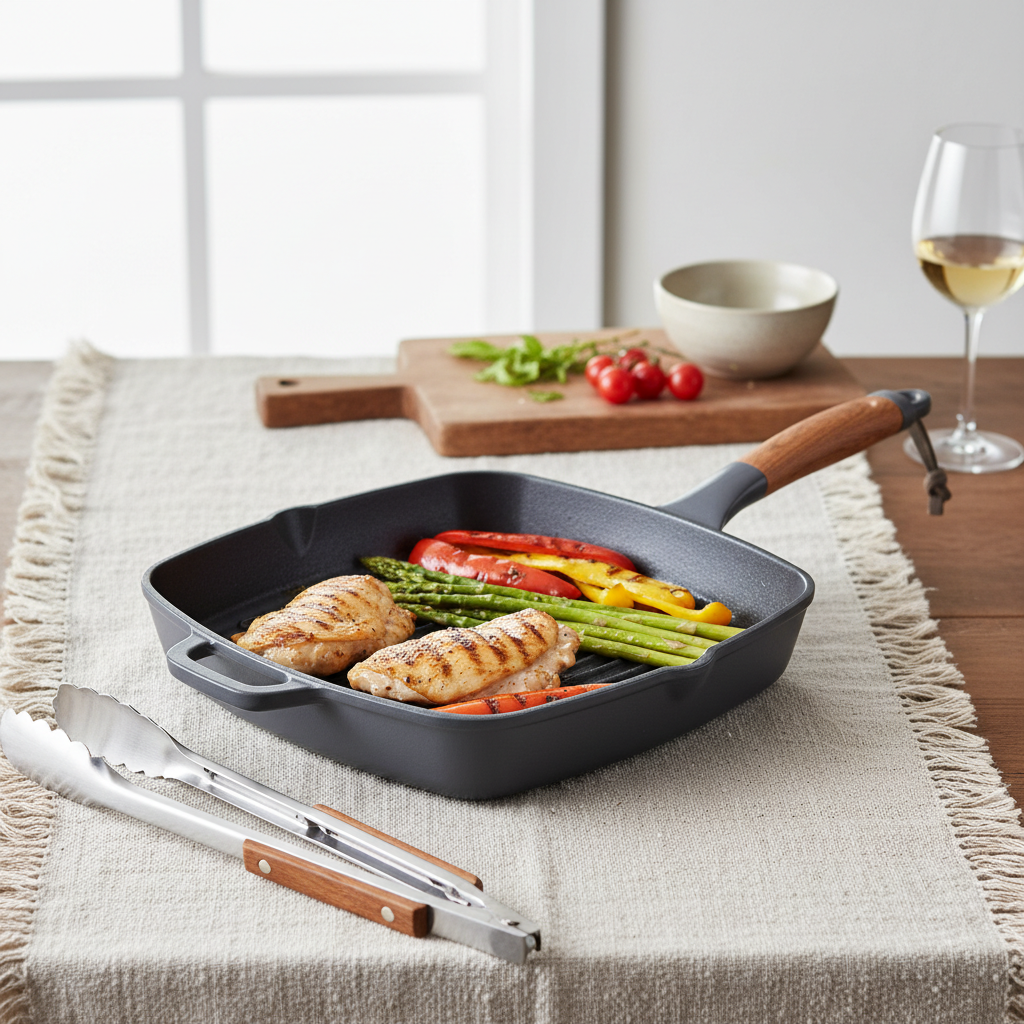
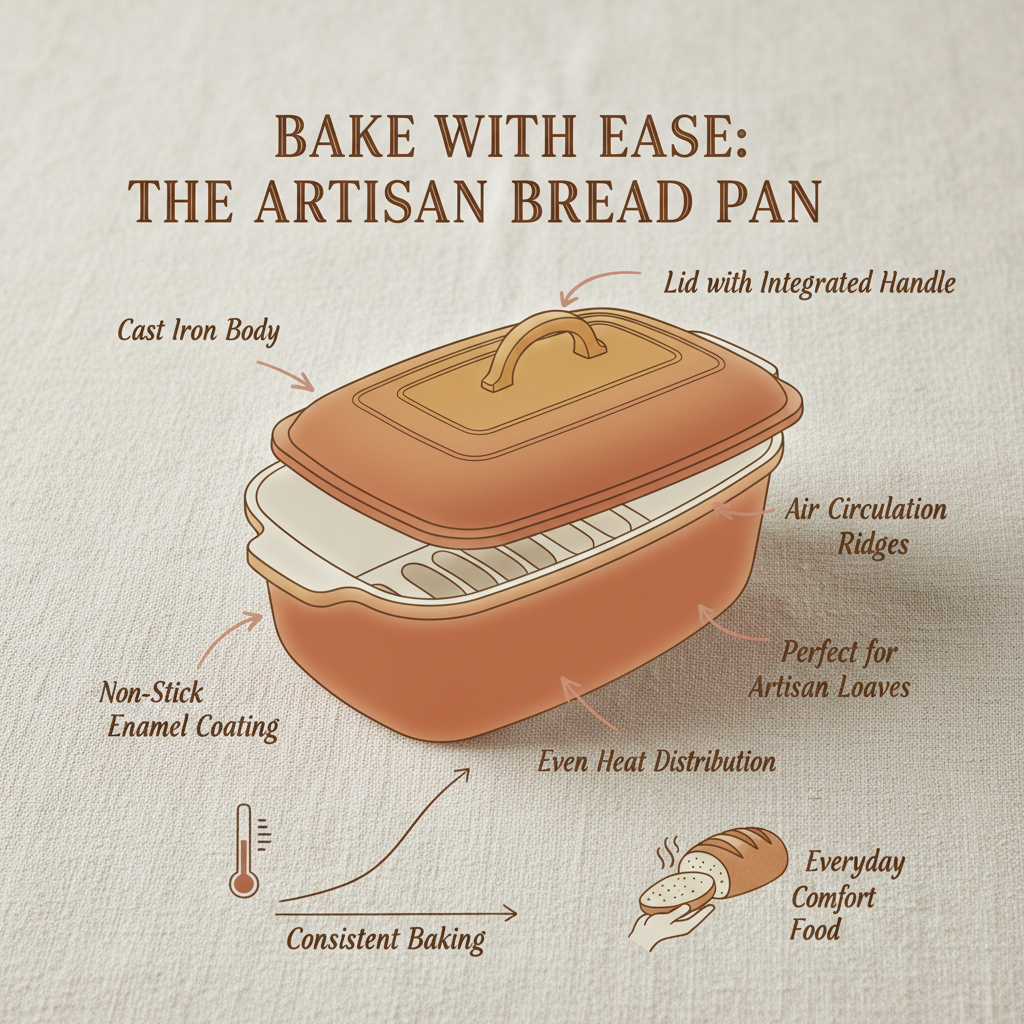
Finally, the design and shape of the pan – whether it’s a skillet, Dutch oven, or loaf pan – influence its functionality. Different shapes are suited for different cooking methods, showcasing the versatility of iron cookware. Ergonomic handles and well-balanced weight distribution further enhance the user experience.
Durability and Performance Metrics
The exceptional durability of an iron baking pan is one of its most celebrated attributes. With proper care, a single pan can last for generations, becoming a cherished heirloom. This longevity translates to significant cost savings over time compared to frequently replacing non-stick cookware.
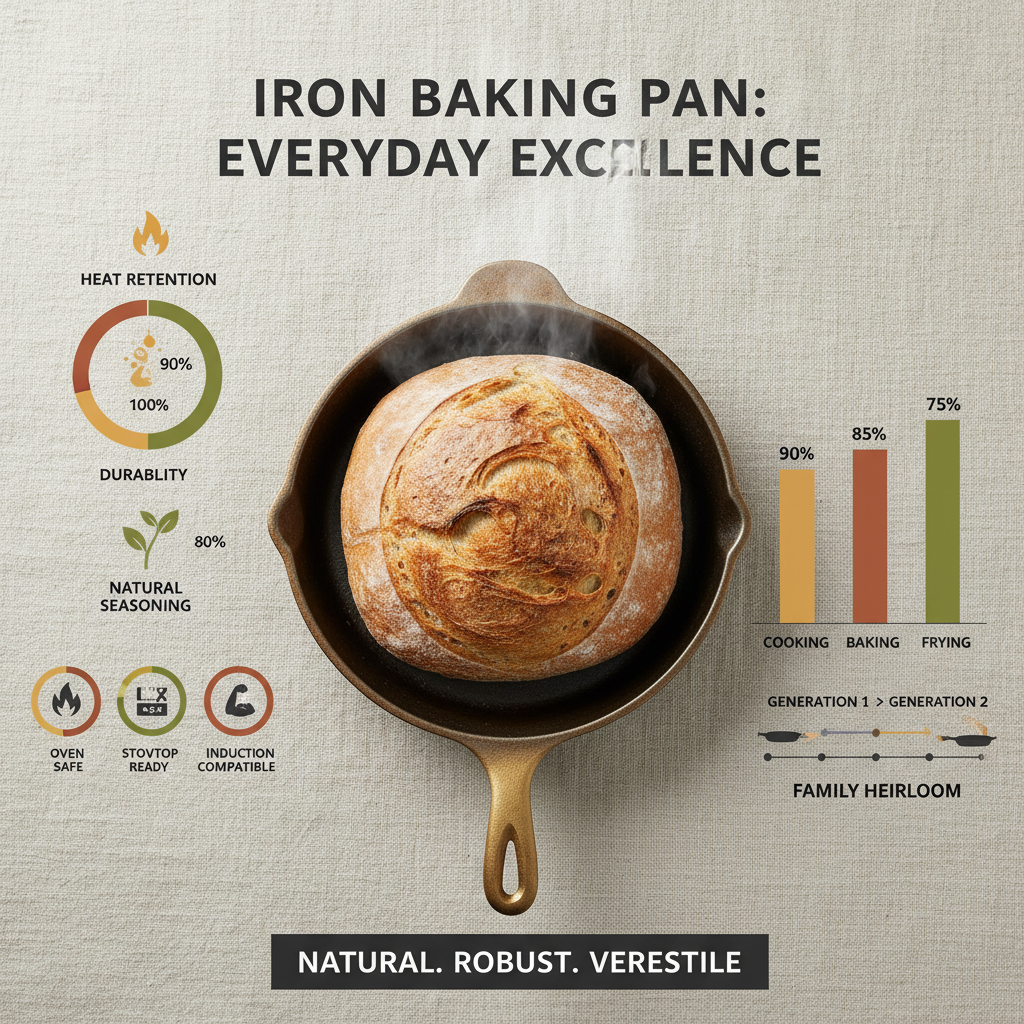
Performance metrics center around heat retention and distribution. Iron excels in these areas, providing consistent and even heating that's ideal for searing, baking, and slow cooking. Testing reveals that iron pans maintain stable temperatures even when exposed to rapid temperature changes, a crucial factor for achieving optimal cooking results.
Iron Baking Pan Performance Comparison
Global Applications and Culinary Traditions
The iron baking pan holds a revered place in numerous culinary traditions worldwide. In Japan, tetsubin (iron kettles) are used for brewing tea, enhancing its flavor and providing health benefits. In Mexico, traditional comales – flat iron griddles – are essential for making tortillas and other dishes.
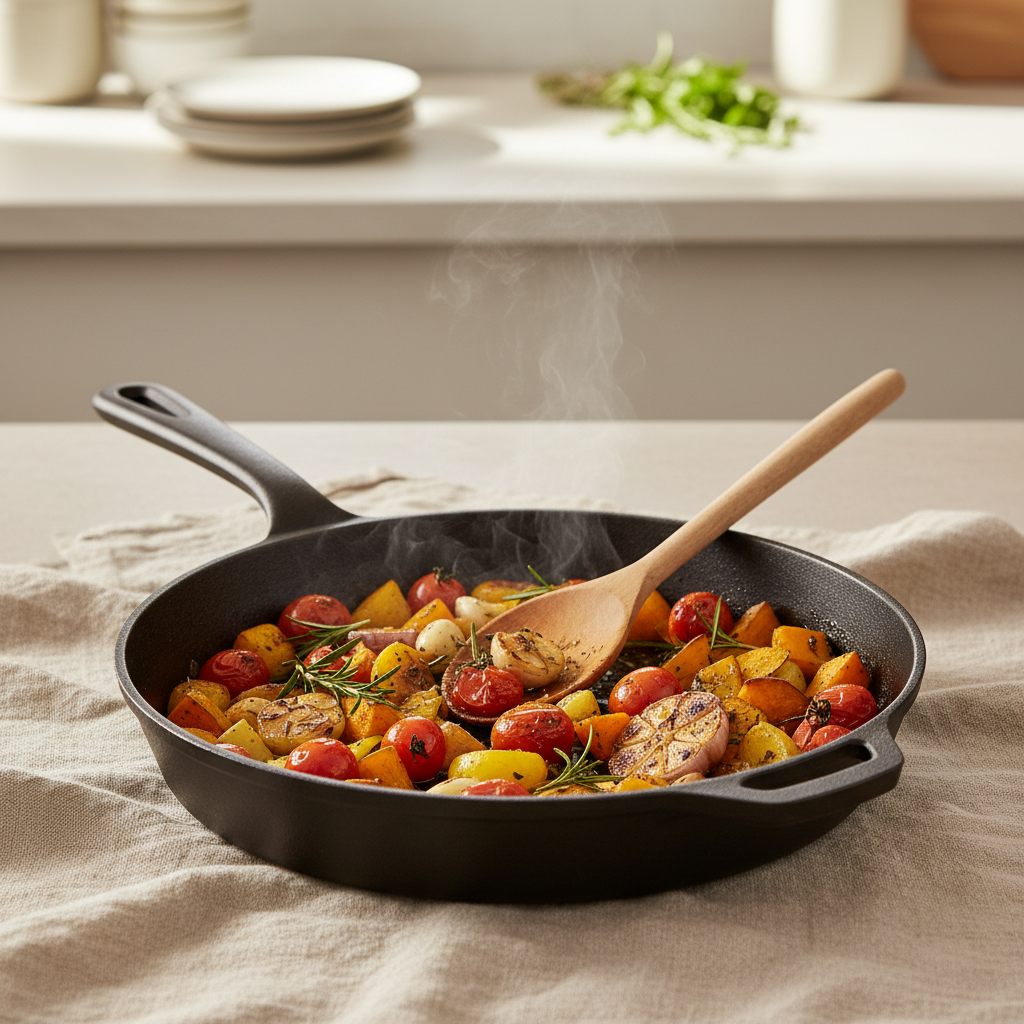
Across Europe, Dutch ovens are a staple for slow cooking stews, braising meats, and baking bread. These versatile pans are particularly popular in regions with cold climates, where slow cooking provides hearty and flavorful meals. In the Southern United States, cast iron skillets are synonymous with comfort food and soul food traditions.
The Advantages of Using Iron Baking Pans
The advantages of using an iron baking pan extend far beyond its culinary performance. Its exceptional heat retention ensures consistently cooked food, while its natural non-stick surface (when properly seasoned) reduces the need for excessive oil. This translates to healthier cooking and easier cleanup.
From a sustainability standpoint, iron is a readily available and recyclable material. Choosing iron cookware reduces reliance on synthetic coatings and contributes to a more eco-friendly lifestyle. The longevity of these pans also minimizes waste, making them a responsible choice for conscious consumers.
Moreover, the durability of an iron baking pan instills a sense of trust and connection to the cooking process. It’s a tool that can be passed down through generations, carrying with it a legacy of family recipes and cherished memories.
Future Trends and Innovations in Iron Cookware
Innovation in iron cookware is focused on addressing traditional limitations – namely, weight and maintenance. Lightweight alloys and refined casting techniques are resulting in lighter, more manageable pans without compromising durability.
Furthermore, advancements in seasoning technology, such as pre-seasoned pans and specialized seasoning oils, are making it easier for consumers to achieve and maintain a non-stick surface. There’s also a growing trend towards integrating smart technologies, like temperature sensors embedded in the pan, to provide real-time cooking feedback.
Sustainability remains a key driver, with manufacturers increasingly adopting recycled iron and implementing eco-friendly production processes. The future of iron cookware is poised to blend tradition with innovation, offering consumers a cooking experience that is both reliable and environmentally responsible.
Summary of Iron Baking Pan Analysis
| Component |
Material Composition |
Maintenance Requirements |
Lifespan Expectancy |
| Cast Iron Skillet |
Iron, Carbon, Silicon |
Regular Seasoning, Hand Wash |
Indefinite (with proper care) |
| Dutch Oven |
Cast Iron with Enamel Coating |
Gentle Hand Wash, Avoid Abrasives |
50+ years |
| Iron Loaf Pan |
Wrought Iron |
Seasoning, Oiling after wash |
30+ years |
| Iron Griddle (Comal) |
Carbon Steel |
Seasoning, wiping after wash |
20+ years |
| Seasoning Oil |
Flaxseed, Vegetable, Canola |
Application and Baking |
Dependent on application frequency |
| Cast Iron Cleaner |
Chainmail Scrubber, Mild Soap |
Gentle Scrubbing, Rinse Thoroughly |
Several Years |
FAQS
Seasoning a new iron baking pan involves applying a very thin, even coat of oil (flaxseed, vegetable, or canola oil are good choices) to the entire surface, inside and out. Then, bake it upside down in a preheated oven (usually around 350-400°F) for an hour. Let it cool completely in the oven. Repeat this process 3-4 times to build up a solid base layer of seasoning. The goal is to polymerize the oil, creating a durable, non-stick coating. Avoid thick coats as they can become sticky.
Rust is the enemy of iron baking pans! After washing, always dry the pan thoroughly, ideally by heating it on the stovetop until all moisture evaporates. Then, lightly coat the inside with oil. Proper seasoning also acts as a barrier against rust. Avoid letting the pan sit wet for extended periods and store it in a dry location. If rust does appear, scrub it off with steel wool and re-season the pan.
While traditionally discouraged, modern dish soaps are generally safe to use on a well-seasoned iron baking pan. However, use them sparingly and avoid harsh detergents. Rinse the pan thoroughly and dry it immediately. A well-seasoned pan will be relatively non-stick, minimizing the need for aggressive scrubbing, which could damage the seasoning.
Acidic foods can potentially break down the seasoning on an iron baking pan, especially if the seasoning is new or thin. Prolonged cooking with highly acidic ingredients can lead to a metallic taste. However, a well-seasoned pan can handle acidic foods for short periods. It's generally best to avoid long simmering with tomatoes or other acidic ingredients until a robust seasoning is established.
Both cast iron and carbon steel are excellent choices, but they have different properties. Cast iron has a higher carbon content, making it more brittle and slower to heat up, but it retains heat exceptionally well. Carbon steel is lighter and heats up more quickly, making it more responsive to temperature changes. Carbon steel is generally preferred by chefs for its agility, while cast iron excels at maintaining consistent heat for slow cooking.
If the seasoning on your iron baking pan is damaged (e.g., flaking or rust), you'll need to strip it down and re-season. This can be done by scrubbing the pan clean with steel wool, then applying multiple layers of seasoning as described earlier. You can also use a self-cleaning oven cycle (though this can be harsh) or a lye bath (use with extreme caution and proper safety measures).
Conclusion
The iron baking pan stands as a testament to the enduring power of simple, well-crafted tools. Its durability, versatility, and natural non-stick properties make it an invaluable addition to any kitchen. Beyond its practical benefits, it represents a connection to culinary traditions and a commitment to sustainable living. Understanding its properties and proper care ensures a lifetime of reliable performance and culinary enjoyment.
As we look towards the future, innovations in materials and manufacturing will undoubtedly enhance the iron baking pan’s appeal. By embracing these advancements and continuing to educate consumers about the benefits of iron cookware, we can ensure that this timeless tool remains a staple in kitchens around the world. Visit our website at Foundry Asia to explore our selection of high-quality iron baking pans and accessories.