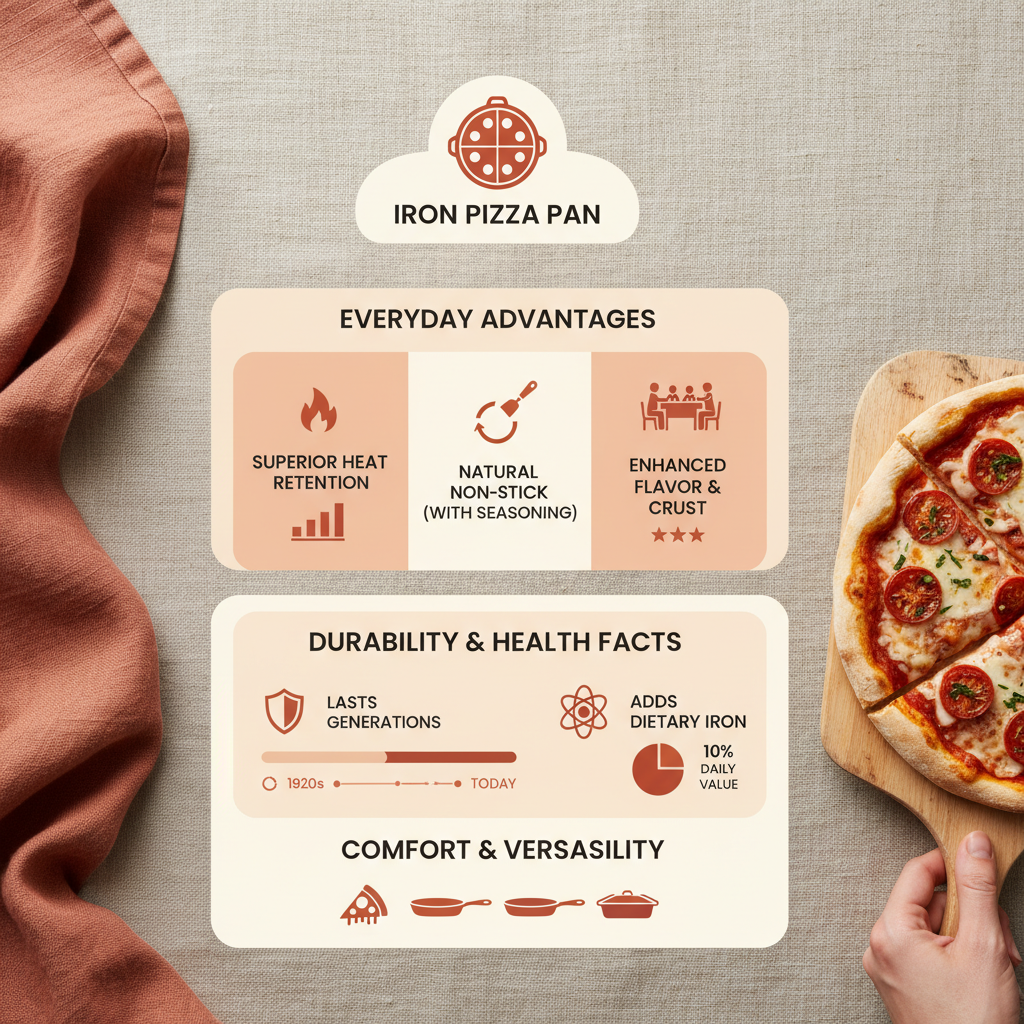
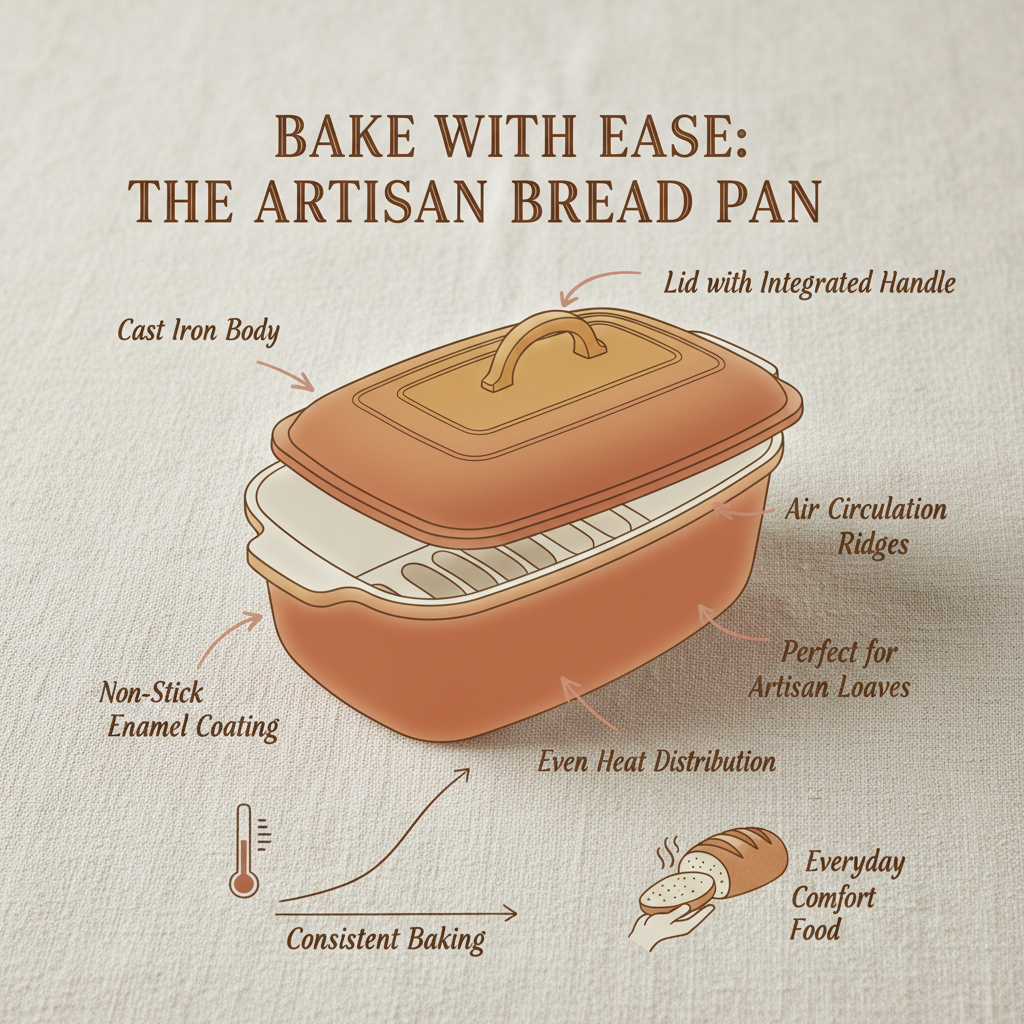
The humble iron bread pan has a history stretching back centuries, evolving from simple hearth cooking tools to modern kitchen staples. Globally, cast iron cookware, particularly bread pans, is experiencing a resurgence in popularity driven by a desire for healthier cooking methods, durable kitchenware, and a connection to traditional culinary practices. The benefits are numerous: even heat distribution, superior heat retention for crispy crusts, and a natural non-stick surface when properly seasoned. Understanding the nuances of iron bread pans unlocks a world of baking possibilities, from rustic loaves to perfectly golden cornbread.
The renewed interest in iron bread pans isn't merely nostalgic; it reflects a broader trend towards sustainable living and mindful consumption. In a world of disposable kitchen gadgets, cast iron represents longevity and repairability. Manufacturing processes, while energy-intensive, often utilize recycled materials, minimizing environmental impact. Moreover, the increased focus on slow baking and artisan breadmaking fuels demand for pans capable of delivering professional-quality results at home. This demand extends from home bakers to professional kitchens seeking reliable, high-performing tools.
The enduring appeal of the iron bread pan stems from its unique combination of functionality, durability, and versatility. It’s a testament to simple, effective design that continues to resonate with cooks worldwide. Properly cared for, these pans can last for generations, becoming cherished family heirlooms.
The Historical Development of iron bread pan
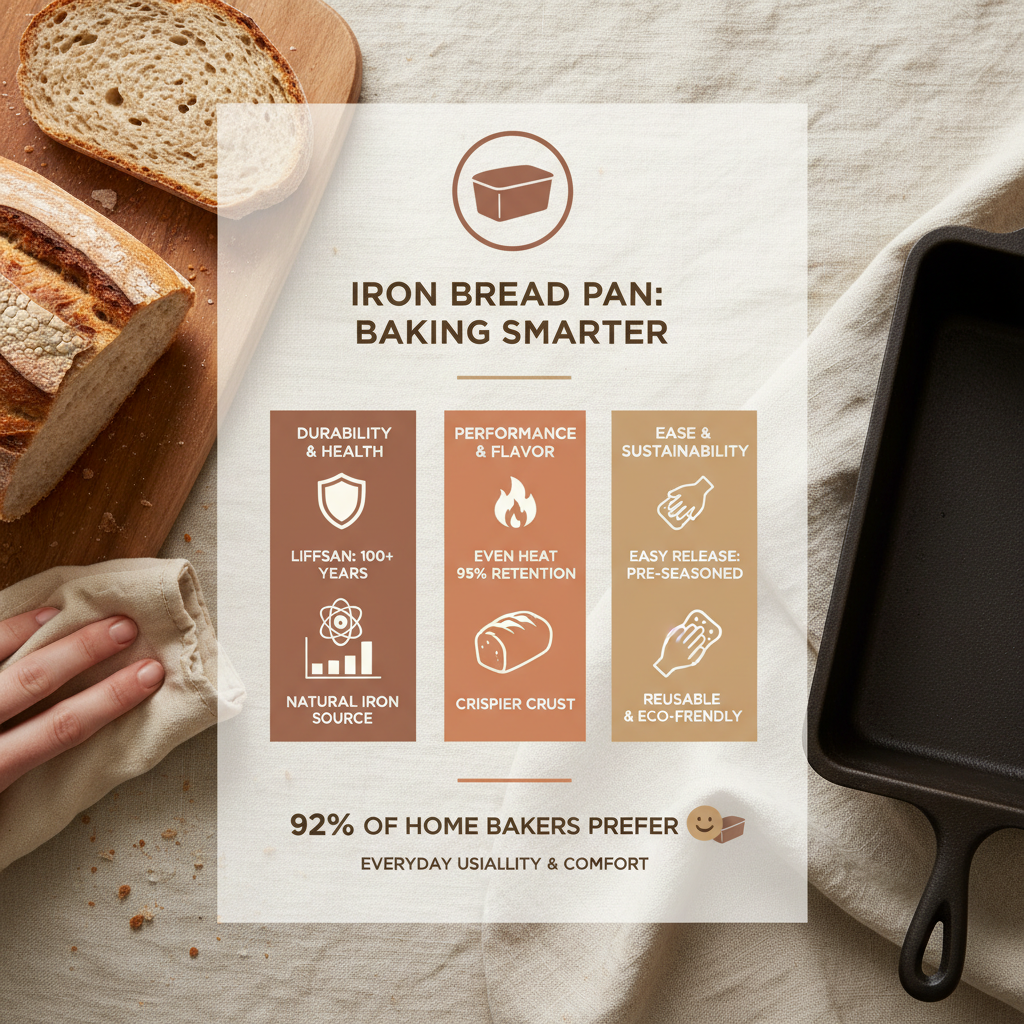
The earliest iterations of iron bread pans can be traced back to ancient civilizations, where simple iron cookware was used for baking over open fires. Throughout the Middle Ages, cast iron became more common, and dedicated bread pans began to emerge, evolving from rudimentary shapes to more refined designs.
The Industrial Revolution brought significant advancements in iron production and casting techniques, enabling mass production and wider accessibility of iron bread pans. This period saw the standardization of sizes and shapes, catering to a growing domestic market.
FAQS
While non-stick pans offer convenience, iron bread pans provide superior heat retention and distribution, resulting in a more evenly baked loaf with a crispier crust. The natural seasoning develops a non-stick surface over time, and cast iron can withstand higher temperatures without releasing harmful chemicals often found in non-stick coatings.
The frequency of seasoning depends on usage. Generally, re-seasoning is recommended after heavy use or if rust appears. Regular use and proper cleaning help maintain the seasoning. A light coating of oil after each wash is a good preventative measure. Aim for a thorough re-seasoning a few times a year.
It's strongly advised against putting an iron bread pan in the dishwasher. The harsh detergents and prolonged exposure to water can strip away the seasoning and cause rust. Hand washing with mild soap and thorough drying is the best practice.
If rust develops, scrub it away with steel wool or a stiff brush. Wash the pan thoroughly, dry it completely, and then re-season it. Preventative maintenance is key to avoid rust.
The ideal size depends on your baking needs and the amount of bread you typically make. A standard loaf pan size is 9x5 inches, suitable for most recipes. Larger pans are available for bigger loaves or specialty breads. Consider the dimensions of your oven when selecting a size.
No, the quality of iron bread pans can vary significantly based on the manufacturing process, material composition, and seasoning. Look for pans made from high-quality cast iron and with a well-established seasoning process. Consider brands with a reputation for durability and performance.
Conclusion
From its humble beginnings to its modern-day resurgence, the iron bread pan represents a unique blend of tradition, durability, and performance. Its exceptional heat retention, versatility, and potential for lasting generations make it a valuable addition to any kitchen. Understanding its history, materials, and proper care unlocks a world of baking possibilities and contributes to a more sustainable lifestyle.
As technology advances and culinary trends evolve, the iron bread pan is poised to remain a beloved and essential kitchen tool. Investing in a quality pan is not just purchasing cookware; it’s acquiring a piece of culinary history and a commitment to flavorful, well-baked goods for years to come.