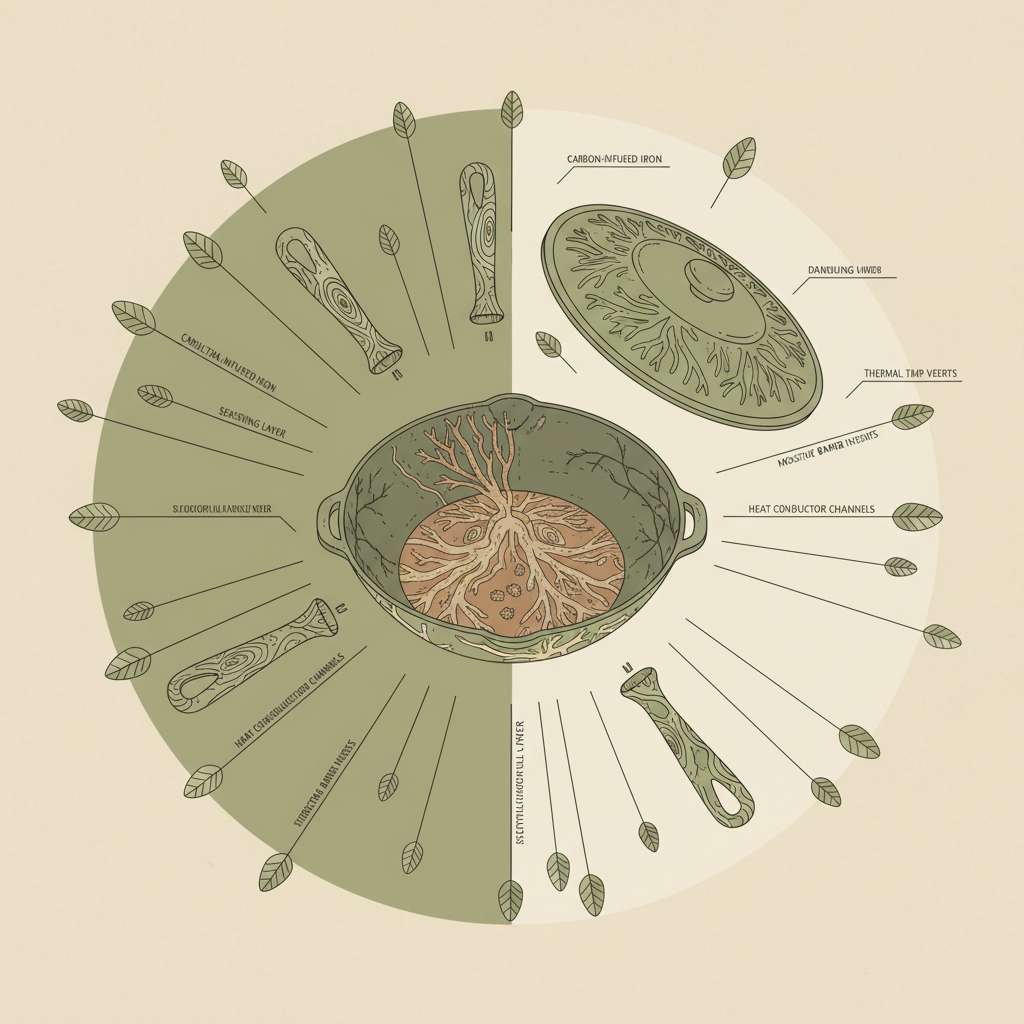
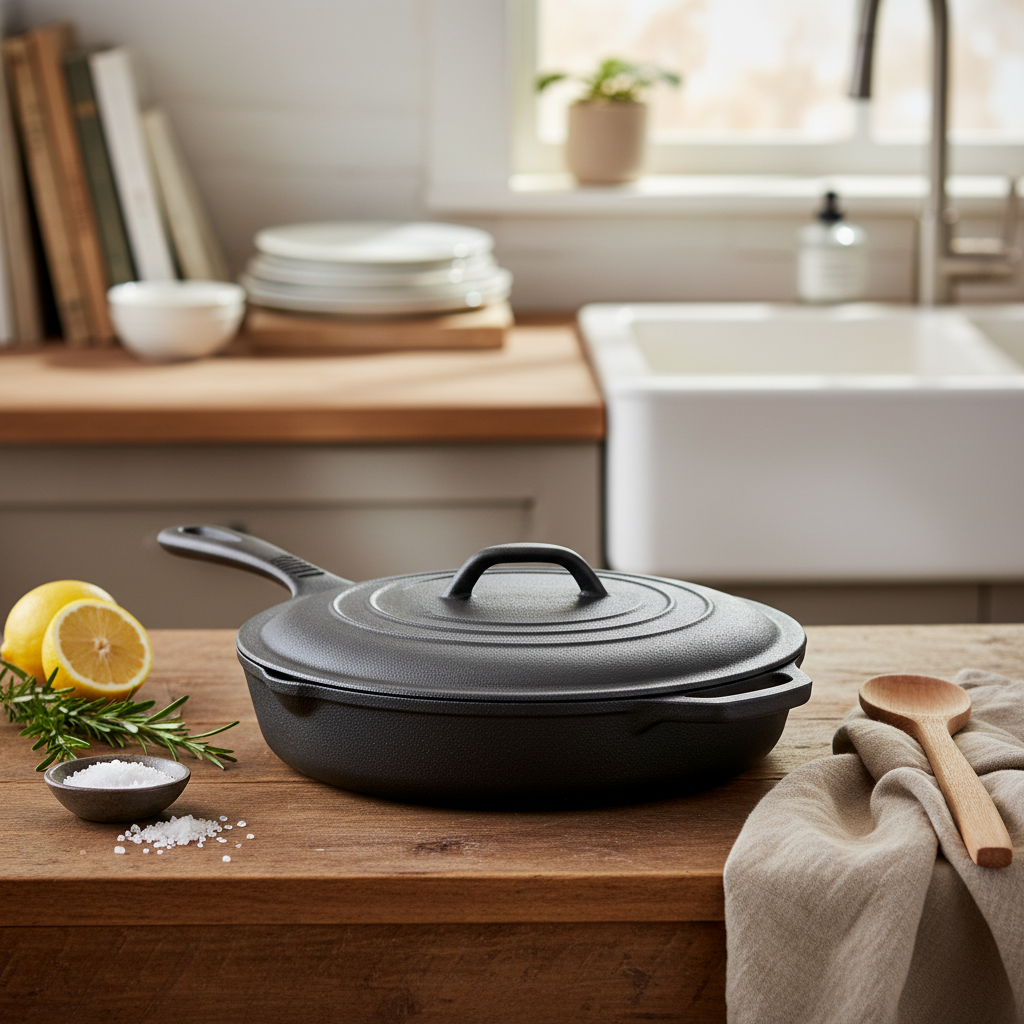
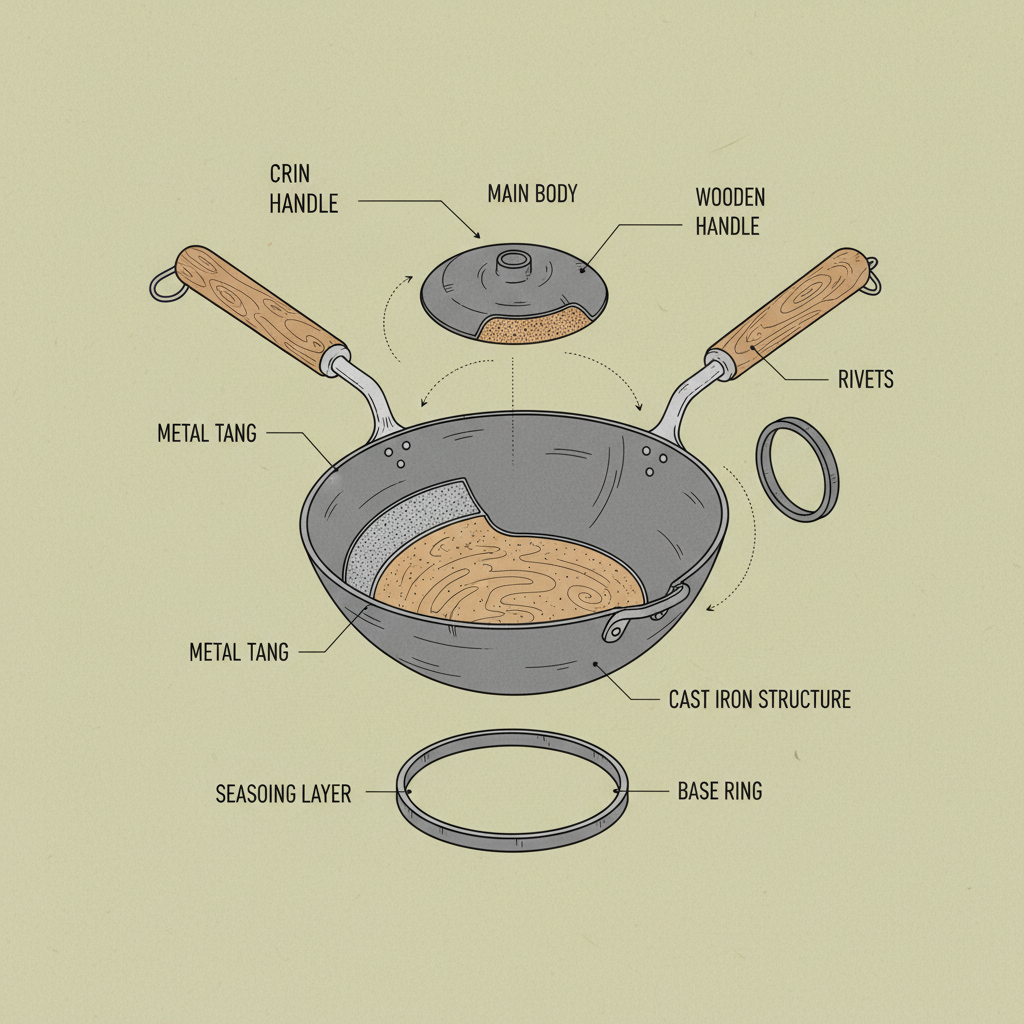
The demand for efficient and adaptable cooking solutions is globally recognized, with the wok hob stand emerging as a versatile and increasingly popular option. From bustling commercial kitchens to modern home cooking setups, the wok hob stand facilitates the unique demands of wok cooking—high heat, precise control, and efficient energy transfer. Understanding its nuances is vital for chefs, restaurant owners, and home cooks alike, offering significant benefits in terms of culinary outcomes and operational efficiency.
Globally, the rise of Asian cuisine has fueled the demand for specialized cooking equipment, and the wok hob stand directly addresses this need. According to a 2023 report by the Foodservice Equipment Association, demand for wok-specific cooking equipment increased by 15% in North America and 20% in Europe. This trend reflects a growing appreciation for the speed, flavor, and health benefits associated with wok cooking. The challenge lies in providing robust, safe, and adaptable wok hob stand solutions that cater to diverse culinary environments.
A wok hob stand, at its core, is a specialized cooking apparatus designed to securely support a wok over a high-powered heat source. Unlike conventional stovetops, a wok hob stand allows for optimal heat distribution and the characteristic "wok hei" – the slightly charred, smoky flavor prized in many Asian dishes. Its design facilitates the unique circular motion essential for successful wok cooking, something often difficult to achieve on standard flat-top ranges. This has become increasingly important in modern industry, where the demand for authentic and efficient culinary experiences is paramount.
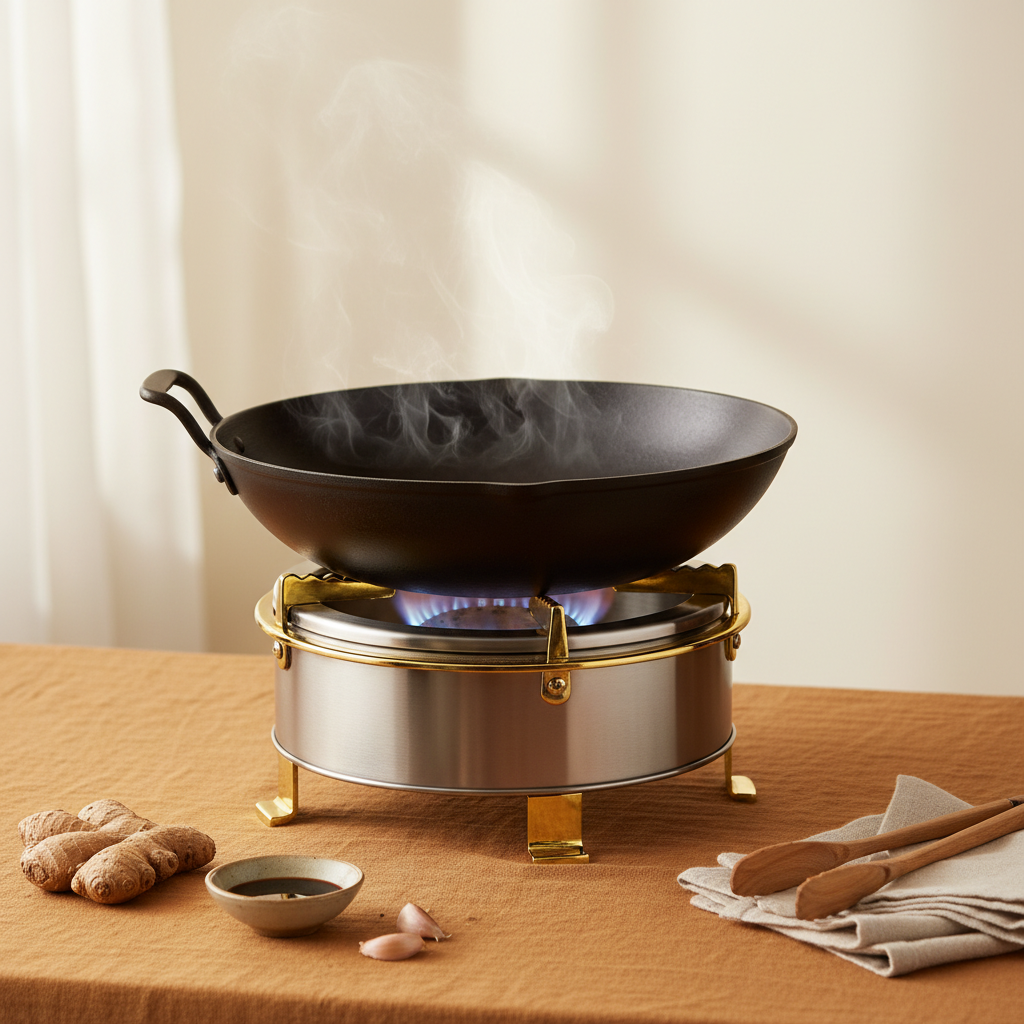
Introduction to the Wok Hob Stand
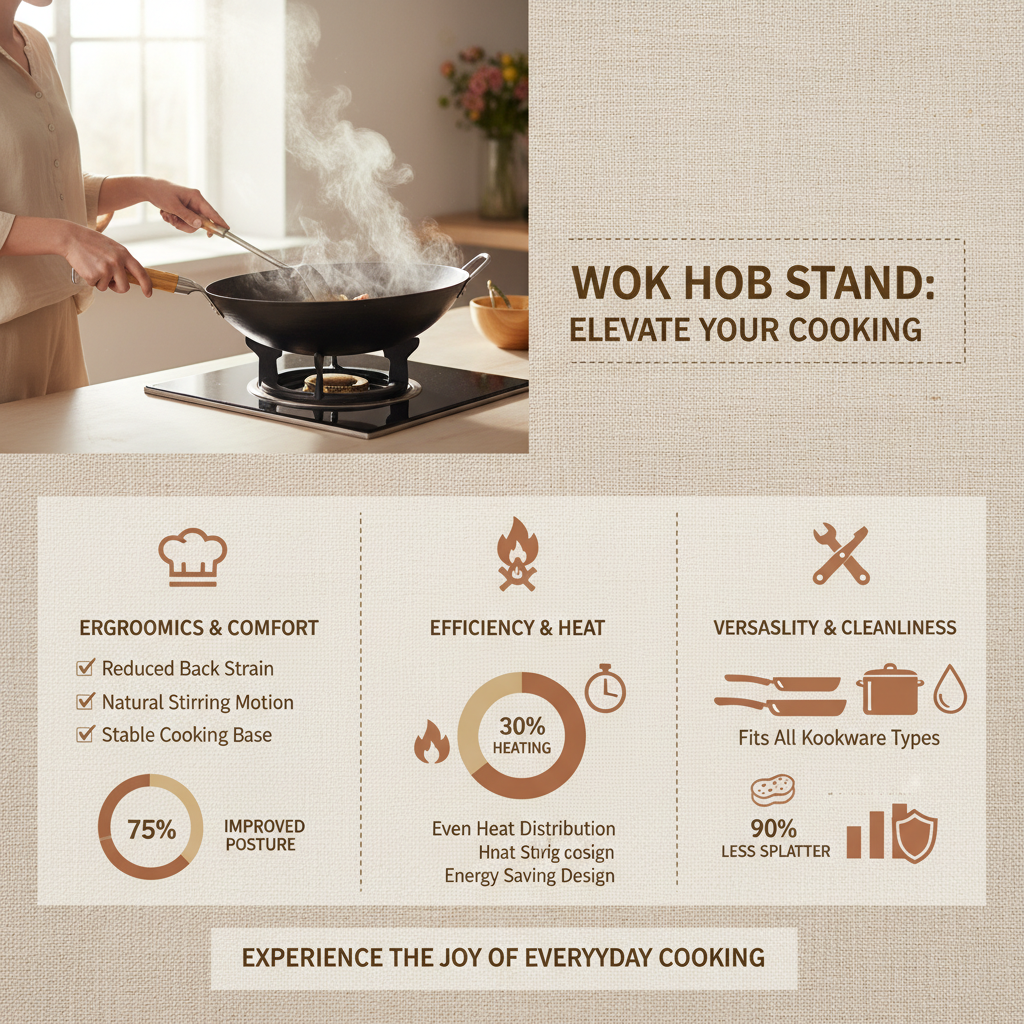
A well-designed wok hob stand is more than just a support structure; it's a critical component in achieving authentic wok cooking results. The stability and height of the stand directly impact the chef’s ability to manipulate the wok effectively, ensuring even heating and proper ingredient tossing. Selecting the appropriate wok hob stand for your needs—whether for a high-volume commercial kitchen or a home cooking enthusiast—is therefore essential.
Different materials and designs cater to varying levels of intensity and cooking styles. From heavy-duty cast iron stands designed for high BTU burners to portable stainless steel options for catering events, the market offers diverse choices to accommodate a broad spectrum of culinary applications. The key is understanding the specific demands of your cooking and choosing a wok hob stand that delivers both performance and durability.
FAQS
A standard stovetop often lacks the concentrated heat and space necessary for proper wok cooking. Wok hob stands provide a focused, high-BTU heat source and allow for the circular motion crucial for achieving “wok hei.” They also typically position the wok higher, facilitating easier tossing and control. The height is really important for technique, ensuring the cook isn’t bending over excessively. The focused heat means faster cooking and better flavor development.
Consider the diameter of your wok and the height of your burner. The stand should securely support the wok without wobbling and ensure adequate space between the wok bottom and the heat source. A stand that's too short can restrict airflow and prevent proper heating, while one that's too tall might make it difficult to control the wok. Measure your wok’s base diameter and compare to the stand’s support ring.
Common materials include cast iron, stainless steel, and carbon steel. Cast iron offers excellent heat retention but is heavy. Stainless steel is durable and rust-resistant but may not retain heat as well. Carbon steel is a good balance between durability and heat retention, and is typically lighter than cast iron. Powder-coated steel combines the strength of steel with corrosion protection. Consider your needs – high heat retention vs. portability – when selecting a material.
Some wok hob stands are suitable for outdoor cooking, especially those made from stainless steel or cast iron. However, it's crucial to ensure the stand is stable and protected from the elements, such as wind and rain. If using with a propane burner outdoors, ensure proper ventilation. Portable models with sturdy legs are best suited for outdoor use, providing a stable base even on uneven surfaces.
Cleaning depends on the material. Cast iron stands should be seasoned regularly to prevent rust. Stainless steel stands can be cleaned with soap and water. Avoid abrasive cleaners that could damage the finish. Regularly check for loose screws or wobbles and tighten as needed. Proper maintenance will extend the lifespan of your wok hob stand.
A high-quality wok hob stand, with proper care and maintenance, can last for many years – often 10 years or more. Cast iron and stainless steel models tend to have the longest lifespan due to their inherent durability. Regular cleaning, seasoning (for cast iron), and tightening of any loose components will significantly extend its useful life. Proper use – avoiding overloading and excessive force – also contributes to longevity.
Conclusion
The wok hob stand isn't simply a piece of cooking equipment; it's an investment in culinary authenticity, efficiency, and long-term value. From enhancing flavor profiles with the distinctive “wok hei” to streamlining kitchen operations and promoting sustainability, the benefits are multifaceted. The adaptability of the wok hob stand ensures its relevance across diverse culinary environments, from bustling commercial kitchens to home cooking enthusiasts.
As culinary trends continue to evolve, the demand for specialized equipment like the wok hob stand is likely to grow. Embracing innovative materials, smart technology, and sustainable practices will be crucial for shaping the future of this essential cooking tool. For more information on selecting the right wok hob stand for your needs, or to explore our range of products, visit our website: www.foundryasia.com.