Look, I’ve spent the last fifteen years knee-deep in dust and concrete, watching things get built. And let me tell you, a solid foundation isn't just about concrete – it's about reliable materials. That's where a good, dependable 10 inch cast iron component comes in. It’s not glamorous, it’s not flashy, but it's the backbone of a lot of what keeps things running smoothly. You need something that can handle the weight, the weather, and frankly, the abuse that construction sites dish out daily. We're not talking about disposable parts here; we're talking about things that need to last.
I’ve seen too many projects delayed and budgets blown because of component failures. Trying to source replacements mid-build is a nightmare. And frankly, it’s often a sign of cutting corners with cheaper materials upfront. 10 inch cast iron, when sourced correctly, offers a level of longevity and predictable performance that’s hard to beat. It's a cost-saver in the long run, even if the initial price point is a little higher.
What I appreciate, too, is its versatility. It’s not just for pipes or flanges. I've seen it used in everything from machine bases to critical structural supports. Its inherent strength and ability to dampen vibration make it perfect for demanding applications. And these days, with more emphasis on sustainable building practices, the recyclability of cast iron is a big plus.
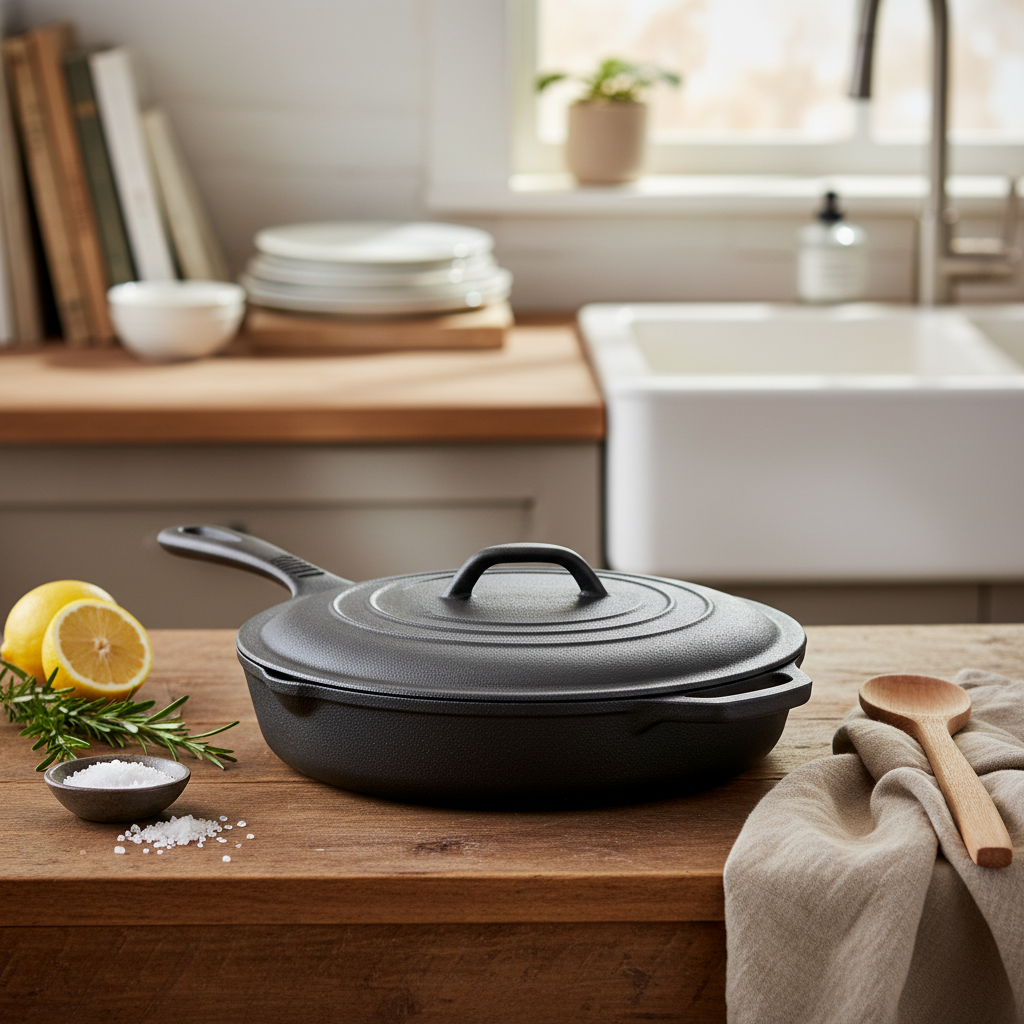
The Importance of 10 inch cast iron in Modern Construction
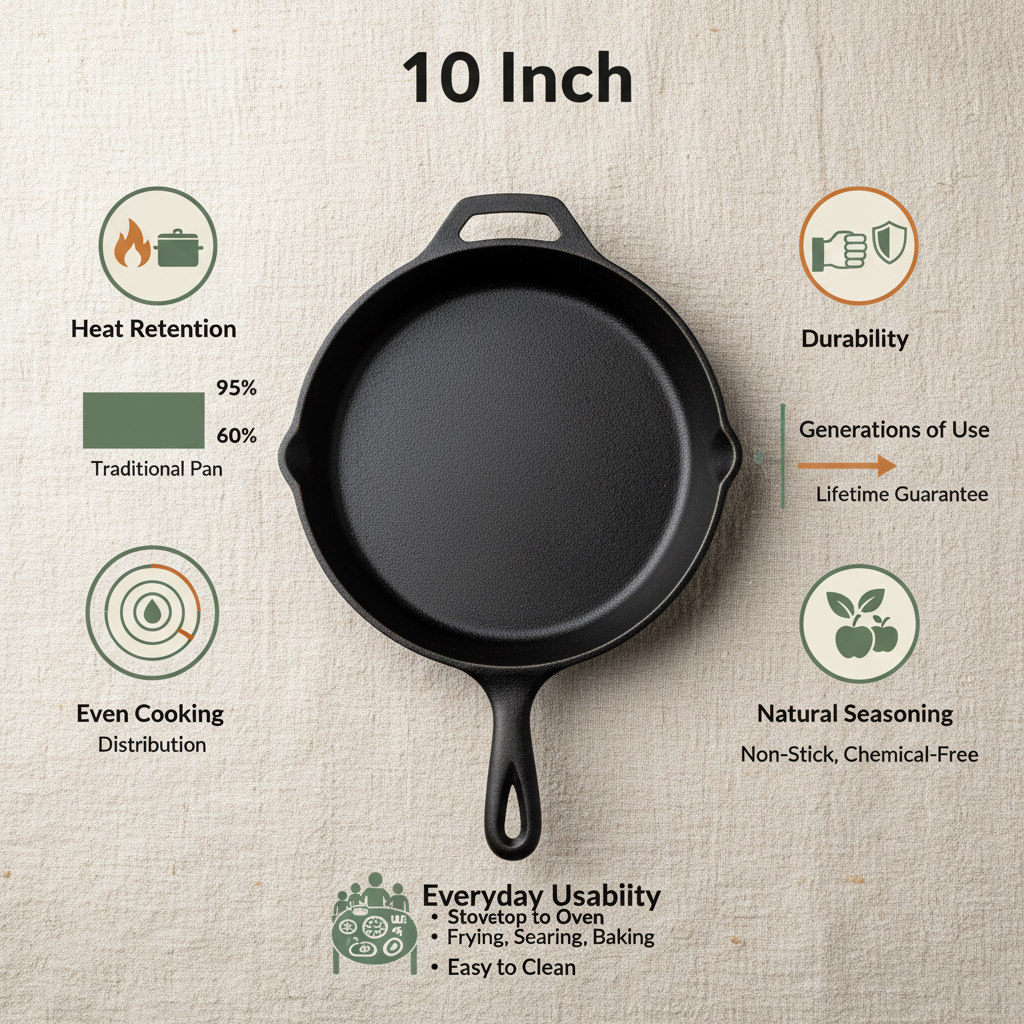
Let’s be clear: in a world chasing the newest materials, we can’t forget the tried-and-true. 10 inch cast iron isn’t new, but it's consistently vital. Its strength-to-weight ratio, coupled with its resistance to corrosion, makes it ideal for everything from water mains to industrial machinery. Globally, you see it in foundational infrastructure projects because engineers understand its longevity. It's a material that doesn't need constant monitoring or replacement, which, on large-scale projects, saves a fortune in maintenance.
You’ll find it everywhere—from the support structures in bridges to the essential components of power generation plants. The UN has consistently highlighted the need for robust infrastructure in developing nations, and materials like 10 inch cast iron play a crucial role in achieving that. It's about building to last, not building to a budget that will require immediate repairs.
FAQS
Lead times vary depending on the complexity of the part and current foundry workload, but generally range from 6-12 weeks. Larger or more complex castings can take longer. We always recommend placing orders well in advance of project deadlines to account for potential delays. A good supplier will provide a realistic timeframe upfront, and keep you updated throughout the production process. Understanding this timeline from the start helps with project scheduling and prevents costly bottlenecks.
The grade of cast iron – like gray, ductile, or white cast iron – dictates its mechanical properties. Gray cast iron is good for damping and wear resistance, but is brittle. Ductile cast iron offers higher strength and ductility, making it ideal for applications involving impact or vibration. White cast iron is extremely hard and wear-resistant, but very brittle. Choosing the right grade is critical, and depends heavily on the intended use case and the stresses it will encounter. We’re happy to advise on selecting the optimal grade.
Several surface treatments can significantly improve corrosion resistance. These include painting, powder coating, galvanizing, and epoxy coatings. The best choice depends on the environment and the level of protection required. For heavily corrosive environments, consider specialized coatings like zinc-rich primers or multi-layer systems. Proper surface preparation is key to ensuring the coating adheres effectively and provides long-lasting protection.
Cast iron is highly recyclable, which is a significant environmental benefit. However, the casting process itself can generate waste. Responsible foundries employ practices to minimize waste and recycle materials. When disposing of end-of-life cast iron components, recycling is the preferred option. Always adhere to local regulations regarding waste disposal. Choosing a foundry with strong environmental practices is crucial.
Robust quality control is essential. This includes material testing to verify chemical composition, dimensional inspections to ensure parts meet specifications, and non-destructive testing (NDT) methods like radiographic testing or ultrasonic testing to detect internal flaws. Reputable foundries adhere to ISO 9001 standards and provide certificates of conformance with each shipment. Proper documentation and traceability are critical for ensuring product reliability.
The initial cost of 10 inch cast iron can be higher than some steel or plastic alternatives. However, when considering lifecycle costs—including durability, maintenance, and replacement frequency—cast iron often proves to be more cost-effective over the long term. Steel may be stronger in certain applications, but it's more susceptible to corrosion. Plastics may be cheaper upfront but lack the strength and heat resistance of cast iron. A thorough cost-benefit analysis is recommended.
Conclusion
From the foundations of our cities to the machinery driving our industries, 10 inch cast iron remains a fundamental material. Its combination of strength, durability, recyclability, and cost-effectiveness makes it a valuable asset in a wide range of applications. Ignoring its potential in favor of newer, flashier materials is often a mistake.
Looking ahead, continued innovation in casting techniques and alloy compositions will only enhance its capabilities. By embracing these advancements and addressing the challenges of brittleness and weight, we can unlock even greater potential for this time-tested material. For reliable, long-lasting infrastructure and industrial components, don’t overlook the power of a well-made 10 inch cast iron part. Visit our website at www.foundryasia.com to learn more.