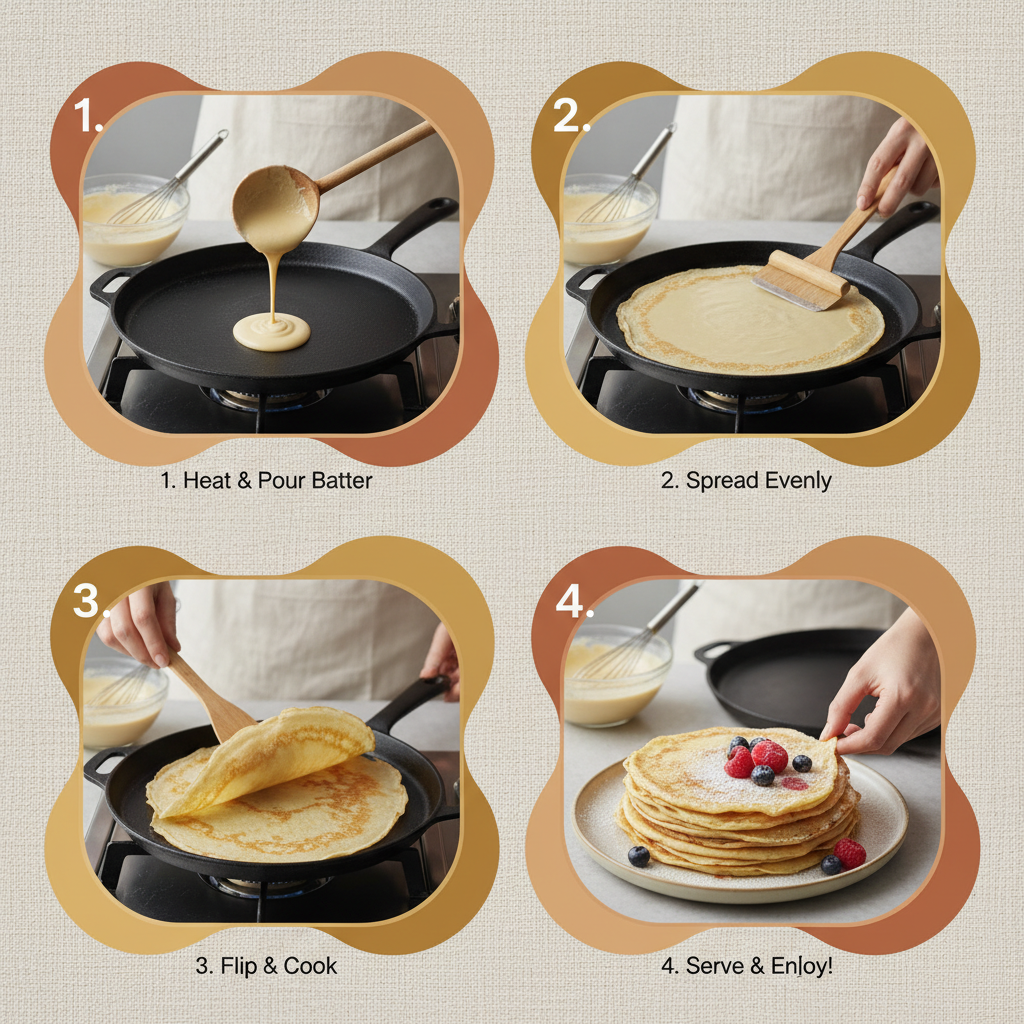
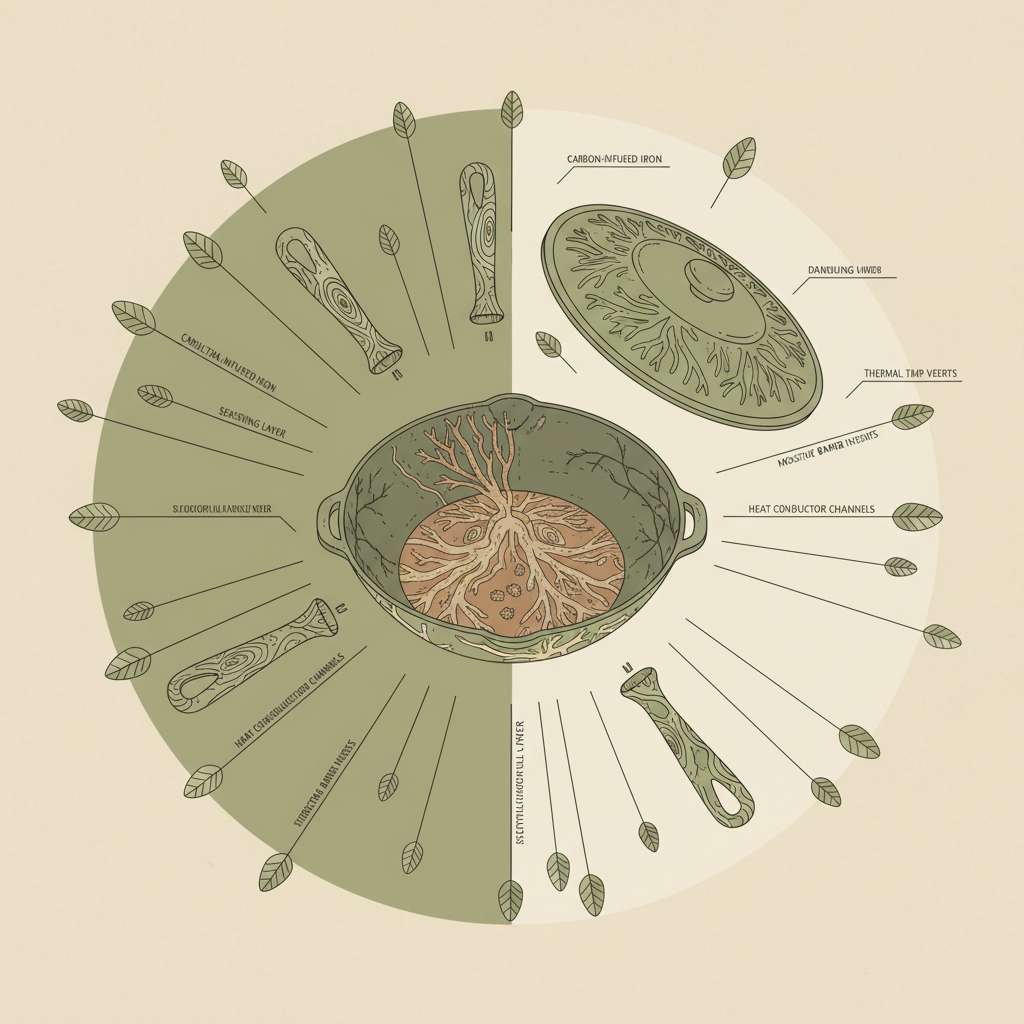
The humble iron crepe pan, seemingly a simple kitchen tool, represents a fascinating intersection of culinary tradition, material science, and global manufacturing. It’s a testament to how a centuries-old cooking method continues to thrive, adapted and refined with modern techniques. Understanding the nuances of iron crepe pan construction, seasoning, and usage offers insights into the broader world of cookware and the enduring appeal of handcrafted quality.
Globally, the demand for specialized cookware like the iron crepe pan is increasing, fueled by a growing interest in authentic cooking experiences and a rejection of mass-produced, non-stick alternatives. This demand extends beyond professional chefs to home cooks seeking to elevate their culinary skills. The production and distribution of these pans represent a complex global supply chain, connecting raw material sourcing, specialized manufacturing facilities, and a diverse consumer base.
The rise in popularity reflects a broader movement towards sustainable and durable kitchenware. Unlike disposable or short-lived alternatives, a well-maintained iron crepe pan can last for generations, becoming a cherished family heirloom. This longevity, coupled with its inherent cooking properties, makes it a compelling choice for environmentally conscious consumers.
The Foundations of Iron Crepe Pans
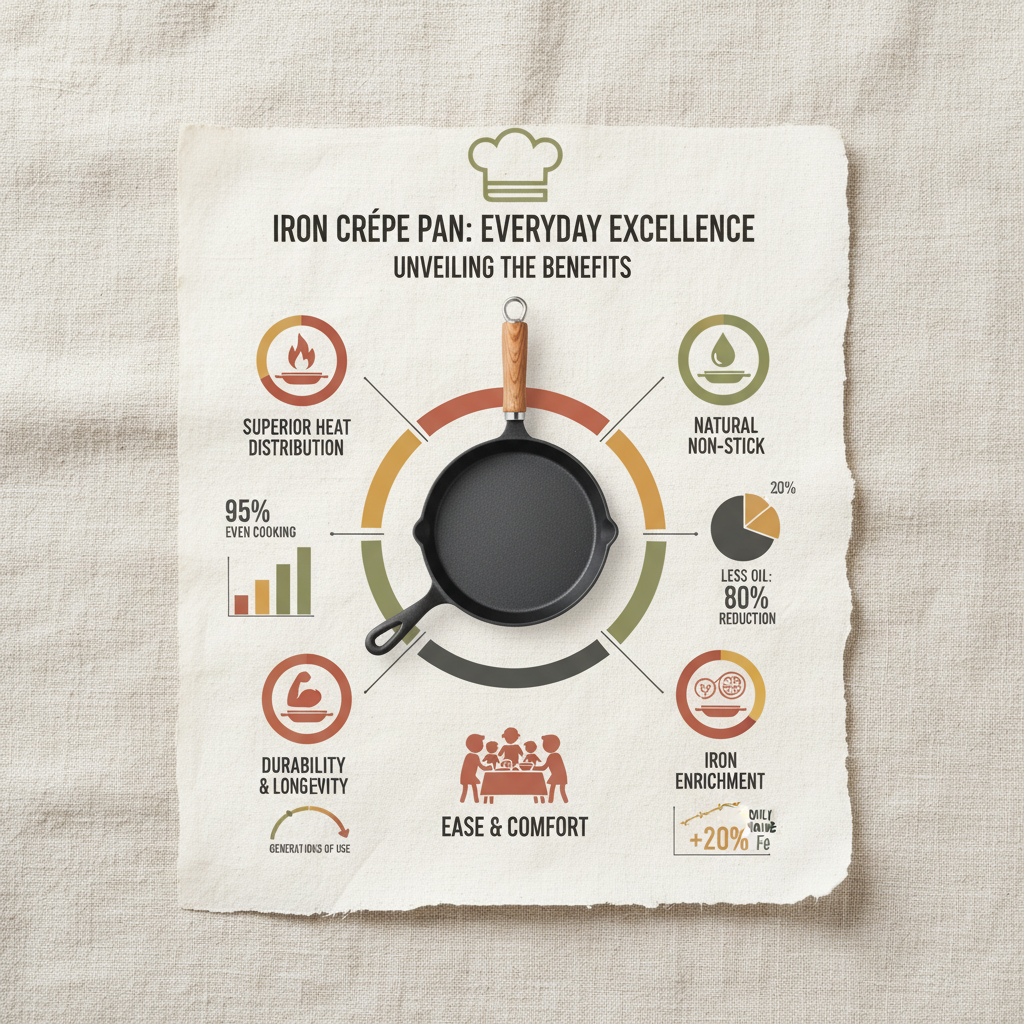
The core of any iron crepe pan lies in its material – cast iron. This material’s unique properties, particularly its high heat retention and even heat distribution, are crucial for creating perfectly cooked crepes. The slow heating process inherent in cast iron also prevents scorching, a common issue with thinner, faster-heating pans.
Historically, these pans were often hand-forged, a testament to the skill of blacksmiths and metalworkers. While modern manufacturing techniques have streamlined production, the principles remain the same: creating a smooth, flat cooking surface capable of withstanding repeated use and high temperatures.
Material Composition and Manufacturing
The vast majority of iron crepe pans are crafted from gray cast iron, an alloy of iron, carbon, and silicon. The specific percentages of these elements influence the pan’s hardness, strength, and thermal properties. Modern manufacturing often employs sand casting techniques, where molten iron is poured into molds to create the pan's shape.
Following casting, the pans undergo a machining process to ensure a perfectly flat cooking surface. This is critical for achieving the thin, even crepes that chefs and home cooks desire. Variations in manufacturing include the use of different mold designs, leading to slight differences in pan weight and handle shape.
Increasingly, manufacturers are exploring alternative casting methods and alloy compositions to improve the performance and durability of iron crepe pans, while maintaining the traditional qualities that make them so prized.
Seasoning and Care for Optimal Performance
“Seasoning” an iron crepe pan is the process of polymerizing oils onto the surface, creating a natural non-stick coating. This involves repeatedly coating the pan with a thin layer of oil and heating it to a high temperature. Proper seasoning is essential for preventing food from sticking and protecting the iron from rust.
Maintaining a seasoned iron crepe pan requires diligent care. Avoid using harsh detergents, abrasive cleaners, or metal utensils that can strip the seasoning. Hand washing and immediate drying are crucial. Regular seasoning, even after each use, will prolong the pan’s lifespan and enhance its non-stick properties.
Rust can be a concern with cast iron, but it's easily remedied. Light surface rust can be scrubbed away with steel wool and the pan re-seasoned. Preventing rust through proper care is always the best approach, ensuring your iron crepe pan remains a reliable kitchen companion for years to come.
Performance Characteristics and Crepe Quality
The unique properties of cast iron translate directly into superior crepe-making performance. Its even heat distribution eliminates hot spots, resulting in uniformly cooked crepes with consistent color and texture. The high heat retention allows for rapid recovery after adding ingredients, maintaining the desired cooking temperature.
Compared to non-stick pans, iron crepe pans offer a more nuanced cooking experience. They develop a natural patina over time, enhancing their non-stick properties and allowing for a slight Maillard reaction, which contributes to the crepes’ flavor complexity.
Crepe Quality Comparison: Iron Crepe Pan vs. Alternatives
Global Applications and Culinary Traditions
The iron crepe pan holds a special place in French culinary tradition, where crepes are a staple food enjoyed in both sweet and savory forms. From street food stalls to Michelin-starred restaurants, the iron crepe pan is the preferred tool for achieving the delicate texture and golden-brown color characteristic of authentic French crepes.
Beyond France, variations of crepes and similar pancakes are found in cuisines worldwide. In Japan, okonomiyaki and monjayaki are savory pancakes cooked on a flat griddle, often made of iron. Similarly, in many Latin American countries, tortillas and pupusas are cooked on flat iron surfaces.
Longevity, Value, and Sustainability
The inherent durability of cast iron translates to exceptional longevity. A well-cared-for iron crepe pan can easily last for decades, even generations, becoming a treasured family heirloom. This longevity represents significant value, making it a worthwhile investment compared to shorter-lived cookware.
From a sustainability perspective, the durability of cast iron reduces the need for frequent replacements, minimizing waste. Furthermore, cast iron is a recyclable material, contributing to a circular economy. Choosing an iron crepe pan is a conscious step towards more sustainable kitchen practices.
The enduring quality and timeless appeal of the iron crepe pan contribute not only to culinary enjoyment but also to a sense of connection to tradition and a commitment to lasting value.
Future Innovations and Market Trends
While the fundamental design of the iron crepe pan has remained largely unchanged for centuries, manufacturers are exploring innovations to enhance its usability and performance. These include lighter-weight alloys, improved handle designs for ergonomic comfort, and pre-seasoned pans for immediate use.
The growing interest in sustainable living is driving demand for eco-friendly cookware, further solidifying the position of the iron crepe pan. Furthermore, the rise of online culinary communities and social media platforms is fueling a resurgence of interest in traditional cooking methods and high-quality kitchen tools.
Future trends may also involve integrating smart technology, such as temperature sensors and cooking guides, into iron crepe pans, providing users with real-time feedback and enhancing their culinary experience.
Key Factors Influencing Iron Crepe Pan Performance
| Material Composition |
Pan Thickness |
Seasoning Quality |
Handle Design |
| Percentage of Carbon in Cast Iron |
Impact on Heat Retention |
Number of Seasoning Layers |
Ergonomic Comfort & Safety |
| Gray Cast Iron |
6-8mm Recommended |
3+ Layers for Optimal Non-Stick |
Heat-Resistant Material |
| Silicon Content |
Affects Thermal Shock Resistance |
Oil Type Used for Seasoning |
Secure Attachment to Pan |
| Impurity Levels |
Influences Heat Distribution |
Regular Maintenance |
Balance & Weight Distribution |
| Alloy Composition |
Directly Impacts Performance |
Even Application |
Heat Isolation |
| Manufacturing Process |
Affects Surface Smoothness |
Overall Longevity |
User Comfort |
FAQS
Initial seasoning is crucial for creating a durable non-stick surface. Start by thoroughly cleaning the pan to remove any manufacturing residue. Then, apply a very thin coat of a high smoke point oil (like flaxseed, grapeseed, or canola) to all surfaces – inside, outside, and handle. Bake the pan upside down in a preheated oven at 450-500°F (232-260°C) for one hour. Repeat this process 3-4 times, allowing the pan to cool completely between each cycle. A well-seasoned pan will have a dark, slightly glossy finish.
While it was once a strict taboo, using a small amount of mild dish soap on a well-seasoned iron crepe pan is generally acceptable. However, avoid harsh detergents or abrasive cleaners, as these can strip the seasoning. Rinse the pan thoroughly and dry it immediately. Re-seasoning after washing is recommended to maintain the protective coating.
Rust is the enemy of cast iron. The key to prevention is keeping the pan dry. After each use, thoroughly dry it with a towel, and then heat it on the stovetop for a few minutes to evaporate any remaining moisture. A light coating of oil after drying provides additional protection. If rust does appear, scrub it off with steel wool and re-season the pan.
Most iron crepe pans are compatible with all stovetops, including induction, gas, electric, and ceramic. However, it’s always best to check the manufacturer’s specifications. The weight and composition of the pan may cause scratching on delicate glass cooktops, so use caution and consider a heat diffuser if needed.
The frequency of re-seasoning depends on how often you use the pan and how well you maintain it. As a general rule, re-season after each use if you’ve cooked acidic foods or used soap. A thorough re-seasoning once a month is usually sufficient for regular use. If the pan starts to lose its non-stick properties or shows signs of rust, it's time for another round of seasoning.
Absolutely not! The dishwasher is the fastest way to strip the seasoning from your iron crepe pan and promote rust. Always hand wash and dry immediately. The gentle care is essential to maintaining the pan’s performance and longevity.
Conclusion
The iron crepe pan, far from being a mere kitchen tool, represents a legacy of culinary artistry and enduring quality. Its unique material properties, combined with proper care and seasoning, deliver unmatched performance for creating delicate and flavorful crepes. From its historical roots in French cuisine to its modern resurgence in home kitchens worldwide, the iron crepe pan continues to inspire and delight.
Investing in an iron crepe pan isn’t just about acquiring a cooking utensil; it’s about embracing a tradition, valuing sustainability, and committing to a lifetime of culinary enjoyment. We encourage you to explore the world of iron cookware and experience the difference for yourself. Visit our website at www.foundryasia.com to discover our selection of premium iron crepe pans and accessories.