• 150m Southwards, West DingWei Road, Nanlou Village, Changan Town, GaoCheng Area, Shijiazhuang, HeBei, China
  • monica@foundryasia.com
0%

Table of Contents

Look, after running around construction sites all year, dealing with dust and sweat, you start to see patterns. Lately, everyone’s chasing ‘smart’ and ‘integrated’. It’s all about prefabrication, modularity… everyone wants things faster, cheaper, and with less hassle. But to be honest, a lot of these so-called innovations are just adding layers of complexity. They look good on paper, but then you get out to the field and… well, things get real.

I’ve seen too many designs that are over-engineered, especially when it comes to connections. People get obsessed with tolerances and interfaces, and forget that concrete isn’t perfectly flat and steel beams aren't always perfectly straight. You end up with a beautiful design that needs a week of shimming and welding to actually fit. Have you noticed that? It drives me nuts.

And then there’s the materials. Everyone’s going crazy for composites now, trying to replace steel. Which, don’t get me wrong, can be great. But there's a feel to steel, a heft. You know it’s strong. These composites… some of them feel like cardboard, even though the specs say they can handle a ton of stress. I encountered this at a factory in Nanjing last time, the stuff smelled faintly of plastic and was incredibly slippery when wet. Not a good sign, let me tell you.
Exploring the Durability and Performance of the Traditional cast wok

The Current Landscape of cast wok

Exploring the Durability and Performance of the Traditional cast wok

The demand for durable, long-lasting cookware is consistently high, driven by a global focus on both home cooking and professional culinary practices. Strangely, even with advancements in materials science, the fundamental principles behind a good cast wok haven't changed much. People still want something that can handle high heat, distribute it evenly, and last a lifetime. We're seeing a resurgence in traditional techniques, combined with a desire for modern convenience.

There's also a growing emphasis on sustainable manufacturing. Consumers are more aware of where their products come from and how they're made. This puts pressure on manufacturers to adopt more responsible sourcing and production methods. It's not just about the wok itself; it's about the whole process, from raw materials to packaging.

Common Design Pitfalls in cast wok

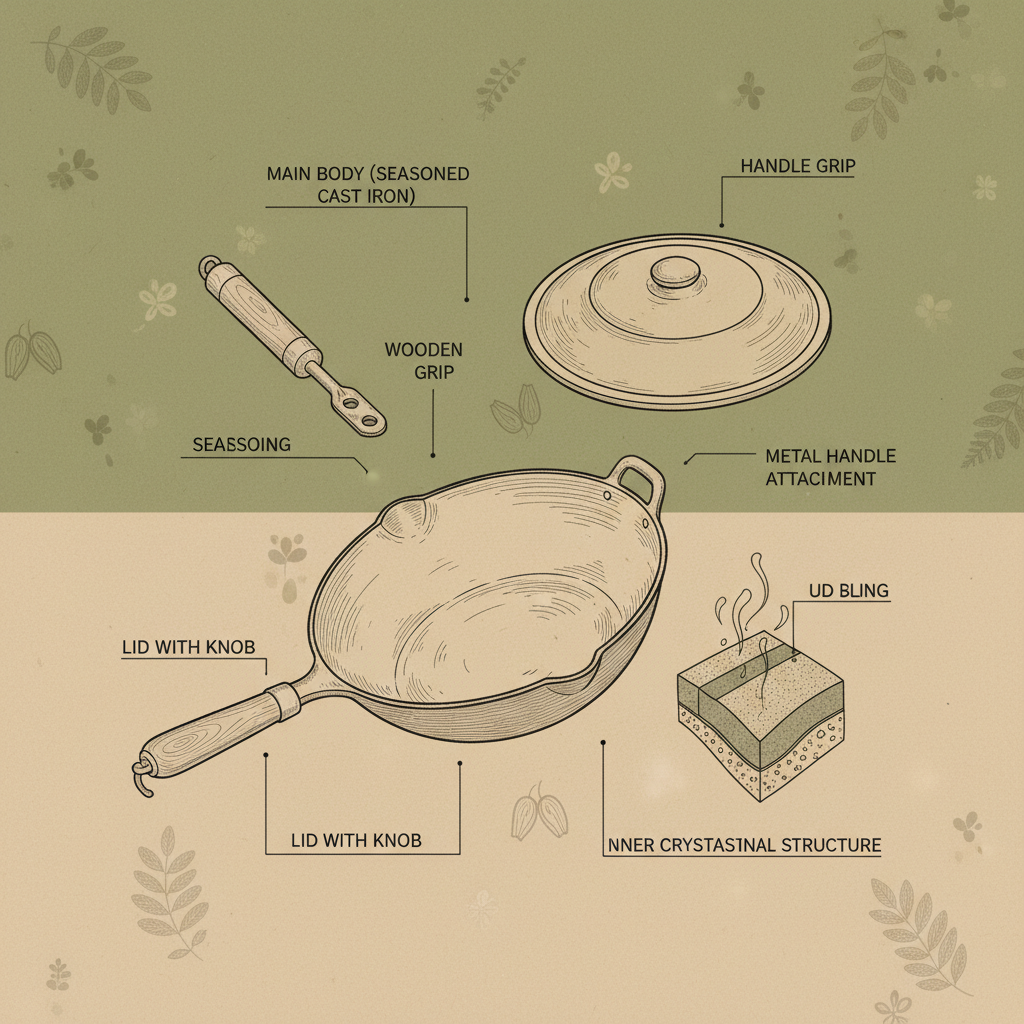
A lot of designers get caught up in making a wok look fancy, forgetting that it needs to be functional. Thin walls, overly complex handles… these are all problems. You need a wok with enough heft to retain heat, but not so much that it's unwieldy. And the handle needs to stay cool, period. I’ve seen too many woks with handles that get scorching hot, even with pot holders.

Another issue is the seasoning. People expect a cast wok to be non-stick right out of the box, which is just not realistic. Proper seasoning takes time and effort. Manufacturers need to provide clear instructions and support customers through the process. Otherwise, you end up with a lot of frustrated cooks and a pile of returned woks.

And the shape… the shape is crucial. Too shallow, and food spills everywhere. Too deep, and it's hard to stir-fry properly. Finding the right balance is an art.

Materials Used in cast wok Construction

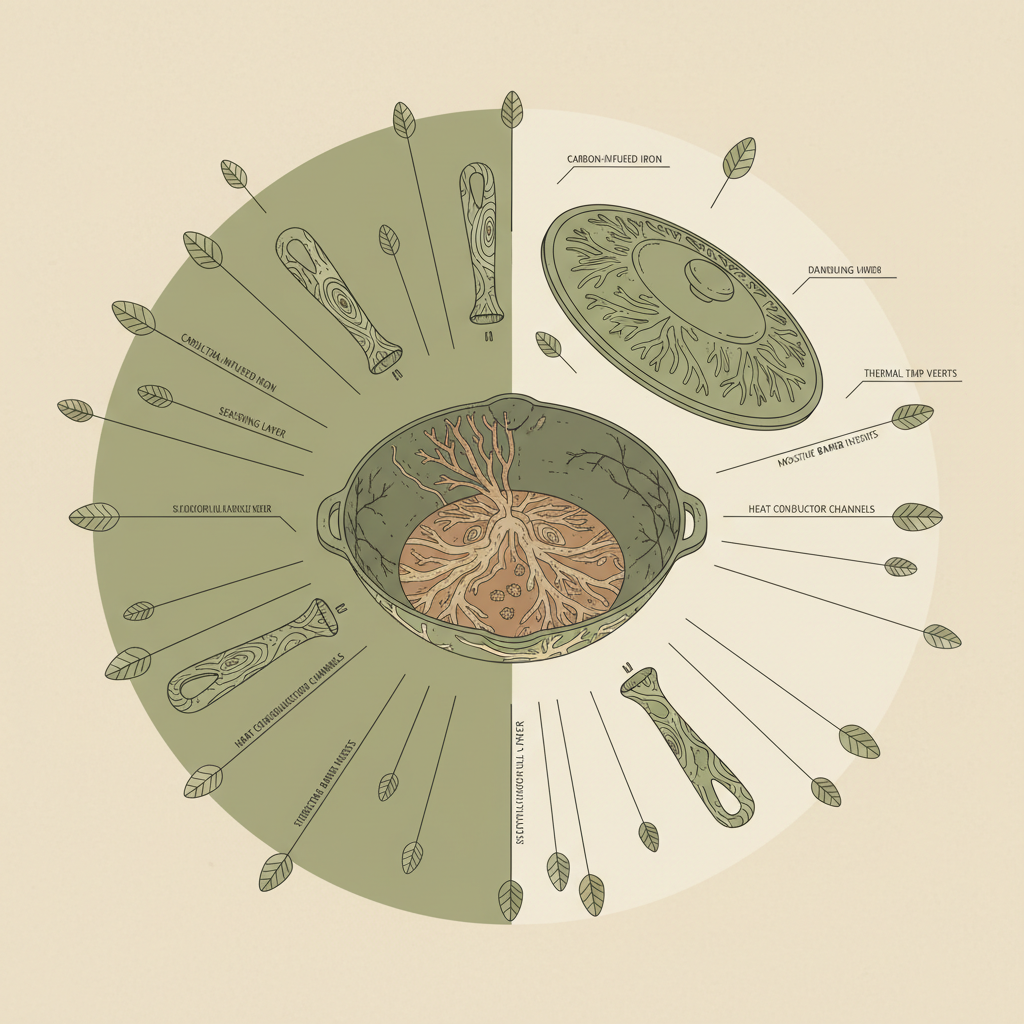
Traditionally, cast woks are made from cast iron, obviously. But the quality of the iron matters. You want something with a high carbon content for strength and durability. The iron itself has a… a sort of earthy smell when it's raw, and feels incredibly dense. It gets heavier the longer it sits out, absorbing moisture from the air.

More recently, we’ve been seeing some woks made from carbon steel. It’s lighter and heats up faster than cast iron, but it’s also more prone to warping. It feels… smoother, almost slippery, compared to the rough texture of cast iron. It doesn’t have that same reassuring weight, you know? And the smell is more metallic.

There's also a trend towards adding alloys, like chromium and nickel, to improve corrosion resistance. But this can also affect the wok's ability to develop a good seasoning. It’s a trade-off. Anyway, I think the key is to use good quality materials and proper manufacturing techniques.

Real-World Testing of cast wok

Lab tests are fine, but they don't tell the whole story. I like to see how a wok performs in a real kitchen, under real-world conditions. We send samples to professional chefs and home cooks, and get their feedback. How does it handle high heat? Does it distribute heat evenly? Is it easy to clean?

We also do stress tests. We heat the woks to extreme temperatures, drop weights on them, and even try to bend them. It sounds brutal, but it's important to know how a wok will hold up under pressure. We've even had folks testing seasoning durability by cooking the same sticky rice dish every day for a month.

cast wok Performance Metrics


How cast wok is Actually Used

People use them for everything! Stir-fries, deep-frying, steaming, even baking. Some folks are really meticulous about seasoning and maintenance, while others just throw it on the stove and hope for the best. I've seen grandmas in rural villages using the same cast wok for decades, passing it down through generations.

Interestingly, a lot of younger cooks are using woks for things like making pasta and sauces. They're realizing that the curved shape is perfect for tossing and mixing. I saw a chef on YouTube making ramen in a cast wok, and it looked amazing! Who knew?

Advantages and Disadvantages of cast wok

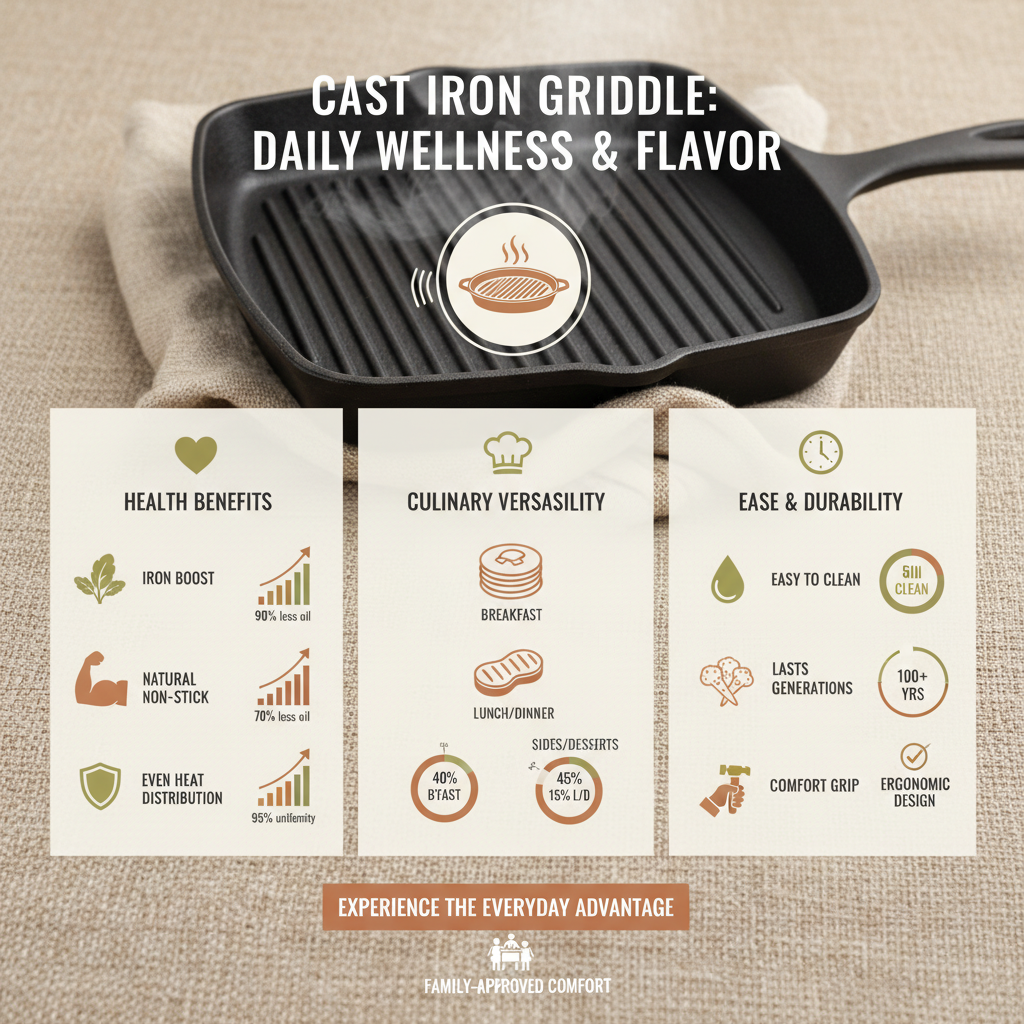
The biggest advantage is, without a doubt, heat retention. A well-seasoned cast wok can hold a ton of heat, which is essential for stir-frying. It also distributes heat evenly, preventing hot spots. It’s practically indestructible, too. Honestly, if you take care of it, it'll outlive you.

The downside? It's heavy. It takes time to heat up. And it requires maintenance. You have to season it regularly to prevent rusting, and you can't just throw it in the dishwasher. It's a commitment. Later... Forget it, I won’t mention the weight again.

Customization Options for cast wok

You can customize pretty much anything. Handle shape, thickness, seasoning, even the type of iron used. Last month, that small boss in Shenzhen who makes smart home devices insisted on changing the interface to … on a wok. Said he wanted to appeal to a younger, tech-savvy audience. It was a disaster. The handle wasn’t strong enough to support the connector, and it kept falling off.

We also do custom engravings and branding. Some restaurants want their logo on the wok, others want a special message. We've even done woks with intricate designs etched into the surface.

The size is another common customization. We can make woks to suit different stovetops and cooking styles.

cast wok Feature Comparison

Material Weight (lbs) Heat Retention (1-5) Maintenance Effort (1-5)
Cast Iron 8-12 5 4
Carbon Steel 5-8 4 3
Cast Iron (Enameled) 10-14 3 2
Carbon Steel (Coated) 4-6 3 1
Stainless Steel (with Aluminum Core) 6-10 2 2
Alloy Iron 7-9 4.5 3.5

FAQS

How long does it actually take to properly season a cast wok?

Seasoning a cast wok isn’t a one-time thing, it’s a process. Expect to do several layers, building them up over weeks. You're basically polymerizing oil into a non-stick surface. The first few layers will be patchy, but with consistent use and oiling after each wash, it’ll get better and better. Don't rush it, and don't use dish soap! That strips the seasoning right off.

Can I use a cast wok on an induction stovetop?

It depends. Older cast woks might not work, as they weren’t made with magnetic materials. Newer ones usually are, but it's best to check the manufacturer’s specs. You can usually test it by seeing if a magnet sticks firmly to the bottom. If it does, it should work on induction. Otherwise, you might be out of luck.

What's the best oil to use for seasoning a cast wok?

There's a lot of debate about this, but generally, you want a high smoke point oil. Flaxseed oil is popular, but it can be finicky and prone to flaking. Grapeseed oil, canola oil, and vegetable oil are good options. I personally like peanut oil, but some people are allergic, so you have to be careful. The key is to apply a very thin layer, and bake it on at a high temperature.

How do I prevent my cast wok from rusting?

Rust is the enemy! After each use, wash the wok with hot water and a soft sponge (no soap!). Dry it thoroughly, and then apply a very light coat of oil. Heat it up on the stovetop for a few minutes to make sure it’s completely dry. Store it in a dry place. And if it does rust, don't panic! You can remove the rust with steel wool and re-season the wok.

Is a flat-bottomed cast wok better for electric stoves?

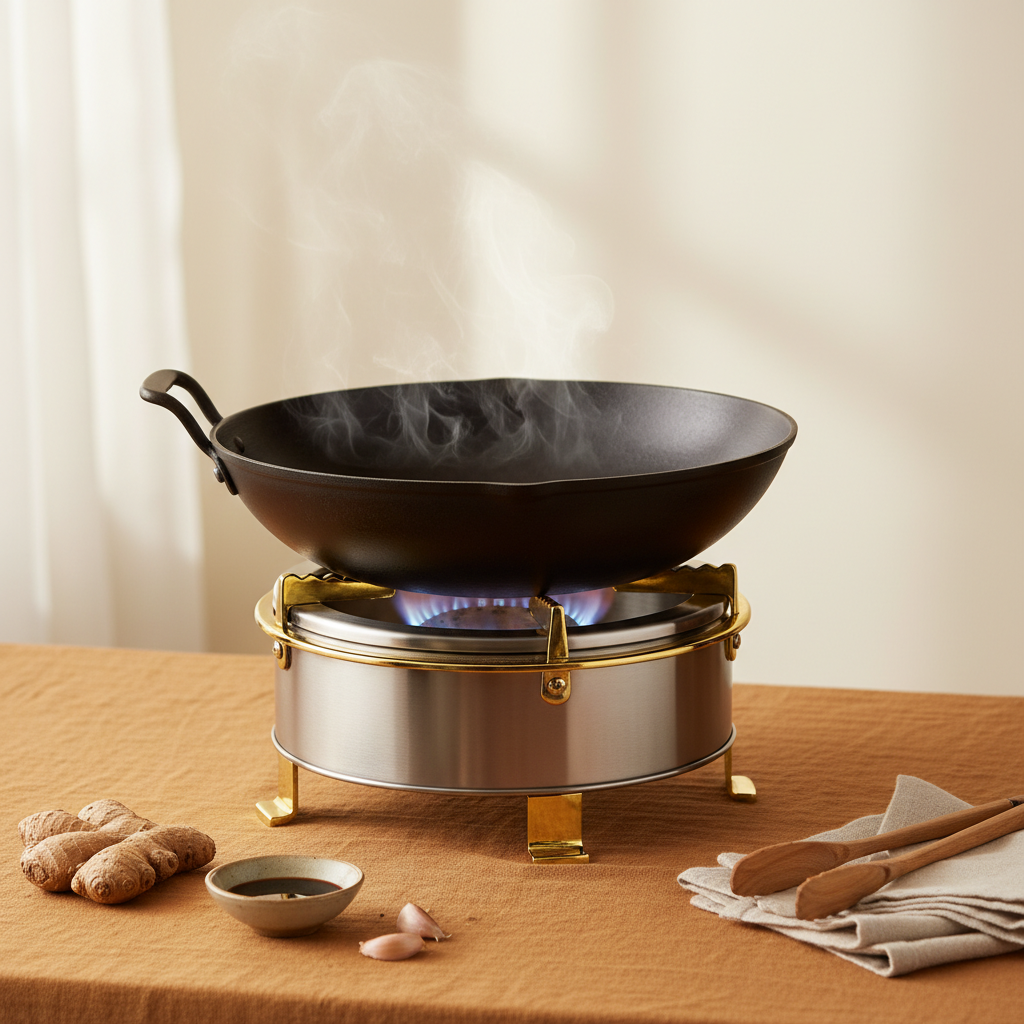
Generally, yes. A flat bottom provides more contact with the heating element, leading to more even heat distribution. Round-bottomed woks are traditionally used with wok rings on gas stoves, but they don't work as well on flat electric surfaces. There are exceptions, of course, but for most people, a flat-bottomed wok is the way to go.

Can I use metal utensils in my cast wok?

You can, but I wouldn’t recommend it. Metal utensils can scratch the seasoning, especially when it’s new. Wood or silicone utensils are gentler and won’t damage the surface. It’s a small thing, but it can make a big difference in the long run. Plus, metal just feels… wrong in a cast wok, you know?

Conclusion

So, ultimately, cast woks are a bit of a throwback. They require effort, they’re not always convenient, but they deliver performance and durability that few other types of cookware can match. They're not just a tool; they're an investment. A connection to tradition.

Whether this thing works or not, the worker will know the moment he tightens the screw. Don't chase the hype, focus on quality, and remember that a good wok is more than just a piece of metal – it's a partner in the kitchen. If you're looking for a durable, versatile, and rewarding cooking experience, a cast wok is worth considering.
Robert Johnson

Robert Johnson

Robert Johnson serves as the Production Manager, overseeing the entire manufacturing process from raw material sourcing to finished product. With a background in lean manufacturing and a keen eye for efficiency, Robert manages a team of 200 professional workers and ensures we maintain our annual capacity of over 15 million
Previous Navigating Lightweighting and Robust Design with Rock Tawa Expertise
Next The Evolution of Construction Materials and Modularity with an Iron Wok Perspective