The enduring appeal of the fine iron wok stems from its unique combination of durability, heat retention, and natural non-stick properties. For centuries, this essential cooking vessel has been at the heart of kitchens across Asia, shaping culinary traditions and contributing to diverse flavors. Understanding the nuances of fine iron wok construction, seasoning, and care unlocks a world of culinary possibilities and represents a connection to a rich cultural heritage. It’s a kitchen tool celebrated not just for its function but for its longevity, often passed down through generations.
Globally, the demand for authentic cooking experiences and healthier food preparation methods is driving renewed interest in traditional cookware like the fine iron wok. Beyond home kitchens, professional chefs are increasingly recognizing its versatility and performance advantages. The rise of Asian cuisine’s popularity worldwide further fuels this demand, creating a burgeoning market for high-quality fine iron woks. This trend reflects a broader movement towards sustainable and time-tested kitchenware.
A well-maintained fine iron wok offers unparalleled cooking control and flavor development, setting it apart from modern alternatives. Its ability to withstand extremely high temperatures allows for achieving the 'wok hei' - the coveted smoky flavor characteristic of stir-fries. The investment in a fine iron wok is not merely purchasing a cooking tool; it’s embracing a culinary technique and a lasting piece of culinary artistry.
The Origins and Evolution of fine iron wok
The history of the fine iron wok is deeply intertwined with the culinary history of China, dating back over 2,000 years. Initially crafted from cast iron, early woks were designed for efficient cooking over wood or charcoal fires, maximizing fuel usage and minimizing cooking time. Their rounded shape allowed for quick stirring and tossing, crucial for stir-frying techniques.
Over centuries, the wok evolved with improvements in metallurgy and casting techniques. The transition from cast iron to wrought iron, and eventually to higher-grade carbon steel, enhanced its responsiveness to heat and reduced its weight. Regional variations emerged, each reflecting local culinary preferences and available materials, resulting in the diverse range of fine iron woks we see today.
Defining a fine iron wok
A fine iron wok is a round-bottomed cooking pan traditionally made of wrought iron or carbon steel. What distinguishes it from other woks isn’t merely the material, but the quality of that material and the craftsmanship involved in its creation. A fine iron wok will possess a consistent thickness, a smooth interior surface, and a well-formed shape designed for optimal heat distribution and maneuverability.
Seasoning – the process of repeatedly heating the wok with oil – is crucial in creating a natural non-stick surface and protecting the iron from rust. The build-up of polymerized oil layers is what imparts a fine iron wok its characteristic patina and improves its performance over time.
Essentially, a fine iron wok is more than just cookware; it’s a tool that develops a relationship with its user, becoming more responsive and flavorful with each use, representing a connection to centuries of culinary tradition.
Core Characteristics of fine iron wok
The hallmark of a fine iron wok lies in its heat responsiveness. Unlike thicker-bottomed pans, a thinner wok heats up rapidly and distributes heat evenly, allowing for high-temperature stir-frying and searing. This rapid temperature control is critical for achieving the ‘wok hei’ – the smoky, complex flavor characteristic of authentic Asian cuisine.
Durability is another defining characteristic. Properly cared for, a fine iron wok can last for generations, resisting warping and cracking even under intense heat. This longevity not only represents excellent value but also aligns with a growing consumer desire for sustainable, long-lasting products.
The unique shape of the wok – its rounded bottom and sloping sides – facilitates efficient tossing and stirring, ensuring food cooks evenly and develops complex flavors. This shape also allows for minimal oil usage, promoting healthier cooking practices.
The Benefits of Superior Heat Retention in fine iron wok
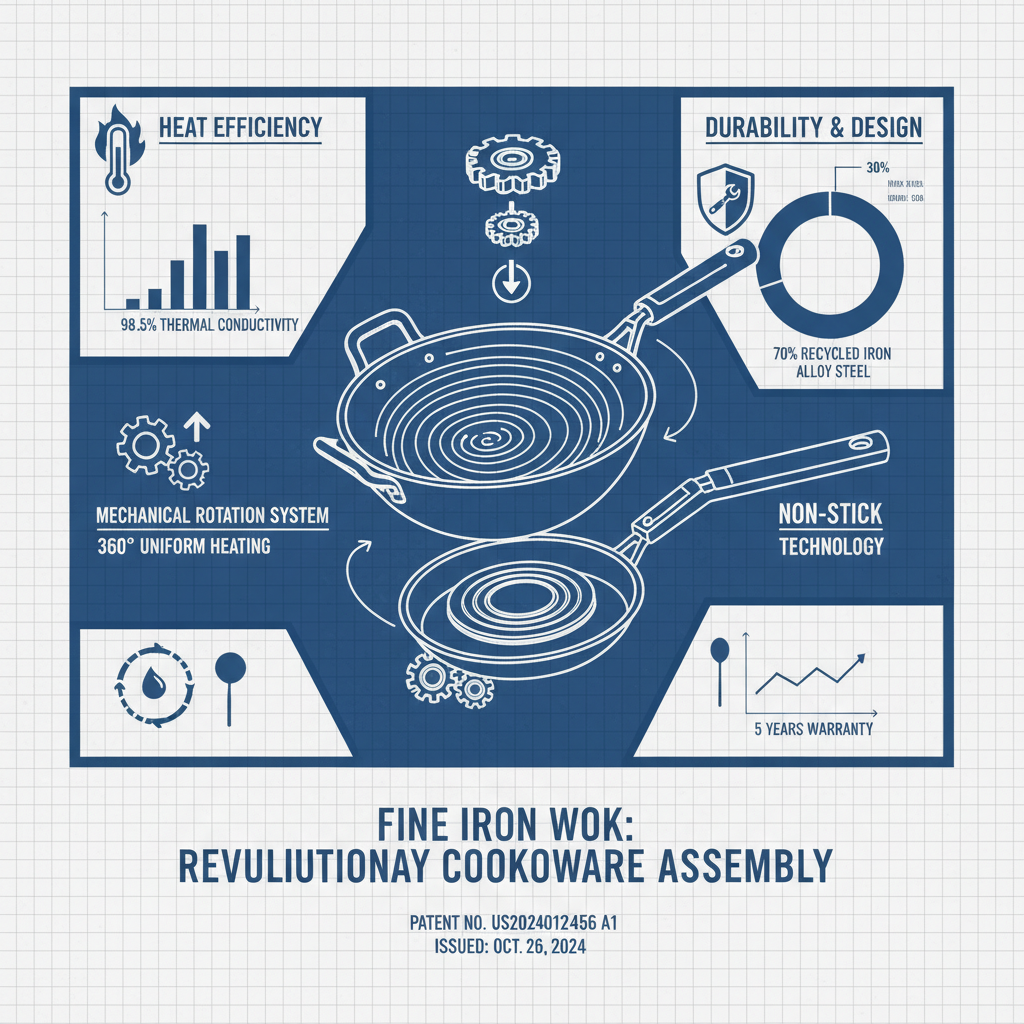
Superior heat retention is arguably the most significant benefit of a fine iron wok. This property allows the wok to maintain high temperatures even when food is added, preventing a significant temperature drop that can lead to steaming instead of searing. This consistent heat is crucial for achieving the desired texture and flavor in stir-fries and other high-heat cooking methods.
The ability to quickly recover heat after adding ingredients is also vital. A fine iron wok’s high thermal mass efficiently absorbs and redistributes heat, preventing hotspots and ensuring even cooking throughout the pan. This is particularly important when cooking multiple batches of food.
fine iron wok Heat Retention Comparison
Global Culinary Applications of fine iron wok
While traditionally associated with Chinese cuisine, the versatility of the fine iron wok extends far beyond. Chefs worldwide are employing this cookware to create a diverse range of dishes, from stir-fries and noodles to deep-fried delicacies and even steamed foods. Its ability to handle high heat and its efficient cooking process make it invaluable in both professional and home kitchens.
In Southeast Asian countries like Thailand and Vietnam, the wok remains a staple in street food stalls and restaurants, used to prepare iconic dishes like Pad Thai and Pho. In post-disaster relief operations, its portability and efficiency make it a practical choice for cooking large quantities of food with limited resources.
Long-Term Value and Sustainability of fine iron wok
Investing in a fine iron wok is a commitment to quality and longevity. Unlike non-stick pans that require frequent replacement, a well-maintained wok can last a lifetime, reducing waste and offering a sustainable alternative to disposable cookware. This durability translates to significant cost savings over time.
Furthermore, the wok’s natural non-stick properties develop over time through seasoning, eliminating the need for potentially harmful chemical coatings found in many modern pans. This contributes to a healthier cooking environment and reduces environmental impact.
The inherent recyclability of iron and steel further reinforces the fine iron wok’s sustainable profile, ensuring that even at the end of its long life, it can be responsibly repurposed.
Future Innovations in fine iron wok Technology
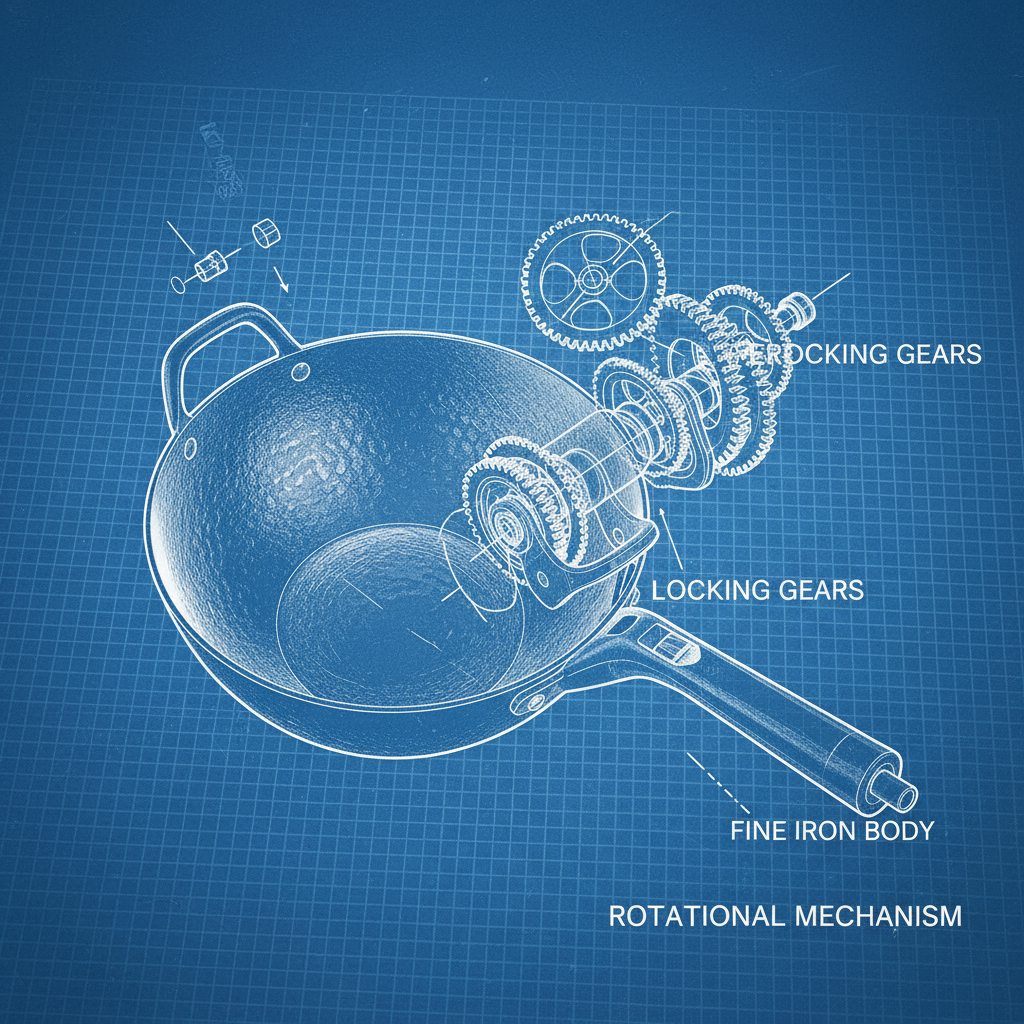
While the fundamental design of the fine iron wok has remained remarkably consistent for centuries, innovations are emerging to enhance its performance and convenience. These include improved alloy compositions for better heat distribution and reduced weight, as well as ergonomic handle designs for enhanced comfort and control.
The integration of smart technology, such as temperature sensors and digital seasoning guides, is also on the horizon, helping users achieve optimal cooking results and maintain their woks more effectively. Furthermore, research into more sustainable and eco-friendly seasoning oils is ongoing.
These advancements aim to modernize the wok experience without compromising its core principles of durability, versatility, and flavor enhancement, solidifying its place as a timeless kitchen essential.
Key Factors Influencing fine iron wok Performance
| Material Composition |
Wok Thickness |
Handle Design |
Seasoning Quality |
| Carbon Steel (10/10) |
1.8mm (8/10) |
Wood Handle (7/10) |
Multiple Layers (9/10) |
| Wrought Iron (7/10) |
2.0mm (7/10) |
Riveted Handle (6/10) |
Single Layer (5/10) |
| Cast Iron (5/10) |
3.0mm (5/10) |
Welded Handle (4/10) |
No Seasoning (2/10) |
| Stainless Steel (3/10) |
1.5mm (4/10) |
Plastic Handle (2/10) |
Poorly Applied (1/10) |
| High Carbon Steel Blend (9/10) |
1.6mm (6/10) |
Spring Handle (8/10) |
Consistent Layers (7/10) |
| Alloy Iron (6/10) |
2.2mm (3/10) |
Loop Handle (5/10) |
Uneven Layers (3/10) |
FAQS
Seasoning a new fine iron wok is crucial for creating a natural non-stick surface. Start by washing the wok with hot, soapy water and thoroughly drying it. Then, heat the wok over medium-high heat until it smokes lightly. Add a tablespoon of high smoke point oil (like peanut or canola) and rub it into every surface, including the sides. Continue heating until the oil begins to polymerize, creating a dark, glossy coating. Repeat this process 3-5 times to build up a good base layer. Regular cooking with oil will continue to enhance the seasoning.
Rust is the enemy of a fine iron wok, but it’s easily preventable. After each use, thoroughly wash the wok with hot water (avoiding harsh soaps) and dry it completely. Place the wok over low heat to ensure all moisture is evaporated. Lightly coat the interior with oil before storing. If rust does appear, scrub it away with steel wool and re-season the affected area.
While wooden or silicone utensils are gentler, you can use metal utensils in a well-seasoned fine iron wok. The seasoning acts as a protective layer. However, avoid scraping aggressively, as this can damage the seasoning. Gentle stirring and tossing are perfectly acceptable.
Round-bottom woks are the traditional style, designed for use with a wok ring on gas stoves. They offer the best heat concentration and maneuverability for tossing. Flat-bottom woks are more stable on electric or induction cooktops, but they may not heat as evenly. The choice depends on your stove type and cooking style.
Not all fine iron woks are suitable for induction cooktops. The wok must be made of a ferromagnetic material (like cast iron or carbon steel) to work with induction. Check the manufacturer's specifications to ensure compatibility. Some woks may require an adapter plate to function on an induction surface.
The frequency of re-seasoning depends on usage and cleaning habits. If the seasoning appears dull or patchy, or if you notice rust forming, it’s time to re-season. Regular use and proper care can minimize the need for frequent re-seasoning. A light coating of oil after each use will often suffice to maintain the seasoning.
Conclusion
The fine iron wok stands as a testament to the enduring power of simple, well-designed tools. Its longevity, versatility, and ability to enhance flavor make it a cornerstone of both professional and home kitchens. From its historical roots in ancient China to its growing presence in kitchens around the globe, the wok represents a culinary tradition that continues to evolve and inspire.
Investing in a fine iron wok is more than just acquiring cookware; it’s embracing a culinary philosophy and committing to a sustainable, flavorful cooking experience. We encourage you to explore the world of wok cooking and discover the many benefits this remarkable pan has to offer. Visit our website at www.foundryasia.com to learn more and find the perfect fine iron wok for your kitchen.