The comal skillet, a traditional flat griddle originating from Mexico, has become increasingly recognized globally for its versatility and role in diverse culinary traditions. Beyond its simple design, the comal offers a unique cooking surface ideal for tortillas, sauces, and a wide range of dishes, fostering cultural heritage and providing an efficient cooking solution. Understanding the comal’s capabilities and adapting it to modern kitchens unlocks a world of authentic flavors and practical cooking techniques.
Historically, the comal skillet was integral to indigenous Mesoamerican cooking, primarily used for preparing nixtamalized corn for tortillas and other staples. Today, its popularity extends far beyond Mexico, appearing in restaurants and homes worldwide as chefs and home cooks alike discover its advantages. The demand for authentic cooking experiences and simple, effective kitchen tools drives the growing interest in the comal skillet.
The enduring appeal of the comal isn’t just rooted in tradition; it’s a testament to its functionality. From street food vendors efficiently preparing tacos to gourmet kitchens crafting sophisticated sauces, the comal skillet proves to be a robust and adaptable tool. Its flat surface ensures even heat distribution, making it perfect for a variety of cooking methods.
The Historical Development of comal skillet
The comal skillet’s origins trace back to pre-Columbian Mexico, where it was an essential tool for preparing nixtamalized corn, the foundation of many indigenous diets. Traditionally crafted from clay or volcanic stone, the comal served as the primary cooking surface for tortillas, tamales, and other staples.
Over centuries, the materials used in comal skillet construction evolved, with iron becoming a prevalent choice during the colonial period. This change allowed for more durable and efficient heating. The comal skillet’s design remained largely consistent, emphasizing a flat, circular surface ideal for direct heat cooking.
The Materials and Construction of comal skillet
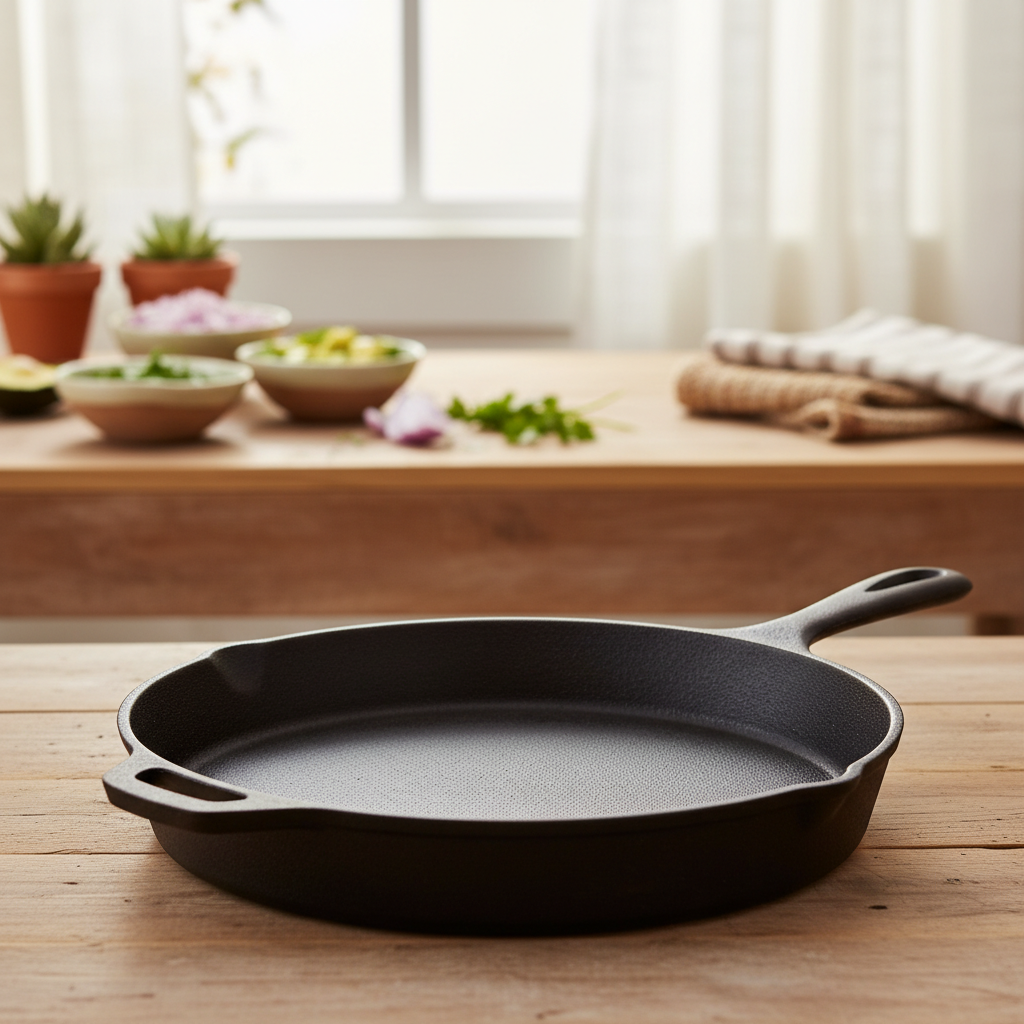
Traditionally, comal skillets were crafted from clay or volcanic stone, prized for their ability to retain heat evenly. However, modern comal skillets are most commonly made from carbon steel or cast iron. Carbon steel offers a lighter weight and faster heating, while cast iron provides superior heat retention and durability.
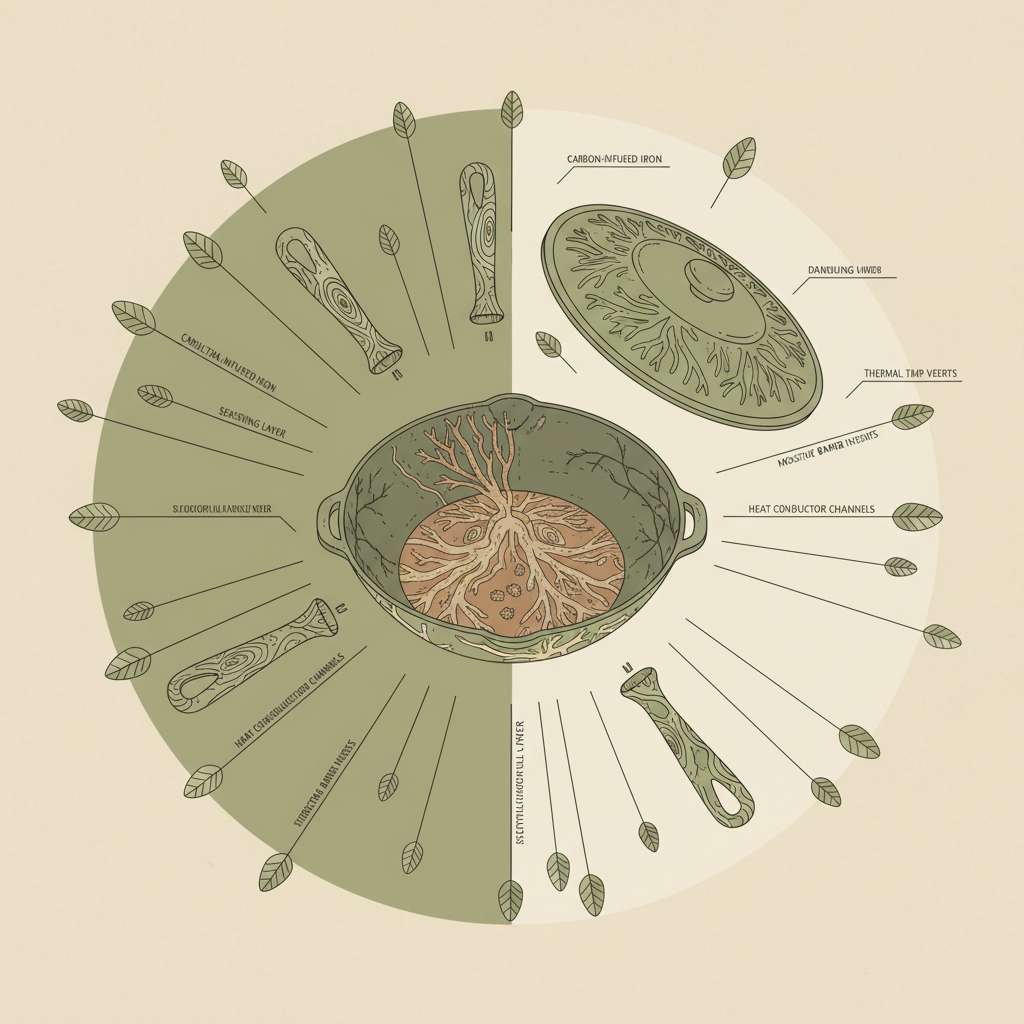
The construction typically involves a single, flat sheet of metal, often with slightly raised edges to prevent food from slipping off. Some comal skillets feature handles made of wood or metal, though handleless designs are also common, promoting a more traditional cooking experience. The thickness of the metal plays a crucial role in heat distribution and overall performance.
Choosing the right material for a comal skillet depends on individual cooking preferences. Carbon steel is ideal for quick cooking and versatility, while cast iron is excellent for slow cooking and achieving a consistent, even heat. Proper seasoning is essential for all metal comal skillets to prevent rusting and ensure a non-stick cooking surface.
The Versatility of comal skillet in Culinary Applications
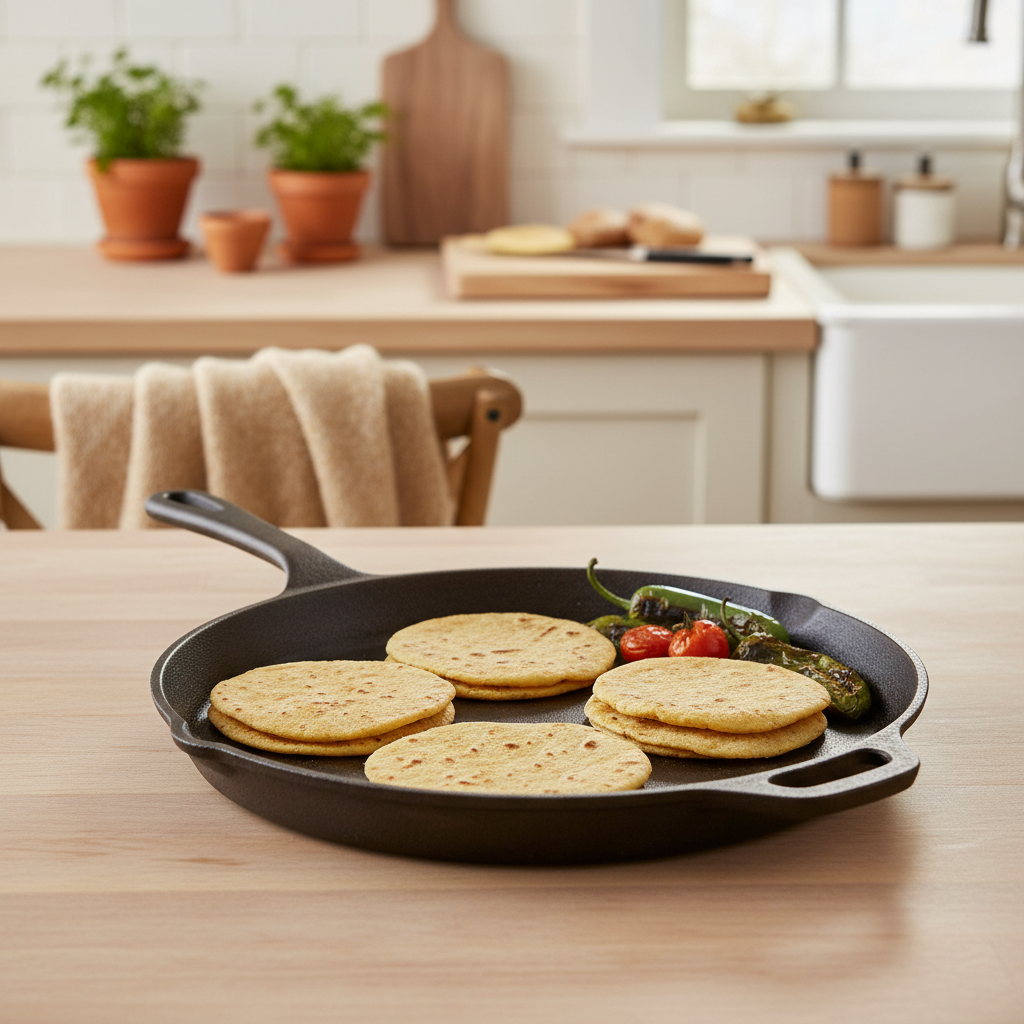
The comal skillet's flat surface and excellent heat retention make it incredibly versatile in the kitchen. It’s not limited to traditional Mexican cuisine; chefs are discovering its benefits for a wide array of dishes. From searing meats and vegetables to toasting spices and making pan sauces, the comal excels at tasks that require direct contact with a hot surface.
Beyond tortillas, the comal skillet is perfect for creating crispy quesadillas, flavorful stir-fries, and beautifully caramelized onions. Its even heating prevents hot spots, ensuring consistent cooking results. It’s also ideal for making sauces, as the flat surface allows for easy reduction and blending of ingredients.
Many cultures have developed similar cooking tools, recognizing the benefits of a flat, heated surface. The comal skillet stands out due to its simplicity, efficiency, and ability to impart a unique flavor to food. Its adaptability makes it a valuable addition to any kitchen, regardless of culinary style.
Heat Distribution and Cooking Efficiency of comal skillet
The comal skillet’s design prioritizes even heat distribution, a critical factor for consistent cooking results. The flat, un-curved surface ensures that food comes into direct contact with the entire cooking area, eliminating hot spots and cold spots that can lead to unevenly cooked dishes.
The thickness of the comal skillet material also plays a significant role in heat retention. Thicker skillets, like those made of cast iron, retain heat for longer periods, making them ideal for searing and maintaining consistent temperatures. Carbon steel skillets heat up quickly and respond rapidly to temperature changes, offering greater control.
comal skillet Cooking Efficiency Ratings
Global Culinary Traditions and comal skillet
While the comal skillet originates from Mexico, its influence extends to various culinary traditions worldwide. In many cultures, similar flat griddles are used for preparing staple foods, demonstrating a universal understanding of the benefits of this cooking method.
In India, the tawa serves a similar purpose, used for making rotis, parathas, and dosas. Japanese teppanyaki grills also share the comal’s emphasis on direct heat cooking, allowing for flavorful and visually appealing dishes. The common thread is the ability to cook food quickly and evenly, preserving its natural flavors.
The comal skillet's adaptability allows it to seamlessly integrate into diverse cuisines. Its simplicity and efficiency make it a valuable tool for chefs exploring global flavors and traditional cooking techniques.
Maintaining and Caring for your comal skillet
Proper maintenance is crucial to ensuring the longevity and performance of a comal skillet. For carbon steel and cast iron skillets, seasoning is essential to prevent rusting and create a non-stick cooking surface. This involves coating the skillet with oil and baking it at a high temperature.
After each use, the comal skillet should be cleaned with warm water and a soft sponge. Avoid using harsh detergents or abrasive cleaners, as these can damage the seasoning. Thoroughly drying the skillet is important to prevent rust. A light coating of oil after drying can help maintain the seasoning.
The Future of comal skillet Design and Innovation
The comal skillet, despite its traditional roots, is open to innovation. Modern designs are incorporating features like improved handles, non-stick coatings (though purists often prefer traditional seasoning), and more efficient heating elements.
Sustainable materials are also gaining traction, with manufacturers exploring alternatives to traditional iron and steel. The integration of smart technology, such as temperature sensors and connectivity to cooking apps, could further enhance the comal skillet’s functionality and precision.
Ultimately, the future of the comal skillet lies in balancing tradition with innovation, preserving its core principles while adapting to the evolving needs of modern cooks. The enduring appeal of this versatile tool ensures its continued relevance in kitchens worldwide.
Summary of comal skillet Material Properties
| Material |
Heat Retention |
Heating Speed |
Durability |
| Cast Iron |
10/10 |
4/10 |
9/10 |
| Carbon Steel |
7/10 |
8/10 |
7/10 |
| Clay |
6/10 |
5/10 |
4/10 |
| Volcanic Stone |
8/10 |
3/10 |
5/10 |
| Stainless Steel (Coated) |
5/10 |
9/10 |
6/10 |
| Aluminum (Coated) |
4/10 |
10/10 |
3/10 |
FAQS
To season a new comal skillet, begin by washing it with warm, soapy water and drying it thoroughly. Then, apply a thin, even coat of high-smoke-point oil (such as canola or flaxseed oil) to the entire surface, inside and out. Place the skillet upside down in a preheated oven at 350-400°F (175-205°C) for about an hour. Repeat this process several times to build up a robust seasoning layer. A properly seasoned comal skillet will be naturally non-stick and resistant to rust.
While you can use metal utensils on a well-seasoned comal skillet, it's generally recommended to opt for wood, silicone, or plastic utensils to minimize the risk of scratching or damaging the seasoning. Repeated use of metal utensils can gradually wear down the seasoning over time. Gentle use of metal spatulas can be acceptable if careful.
Rust is the enemy of any cast iron or carbon steel comal skillet. To prevent rust, always dry the skillet thoroughly after washing, and apply a very thin coat of oil to the surface. Avoid soaking the skillet in water for extended periods. If rust does appear, scrub it off with steel wool and re-season the skillet.
Oils with a high smoke point are ideal for seasoning a comal skillet. Canola oil, flaxseed oil, grapeseed oil, and shortening are all good choices. Avoid using olive oil or butter, as they have lower smoke points and can become sticky. Apply the oil in a very thin, even coat to avoid a gummy residue.
No, a comal skillet is not dishwasher safe. The high heat and harsh detergents in a dishwasher can strip away the seasoning and cause the skillet to rust. It’s best to hand wash the skillet with warm water and a soft sponge. Avoid using abrasive cleaners.
While both comals and griddles are flat cooking surfaces, there are key differences. Comals are typically thinner and have lower sides (or no sides at all) and are traditionally used for dry-heat cooking, like tortillas or searing. Griddles are often thicker and have raised sides, and are more often used for cooking with fats, like pancakes or bacon. Comals prioritize direct heat transfer and simpler cooking methods.
Conclusion
The comal skillet stands as a testament to the power of simple, effective cooking tools. From its ancient origins to its modern adaptations, this versatile griddle has proven its enduring value in kitchens around the world. Its ability to distribute heat evenly, its adaptability to various cuisines, and its inherent connection to culinary traditions make it a prized possession for chefs and home cooks alike.
Investing in a comal skillet isn't just acquiring a cooking tool—it’s embracing a piece of culinary history and a gateway to new flavors. Whether you’re a seasoned chef or a beginner cook, the comal skillet offers an accessible and rewarding cooking experience. To learn more about incorporating this essential tool into your kitchen, visit our website: www.foundryasia.com.