tuffcast pots are revolutionizing industrial solutions globally, offering unparalleled durability and cost-effectiveness in demanding environments. From resource extraction to chemical processing, these specialized pots are engineered to withstand extreme temperatures, pressures, and corrosive materials, extending operational lifespans and reducing maintenance downtime. The demand for robust and reliable containment vessels is escalating as industries expand and seek improved performance standards.
The global market for industrial containers, including specialized tuffcast pots, is experiencing significant growth, fueled by expansions in petrochemical, pharmaceutical, and mining sectors. According to a recent report by the World Bank, infrastructure investments in emerging economies are driving the need for more durable and efficient materials. This presents a substantial opportunity for innovative solutions like tuffcast pots, addressing a critical gap in the market where traditional materials often fall short in longevity and performance.
Understanding the properties and applications of tuffcast pots is vital for professionals across diverse industries. Their unique manufacturing process and material composition offer advantages that translate into significant cost savings, increased safety, and improved operational efficiency. This knowledge empowers informed decision-making, ensuring the selection of the most appropriate containment solutions for specific industrial needs.
Introduction to tuffcast pots
Tuffcast pots represent a significant advancement in materials science and industrial engineering. Their unique composition, typically involving specialized alloys and advanced casting techniques, provides exceptional resistance to harsh conditions. This resistance translates to longer service lives, reduced replacement costs, and minimized environmental impact compared to traditional containment solutions.
The development of tuffcast pots is driven by the increasing demands of modern industries for reliable and durable equipment. These pots are not merely containers; they are engineered systems designed to optimize performance, enhance safety, and streamline operational processes. Their versatility allows for customization to meet the specific needs of various applications, making them an indispensable asset for numerous sectors.
Defining tuffcast pots and Their Relevance
Simply put, tuffcast pots are heavy-duty containment vessels designed for extreme industrial environments. They are manufactured using a specialized casting process that results in a dense, highly resistant material capable of withstanding high temperatures, pressures, and corrosive substances. Their primary function is to safely contain and manage materials in processes where failure could result in significant economic or environmental consequences.
The relevance of tuffcast pots extends beyond simply containing materials. They play a critical role in ensuring the safety of personnel, protecting the environment, and optimizing the efficiency of industrial operations. In industries like chemical processing, mining, and energy production, where hazardous materials are commonplace, tuffcast pots are an essential component of responsible and sustainable practices.
Their connection to modern industry stems from the need for materials that can reliably perform in increasingly demanding conditions. As industries push the boundaries of innovation, they require containment solutions that can keep pace. Tuffcast pots offer a superior alternative to traditional materials like steel or plastic, providing unmatched durability and resistance.
Core Components of tuffcast pots
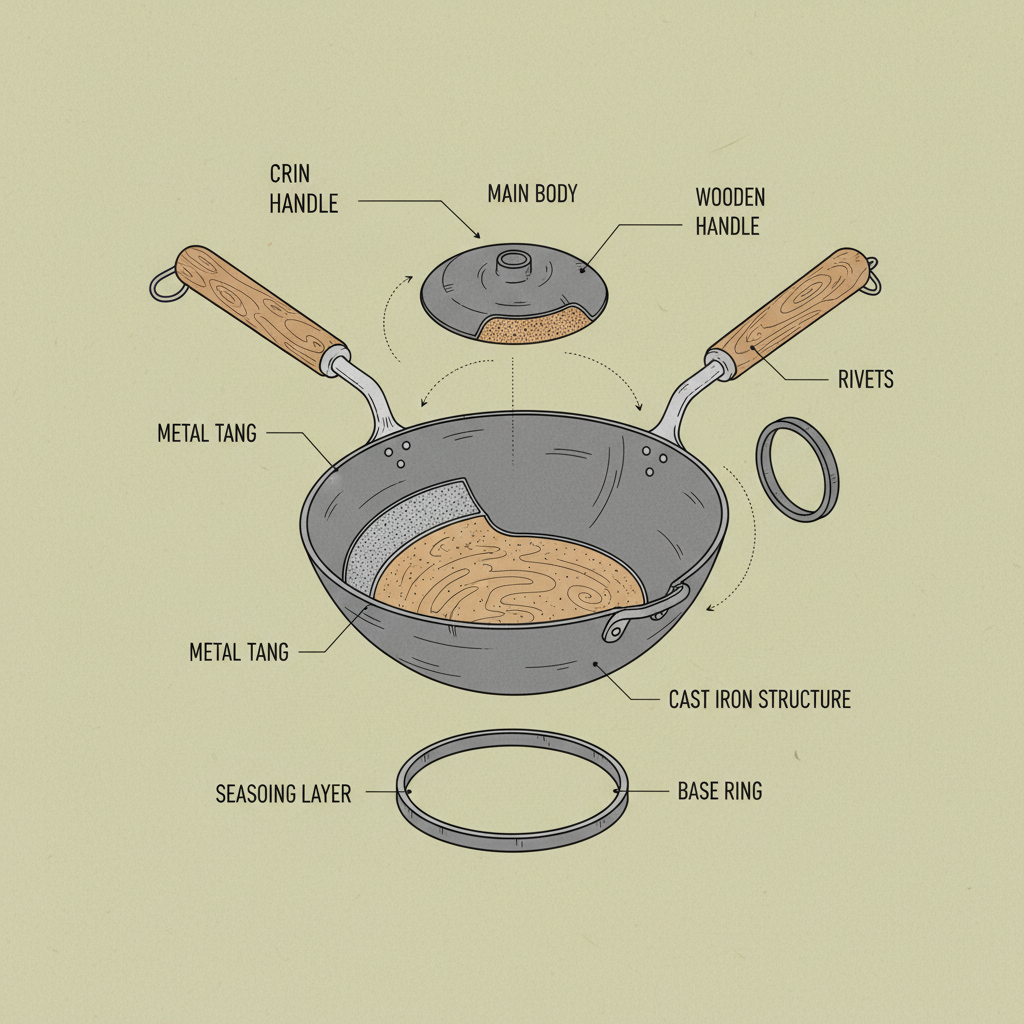
The exceptional performance of tuffcast pots is attributable to several key components working in synergy. First, the alloy composition, often involving nickel-based or chromium-based superalloys, provides inherent resistance to corrosion and high temperatures. Second, the casting process itself, typically employing techniques like centrifugal casting, ensures a dense and homogenous material structure, eliminating weaknesses and voids.
Third, precision engineering and quality control throughout the manufacturing process guarantee dimensional accuracy and structural integrity. Each pot undergoes rigorous testing to ensure it meets stringent performance standards. Finally, specialized coatings and linings can be applied to further enhance resistance to specific chemicals or abrasive materials, extending the pot’s operational lifespan.
These components collectively contribute to the unique properties that differentiate tuffcast pots from conventional containment solutions. Their combined effect results in a product that offers superior reliability, durability, and safety, making them a preferred choice for demanding industrial applications.
Global Applications of tuffcast pots
Tuffcast pots find diverse applications across a wide range of industries worldwide. In the petrochemical sector, they are utilized to contain highly corrosive chemicals during processing and storage. In mining operations, they serve as liners for leaching tanks, protecting against aggressive chemical solutions. The pharmaceutical industry leverages their purity and resistance to contamination for critical ingredient handling.
Geographically, demand for tuffcast pots is particularly strong in regions with robust industrial activity, such as North America, Europe, and Asia-Pacific. These regions often have stringent environmental regulations and a focus on operational safety, driving the adoption of high-performance materials. In post-disaster relief operations, robust containers such as tuffcast pots are critical for the safe handling of contaminated materials.
Organizations involved in environmental remediation and waste management also benefit significantly from the use of tuffcast pots, as they provide a secure and reliable means of containing hazardous substances. Furthermore, in remote industrial zones where access to maintenance and repairs is limited, the durability of tuffcast pots minimizes downtime and ensures continuous operation.
Performance Comparison of tuffcast pots Methods
Advantages and Long-Term Value
The advantages of utilizing tuffcast pots are multifaceted. Tangible benefits include significantly reduced maintenance costs due to their exceptional durability, decreased downtime resulting from fewer replacements, and enhanced operational safety stemming from their ability to reliably contain hazardous materials. These factors contribute directly to improved profitability and a strengthened bottom line.
Beyond the financial aspects, tuffcast pots offer substantial long-term value through their sustainability profile. Their extended lifespan reduces the need for frequent replacements, minimizing waste and lowering the environmental footprint. The inherent safety they provide fosters a more secure working environment, boosting employee morale and reducing the risk of accidents. The investment in quality like tuffcast pots builds trust and resilience within an organization.
Future Trends in tuffcast pot Technology
The future of tuffcast pots is poised for innovation, driven by advancements in materials science and manufacturing techniques. We anticipate the integration of smart sensors within the pot structures, providing real-time data on internal pressure, temperature, and material levels. This will enable predictive maintenance and optimize process control.
Furthermore, research is underway to develop even more corrosion-resistant alloys and coatings, extending the operational lifespan of tuffcast pots in increasingly harsh environments. The implementation of automated inspection systems, utilizing technologies like non-destructive testing, will ensure consistently high quality and reliability. Sustainable manufacturing practices will also become increasingly prevalent, minimizing the environmental impact of production.
Challenges and Solutions in tuffcast pot Implementation
Despite their numerous advantages, implementing tuffcast pots can present certain challenges. Initial costs can be higher compared to traditional materials, requiring a careful cost-benefit analysis. Additionally, specialized installation and maintenance procedures may necessitate skilled personnel and potentially longer lead times.
However, these challenges can be addressed through strategic planning and collaboration. Exploring financing options, such as long-term leasing or performance-based contracts, can mitigate upfront costs. Investing in comprehensive training programs for maintenance staff ensures proper handling and upkeep. Utilizing digital twins and virtual reality simulations can also streamline the installation process and reduce potential errors.
Another hurdle lies in customizing tuffcast pots to specific application requirements. Solutions include employing advanced modeling and simulation tools during the design phase, as well as fostering close collaboration between manufacturers and end-users to ensure optimal performance.
Summary of Challenges and Solutions in tuffcast pot Implementation
| Challenge |
Impact on Operations |
Proposed Solution |
Implementation Cost (Scale 1-10) |
| High Initial Investment |
Can deter adoption, especially for smaller businesses. |
Explore leasing options, long-term contracts, and phased implementation. |
6 |
| Specialized Installation |
Requires trained personnel and can lead to delays. |
Comprehensive training programs for installation teams and use of digital twins. |
7 |
| Customization Complexities |
May require significant engineering effort and lead times. |
Utilize advanced modeling software and collaborate closely with manufacturers. |
8 |
| Maintenance Skill Requirements |
Requires trained technicians to ensure proper upkeep. |
Implement regular maintenance schedules and provide ongoing training. |
5 |
| Supply Chain Disruptions |
Can lead to delays in procurement and installation. |
Diversify supplier base and maintain strategic inventory levels. |
4 |
| Limited Awareness |
Lack of understanding about benefits can hinder adoption. |
Targeted marketing and education campaigns to highlight value proposition. |
3 |
FAQS
Tuffcast pots offer several key advantages over steel containers, including superior corrosion resistance, higher temperature tolerance, and increased durability. Steel is susceptible to rust and degradation, requiring frequent maintenance and replacement. Tuffcast pots, due to their specialized alloy composition and casting process, are significantly more resilient in harsh environments, resulting in lower life-cycle costs and reduced downtime. They also exhibit better resistance to abrasive materials and certain chemical attacks, making them ideal for challenging industrial applications.
A diverse range of industries can benefit from the adoption of tuffcast pots. These include petrochemicals, mining, pharmaceuticals, chemical processing, pulp and paper, and waste management. Any sector dealing with corrosive substances, high temperatures, or extreme pressures can realize significant advantages through the use of these durable containment solutions. Furthermore, industries prioritizing safety and environmental responsibility will find tuffcast pots to be a valuable asset.
While the initial cost of tuffcast pots may be higher than some traditional materials, their extended lifespan and reduced maintenance requirements often result in lower overall life-cycle costs. The need for fewer replacements, combined with minimized downtime, can lead to substantial savings over time. A comprehensive cost-benefit analysis should be conducted to evaluate the long-term economic advantages based on specific application requirements.
Yes, tuffcast pots are highly customizable to meet specific application requirements. Manufacturers can tailor the alloy composition, dimensions, coatings, and features to address unique challenges. This customization ensures optimal performance and compatibility with various industrial processes. Advanced modeling and simulation tools are often used during the design phase to ensure a perfect fit and functionality.
The use of tuffcast pots contributes to environmental sustainability through their extended lifespan, reducing the need for frequent replacements and minimizing waste generation. Their durability also reduces the risk of leaks and spills, preventing environmental contamination. Additionally, the advanced manufacturing processes employed in their production are increasingly focused on minimizing energy consumption and reducing emissions.
While tuffcast pots are designed for minimal maintenance, regular inspections and preventative measures are recommended to ensure optimal performance and longevity. This may include visual checks for corrosion or wear, cleaning to remove any buildup of materials, and periodic testing of coatings or linings. Following manufacturer guidelines and implementing a structured maintenance program will maximize the lifespan and reliability of the pots.
Conclusion
In conclusion, tuffcast pots represent a significant advancement in industrial containment technology. Their exceptional durability, resistance to harsh environments, and customizable nature offer compelling advantages over traditional materials. From reducing maintenance costs and downtime to enhancing safety and promoting sustainability, the benefits are multifaceted and far-reaching. The increased adoption of these solutions is poised to revolutionize various industries, streamlining operations and driving efficiency.
Looking ahead, continued innovation in materials science and manufacturing techniques will further enhance the capabilities of tuffcast pots. The integration of smart technologies, such as real-time monitoring sensors, will unlock new levels of performance optimization and predictive maintenance. We encourage industry professionals to explore the potential of tuffcast pots to address their specific containment challenges and unlock long-term value. Visit our website to learn more.