The humble iron casserole, often overlooked in modern kitchens, represents a cornerstone of culinary tradition and a surprisingly robust solution for efficient cooking. From slow-cooked stews to perfectly seared meats, the iron casserole offers a unique combination of heat retention, even heating, and durability that few other cookware options can match. Understanding its properties and applications allows for a deeper appreciation of this versatile kitchen tool and unlocks its full potential for culinary exploration.
Globally, the use of iron cookware, including the iron casserole, has a rich and deeply rooted history, spanning across continents and cultures. Its prevalence is tied to the accessibility of iron ore and its inherent ability to withstand high temperatures without warping or degrading. Data from historical culinary studies indicates that iron casseroles were essential for preserving food before refrigeration, and remain a staple in many rural communities worldwide.
Today, while stainless steel and non-stick cookware dominate many kitchens, there is a renewed interest in iron casseroles, driven by a desire for healthier cooking methods, sustainable kitchen practices, and a connection to traditional foodways. The versatility and longevity of an iron casserole address growing concerns about disposable cookware and food safety.
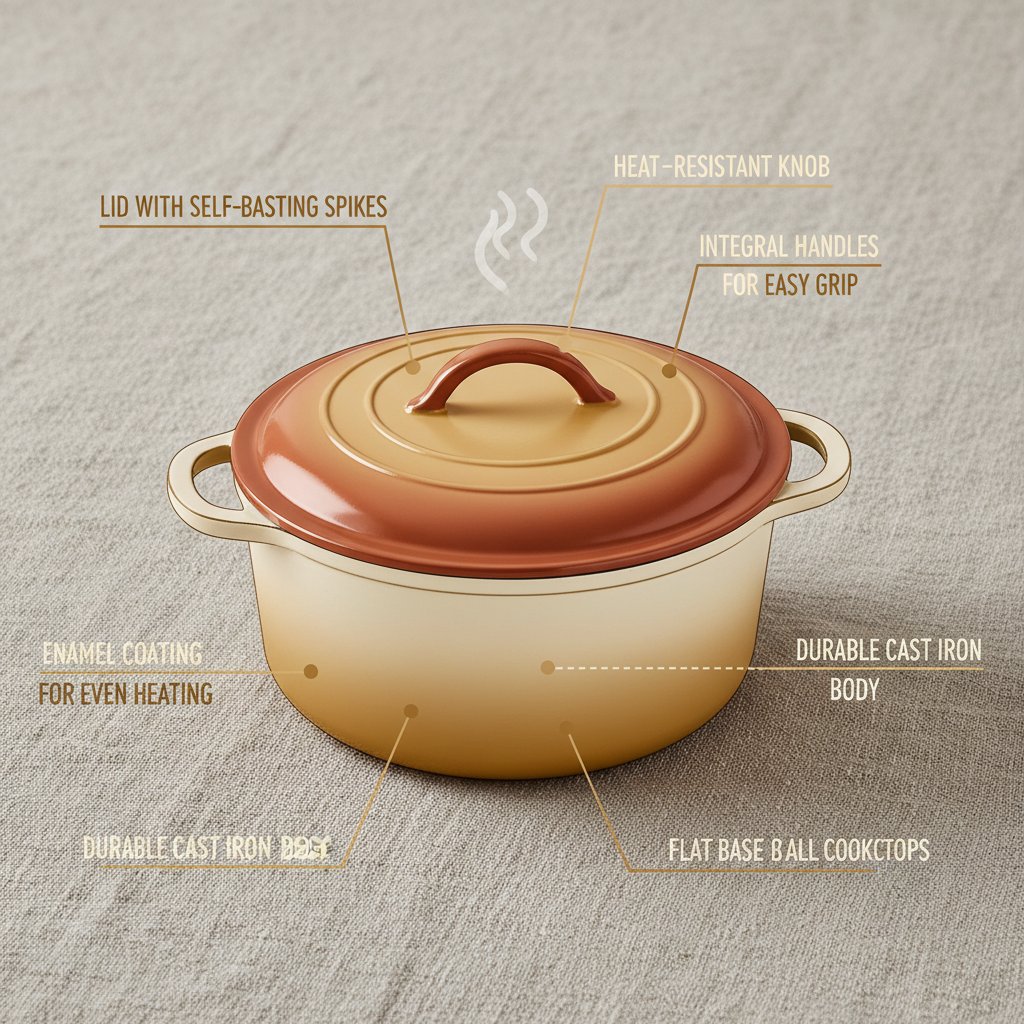
The Enduring Appeal of iron casserole
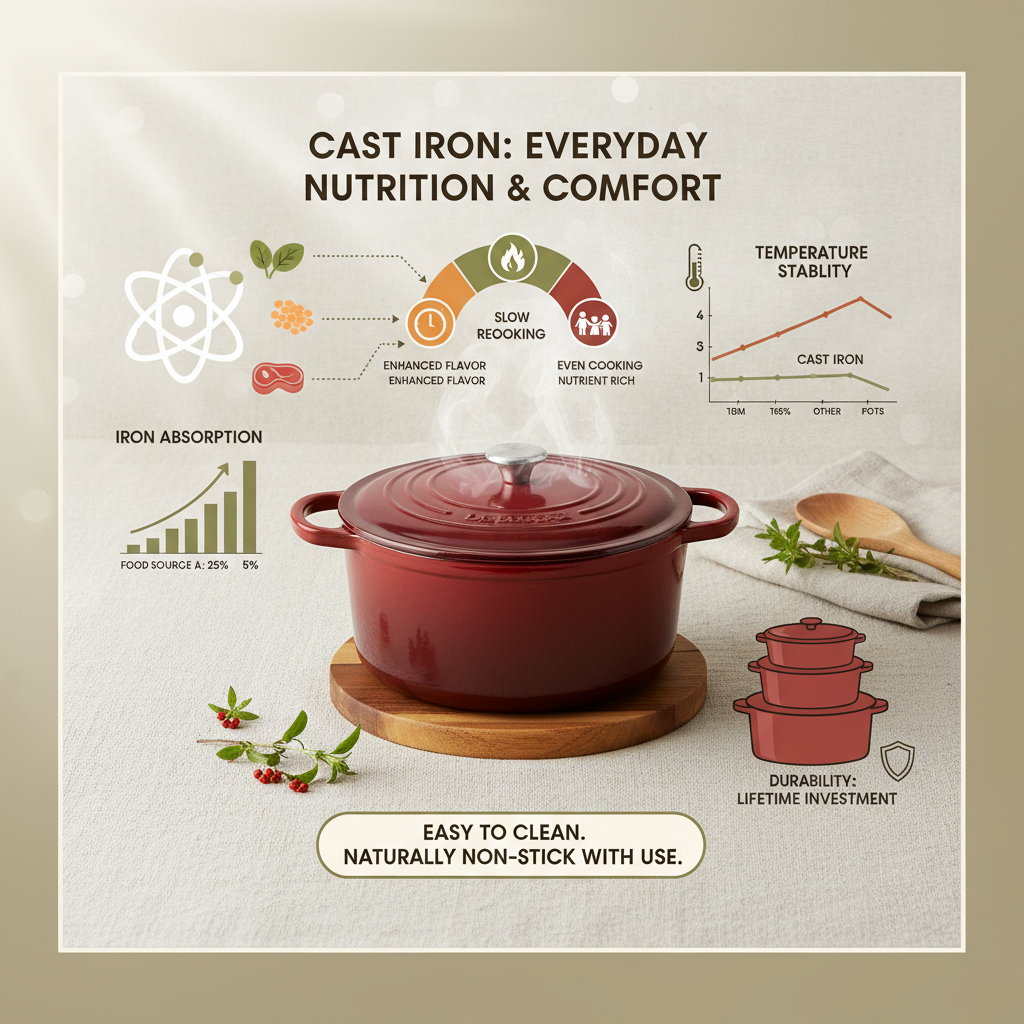
The inherent benefits of using an iron casserole, such as its exceptional heat retention and even distribution, contribute significantly to its lasting appeal. This allows for consistent cooking results, perfect for slow-cooking, braising, and baking.
Beyond functionality, the iron casserole has become a symbol of traditional cooking and a connection to culinary heritage. It represents a shift away from disposable kitchenware and towards durable, lasting pieces that can be passed down through generations.
FAQS
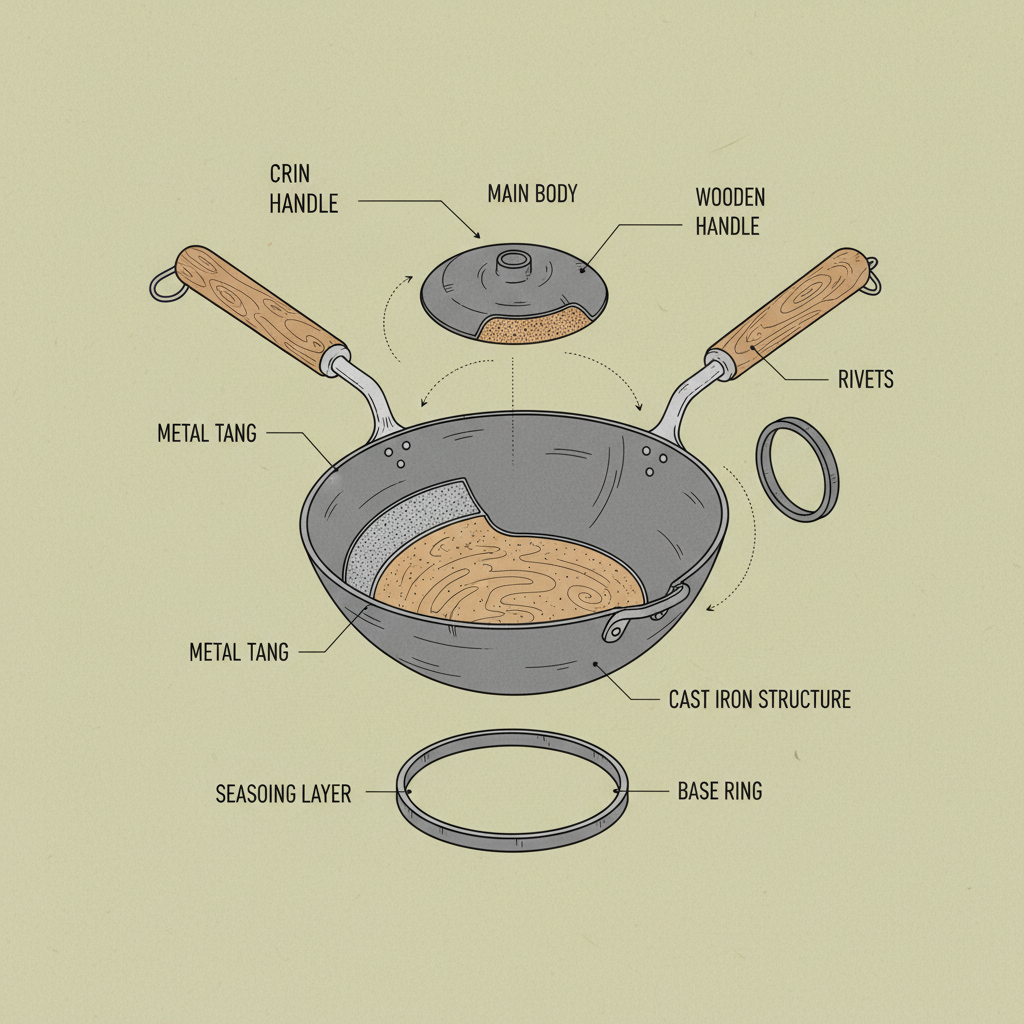
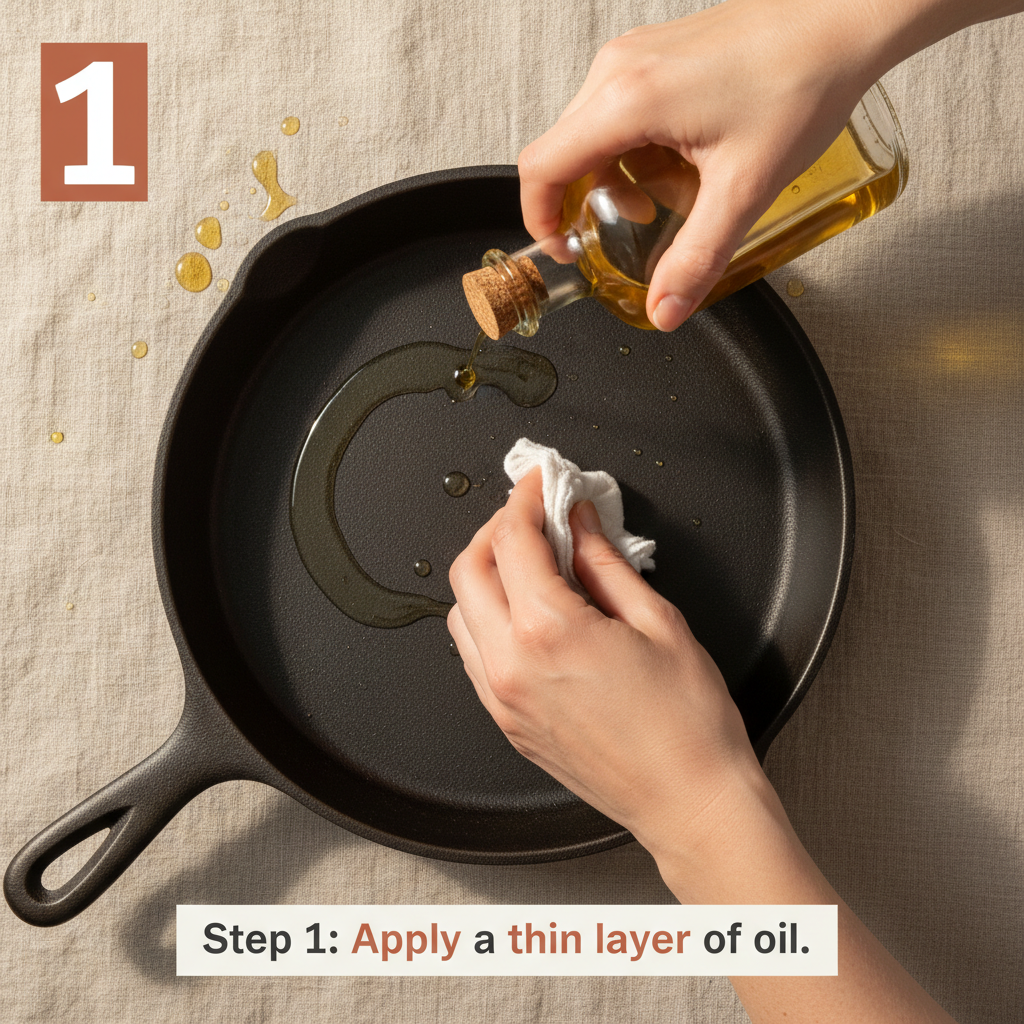
Seasoning an iron casserole involves coating it with thin layers of oil and baking it at a high temperature. This process polymerizes the oil, creating a natural non-stick surface. Begin by washing and drying the casserole thoroughly. Apply a thin coat of vegetable oil (flaxseed oil is also excellent) to all surfaces, inside and out. Wipe off any excess oil with a clean cloth. Bake upside down in a preheated oven at 450°F (232°C) for one hour. Repeat this process 2-3 times to build up a robust seasoning layer. Proper seasoning is crucial for preventing rust and ensuring optimal cooking performance.
Rust is the enemy of any iron cookware. To prevent it, avoid leaving your iron casserole wet. Always dry it thoroughly after washing. A light coating of oil after drying helps create a protective barrier. Avoid using harsh soaps, as they can strip away the seasoning. If rust does appear, scrub it off with steel wool and re-season the casserole. Regular use also helps prevent rust by maintaining the seasoning.
While it’s generally safe to use metal utensils in a well-seasoned iron casserole, it's advisable to use wooden or silicone utensils as much as possible. Metal utensils can potentially scratch the seasoning, especially if it’s not fully established. Gentle use of metal utensils is less likely to cause damage, but avoid scraping aggressively.
Acidic foods, such as tomatoes and citrus fruits, can react with the iron in a casserole, potentially imparting a metallic taste and breaking down the seasoning. While occasional use isn't harmful, prolonged simmering of acidic foods is best avoided. If you do cook acidic foods, ensure the seasoning is well-established and consider using a well-seasoned enamel-coated iron casserole, which provides a barrier against acid exposure.
Cast iron is bare iron that requires seasoning to prevent rust and create a non-stick surface. Enameled cast iron is cast iron coated with a layer of porcelain enamel. This enamel coating eliminates the need for seasoning and makes the casserole resistant to rust and acidic foods. However, enameled cast iron can chip if dropped, while cast iron can be re-seasoned if damaged.
Avoid using soap whenever possible when cleaning an iron casserole. Hot water and a stiff brush are usually sufficient. For stubborn food residue, you can add a small amount of coarse salt to the water and scrub gently. Dry the casserole immediately and thoroughly. After drying, apply a very thin layer of oil to the cooking surface to maintain the seasoning. Never put a hot iron casserole in cold water, as this can cause it to crack.
Conclusion
The iron casserole stands as a testament to the enduring value of simple, durable, and versatile cookware. From its historical roots to its modern resurgence, it continues to provide a superior cooking experience, promoting both culinary creativity and sustainable kitchen practices. Its ability to retain heat, distribute temperature evenly, and withstand generations of use solidifies its position as a kitchen essential.
Looking forward, embracing the iron casserole is not merely about choosing a cooking tool; it’s about adopting a mindset of mindful consumption, prioritizing quality over disposability, and connecting with a rich culinary heritage. Visit our website at www.foundryasia.com to explore our range of high-quality iron casseroles and discover the difference they can make in your kitchen.