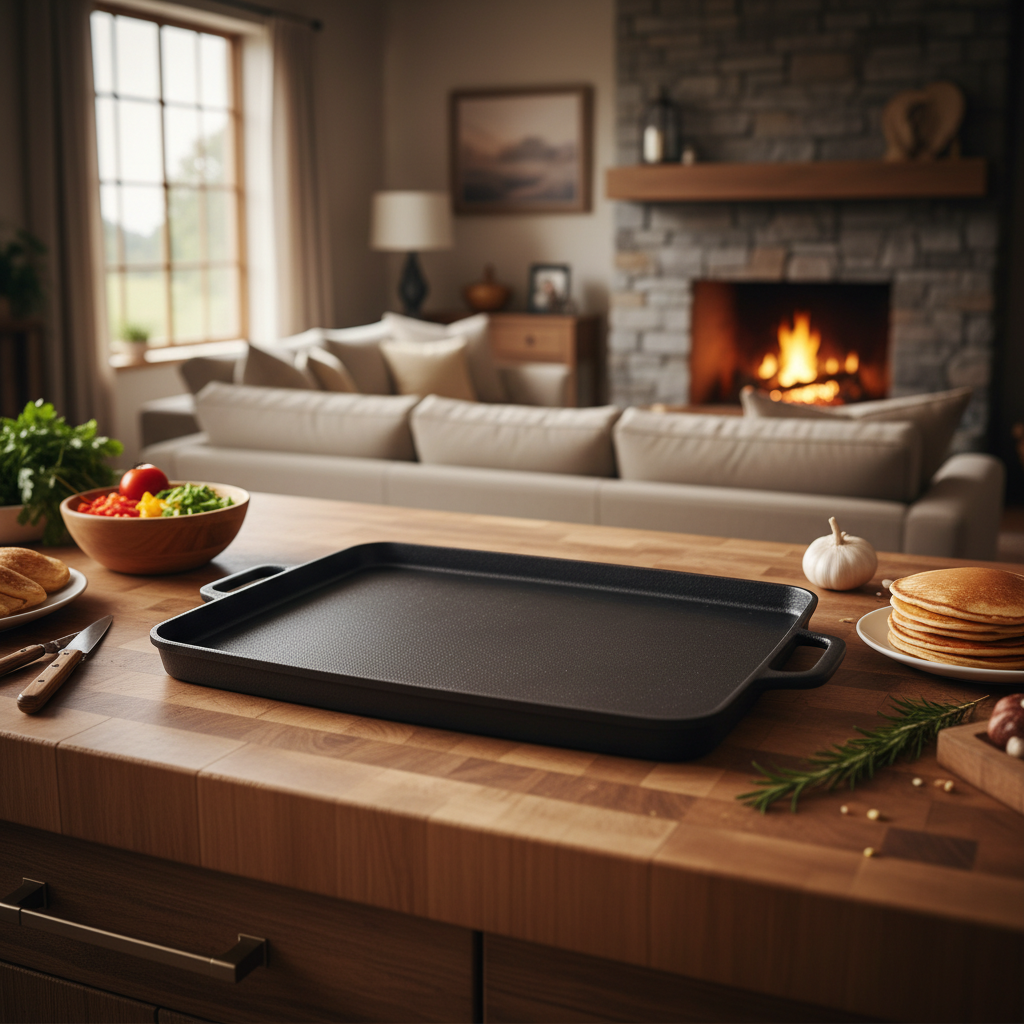
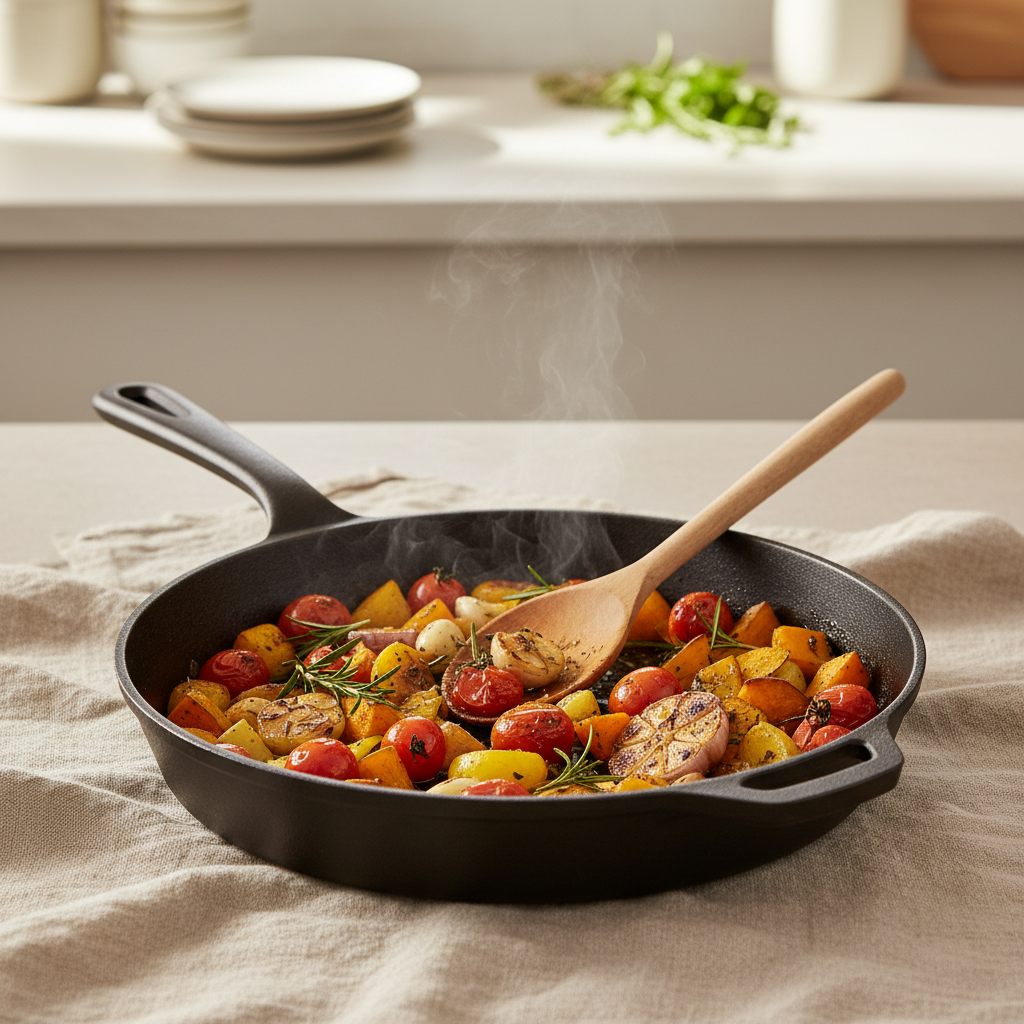
The enduring appeal of cast iron flat cookware stems from its unique combination of heat retention, durability, and versatility. For centuries, cooks have relied on this material for everything from searing steaks to baking cornbread, and its continued popularity speaks to its effectiveness. Understanding the nuances of cast iron, from seasoning to cleaning, unlocks a world of culinary possibilities, benefiting both seasoned chefs and kitchen novices alike. The global demand for reliable, long-lasting cookware reinforces the enduring relevance of this classic material.
Beyond the kitchen, the properties of cast iron flat are increasingly recognized in industrial applications. Its robustness and ability to withstand extreme temperatures make it a valuable component in machinery, construction, and even energy storage solutions. This dual role – both a household staple and an industrial material – highlights its fundamental importance. The versatility of cast iron ensures its sustained relevance in a rapidly changing world.
The resurgence of interest in traditional cooking methods, coupled with a growing emphasis on sustainability and heirloom quality products, positions cast iron flat for continued growth. Learning about its proper care and application ensures its longevity and minimizes environmental impact, aligning with modern consumer values.
The Enduring Legacy of cast iron flat
The history of cast iron flat is deeply interwoven with human civilization, dating back thousands of years. From ancient China to medieval Europe, its unique properties have made it an indispensable material for tools, weapons, and, crucially, cookware. This rich historical context underscores its proven reliability and enduring appeal.
The consistent demand for cast iron flat across generations speaks volumes about its utility and adaptability. While modern materials offer alternatives, cast iron maintains a loyal following, cherished for its distinctive qualities and the tangible connection it provides to culinary traditions.
Defining cast iron flat: Material and Applications
Cast iron flat is an alloy of iron, carbon, and silicon, renowned for its high carbon content – typically between 2% and 4%. This composition gives it exceptional strength, rigidity, and heat retention capabilities. The 'flat' designation refers to the geometry often associated with skillets, griddles, and baking surfaces.
Its primary applications are diverse, ranging from cookware (skillets, Dutch ovens, griddles) to industrial machinery components, stove parts, and even architectural elements. The material's ability to withstand high temperatures and its relatively low cost contribute to its widespread use.
The enduring presence of cast iron in both domestic kitchens and industrial settings underlines its fundamental value as a versatile and reliable material. Understanding its composition is crucial to appreciating its performance characteristics.
Core Characteristics of cast iron flat
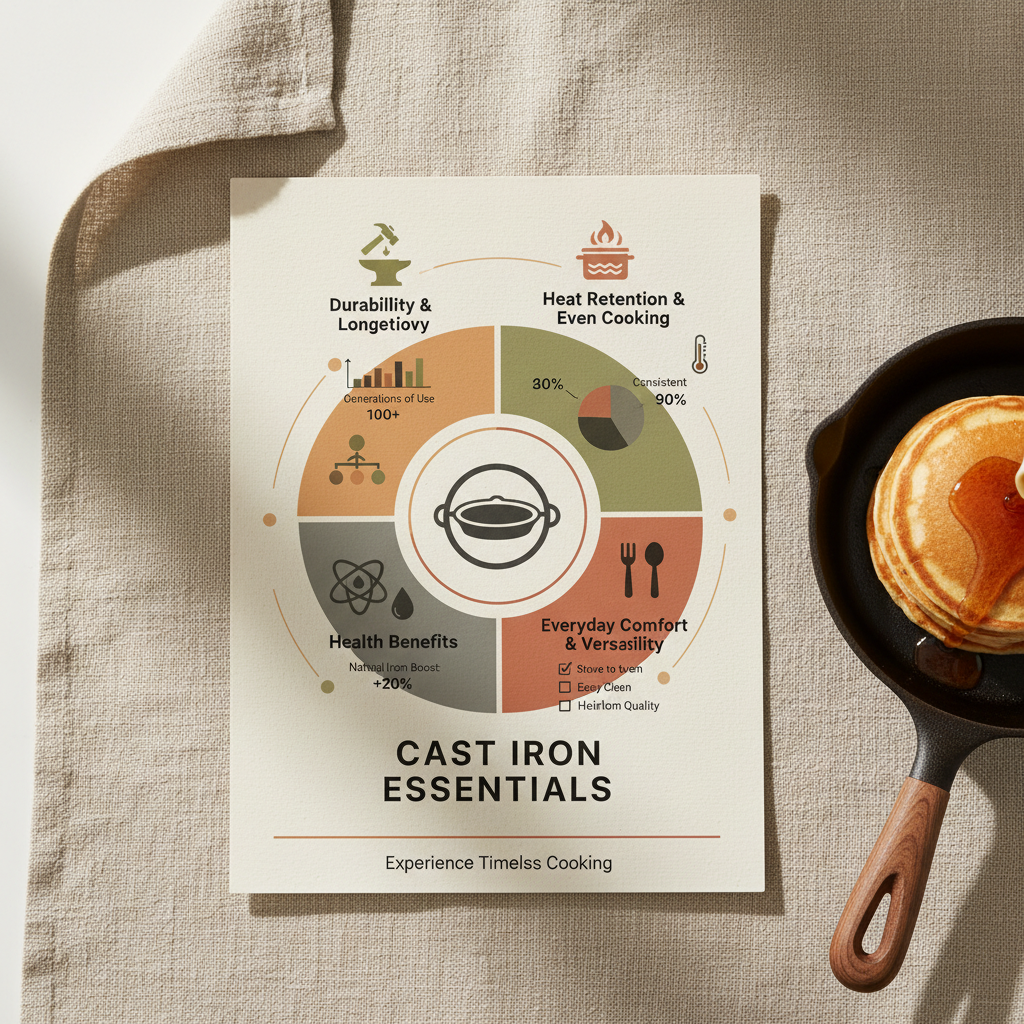
One of the key attributes of cast iron flat is its exceptional heat retention. Once heated, it maintains a consistent temperature, providing even cooking and efficient energy usage. This property is especially valuable for searing, frying, and slow cooking.
Durability is another defining characteristic. With proper care, cast iron can last for generations, becoming a treasured heirloom. This longevity is a significant advantage over materials with shorter lifespans, contributing to sustainability and reducing waste.
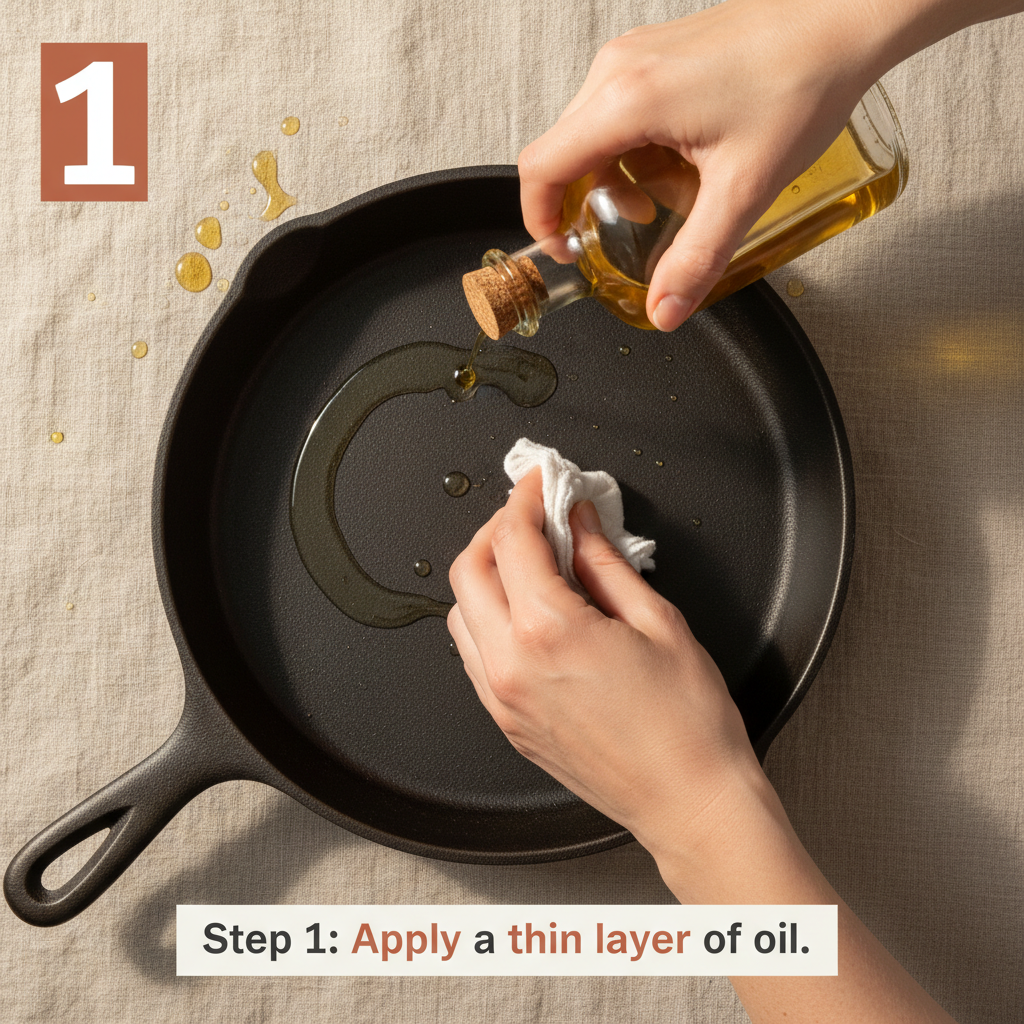
Furthermore, cast iron flat develops a natural non-stick surface over time through a process called seasoning. This polymerized oil coating reduces the need for excessive oil during cooking and simplifies cleaning, enhancing the user experience.
Global Applications of cast iron flat
Across the globe, cast iron flat cookware is a staple in numerous cuisines. In the American South, it's essential for cornbread and skillet fried chicken. In France, it forms the basis of the iconic Dutch oven. In East Asia, it's used for stir-fries and teppanyaki-style cooking.
Industrially, cast iron flat components are found in machinery across various sectors, including automotive, agriculture, and construction. Its ability to withstand heavy loads and extreme temperatures makes it suitable for critical applications.
Comparison of cast iron flat Manufacturing Methods
Advantages and Long-Term Value Proposition
The cost-effectiveness of cast iron flat is a significant benefit, particularly when considering its longevity. While the initial investment may be comparable to other materials, its extended lifespan reduces the need for frequent replacements, resulting in long-term savings.
Its sustainability is another key advantage. Cast iron is recyclable, and its durability minimizes waste. The ability to pass down cast iron cookware through generations aligns with a growing consumer preference for heirloom quality products.
The Future of cast iron flat: Innovation and Sustainability
Ongoing research explores the potential of enhancing cast iron flat with new alloys and coatings to improve its performance and reduce its environmental impact. For example, the development of lighter-weight cast iron alloys could broaden its applications.
Increased emphasis on sustainable manufacturing practices, such as utilizing recycled materials and minimizing energy consumption, will further enhance the material's appeal to environmentally conscious consumers.
Digital technologies, including precision casting techniques and automated seasoning processes, are also poised to play a role in optimizing cast iron production and improving product quality.
Challenges and Solutions in cast iron flat Production & Use
A common challenge associated with cast iron flat is its weight. This can be a deterrent for some users. Solutions include developing thinner-walled designs and incorporating lighter-weight alloys without compromising durability.
Rusting is another concern, requiring proper seasoning and maintenance. Educating consumers about proper care techniques is crucial. The development of rust-resistant coatings could also mitigate this issue.
The energy-intensive nature of traditional cast iron production is a sustainability concern. Investing in more efficient casting processes and utilizing renewable energy sources can help address this challenge.
Summary of Solutions for Common Cast Iron Challenges
| Challenge |
Impact Level (1-10) |
Proposed Solution |
Implementation Cost (1-10) |
| Weight |
7 |
Thinner Wall Designs & Lighter Alloys |
6 |
| Rusting |
8 |
Improved Seasoning Education & Rust-Resistant Coatings |
4 |
| Energy Consumption |
9 |
Efficient Casting Processes & Renewable Energy |
8 |
| Uneven Heating |
5 |
Optimized Base Thickness & Alloy Composition |
5 |
| Seasoning Maintenance |
6 |
Pre-Seasoned Options & User-Friendly Guides |
3 |
| Brittleness |
4 |
Optimized Cooling Processes & Alloy Refinement |
7 |
FAQS
While non-stick coatings offer convenience, they degrade over time and often contain potentially harmful chemicals. Cast iron flat, when properly seasoned, develops a naturally non-stick surface that improves with age. It's also significantly more durable and can withstand higher temperatures, making it a more versatile and sustainable choice. The ability to transfer it directly from stovetop to oven is another key benefit.
Proper seasoning involves coating the skillet with a thin layer of oil (like flaxseed, canola, or vegetable) and baking it upside down in the oven at a high temperature (around 450-500°F) for an hour. Repeat this process several times to build up a strong, polymerized oil coating. Regular use also contributes to seasoning over time.
No, it is strongly advised against putting cast iron flat cookware in the dishwasher. The harsh detergents and extended water exposure can strip away the seasoning and cause rust. Handwashing with mild soap and drying thoroughly is the recommended cleaning method.
Preventing rust requires keeping your skillet dry and seasoned. After washing, dry it immediately and apply a very light coat of oil. Storing it in a dry place is also essential. If rust does appear, scrub it off with steel wool and re-season the skillet.
Generally, most cast iron flat cookware is compatible with induction cooktops, but it depends on the specific model. To ensure compatibility, check the manufacturer’s specifications or test it with a magnet – if the magnet sticks firmly to the bottom, it should work on an induction cooktop.
Cast iron flat is incredibly versatile! It’s excellent for searing meats, baking cornbread and pies, frying chicken, making pancakes, and even simmering sauces. Its ability to retain heat makes it ideal for dishes that require consistent temperature control and browning.
Conclusion
In conclusion, cast iron flat represents a remarkable combination of historical significance, practical utility, and enduring quality. From its robust construction and exceptional heat retention to its versatility in both culinary and industrial applications, this material continues to offer compelling advantages over modern alternatives. Its ability to be passed down through generations speaks to its inherent value and sustainability.
Looking ahead, continued innovation in alloy development, manufacturing processes, and seasoning techniques will further enhance the performance and appeal of cast iron. By embracing sustainable practices and educating consumers about proper care, we can ensure that this timeless material remains a vital part of our lives for centuries to come. Visit our website at www.foundryasia.com to explore our range of cast iron flat products.