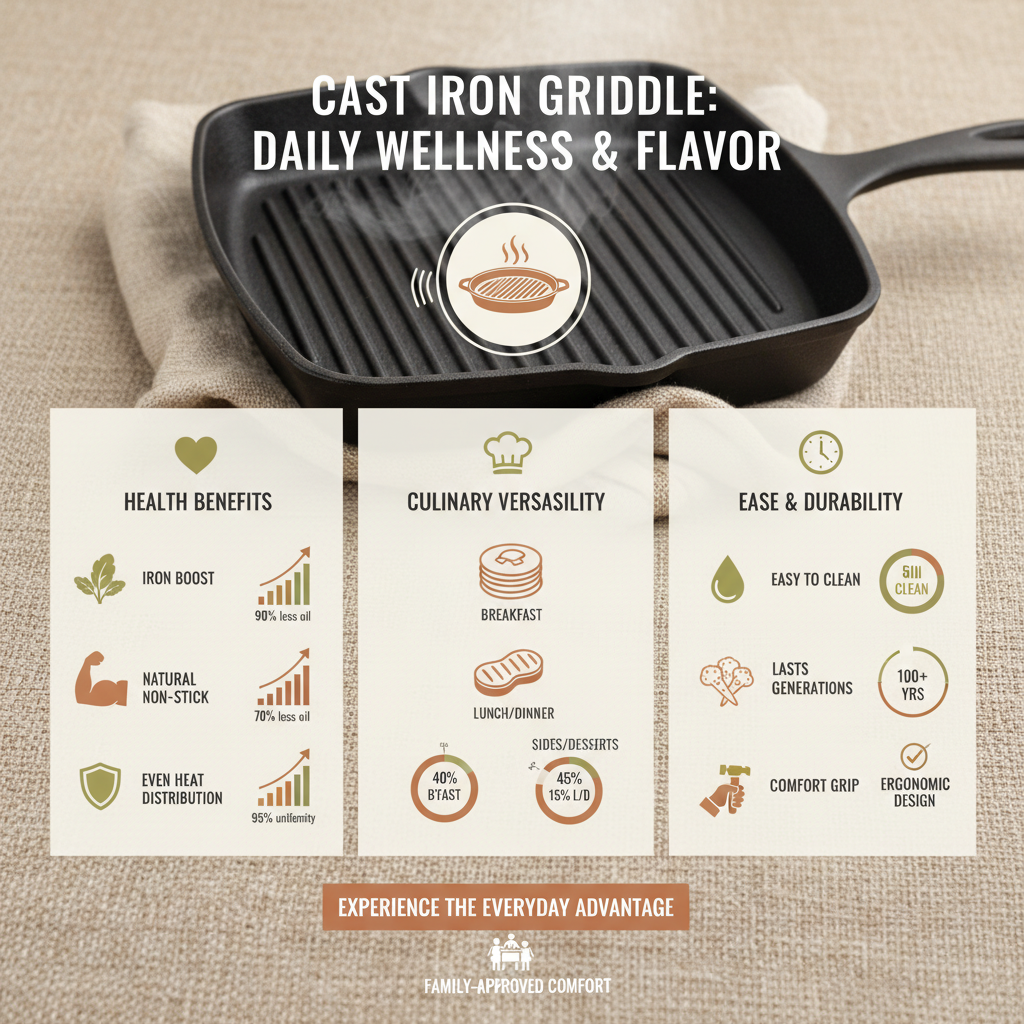
The plancha griddle, a flat, solid cooking surface, is rapidly gaining global recognition as a versatile and efficient cooking solution. From bustling street food scenes in Asia to gourmet kitchens across Europe, its ability to cook a wide variety of foods quickly and evenly is highly valued. Understanding the nuances of plancha griddles – their materials, heat distribution, and cleaning requirements – is crucial for both professional chefs and home cooks looking to elevate their culinary experience. This understanding is increasingly important as demand grows for efficient, versatile, and easy-to-maintain cooking equipment.
Globally, the food service industry represents a multi-trillion dollar market, with a growing emphasis on speed, efficiency, and food quality. The plancha griddle directly addresses these needs. According to recent reports from the UNWTO, tourism and associated food consumption are projected to increase significantly in the coming decades, putting further strain on kitchen infrastructure. Utilizing efficient cooking tools like the plancha griddle helps mitigate these challenges. The rise in street food culture, particularly in emerging economies, further fuels the demand for portable and high-performance cooking solutions.
The increasing focus on culinary tourism and live cooking demonstrations also contribute to the growing popularity of the plancha griddle. Its visual appeal and ability to create a social cooking experience make it a favorite among chefs and consumers alike. This trend is supported by rising social media engagement with food-related content, where the plancha griddle’s performance and versatility are frequently showcased.
Definition & Meaning
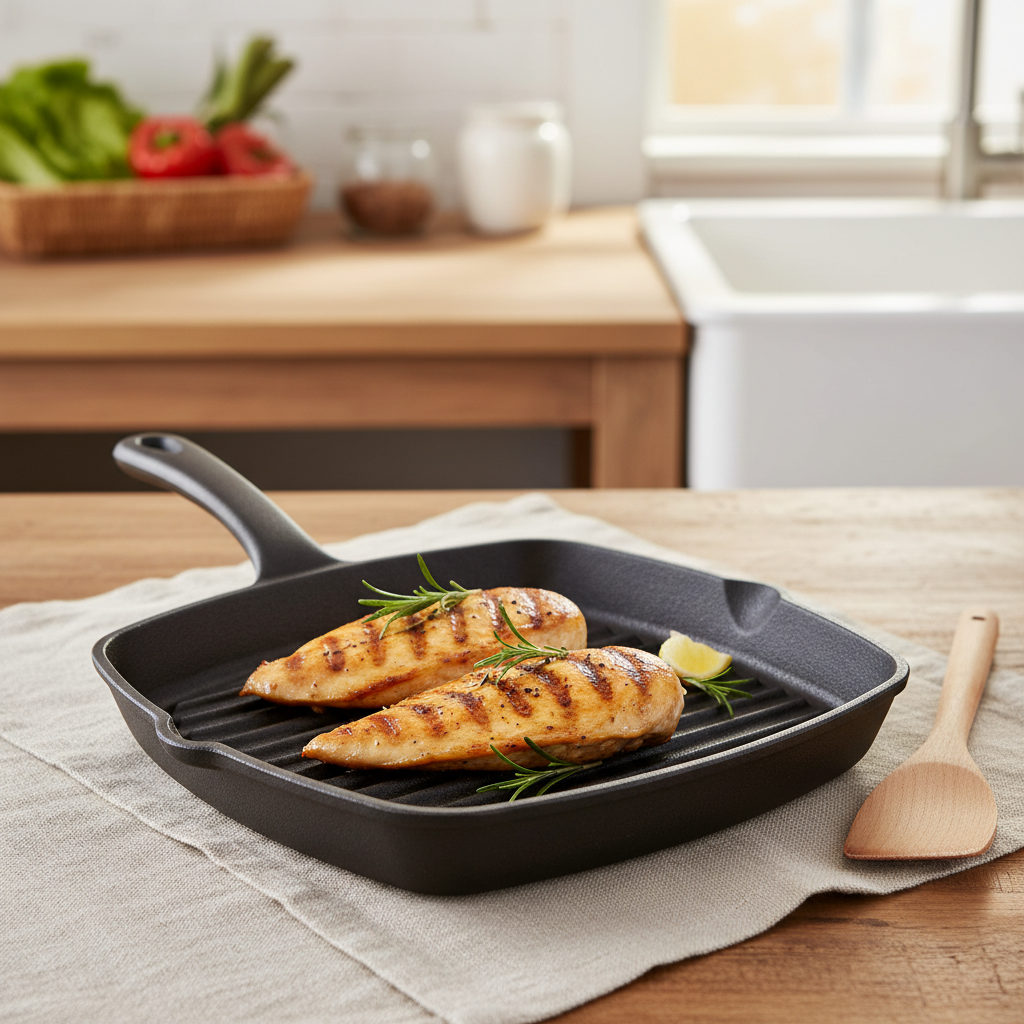
A plancha griddle is essentially a flat-top grill, traditionally made of steel or cast iron, designed for cooking food directly on its surface. It differs from traditional grills with grates by offering a smooth, continuous cooking area. The name "plancha" originates from Spanish, referring to a flat iron plate.
In modern industry, plancha griddles have become integral to commercial kitchens, food trucks, and even outdoor catering setups due to their efficiency and versatility. From a humanitarian perspective, portable plancha griddles are also being used in disaster relief efforts to provide quick and nutritious meals to affected populations. This connection to both culinary innovation and essential aid highlights the plancha griddle's significance.
Its simple yet effective design makes it easily adaptable to various cooking needs, solidifying its place as a crucial tool in both professional and personal culinary spaces.
Key Factors of plancha griddle
Several key factors contribute to the effectiveness of a plancha griddle. Heat retention and distribution are paramount, ensuring consistent cooking temperatures across the entire surface. This is heavily influenced by the material used - thicker steel or cast iron offer superior heat retention compared to thinner materials.
Another critical factor is the surface finish. Seasoned steel or cast iron creates a naturally non-stick surface, reducing the need for excessive oil. The size and shape of the griddle also impact its usability, with larger surfaces allowing for higher volume cooking. Finally, ease of cleaning is essential for maintaining hygiene and extending the lifespan of the griddle.
Understanding these factors allows users to select a plancha griddle that best suits their specific cooking requirements and ensures optimal performance.
Durability of plancha griddle
The durability of a plancha griddle is a significant advantage, particularly for professional use. High-quality steel and cast iron plancha griddles can withstand years of continuous use with proper maintenance. Regular seasoning prevents rust and maintains the non-stick surface.
Factors such as the thickness of the material, the quality of the construction, and the frequency of cleaning all influence lifespan. Even with heavy use, a well-maintained plancha griddle is a long-term investment, proving far more durable than non-stick coated alternatives which degrade over time.
Proper storage also contributes to durability, protecting the surface from damage and corrosion.
Scalability of plancha griddle
Plancha griddle solutions offer excellent scalability for various operations. From small, portable units ideal for individual chefs to large, commercial-grade models capable of serving hundreds, there's a plancha griddle to fit any need.
This scalability extends to the ability to combine multiple plancha griddles in a kitchen setup, creating a versatile cooking station. Furthermore, modular plancha griddle systems allow for easy expansion as demand increases.
Comparison of plancha griddle Methods
Global Applications & Use Cases
Plancha griddles are prevalent in street food cultures worldwide, particularly in Latin America, Asia, and the Middle East, where they're used to cook everything from tacos and teppanyaki to kebabs. In post-disaster relief operations, portable plancha griddles provide a reliable means of preparing hot meals for displaced populations.
Commercially, plancha griddles are found in high-volume restaurants, food trucks, and catering businesses. Their efficiency and versatility make them ideal for quick service and diverse menus. From breakfast buffets to lunch rushes, they can handle a variety of cooking tasks.
In remote industrial zones, where access to conventional cooking facilities may be limited, plancha griddles provide a practical solution for feeding work crews. Their portability and ease of use make them ideal for these challenging environments.
Advantages & Long-Term Value
The advantages of using a plancha griddle are numerous. Cost-efficiency is a key benefit, as they require minimal oil and offer long-term durability, reducing replacement costs. Sustainable operation is also a positive aspect, with efficient heat transfer minimizing energy consumption.
From a social impact perspective, the plancha griddle’s ability to facilitate communal cooking experiences fosters a sense of community. Reliability is also paramount – a well-maintained plancha griddle consistently delivers excellent cooking results. The psychological benefit of enjoying freshly cooked, flavorful food enhances overall well-being and satisfaction.
Future Trends & Innovations
Future trends in plancha griddle technology are focused on integrating smart features, such as temperature sensors and automated controls. The development of more sustainable materials, including recycled metals and eco-friendly coatings, is also gaining traction.
Digital integration, through mobile apps that provide recipes and cooking guidance, is expected to enhance user experience. Automation, such as self-cleaning mechanisms, will reduce maintenance time and improve hygiene. Furthermore, the integration of renewable energy sources, like solar power, to operate plancha griddles is becoming increasingly feasible.
The pursuit of lighter, more portable designs without compromising durability will cater to the growing demand for outdoor cooking and mobile food vendors.
Challenges & Solutions
A common challenge with plancha griddle use is maintaining a consistent temperature across the entire surface, especially with larger models. This can be addressed through improved heat distribution designs and the use of thicker materials. Another limitation is the learning curve associated with seasoning and maintaining a cast iron surface.
Solutions include providing comprehensive user guides and educational resources. Pre-seasoned griddles can also alleviate this issue. Cleaning can be labor-intensive, but innovative scraping tools and surface coatings can simplify the process.
Finally, ensuring the availability of affordable, high-quality plancha griddles in developing countries is crucial for maximizing their humanitarian impact. Partnering with local manufacturers and implementing sustainable sourcing practices can help overcome this challenge.
Summary of Plancha Griddle Challenges and Potential Solutions
| Challenge |
Impact |
Potential Solution |
Implementation Cost (1-10) |
| Uneven Heat Distribution |
Inconsistent Cooking Results |
Thicker Material, Improved Design |
6 |
| Seasoning & Maintenance |
Requires Skill and Time |
Pre-Seasoned Griddles, User Guides |
4 |
| Cleaning Difficulty |
Labor Intensive |
Specialized Scraping Tools, Coatings |
5 |
| Cost in Developing Countries |
Limited Access |
Local Manufacturing, Sourcing |
7 |
| Material Sustainability |
Environmental Impact |
Recycled Metals, Eco-Coatings |
8 |
| Lack of Temperature Control |
Potential for Burning or Undercooking |
Integrated Temperature Sensors |
6 |
FAQs
The primary difference lies in the cooking surface. Traditional grills use grates, creating grill marks and allowing fat to drip away. A plancha griddle features a flat, smooth surface, enabling even cooking and direct contact between the food and the heat. This leads to better searing, more consistent results, and easier cleanup. Plancha griddles also excel at cooking delicate foods like vegetables and eggs, which can fall through grill grates.
Seasoning a cast iron plancha griddle involves coating it with thin layers of oil and baking it at a high temperature. This process creates a polymerized layer of oil, providing a natural non-stick surface and preventing rust. Begin by cleaning the griddle thoroughly. Apply a very thin coat of high smoke point oil (like flaxseed or grapeseed) to all surfaces, and bake upside down at 450-500°F for an hour. Repeat this process several times to build up a robust seasoning.
A plancha griddle is incredibly versatile. It's excellent for searing meats, cooking vegetables, making pancakes, eggs, and even stir-fries. The flat surface is ideal for foods that benefit from direct contact with the heat, resulting in a crispy exterior and evenly cooked interior. Its ability to handle a variety of ingredients and cooking styles makes it a valuable addition to any kitchen.
Regular cleaning is crucial for maintaining a plancha griddle. After each use, scrape off any food residue while the griddle is still warm. A light seasoning of oil after scraping will prevent rust. Avoid using harsh detergents or abrasive cleaners, as these can damage the seasoning. For a deep clean, occasionally season the griddle again to restore the non-stick surface.
Yes, many plancha griddles are designed for outdoor use. However, it's important to choose a model made from materials resistant to rust and weathering. Carbon steel and cast iron are commonly used for outdoor plancha griddles. Ensure the griddle is properly seasoned to protect it from the elements and prevent corrosion.
Stainless steel plancha griddles offer advantages like being rust-resistant and requiring less seasoning. However, they generally don't retain heat as effectively as cast iron. Cast iron excels at maintaining consistent temperatures, but requires more maintenance. The choice depends on your priorities: convenience and low maintenance with stainless steel, or superior heat retention with cast iron.
Conclusion
In conclusion, the plancha griddle represents a versatile, efficient, and durable cooking solution with applications ranging from professional kitchens to humanitarian aid efforts. Its ability to deliver consistent cooking results, combined with its ease of maintenance and scalability, makes it a valuable asset for chefs and home cooks alike. Understanding the key factors influencing its performance – material, heat distribution, and seasoning – is essential for maximizing its benefits.
Looking ahead, innovations in materials, automation, and digital integration will further enhance the functionality and appeal of plancha griddles. Embracing sustainable practices in their production and usage will solidify their position as a responsible and valuable tool in the culinary world. Visit our website at www.foundryasia.com to explore our range of high-quality plancha griddles.