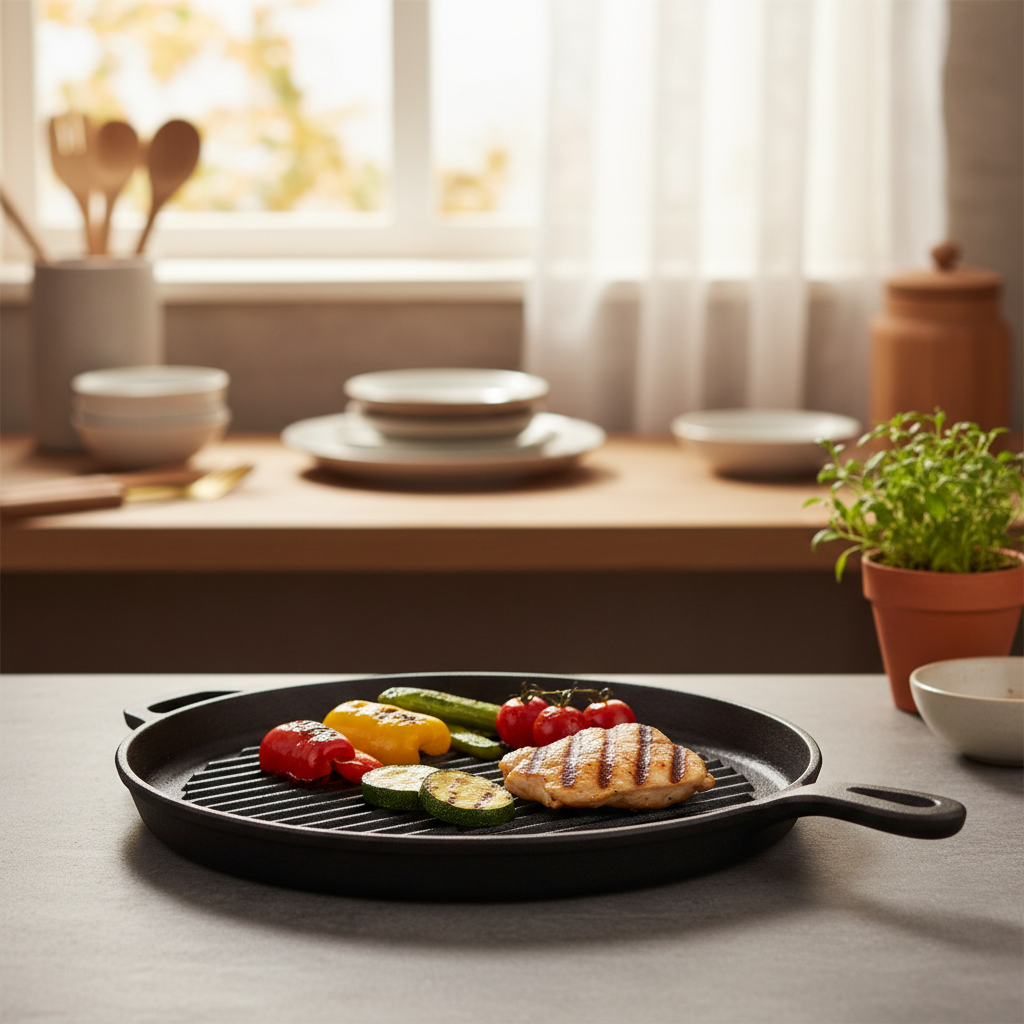
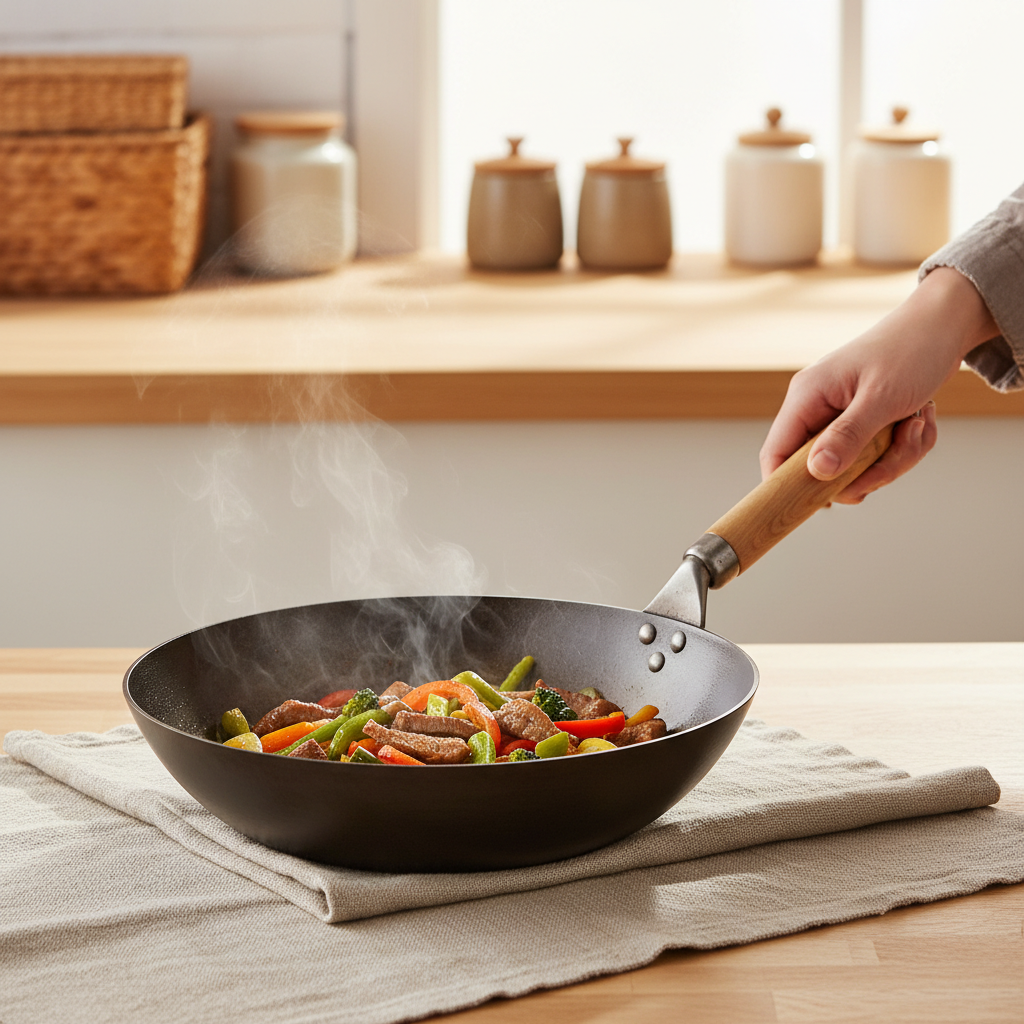
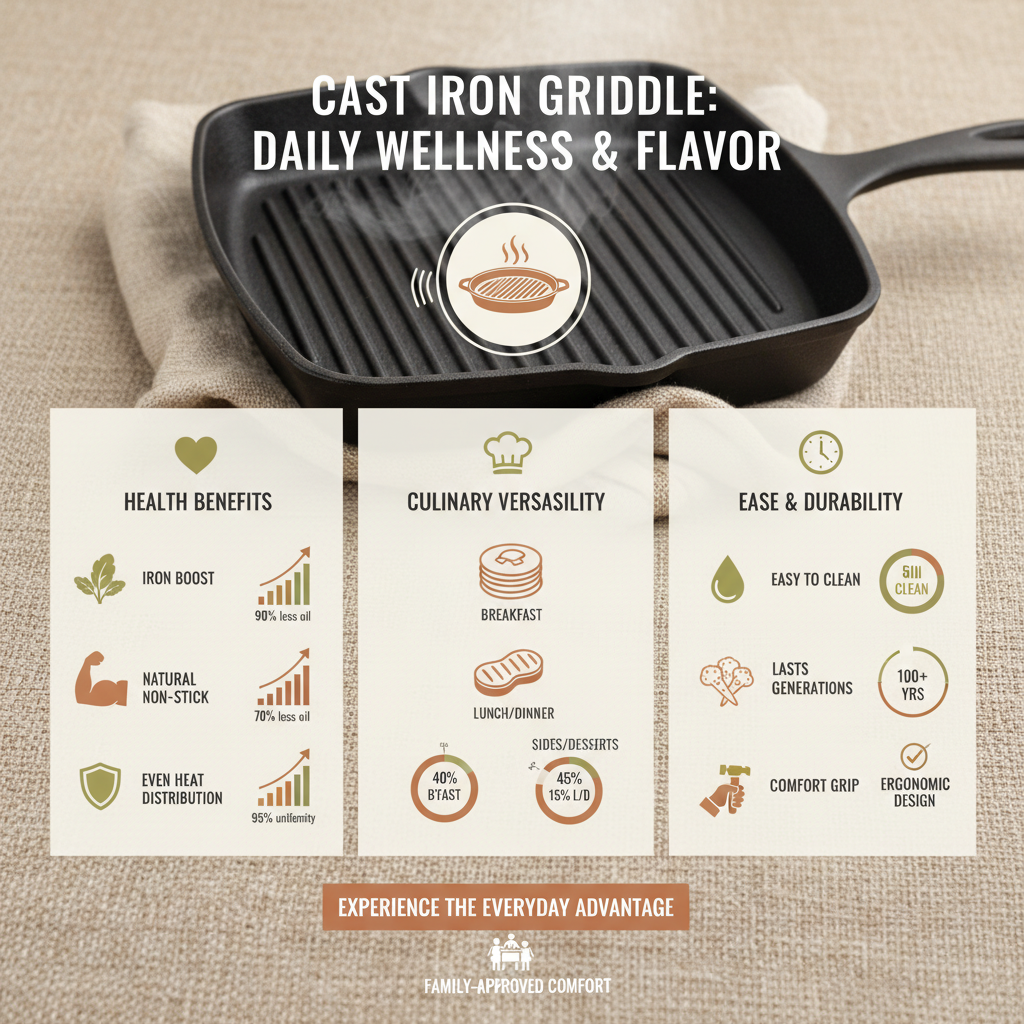
The skillet griddle, a versatile cooking surface, has become a cornerstone of both professional and home kitchens globally. Its unique combination of even heat distribution, portability, and ease of cleaning makes it indispensable for a wide range of culinary applications. From breakfast staples to elaborate dinners, the skillet griddle's adaptability is unmatched.
The increasing demand for efficient and versatile cooking solutions has propelled the skillet griddle into widespread use. Driven by trends in open-kitchen dining, street food culture, and a desire for quicker meal preparation, the skillet griddle's popularity continues to grow. The global cookware market, valued at billions, benefits significantly from innovations in this segment.
Understanding the capabilities and benefits of the skillet griddle empowers cooks to unlock new levels of creativity and efficiency in the kitchen. This exploration delves into the defining features, diverse applications, and future trends surrounding the skillet griddle, offering a comprehensive overview for both culinary enthusiasts and industry professionals.
The Core Principles of Skillet Griddle Design
At its core, effective skillet griddle design centers around uniform heat distribution. This is achieved through the selection of materials with high thermal conductivity and careful consideration of griddle thickness. Proper design prevents hot spots, ensuring even cooking across the entire surface.
Another crucial principle is the surface finish. Non-stick coatings or well-seasoned surfaces are essential for preventing food from adhering, simplifying cleaning, and reducing the need for excessive oil or butter. The optimal design marries efficient heating with effortless food release, creating a superior cooking experience.
Historical Evolution and Modern Manufacturing
The concept of a flat, heated cooking surface dates back centuries, with rudimentary griddles appearing in various cultures. Early iterations often utilized stone or clay, evolving over time with the introduction of cast iron. These cast iron predecessors laid the groundwork for the modern skillet griddle we know today.
Modern manufacturing techniques leverage advanced materials like stainless steel and aluminum alloys, often combined with innovative coatings. Precision casting, stamping, and polishing processes ensure consistent quality and performance. Automation has streamlined production, reducing costs and increasing efficiency.
Recent innovations include induction-ready griddles and integrated temperature control systems. These advancements cater to the demands of professional kitchens and home cooks alike, offering greater precision and versatility.
Material Composition and Thermal Efficiency
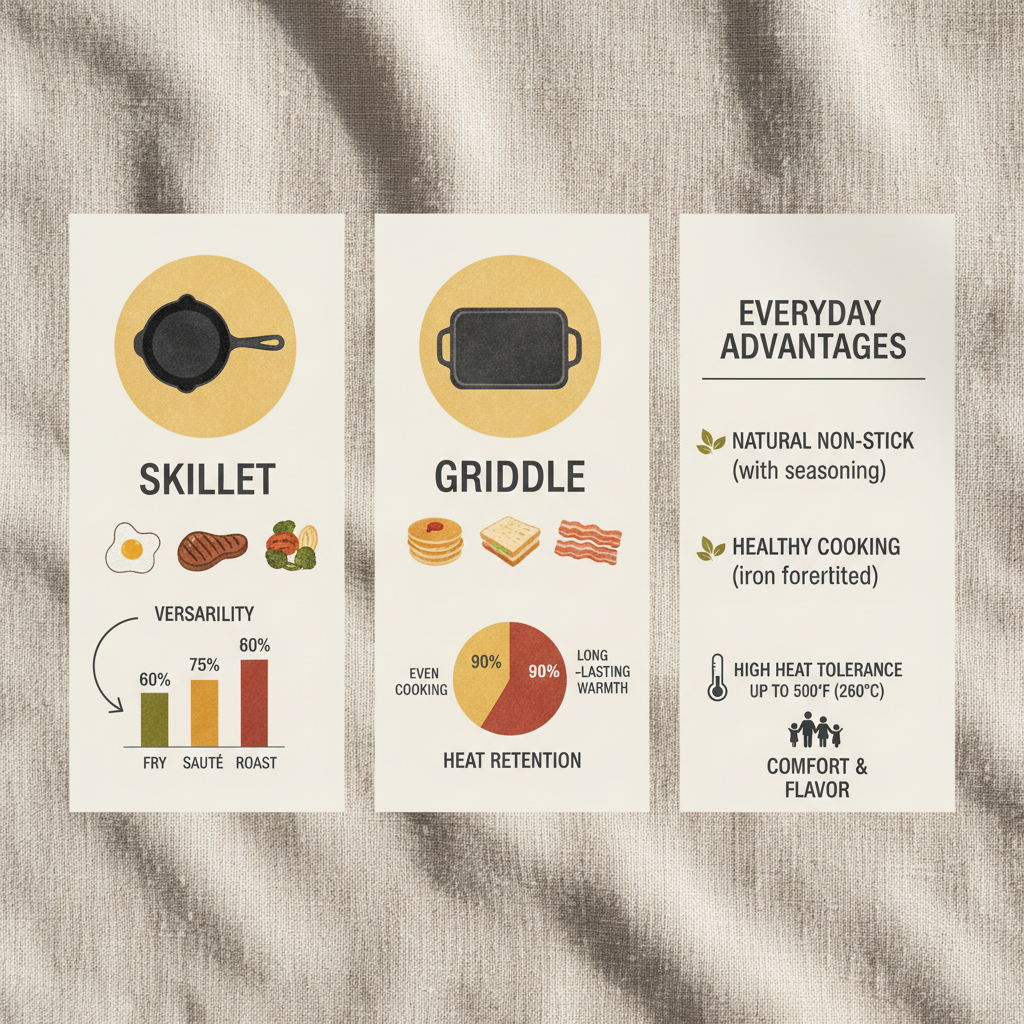
The material composition of a skillet griddle dramatically influences its thermal efficiency and overall performance. Cast iron, known for its excellent heat retention, provides a consistent cooking temperature but can be slow to heat up.
Aluminum, on the other hand, heats up quickly and evenly, but lacks the heat retention of cast iron. Stainless steel offers a balance of durability, corrosion resistance, and moderate thermal conductivity. High-quality griddles often utilize multi-ply construction, layering different materials to optimize heat distribution and responsiveness.
The addition of a coating, such as Teflon or ceramic, further enhances thermal efficiency by reducing friction and preventing food from sticking, thereby minimizing heat loss. The selection of material is often a trade-off between responsiveness, retention, and durability.
Performance Metrics and Quality Control
Evaluating skillet griddle performance requires assessing several key metrics, including heat-up time, temperature uniformity, and heat retention. Independent testing agencies utilize calibrated sensors and standardized procedures to measure these parameters.
Quality control is paramount throughout the manufacturing process. This includes material inspections, dimensional accuracy checks, and coating integrity assessments. Rigorous testing helps ensure consistency and adherence to industry standards.
Skillet Griddle Performance Comparison
Global Culinary Applications of Skillet Griddles
The skillet griddle is a versatile tool utilized across a diverse range of culinary traditions worldwide. In American diners, it's a staple for breakfast favorites like pancakes and bacon. In Korean cuisine, it’s used for preparing delectable Korean BBQ.
Japanese teppanyaki restaurants heavily rely on large, flat griddles for their signature dishes. Latin American cuisine utilizes griddles for making arepas and pupusas. The adaptability of the griddle makes it a valuable asset in any kitchen.
Economic Impact and Market Trends
The global skillet griddle market is experiencing consistent growth, driven by increasing demand from both the foodservice industry and home consumers. Innovations in materials and design, coupled with rising disposable incomes, contribute to this expansion.
Emerging markets, particularly in Asia-Pacific, represent significant growth opportunities. The popularity of street food and casual dining establishments is fueling demand for efficient and versatile cooking equipment, with the skillet griddle being a central component.
The trend towards healthier cooking methods is also driving demand for griddles with non-stick coatings, minimizing the need for excessive oil.
Maintenance, Longevity, and Sustainability
Proper maintenance is crucial for maximizing the longevity of a skillet griddle. Regular cleaning and seasoning (for cast iron models) prevent rust and maintain the non-stick surface. Following manufacturer's instructions is essential.
High-quality griddles, particularly those made from durable materials like stainless steel, can last for decades with proper care. Investing in a well-constructed griddle is a cost-effective long-term solution.
Sustainability considerations are gaining importance. Manufacturers are increasingly exploring eco-friendly materials and production processes to minimize environmental impact.
Summary of Skillet Griddle Sustainability Factors
| Material Source |
Manufacturing Process |
Product Lifespan |
End-of-Life Disposal |
| Recycled Aluminum |
Energy-Efficient Casting |
15+ Years |
Recyclable |
| Virgin Stainless Steel |
Standard Manufacturing |
20+ Years |
Recyclable |
| Cast Iron (with seasoning) |
Traditional Casting |
Generational |
Recyclable |
| Aluminum Alloy |
Die-Casting |
10-15 Years |
Recyclable |
| Ceramic-Coated Aluminum |
Spray Coating |
5-10 Years |
Limited Recycling |
| Non-Stick Coated Steel |
Chemical Coating |
3-7 Years |
Difficult to Recycle |
FAQS
The "best" material depends on your needs. Cast iron excels at heat retention, making it ideal for pancakes and consistent cooking. Stainless steel is durable and easy to clean. Aluminum offers quick heating and is lightweight. Consider your cooking style and budget when choosing.
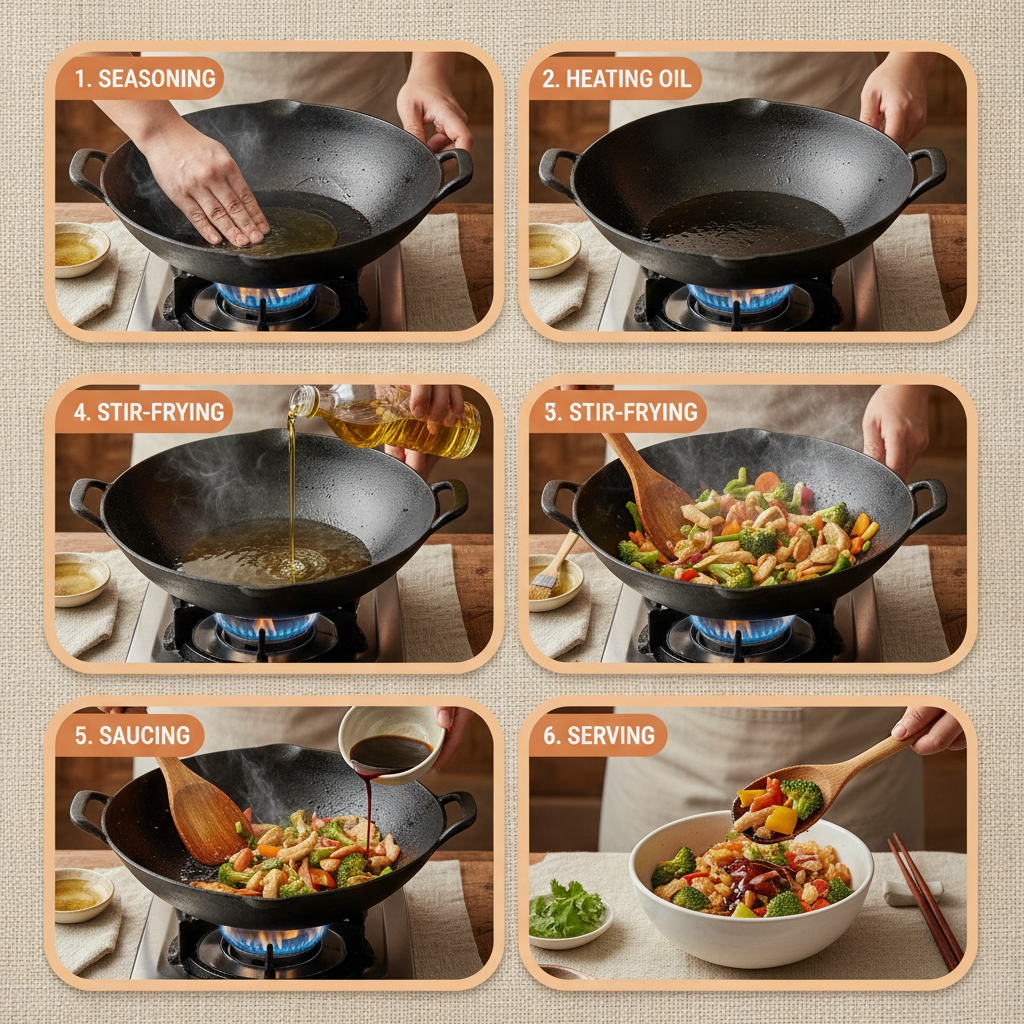
Seasoning creates a natural non-stick surface. Wash and dry the griddle thoroughly. Apply a thin coat of cooking oil (flaxseed, canola, or vegetable) all over, inside and out. Bake upside down at 400-450°F for an hour, then let cool. Repeat several times for a robust seasoning.
Modern non-stick coatings like ceramic are generally considered safe when used properly. Avoid overheating the griddle, as this can release fumes. Use wooden or silicone utensils to prevent scratching the surface. Replace the griddle if the coating becomes significantly damaged.
For cast iron, scrape off food debris with a spatula and wash with hot water. Avoid soap, as it can strip the seasoning. Dry immediately and apply a thin coat of oil. For stainless steel and non-stick griddles, wash with warm, soapy water and a non-abrasive sponge.
It depends on the material. Cast iron and some stainless steel griddles are compatible with induction. Aluminum griddles are generally not unless they have a magnetic base. Check the manufacturer's specifications to ensure compatibility before using on an induction cooktop.
The ideal size depends on your cooking needs and available space. A smaller griddle (10-12 inches) is suitable for single servings or side dishes. A larger griddle (18-24 inches) is better for family meals or cooking multiple items simultaneously. Consider the size of your cooktop or grill.
Conclusion
In conclusion, the skillet griddle represents a compelling blend of historical evolution and modern innovation. Its versatile functionality, efficient heating capabilities, and adaptability to diverse culinary practices have cemented its position as an essential tool in kitchens worldwide. From the careful selection of materials to advancements in manufacturing and surface treatments, the skillet griddle continues to evolve to meet the demands of both professional and home cooks.
Looking ahead, the skillet griddle market is poised for continued growth, driven by sustainability concerns and the demand for healthier cooking options. Further innovations in materials, coatings, and integrated technology will undoubtedly enhance its performance and broaden its appeal. We encourage you to explore the possibilities and unlock the full potential of this remarkable culinary tool. Visit our website at www.foundryasia.com to learn more.