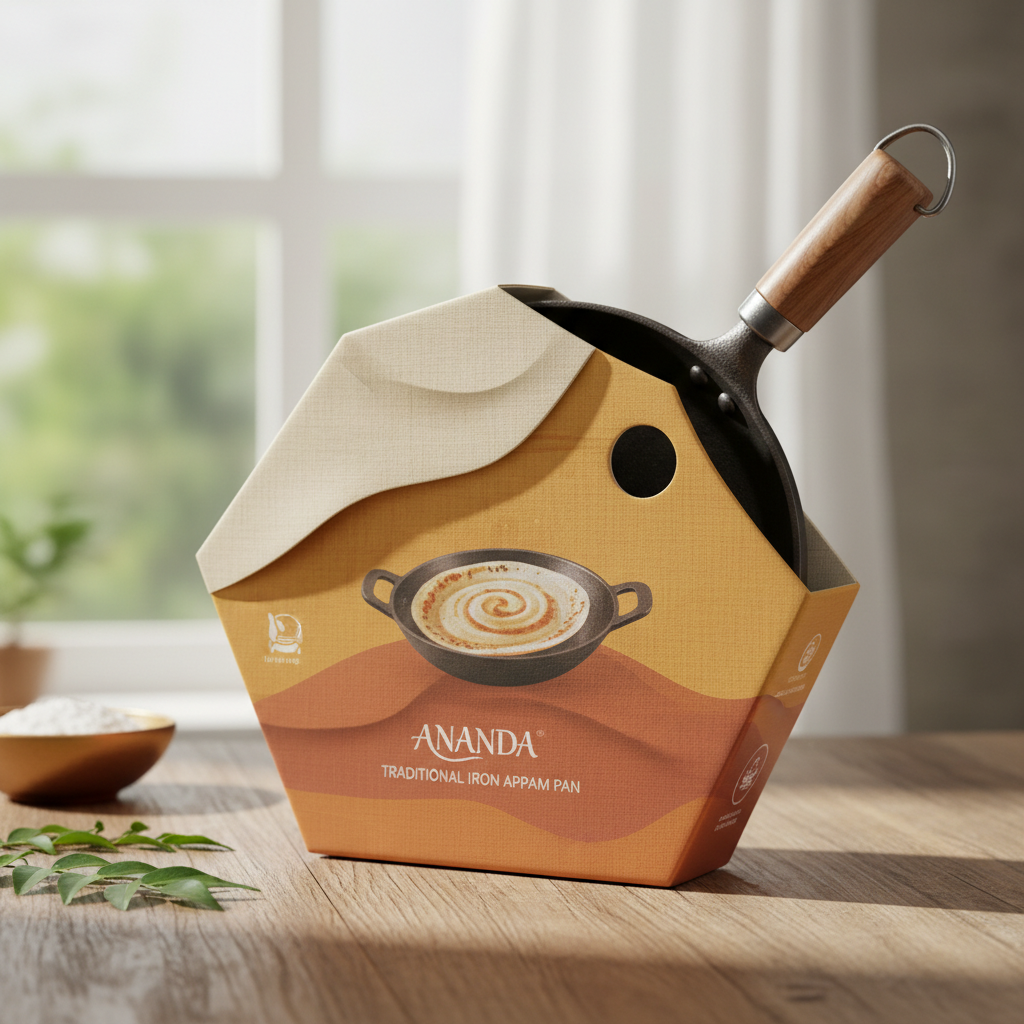
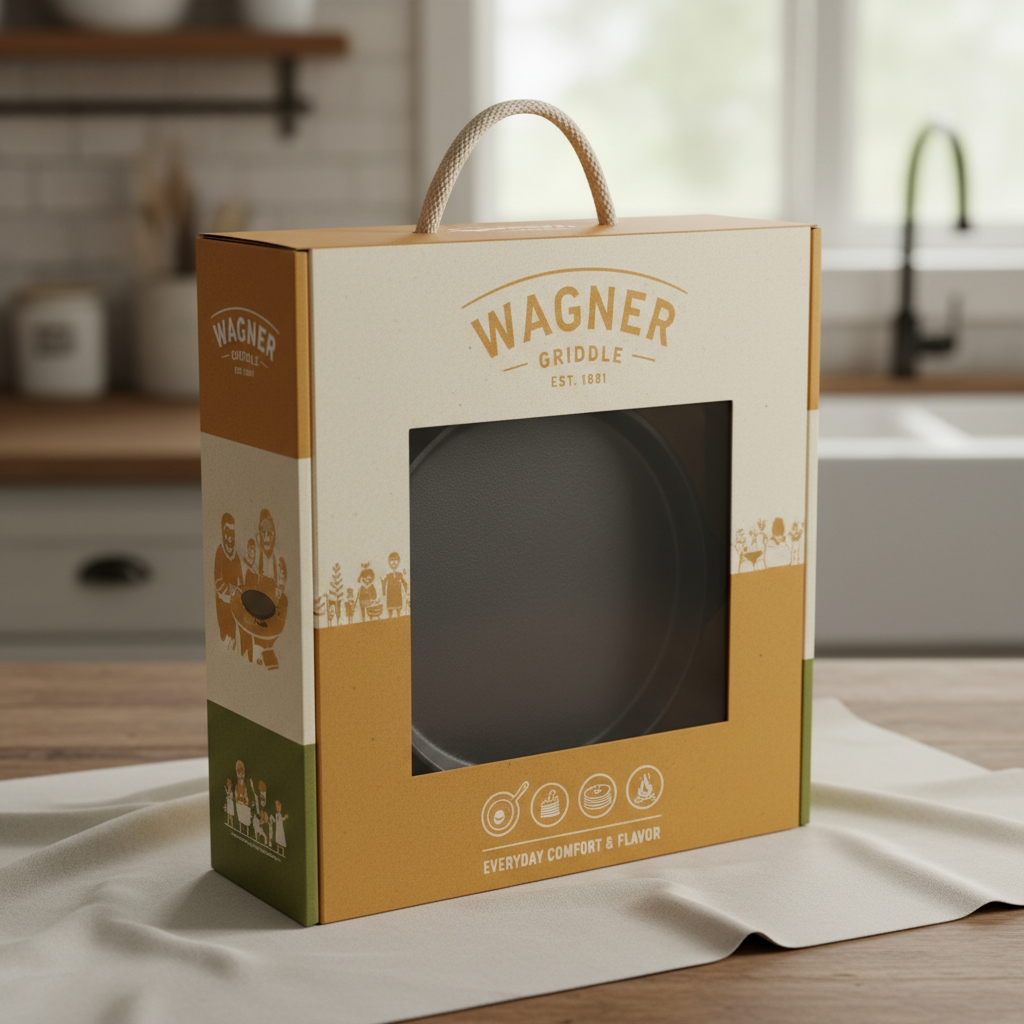
The humble iron baking tray, a staple in kitchens worldwide, represents more than just a cooking tool. Its enduring presence speaks to its functionality, durability, and surprisingly, its connection to global culinary traditions. From rustic sourdough loaves to perfectly browned cookies, the iron baking tray plays a pivotal role in countless recipes and family gatherings. Understanding its properties and applications unveils a fascinating story of material science, culinary history, and sustainable cooking practices.
The increasing demand for high-quality, reliable kitchenware is driving renewed interest in traditional materials like cast iron. This resurgence isn’t merely nostalgic; it’s a response to concerns about the environmental impact of non-stick coatings and a desire for cookware that lasts generations. The inherent heat retention and even heating capabilities of an iron baking tray make it an invaluable asset for both novice and professional bakers. Global trade and evolving culinary practices continue to expand its reach and influence.
The benefits of choosing an iron baking tray extend beyond the kitchen. Its robust construction contributes to reduced waste, as it’s a product designed for longevity. Furthermore, the ability to transfer directly from oven to stovetop offers versatility and convenience, streamlining meal preparation. As consumers become increasingly conscious of their purchasing decisions, the appeal of a durable, sustainable, and high-performing iron baking tray is poised to grow significantly.
The Enduring Appeal of iron baking tray
The enduring popularity of the iron baking tray isn’t accidental. It’s rooted in a combination of practicality, performance, and a growing appreciation for timeless kitchen tools. Unlike newer materials that often require specialized care, a well-seasoned iron baking tray can withstand years of rigorous use and become a cherished heirloom. This durability directly translates to cost savings and reduces the environmental impact associated with frequent replacements.
Beyond its longevity, the unique properties of cast iron – its exceptional heat retention and even distribution – make it ideal for a wide range of baking applications, from delicate pastries to hearty casseroles. The consistent temperature control ensures perfectly cooked results every time, fostering confidence and creativity in the kitchen.
Defining the iron baking tray
An iron baking tray is fundamentally a cookware piece constructed from cast iron—an alloy of iron, carbon, and other elements like silicon. It is typically characterized by its thickness, weight, and ability to retain heat exceptionally well. It’s often pre-seasoned with oil to create a natural non-stick surface, though further seasoning can enhance its performance over time. Unlike stainless steel or aluminum, cast iron requires a different approach to maintenance, but the rewards are substantial.
Historically, iron baking trays were essential for cooking over open fires and in early ovens. Today, they remain a staple in both domestic and professional kitchens. Their connection to traditional cooking methods underscores their lasting relevance and speaks to a desire for authentic culinary experiences. The increasing focus on sustainable living has further cemented their position as a responsible choice for discerning cooks.
The definition extends beyond the material itself; it encompasses a culinary philosophy – a commitment to slow cooking, flavor development, and a connection to the past. The iron baking tray isn't just a vessel; it’s a facilitator of culinary tradition and innovation.
Core Attributes of iron baking tray
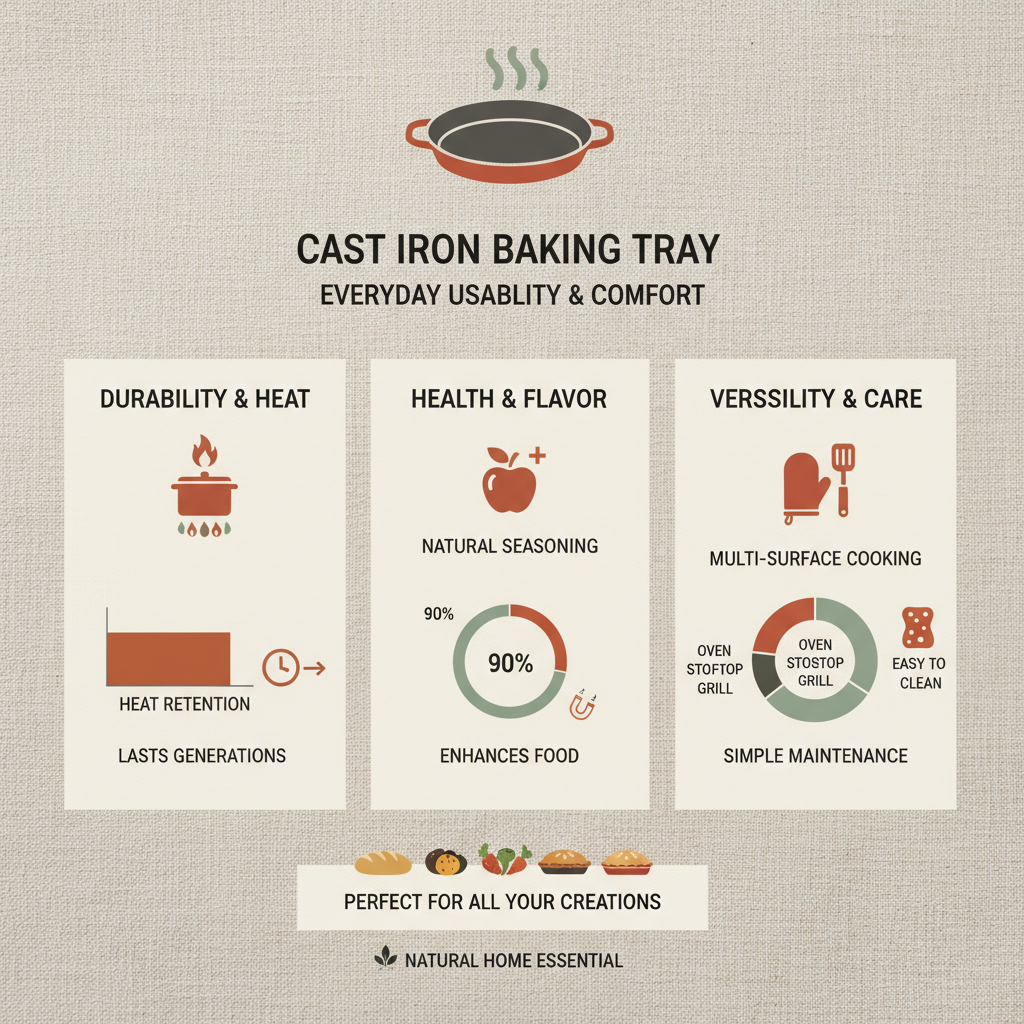
One of the defining characteristics of an iron baking tray is its exceptional heat retention. This means it heats up slowly but holds that heat consistently, providing even cooking and preventing hot spots. This is particularly crucial for baking, where consistent temperatures are essential for achieving optimal results. It’s this heat retention that separates an iron baking tray from most other materials.
Durability is another key attribute. A properly cared-for iron baking tray can last for generations, becoming a family heirloom. Unlike non-stick coatings that degrade over time, cast iron actually improves with use as the seasoning builds up, creating a naturally non-stick surface. This longevity makes it a sustainable and cost-effective choice.
Versatility is also paramount. An iron baking tray can be used on the stovetop, in the oven, and even over a campfire, making it an ideal companion for both indoor and outdoor cooking. This adaptability broadens its appeal and makes it a valuable asset for a wide range of culinary applications.
Practical Applications Across Industries
While primarily known for its culinary use, the applications of an iron baking tray extend beyond the home kitchen. In professional bakeries, they are essential for creating consistent, high-quality products, particularly breads and pastries. The even heat distribution ensures uniform browning and prevents burning.
The restaurant industry also benefits significantly from their ability to deliver perfectly seared dishes and maintain consistent temperatures during peak service hours. Beyond food service, the heat-retaining properties of iron baking trays find applications in scientific laboratories for controlled heating experiments and in artisan workshops for metalworking and small-scale casting.
iron baking tray Performance Metrics
Global Usage and Regional Variations
The iron baking tray enjoys widespread use across the globe, though regional preferences influence its specific applications. In Europe, particularly France and Germany, it’s a cornerstone of traditional baking, prized for its ability to create perfectly crusty breads and flavorful stews. In North America, it's often associated with Southern cuisine and rustic cooking styles.
In parts of Asia, particularly Japan, smaller cast iron pans are commonly used for individual servings of grilled meats and vegetables. Across Latin America, they are frequently employed for making tortillas and other regional specialties. These diverse applications demonstrate the versatility and adaptability of the iron baking tray to different culinary traditions.
The Long-Term Value Proposition
Investing in an iron baking tray represents a long-term investment in quality and sustainability. While the initial cost may be higher than that of some alternatives, its exceptional durability means it's unlikely to need replacement, saving money over time. The environmentally friendly aspect of reducing waste further enhances its value.
The ability to create consistently delicious and visually appealing meals fosters a sense of culinary pride and satisfaction. Moreover, the heirloom quality of cast iron means it can be passed down through generations, creating lasting memories and a connection to family traditions.
Future Trends and Innovations
Despite its historical roots, the iron baking tray is undergoing a period of innovation. Manufacturers are exploring lighter-weight alloys and improved seasoning techniques to enhance ease of use and performance. Smart cast iron cookware with integrated temperature sensors is also emerging, offering greater precision and control.
The growing emphasis on sustainable cooking practices will likely drive further demand for cast iron, as consumers seek durable, long-lasting alternatives to disposable cookware. Moreover, the rise of home cooking and culinary experimentation is fueling a renewed interest in traditional techniques and tools, including the iron baking tray.
Assessment of iron baking tray Quality Across Key Attributes
The following table summarizes a comparative assessment of various iron baking tray options based on critical quality attributes, providing a comprehensive overview for informed decision-making.
This assessment considers factors such as material composition, thermal performance, surface finish, and overall durability, offering a nuanced perspective on the strengths and weaknesses of different types of iron baking trays.
By evaluating these key attributes, consumers and culinary professionals can select the iron baking tray that best aligns with their specific needs and preferences, maximizing both cooking performance and long-term value.
Comparative Analysis of iron baking tray Quality
| Material Composition |
Thermal Conductivity |
Seasoning Quality |
Durability & Longevity |
| Standard Cast Iron |
7/10 |
6/10 (Requires Initial Seasoning) |
9/10 |
| Enameled Cast Iron |
6/10 |
8/10 (Pre-Seasoned) |
7/10 (Susceptible to Chipping) |
| Seasoned Cast Iron (Factory) |
7/10 |
7/10 (Ready to Use) |
8/10 |
| Lightweight Cast Iron |
5/10 |
5/10 (Requires Frequent Seasoning) |
6/10 |
| Vintage Cast Iron |
7/10 |
Variable (Dependent on Previous Use) |
9/10 |
| Carbon Steel Baking Tray |
8/10 |
6/10 (Requires Seasoning) |
7/10 |
FAQs
Seasoning an iron baking tray involves coating it with a thin layer of oil and baking it at a high temperature. This process creates a natural, non-stick surface. Begin by thoroughly cleaning the tray, then apply a light coat of flaxseed oil or vegetable oil. Bake upside down at 450-500°F for one hour, repeating several times to build up the seasoning. This protects the iron and prevents rust, enhancing its performance over time.
Rust is the primary concern with cast iron. To prevent it, always thoroughly dry the tray after washing. Avoid soaking it in water for extended periods. A light coat of oil after drying helps protect the surface. If rust does appear, scrub it off with steel wool, re-season the tray, and ensure it’s properly dried and oiled afterward. Proper care will ensure years of rust-free use.
It's generally not recommended to put an iron baking tray in the dishwasher. The harsh detergents and prolonged exposure to water can strip away the seasoning and promote rust. Handwashing with mild soap and a soft sponge is the best method. Immediate drying and a light oil coating will further protect the tray.
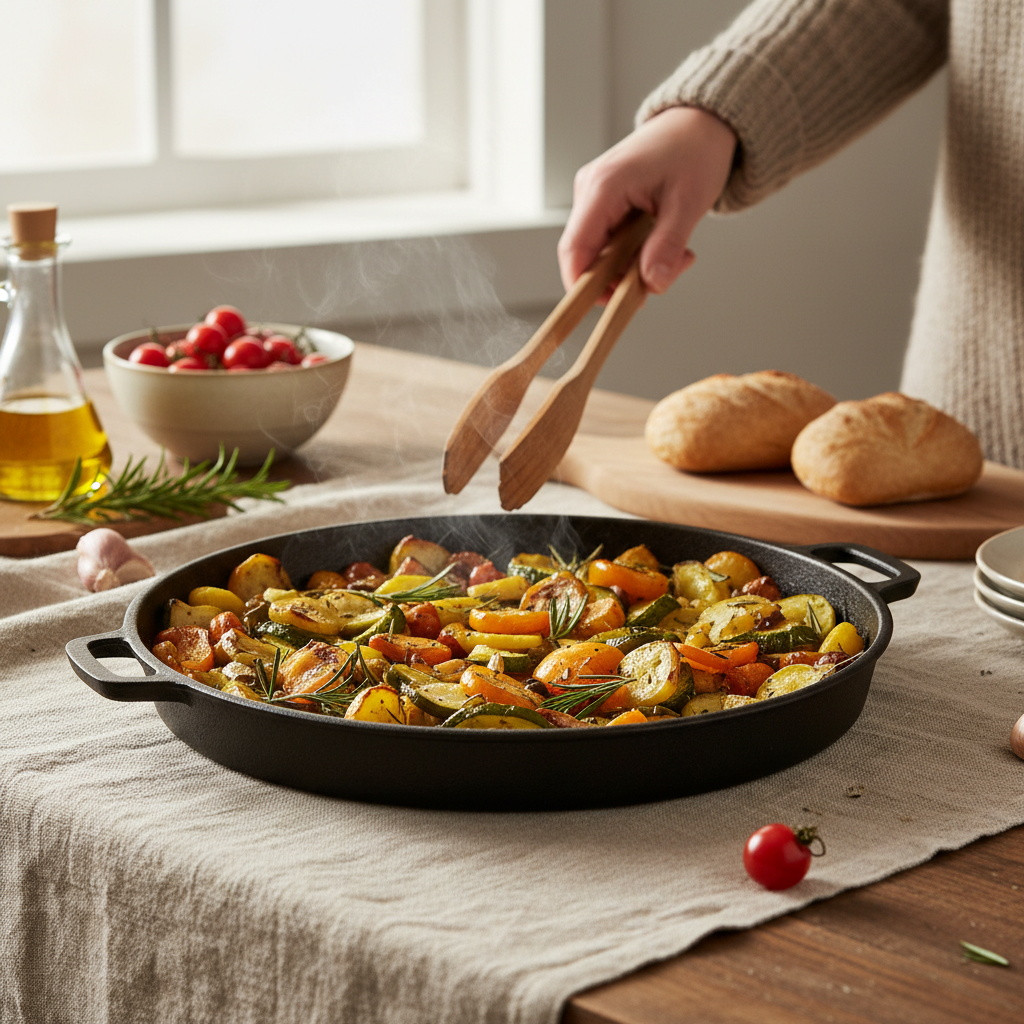
An iron baking tray excels at cooking a wide variety of foods! It's particularly well-suited for searing meats, baking breads and desserts, roasting vegetables, and making skillet dishes. The even heat distribution and excellent heat retention result in beautifully browned and perfectly cooked results. Acidic foods should be cooked for short periods to avoid stripping the seasoning.
While both are made from cast iron, enameled cast iron is coated with a porcelain enamel layer. This coating eliminates the need for seasoning and makes cleaning easier. However, enameled cast iron is more susceptible to chipping and doesn’t achieve the same level of non-stick performance as a well-seasoned traditional iron baking tray.
Store your iron baking tray in a dry location. To prevent rust and damage to the seasoning, you can place a paper towel or cloth inside the tray to absorb any moisture. Avoid stacking other cookware directly on top of the cooking surface, as this can scratch or chip the seasoning.
Conclusion
In conclusion, the iron baking tray represents a timeless combination of functionality, durability, and culinary tradition. Its ability to retain heat, its versatility in application, and its longevity make it a valuable asset in any kitchen. From humble beginnings as a basic cooking tool, it has evolved into a symbol of quality, sustainability, and a connection to the art of cooking.
Looking ahead, the future of the iron baking tray is bright. Ongoing innovations in materials and manufacturing, coupled with a growing emphasis on sustainable living, will continue to drive its popularity. We encourage you to explore the benefits of owning an iron baking tray and experience the difference it can make in your culinary creations. Visit our website at www.foundryasia.com to discover our range of high-quality iron baking trays and accessories.