The humble iron grill pan has a surprisingly global relevance, extending far beyond kitchens and barbecues. Its enduring popularity stems from a unique combination of heat retention, durability, and versatility, making it a preferred cooking surface for chefs and home cooks alike across diverse cultures. From the bustling street food stalls of Southeast Asia to the sophisticated restaurants of Europe, the iron grill pan provides a consistent and reliable cooking experience, contributing significantly to global culinary traditions. Understanding its properties and proper use allows for optimal flavor development and efficient cooking, impacting food quality and enjoyment worldwide.
The demand for quality cooking equipment, particularly those offering superior performance like the iron grill pan, is consistently high. Market reports indicate a steady growth in cookware sales, driven by increasing consumer interest in healthy cooking and gourmet experiences. Furthermore, the rise of outdoor cooking and grilling has significantly boosted the demand for durable and heat-resistant surfaces such as cast iron. This translates to economic opportunities for manufacturers, retailers, and culinary professionals globally.
Beyond culinary applications, the fundamental principles behind the iron grill pan—heat retention, even heating, and durability—are increasingly relevant in industrial processes and material science. Research into cast iron alloys and coating technologies continuously improves the performance and lifespan of these pans, leading to innovations that extend beyond the kitchen and into other sectors requiring robust and thermally stable materials.
The Global Significance of the iron grill pan
The iron grill pan isn’t simply a cooking utensil; it's a cultural artifact found in homes and restaurants worldwide. From the Korean BBQ traditions utilizing heavy iron plates to the classic American steakhouse experience, the iron grill pan’s ability to impart unique flavors and create desirable sear marks is highly valued. The United Nations Sustainable Development Goal 2 (Zero Hunger) indirectly benefits from efficient cooking technologies like the iron grill pan, enabling better food preparation and utilization.
A challenge addressed by the widespread use of iron grill pans is ensuring equitable access to reliable cooking tools. In many parts of the world, access to modern kitchens and efficient cooking equipment is limited. The relatively low cost and long lifespan of an iron grill pan make it a viable option for both households and small businesses, improving food security and economic opportunities. It's a tangible contribution to a more sustainable and equitable food system.
Defining the iron grill pan
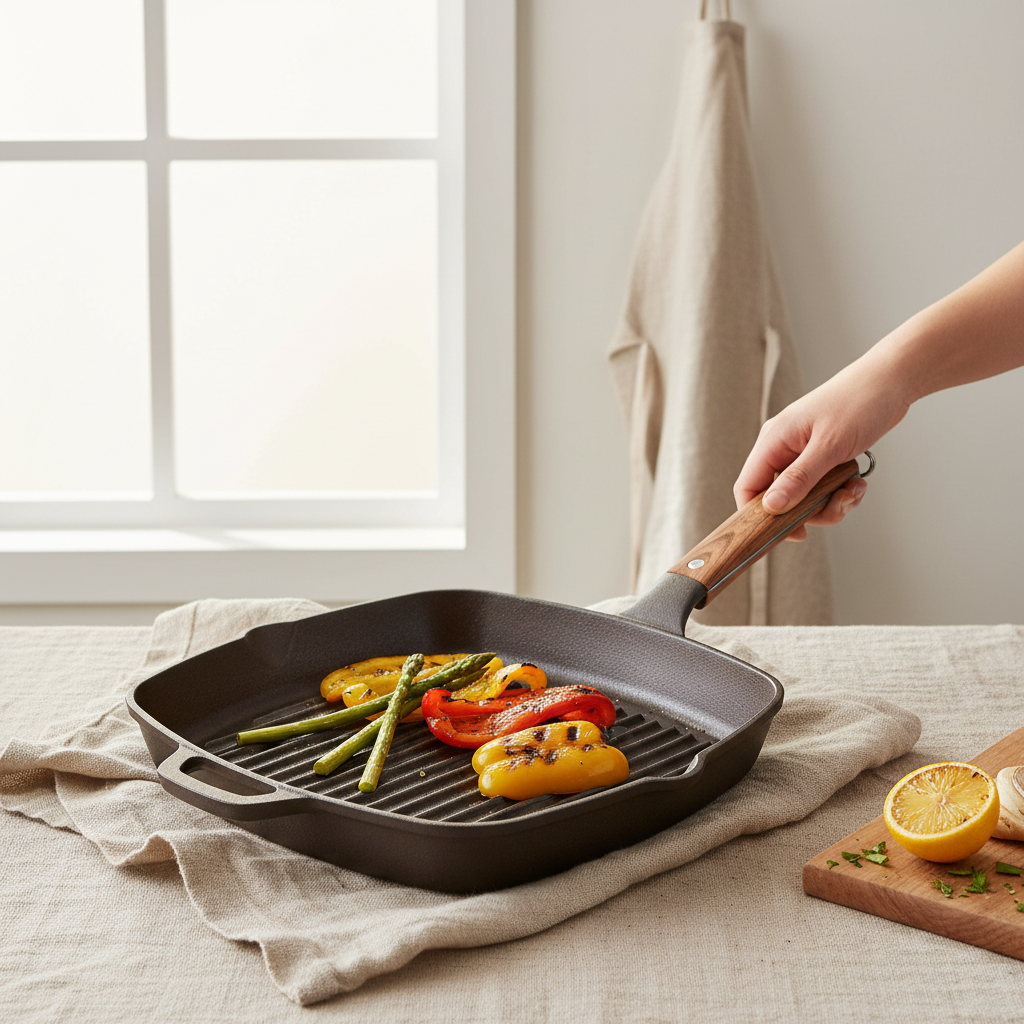
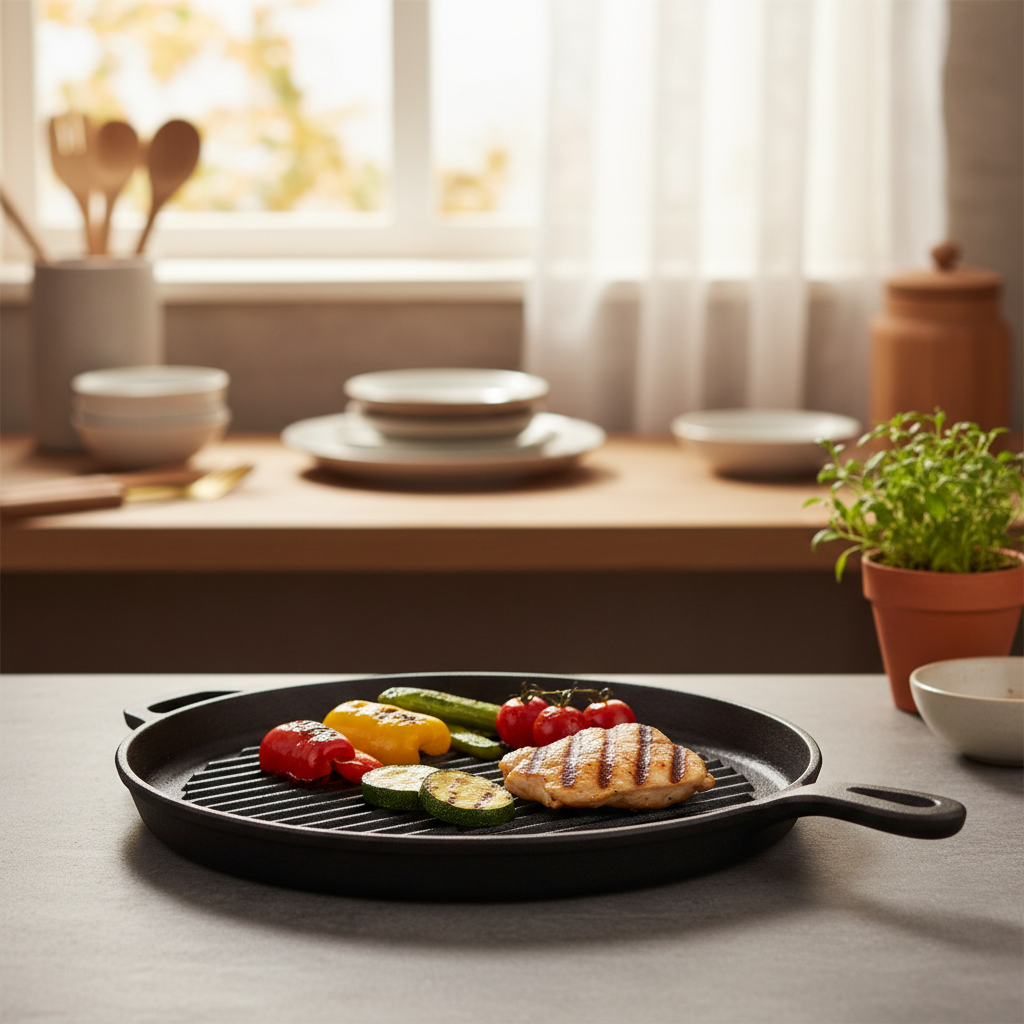
An iron grill pan is a cooking pan made primarily from cast iron, featuring a ridged surface designed to mimic the effect of cooking over an open flame. These ridges elevate food slightly, allowing fats to drip away, resulting in distinct grill marks and a crispier texture. Unlike non-stick pans, iron grill pans rely on a natural seasoning process – a polymerized layer of oil – to create a non-stick surface over time.
Its connection to modern industry lies in the metallurgical processes used to create the cast iron itself, along with the advanced coating technologies now being applied to enhance its non-stick properties and corrosion resistance. The production of iron grill pans supports various industries, including iron ore mining, metal casting, and manufacturing.
Beyond its practical use in cooking, the iron grill pan represents a blend of tradition and innovation. It’s a testament to the enduring appeal of simple, effective technologies that have stood the test of time, while also being continuously refined to meet contemporary culinary demands.
Core Characteristics of an iron grill pan
The defining characteristics of a quality iron grill pan center around its material composition and design. Cast iron, known for its high carbon content, provides exceptional heat retention and distribution. The ridged surface, carefully engineered, promotes even cooking and aesthetically pleasing grill marks. These properties aren’t accidental; they are the result of centuries of refinement in metallurgical practices and cookware design.
Seasoning is another crucial aspect. The process of repeatedly applying and baking oil onto the pan's surface creates a natural, non-stick coating. This seasoning not only prevents food from sticking but also protects the iron from rust. Proper seasoning is essential for maximizing the pan's longevity and performance, representing a commitment to its ongoing care and maintenance.
Furthermore, the weight of an iron grill pan contributes to its stability and heat retention. A heavier pan is less likely to shift during cooking and will maintain a consistent temperature even when adding cooler ingredients. This makes it ideal for searing meats and achieving a perfectly caramelized crust.
Durability and Heat Retention in iron grill pan
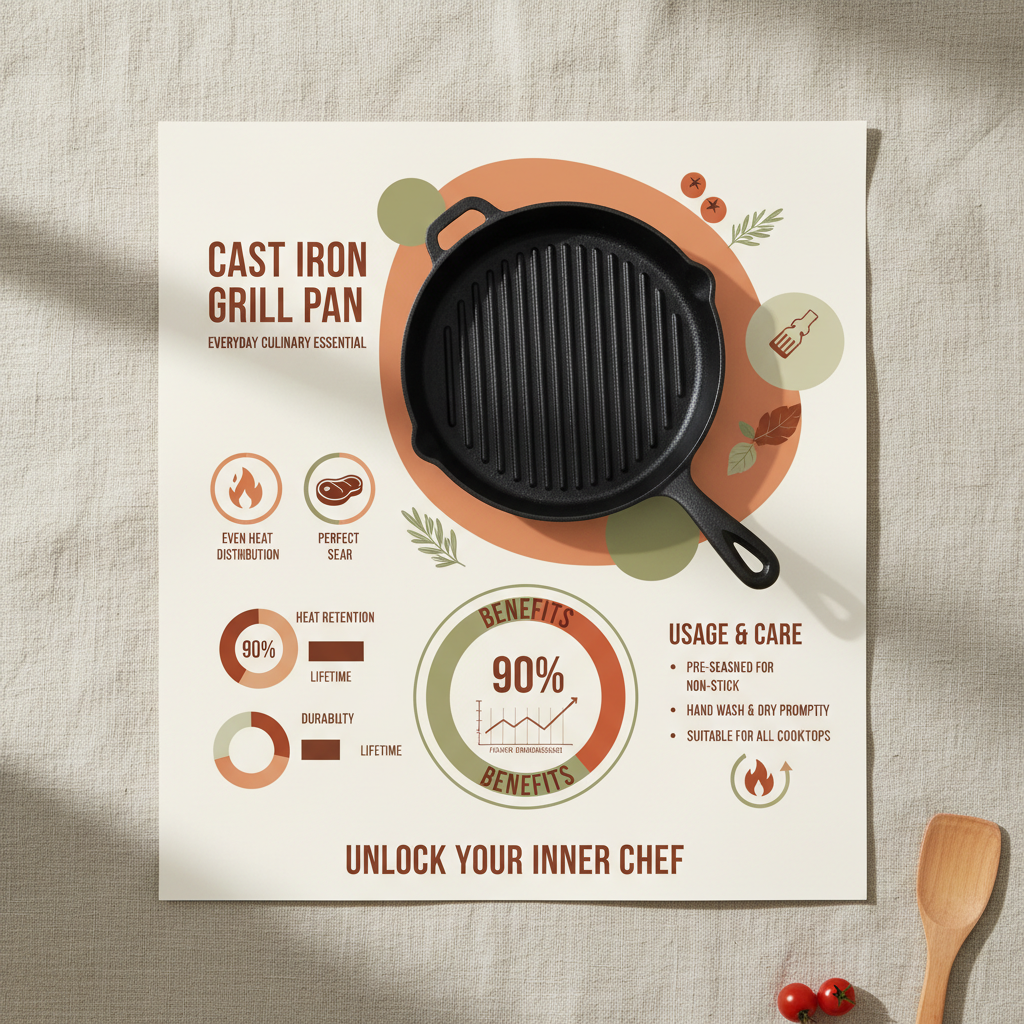
The exceptional durability of an iron grill pan is a primary reason for its lasting appeal. With proper care, a single pan can last for generations, becoming a cherished family heirloom. This contrasts sharply with the shorter lifespan of many modern cookware options, reducing waste and promoting sustainability.
The remarkable heat retention capabilities of cast iron enable consistent cooking temperatures, even on less powerful stoves. This is particularly beneficial for searing, braising, and maintaining consistent heat during long cooking processes. The ability to hold heat also makes the iron grill pan suitable for transferring directly from the stovetop to the oven, expanding culinary possibilities.
iron grill pan Performance Metrics
Global Applications of the iron grill pan
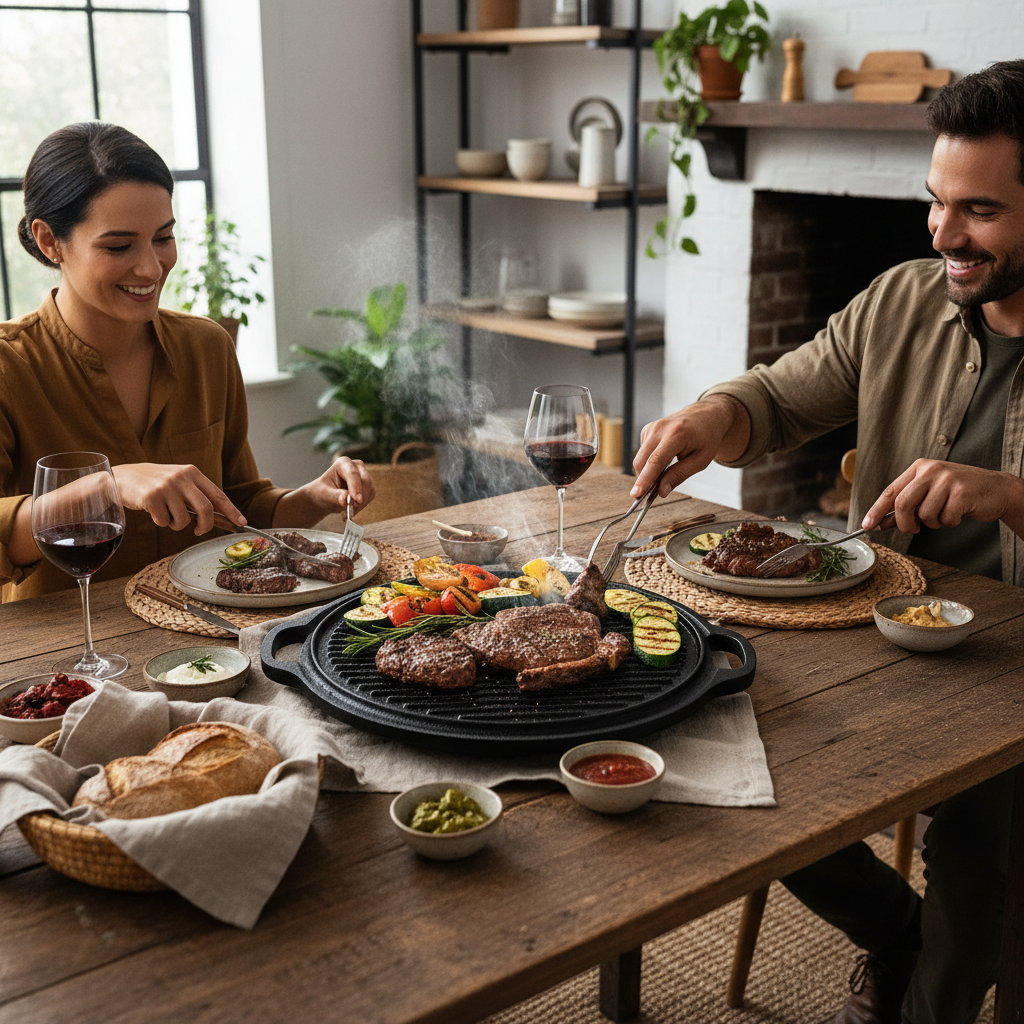
The applications of the iron grill pan are incredibly diverse. In South Korea, for example, Korean BBQ restaurants rely heavily on large, heavy iron plates built into the tables for communal grilling. In Argentina, asado—a traditional barbecue—often utilizes iron grill pans to achieve the signature smoky flavor.
Across the United States, the iron grill pan remains a staple in both home kitchens and professional restaurants, prized for its ability to create perfectly seared steaks and burgers. In remote industrial zones, such as mining camps, these pans provide a durable and reliable cooking solution for workers in challenging environments.
The Long-Term Value of using iron grill pan
Investing in an iron grill pan represents a long-term commitment to quality and sustainability. The pan's exceptional durability minimizes the need for frequent replacements, reducing waste and saving money over time. The natural seasoning process eliminates the need for harmful non-stick coatings, contributing to a healthier cooking experience.
The emotional value of an iron grill pan should not be underestimated. Often passed down through generations, these pans become family heirlooms, imbued with memories and traditions. This sentimental connection adds to their inherent worth, elevating them beyond mere cooking utensils.
From a practical standpoint, the even heating and superior heat retention provided by an iron grill pan translate to more consistent cooking results and enhanced flavor development. This reliability fosters confidence in the kitchen and promotes culinary creativity.
Future Innovations in iron grill pan Technology
Current research focuses on enhancing the non-stick properties of iron grill pan through innovative coating technologies. Enamel coatings, for example, offer improved corrosion resistance and easier cleaning while still retaining the heat retention benefits of cast iron.
The integration of smart technology is another emerging trend. Researchers are exploring the development of iron grill pans with embedded sensors that monitor temperature and cooking progress, providing real-time feedback to the user. These "smart pans" could revolutionize the cooking experience, offering greater precision and control.
Sustainable manufacturing practices are also gaining prominence. Manufacturers are increasingly adopting eco-friendly materials and energy-efficient processes to minimize the environmental impact of iron grill pan production. This commitment to sustainability aligns with growing consumer demand for responsible products.
Analysis of Key Factors Influencing iron grill pan Performance
| Material Composition |
Seasoning Quality |
Heating Efficiency |
Durability & Lifespan |
| High Carbon Cast Iron |
Multiple Layers of Polymerized Oil |
9/10 – Excellent |
Generational Use (100+ years) |
| Cast Iron with Chromium |
Factory Pre-Seasoned |
8/10 – Very Good |
50-75 years |
| Aluminum Core with Cast Iron Exterior |
Minimal Seasoning Required |
7/10 – Good |
25-50 years |
| Low Carbon Steel |
Requires Frequent Seasoning |
6/10 – Moderate |
10-20 years |
| Enamel Coated Cast Iron |
Factory Enamel Coating |
7.5/10 – Good |
30-40 years |
| Stainless Steel with Cast Iron Base |
Seasoning Optional |
6.5/10 – Moderate |
15-30 years |
FAQS
Proper seasoning is crucial for a non-stick surface and rust prevention. Begin by thoroughly cleaning the iron grill pan with hot, soapy water and drying it completely. Then, apply a very thin, even coat of oil (flaxseed, vegetable, or canola) to all surfaces. Bake the pan upside down in a preheated oven at 350-400°F (175-200°C) for 1 hour. Repeat this process several times to build up a strong seasoning layer. Ensure the oil doesn't pool, as this can create a sticky residue.
Rust is the enemy of an iron grill pan. To prevent it, always dry the pan thoroughly after washing. Apply a light coat of oil after each use, even if you’ve just seasoned it. Avoid soaking the pan in water for extended periods. If rust does appear, scrub it off with steel wool, then re-season the pan. Proper storage in a dry environment is also vital.
While traditionally discouraged, using mild dish soap on a well-seasoned iron grill pan is generally acceptable. Modern seasonings are more robust. However, avoid harsh detergents or abrasive cleaners, as these can strip the seasoning. Rinse thoroughly and dry immediately. The key is a well-maintained seasoning layer.
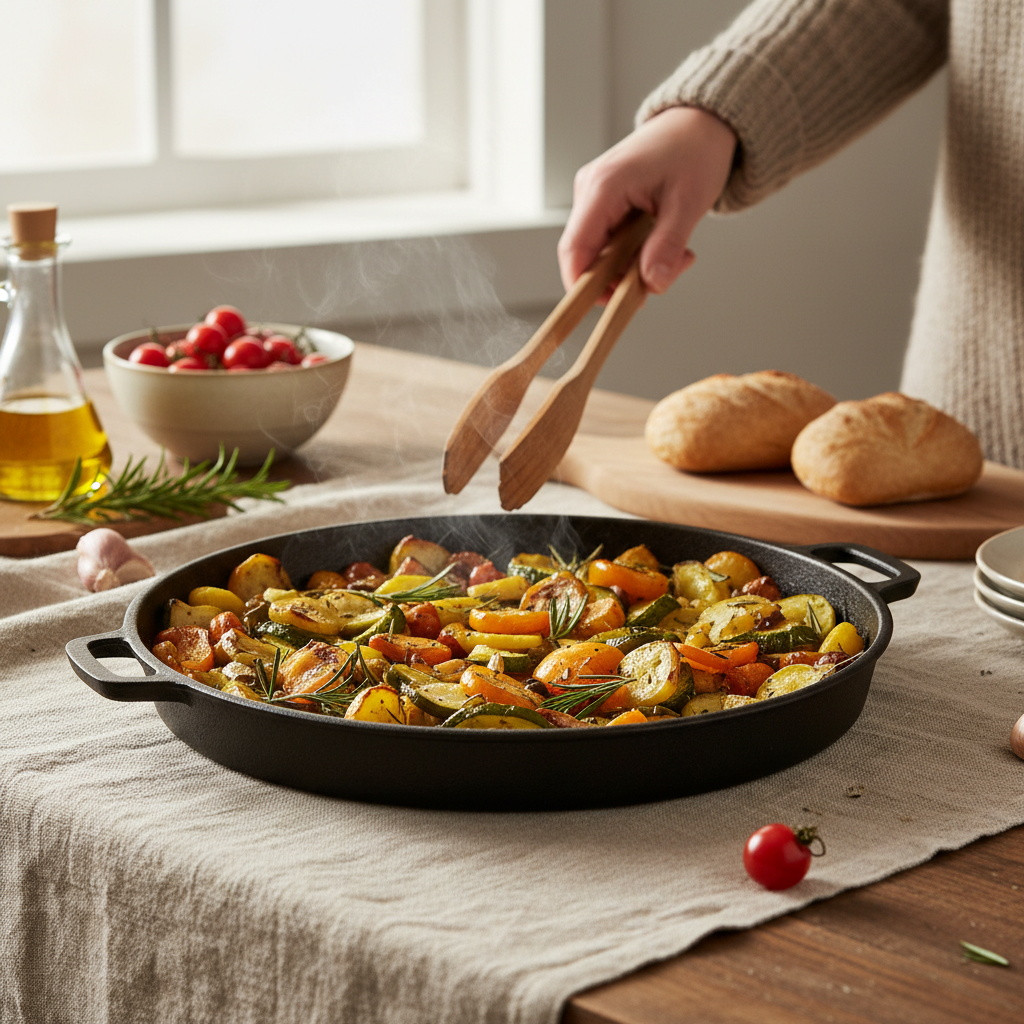
An iron grill pan excels at cooking foods that benefit from high heat and searing, such as steaks, burgers, chicken, and vegetables. Its heat retention ensures even cooking and beautiful grill marks. It’s also excellent for achieving a crispy crust on bread and for baking dishes. Acidic foods like tomatoes can temporarily affect the seasoning if cooked for extended periods.
Yes, an iron grill pan is generally safe to use. While iron can leach into food, the amount is minimal and often beneficial, as iron is an essential nutrient. Concerns about lead in vintage pans are valid, but modern cast iron is typically lead-free. Ensure the pan is well-seasoned to prevent any potential interaction between the iron and acidic foods.
After cooking, scrape off any food residue while the iron grill pan is still warm. Rinse with hot water (use a little soap if necessary) and dry immediately. Avoid soaking it in water. If food is stuck, you can simmer some water in the pan to loosen the residue. Apply a light coat of oil after drying to maintain the seasoning.
Conclusion
The iron grill pan represents a remarkable blend of tradition, functionality, and sustainability. From its enduring popularity across diverse cultures to its superior heat retention and durability, it consistently delivers exceptional cooking performance. Understanding its properties, proper care, and evolving innovations unlocks a world of culinary possibilities and promotes a more sustainable approach to cooking.
Looking ahead, the continued development of advanced coatings, smart technologies, and eco-friendly manufacturing processes will further enhance the value and appeal of the iron grill pan. By embracing these innovations, we can ensure that this timeless cooking tool remains a staple in kitchens around the world for generations to come. Visit our website at www.foundryasia.com to explore our wide selection of high-quality iron grill pans.