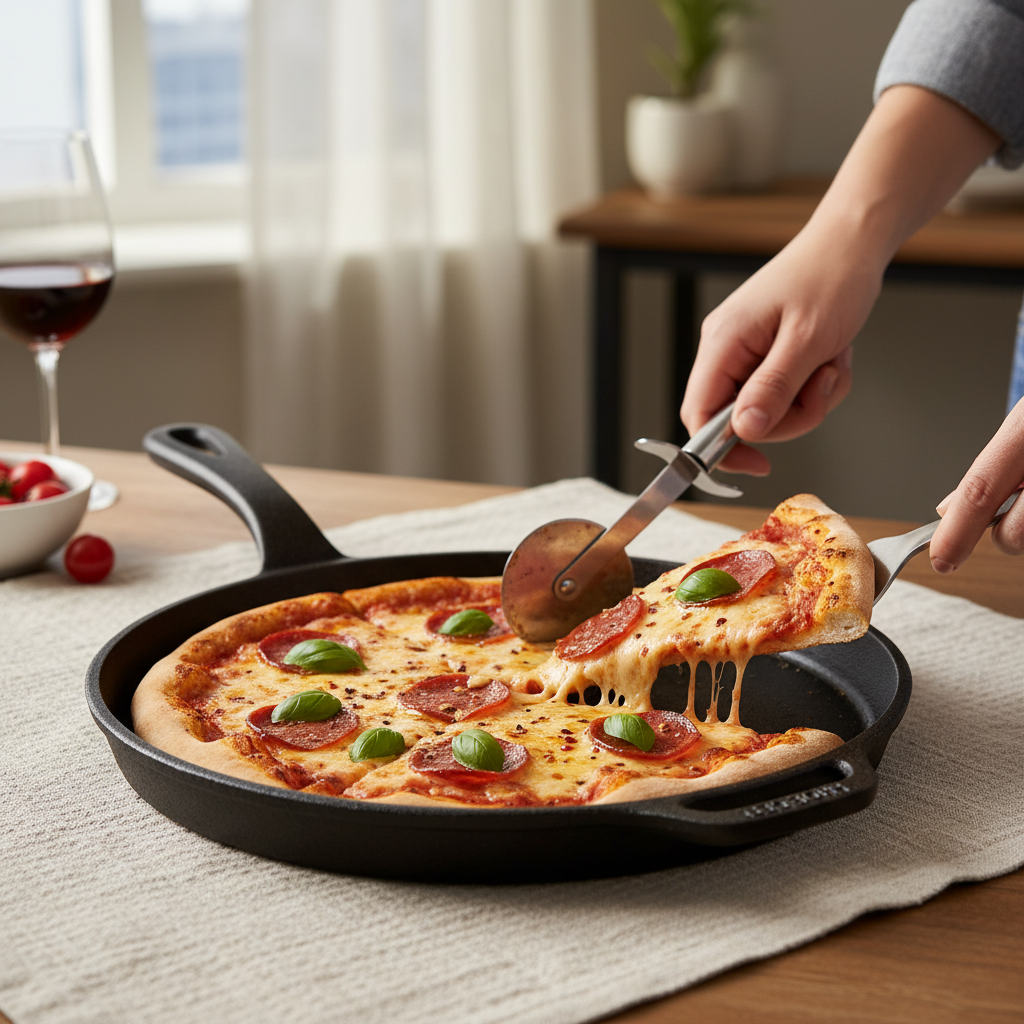
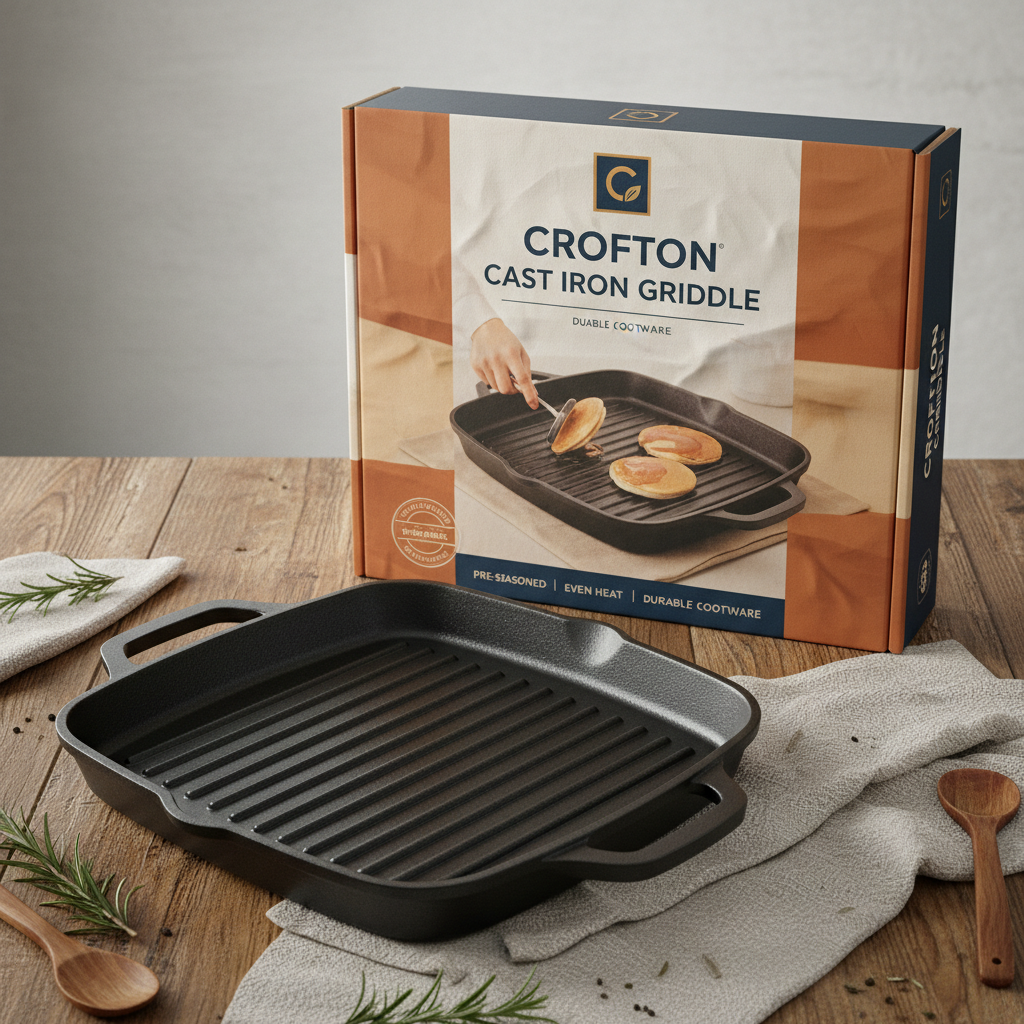
Achieving a restaurant-quality crust at home requires more than just a good recipe; it demands the right thermal mass. The pizza griddle pan, specifically those crafted from high-grade cast iron, serves as the essential bridge between a standard domestic stovetop and the intense heat of a traditional masonry oven. By distributing heat evenly across the base of the dough, these pans eliminate the common issue of "soggy bottoms" and provide that coveted charred, crisp exterior.
Across the global culinary landscape, the demand for specialized cookware has surged as home chefs seek professional results. A high-performance pizza griddle pan is no longer just a niche tool but a staple for anyone serious about artisan baking. The ability to sustain high temperatures without warping makes it an indispensable asset for searing, baking, and roasting across various styles of flatbreads and pizzas.
Understanding the engineering behind these pans—from the metallurgy of the cast iron to the surface seasoning process—allows users to maximize the lifespan and efficiency of their cookware. Whether you are utilizing a Cast Iron Dutch Oven for sourdough or a dedicated griddle for Neapolitan-style crusts, the principles of heat retention and emissivity remain the core drivers of success in the kitchen.
Global Market Relevance of Pizza Griddle Pans
The global cookware market has seen a significant shift toward heavy-duty, long-lasting materials, with the pizza griddle pan leading the trend in specialized baking. Market data indicates a rising preference for cast iron products due to their durability and health benefits compared to synthetic non-stick coatings. This trend is particularly evident in North America and Europe, where the "slow food" movement emphasizes traditional cooking methods and high-quality hardware.
Industrial standards, including ISO certifications for food-safe metallurgy, have pushed manufacturers to refine the casting process. The primary challenge addressed by the modern pizza griddle pan is the inconsistency of residential oven heat. By acting as a thermal reservoir, these pans mitigate the temperature drops that occur when an oven door is opened, ensuring a consistent bake that mirrors commercial pizza ovens.
Defining the Pizza Griddle Pan in Modern Cookware
In simple technical terms, a pizza griddle pan is a heavy-gauge flat or slightly recessed cooking surface designed to absorb and radiate intense heat directly into the base of a pizza or flatbread. Unlike standard baking sheets, which are thin and prone to warping, a griddle pan is engineered for high thermal mass, allowing it to maintain a steady temperature regardless of the food's moisture content.
Beyond mere utility, these pans connect to a broader humanitarian and economic need for sustainable consumption. By investing in a product that literally lasts for generations, consumers reduce the environmental waste associated with "disposable" aluminum pans. This shift toward "buy-it-for-life" kitchenware reflects a global consciousness regarding resource management and the carbon footprint of the manufacturing sector.
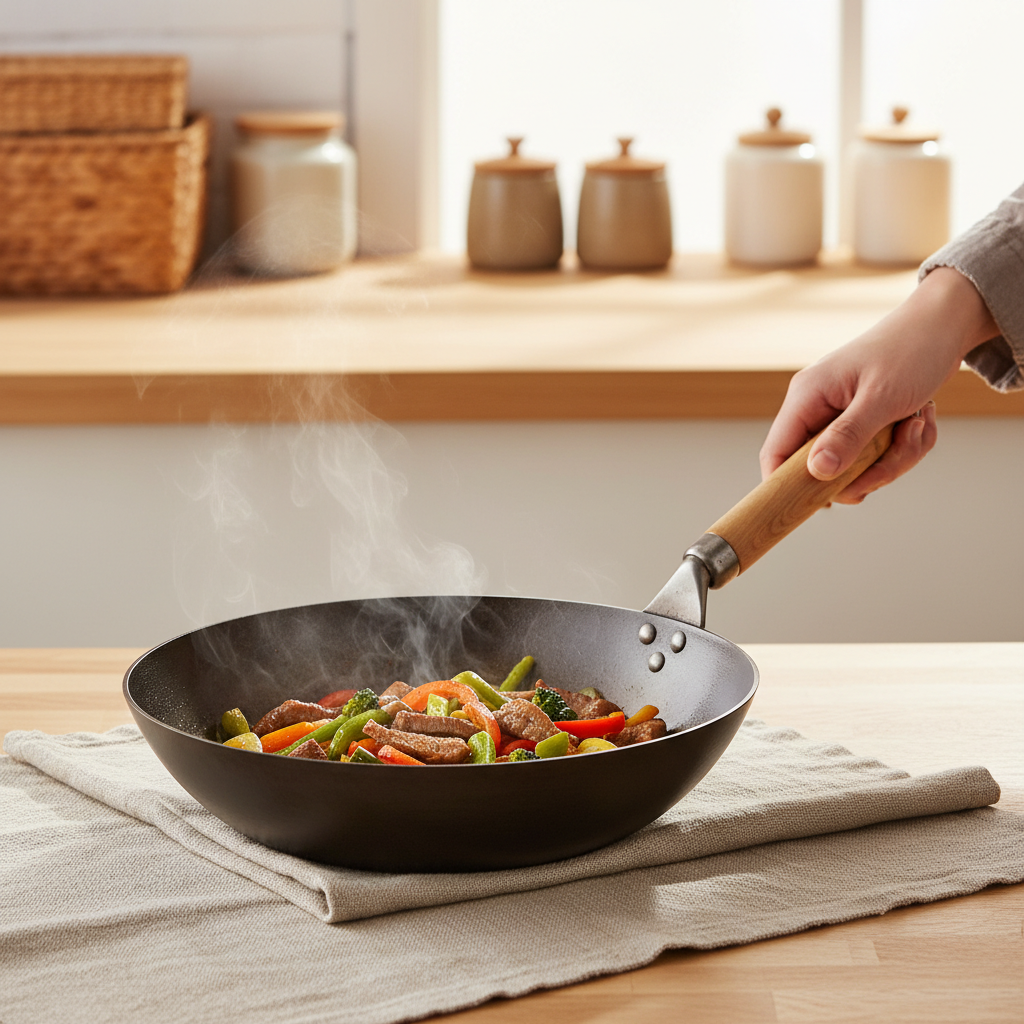
In the context of the broader product family—which includes the Cast Iron Dutch Oven and the Cast Iron Wok—the pizza griddle pan fills the gap for high-heat surface searing. It transforms a standard kitchen into a versatile studio capable of producing everything from traditional Italian pizzas to Middle Eastern naan, bridging the gap between cultural culinary traditions and modern convenience.
Core Engineering Factors for Thermal Performance
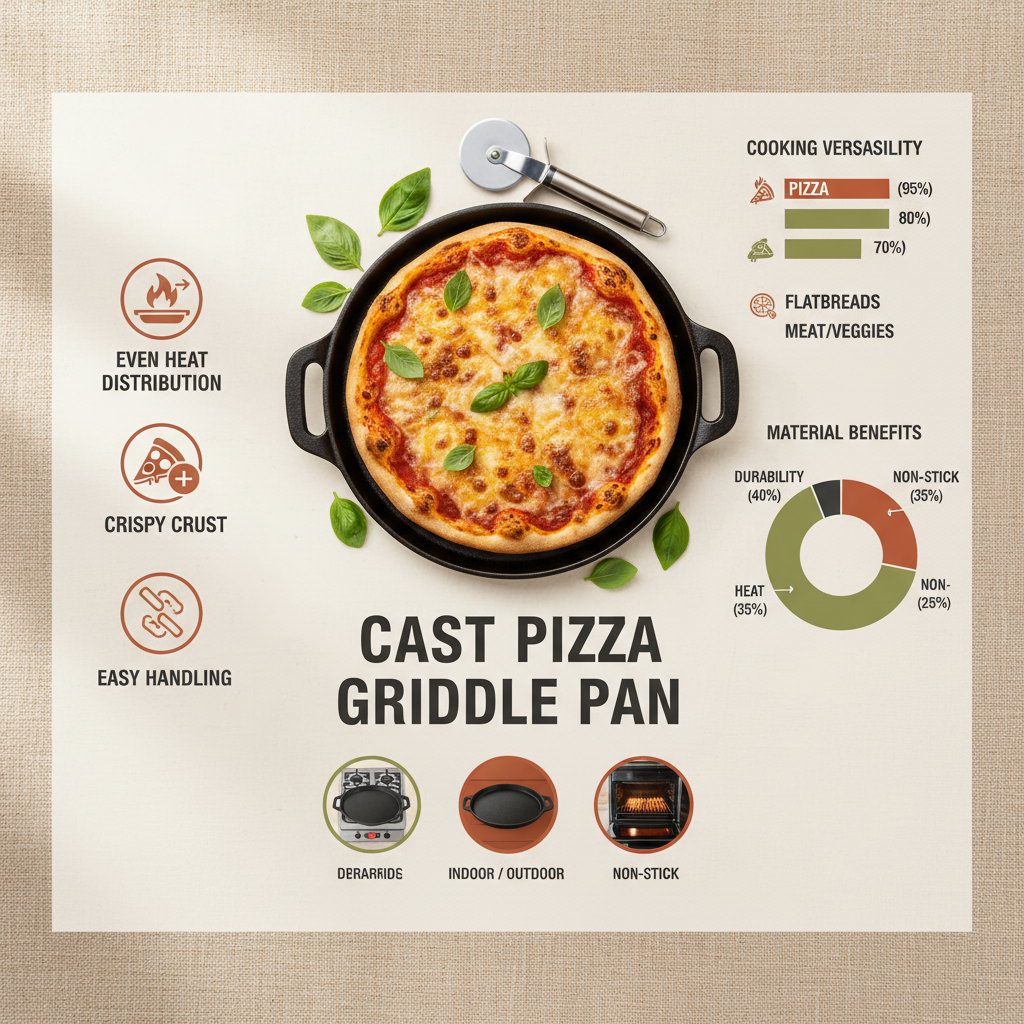
The primary factor in the success of a pizza griddle pan is its thermal conductivity and heat retention. High-quality cast iron provides the necessary density to store calories of heat, which then migrate steadily into the dough. This prevents the "shock" of uneven temperature zones, ensuring that the crust is golden-brown from the center to the edges.
Surface porosity and seasoning are equally critical. A well-seasoned pizza griddle pan creates a natural non-stick layer through the polymerization of fats. This chemical bond not only prevents the dough from adhering to the metal but also protects the iron from oxidation, enhancing the overall lifespan of the equipment.
Finally, structural stability is paramount. Industrial-grade casting ensures that the pan does not bow or warp under extreme heat (often exceeding 500°F/260°C). This flatness is essential for an even sear; any dip or peak in the pan's surface would lead to uneven cooking and potential "hot spots" that could burn the pizza before the toppings are fully melted.
Comparative Efficiency of Different Pan Materials
When evaluating the efficiency of a pizza griddle pan, it is important to compare cast iron against other common materials like aluminum, stainless steel, and ceramic. While aluminum heats up quickly, it lacks the "thermal inertia" required to keep the base of the pizza hot during the baking process. Cast iron, conversely, takes longer to preheat but delivers a far superior, more consistent crust.
The logic behind selecting cast iron for a pizza griddle pan lies in its ability to radiate heat. Unlike conductive heat, which requires direct contact, radiant heat permeates the dough more effectively, mimicking the environment of a wood-fired oven. This distinction is what separates a mediocre home pizza from a professional-grade masterpiece.
Material Efficiency Comparison for Pizza Griddle Pan
Global Applications and Culinary Use Cases
The application of the pizza griddle pan extends far beyond the traditional Italian pizza. In professional catering and remote industrial kitchens—such as those found in mining camps or offshore platforms—these pans are prized for their versatility. Their ability to function on open flames, induction hobs, and in ovens makes them a critical tool for chefs operating in resource-constrained environments.
Furthermore, in the realm of culinary education, the pizza griddle pan is used to teach students about the physics of heat transfer. By comparing the results of a pan-seared crust versus a tray-baked one, students gain a practical understanding of how material density affects food chemistry, specifically the Maillard reaction, which creates the flavor and color of the crust.
Long-Term Value and Sustainability Benefits
From a financial perspective, the long-term value of a high-quality pizza griddle pan is unmatched. Unlike PTFE-coated pans that degrade over time and must be replaced every few years, a cast iron griddle is virtually indestructible. When properly maintained, it becomes an heirloom piece, increasing in non-stick efficiency as the seasoning layer thickens over decades of use.
Sustainability is another core advantage. The production of a pizza griddle pan utilizes materials that are 100% recyclable. Moreover, by eliminating the need for disposable parchment paper or chemical sprays, users reduce their daily environmental impact. This alignment with "Green Kitchen" initiatives makes cast iron the logical choice for the eco-conscious consumer.
Emotionally, the use of such a pan fosters a sense of trust and reliability. There is a psychological comfort in using a tool that is known to perform consistently every time. This reliability translates to confidence in the kitchen, allowing the cook to experiment with bolder flavors and more complex doughs, knowing the hardware will not fail them.
Future Innovations in Metal Casting Technology
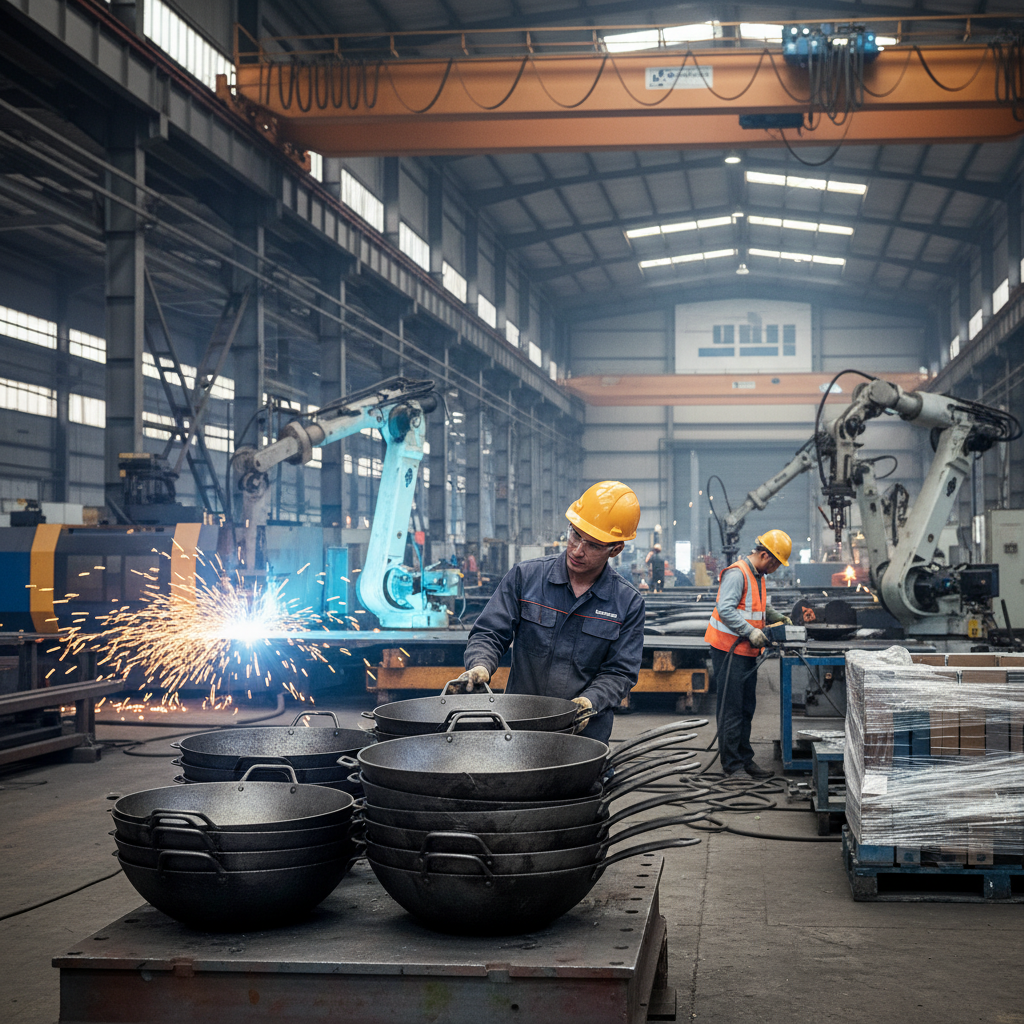
The future of the pizza griddle pan lies in the intersection of traditional metallurgy and digital precision. We are seeing the rise of "precision casting," where AI-driven molds ensure an even wall thickness across the entire pan, eliminating the slight imperfections found in sand-cast iron. This results in even more precise heat distribution and a more professional finish.
Additionally, innovations in "pre-seasoning" technologies are emerging. New vacuum-infusion processes allow oils to penetrate deeper into the iron's pores, providing a more durable initial non-stick surface right out of the box. This reduces the learning curve for novice users and ensures a high-performance experience from the very first use.
As we move toward a more sustainable future, the integration of recycled scrap iron into high-grade cookware is becoming a priority. The goal is to create a circular economy where old cookware is melted down and reborn as a new pizza griddle pan, maintaining the same structural integrity while minimizing the need for virgin ore mining.
Comparison of Casting Technologies for Pizza Griddle Pans
| Casting Method |
Thermal Uniformity |
Production Cost |
Durability Score |
| Traditional Sand Casting |
Moderate |
Low |
9/10 |
| Investment Casting |
High |
High |
10/10 |
| Die Casting |
Very High |
Moderate |
8/10 |
| Centrifugal Casting |
High |
High |
9/10 |
| Precision AI Mold Casting |
Excellent |
Very High |
10/10 |
| Recycled Iron Casting |
Moderate |
Low |
9/10 |
FAQS
To season your pan, apply a thin layer of high-smoke-point oil (like flaxseed or grapeseed oil) to the entire surface. Wipe away excess oil so only a microscopic film remains. Place the pan upside down in your oven at 450-500°F (230-260°C) for one hour. Let it cool completely inside the oven. Repeat this process 2-3 times to build a robust, polymerized layer that prevents sticking and rust.
Yes, cast iron is naturally ferromagnetic, making it compatible with almost all induction cooktops. However, because cast iron is slightly textured, it is recommended to move the pan gently rather than sliding it to avoid scratching the glass surface of your induction hob. The high thermal mass of the pan actually helps stabilize the temperature on induction burners.
A pizza stone is typically ceramic and focuses on absorbing moisture from the dough to create a crisp crust. A pizza griddle pan, made of metal, offers superior heat conduction and radiation. The griddle pan is generally more versatile as it can be used on the stovetop for searing and then transferred to the oven, whereas a stone is strictly for oven use and is more prone to cracking from thermal shock.
Avoid using harsh soaps or soaking the pan in water for long periods. Use a stiff brush or a chainmail scrubber with warm water to remove food debris. If the pan is very dirty, a pinch of coarse salt can act as a natural abrasive. Always dry the pan immediately on a warm burner to ensure no moisture remains, and apply a very light coat of oil after each use.
Industrial-grade cast iron is specifically designed to withstand extreme temperatures without warping. Unlike thin aluminum or steel sheets, the thick walls of a quality pizza griddle pan maintain their structural integrity even when exposed to the maximum temperatures of a domestic oven or an open campfire. This ensures the pizza cooks evenly across the entire surface.
For a quick sear or bake, acidic ingredients like tomato sauce are perfectly safe. However, avoid simmering highly acidic sauces for several hours directly in a cast iron pan, as the acid can slowly erode the seasoning layer and give the food a slight metallic taste. For pizza baking, the short duration means there is virtually no risk to the pan's finish.
Conclusion
The pizza griddle pan represents the perfect marriage of traditional metallurgical strength and modern culinary demands. By providing unparalleled heat retention and a sustainable, lifelong utility, it solves the fundamental problem of heat inconsistency in home kitchens. From the precision of its casting to the chemistry of its seasoning, every aspect of the pan is designed to elevate the quality of the final product, ensuring a professional crust that is consistently crisp and flavorful.
As we look toward the future, the continued innovation in metal casting and the global shift toward eco-friendly kitchenware only reinforce the value of investing in high-quality cast iron. Whether you are a professional chef or a passionate home cook, integrating a pizza griddle pan into your arsenal is a commitment to quality, sustainability, and culinary excellence. To explore our full range of professional cast iron solutions, visit our website: www.foundryasia.com.