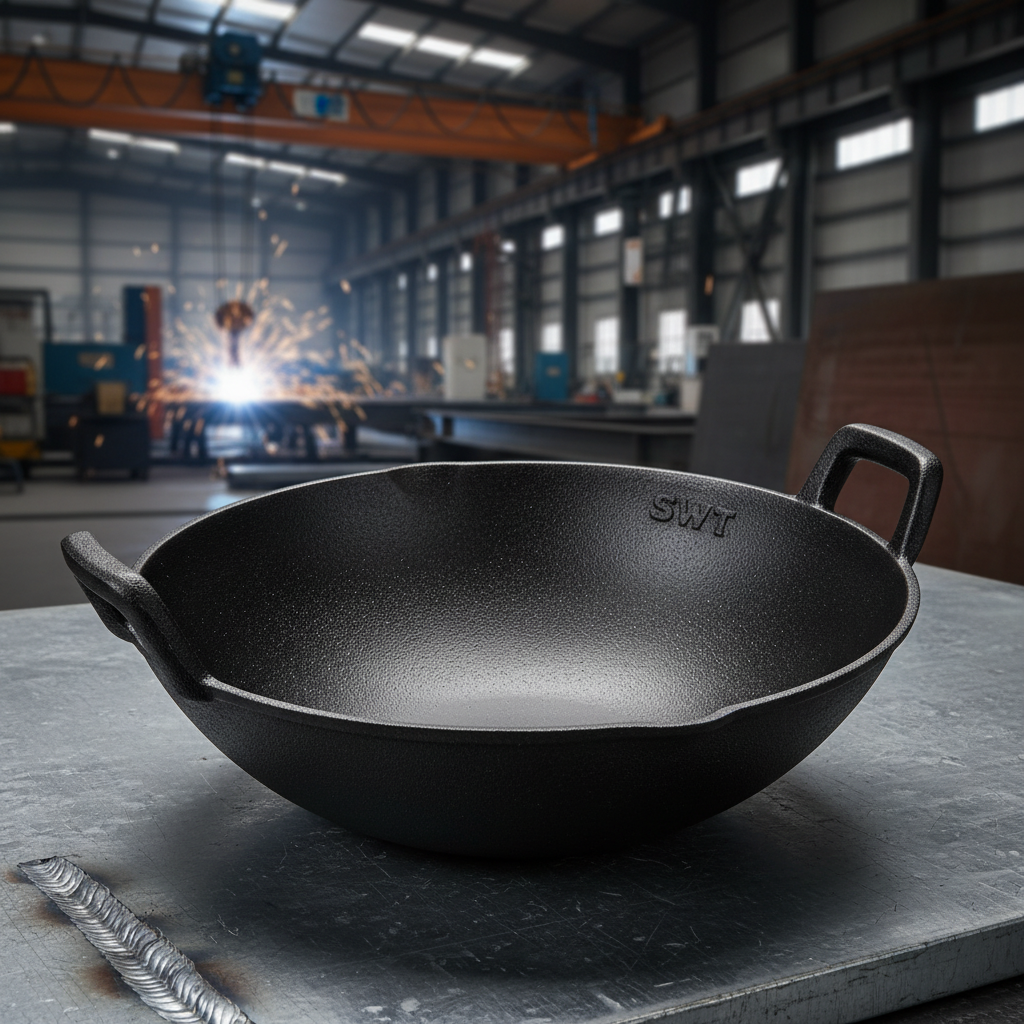
When deciding to buy cast iron wok, most home chefs and professional restaurateurs are searching for a tool that bridges the gap between ancient culinary traditions and modern kitchen efficiency. The cast iron wok is renowned for its unmatched heat retention and the ability to achieve "wok hei"—the breath of the wok—which imparts a distinct charred aroma to stir-fried dishes.
Across the globe, the demand for high-quality cast iron cookware has surged as consumers shift away from synthetic non-stick coatings toward sustainable, lifelong materials. Understanding the metallurgy and seasoning process is key to unlocking the full potential of this tool, making the decision to buy cast iron wok an investment in both health and flavor.
Whether you are upgrading a commercial kitchen or perfecting your home-cooked meals, the industrial precision of modern cast iron ensures a consistent cooking surface. By focusing on the balance of weight, heat distribution, and durability, we can explore why this specific piece of cookware remains the gold standard for high-heat Asian cuisine.
The Global Appeal of Cast Iron Cookware
The international market for cast iron cookware has seen a significant resurgence, driven by a global movement toward "slow living" and sustainable consumption. According to industry trends aligned with ISO quality standards for metalware, the move toward heavy-duty iron tools is a response to the fragility of modern Teflon-coated pans. When users buy cast iron wok, they are opting for a product that can last generations, reducing landfill waste and the need for frequent replacements.
Moreover, the versatility of cast iron allows it to transcend cultural boundaries. From the high-heat stir-frying of East Asia to the slow-simmering stews of Europe, the thermal mass of cast iron provides a stability that thinner alloys cannot match. This global relevance is rooted in the physics of heat absorption, where the dense molecular structure of the iron ensures that the pan doesn't drop in temperature when cold ingredients are added.
Defining the Modern Cast Iron Wok
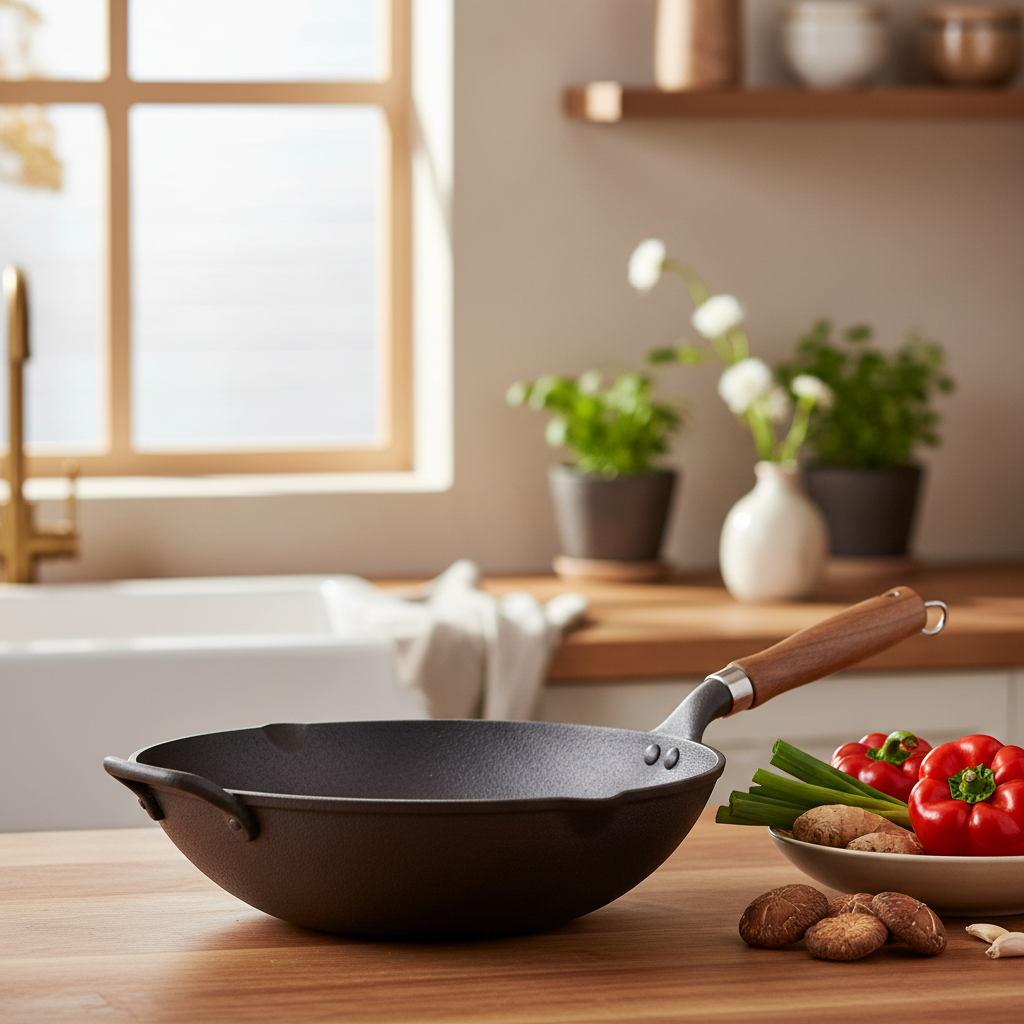
In simple terms, the decision to buy cast iron wok means acquiring a deep, rounded-bottom or flat-bottom cooking vessel made from molten iron poured into a mold. Unlike carbon steel, which is thinner and more reactive, cast iron is thick-walled and possesses immense heat capacity, making it ideal for those who want a "set it and forget it" temperature profile.
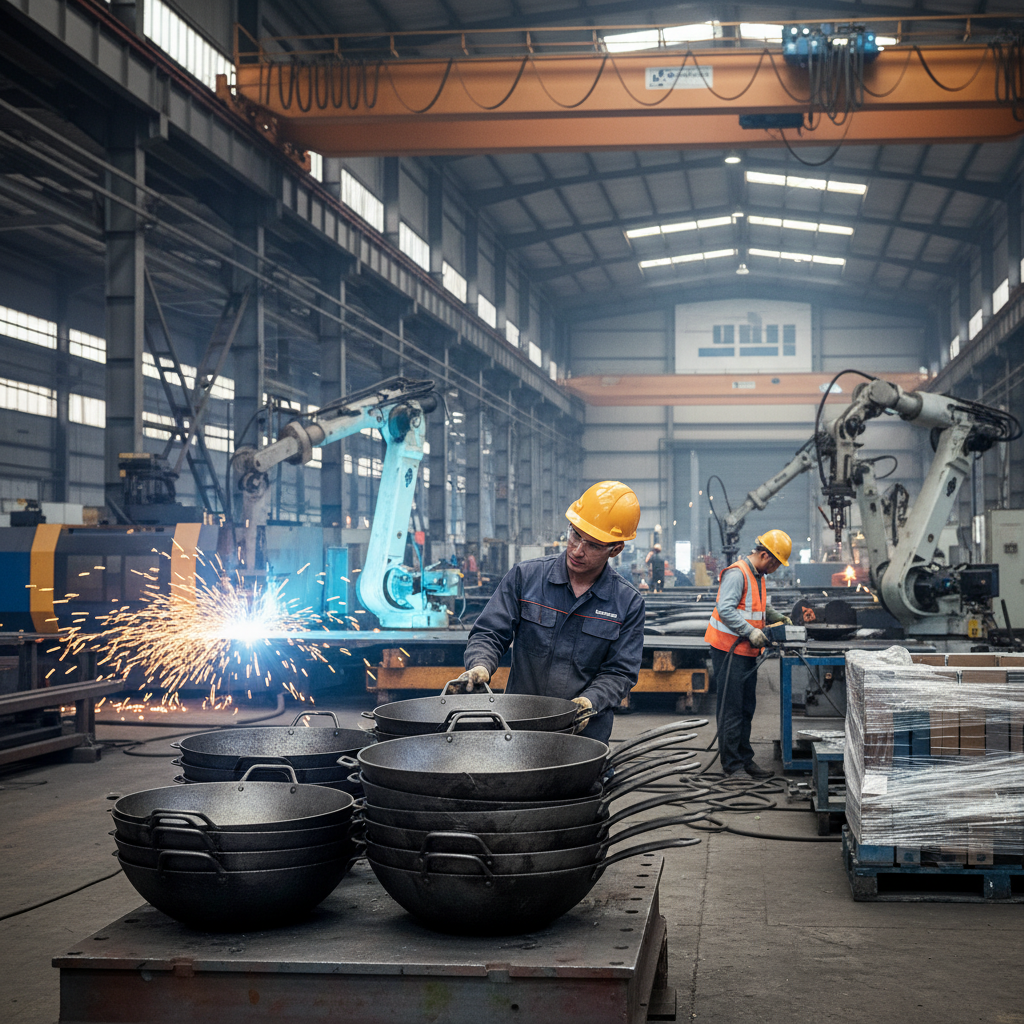
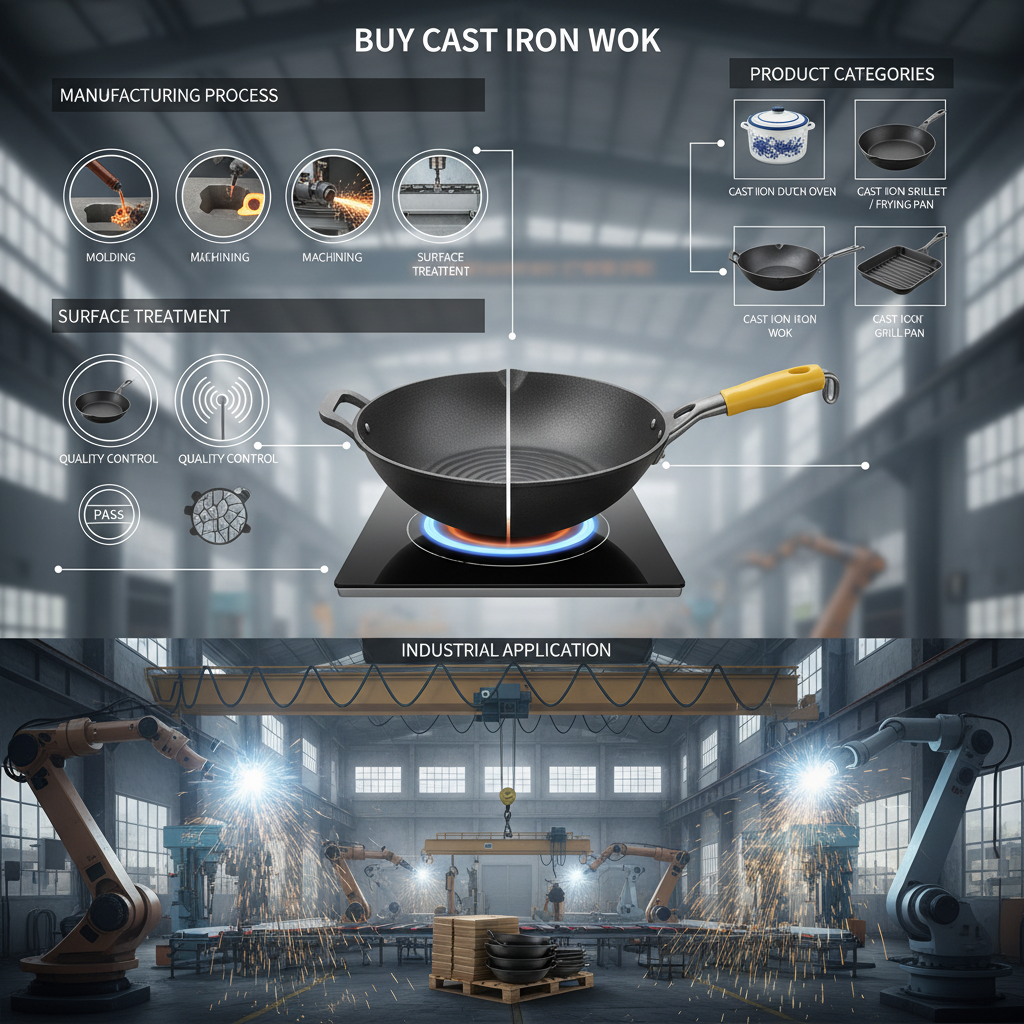
From an industrial perspective, the modern cast iron wok is a marriage of traditional foundry arts and precision engineering. The process involves controlling the carbon content of the iron to ensure the pan is durable enough to resist cracking under extreme thermal shock while remaining smooth enough to be seasoned effectively. This intersection of metallurgy and culinary need addresses the modern challenge of achieving professional-grade searing in a home kitchen.
Furthermore, the connection to humanitarian and health needs is evident in the natural iron supplementation that occurs during cooking. As users buy cast iron wok, they are often seeking a non-toxic alternative to PFOAs and other chemicals found in synthetic coatings, aligning their cookware choices with a holistic approach to wellness and environmental stewardship.
Core Components of Quality Cast Iron
The primary factor when you buy cast iron wok is Thermal Mass. This refers to the ability of the metal to store heat energy. High-quality cast iron allows for a consistent temperature across the surface, preventing "hot spots" that can burn delicate ingredients while leaving others undercooked.
Another critical element is Surface Porosity. When you buy cast iron wok, you are looking for a material that can be "seasoned." This process involves baking oil into the pores of the metal, creating a natural, polymerized non-stick layer that improves over time with every use.
Finally, Structural Integrity and weight balance are essential. A well-manufactured wok must have a balanced handle and a base that distributes weight evenly, whether it's for a gas burner or an induction cooktop. This ensures that the user can toss ingredients safely without the pan tipping, which is a hallmark of professional-grade foundry work.
Performance Metrics and Heat Efficiency
Evaluating the efficiency of different casting methods is crucial for anyone looking to buy cast iron wok. The difference between sand-casting and centrifugal casting often manifests in the smoothness of the interior wall and the speed at which the vessel reaches searing temperatures.
By analyzing heat retention and non-stick longevity, we can see that high-density iron outperforms lighter alternatives in long-duration cooking sessions, though it requires a longer pre-heating phase.
Cast Iron Wok Performance Comparison
Global Applications in Culinary Arts
The application of cast iron woks extends far beyond the domestic kitchen. In professional Asian culinary hubs, from Singapore to Hong Kong, the ability to buy cast iron wok units in bulk allows restaurants to maintain high-volume production while ensuring that every dish has the same charred consistency.
In remote industrial zones or outdoor catering setups, the ruggedness of cast iron is indispensable. Because it can be used over open flames, charcoal, or gas, it provides a versatile solution for chefs operating in environments where precise electrical temperature control is unavailable, proving its reliability in the most demanding conditions.
Long-Term Value and Sustainability
From a financial perspective, the decision to buy cast iron wok is an exercise in cost-efficiency over time. While the initial investment may be higher than a cheap aluminum pan, the lifespan of cast iron is measured in decades, not years. This eliminates the recurring cost of replacing degraded non-stick surfaces.
Sustainability is another pillar of value. Cast iron is 100% recyclable and requires no chemical coatings that leach into food or the environment during the manufacturing process. This eco-friendly profile appeals to the modern, conscious consumer who values dignity in craftsmanship and trust in material purity.
Furthermore, there is an emotional value associated with "heirloom cookware." A wok that has been seasoned over twenty years develops a unique patina and non-stick quality that cannot be replicated in a factory. This transforms a simple kitchen tool into a family legacy, blending logical utility with sentimental value.
Future Innovations in Metal Casting
The industry is currently evolving toward "Green Foundry" practices. As more people buy cast iron wok, manufacturers are implementing induction-heating compatible bases and carbon-neutral smelting processes to reduce the carbon footprint of heavy metal production.
Digital transformation is also hitting the foundry. AI-driven mold design allows for a more optimized distribution of iron, reducing the overall weight of the wok without sacrificing its heat retention properties. This makes the cookware more accessible to those who find traditional cast iron too heavy for daily use.
Looking forward, we expect to see the integration of advanced alloys that prevent rust more effectively while remaining food-safe. These innovations will ensure that the tradition of the wok remains relevant in a high-tech, sustainability-focused future.
Comparative Analysis of Cast Iron Wok Manufacturing Standards
| Manufacturing Method |
Heat Distribution |
Durability Score |
Maintenance Level |
| Traditional Sand Cast |
High / Even |
10/10 |
High (Manual Seasoning) |
| Centrifugal Casting |
Very High / Precise |
9/10 |
Medium |
| Die-Cast Alloy |
Medium / Fast |
7/10 |
Low |
| Pre-Seasoned Industrial |
High / Stable |
9/10 |
Medium |
| Enameled Cast Iron |
Medium / Constant |
8/10 |
Low |
| Hand-Forged Iron |
Extreme / Variable |
10/10 |
Very High |
FAQS
While carbon steel is lighter and heats up faster, cast iron offers superior heat retention. This means when you add a large amount of vegetables or meat, the pan doesn't cool down as drastically, allowing for a better sear and more consistent "wok hei." Additionally, cast iron is generally more durable and less prone to warping over decades of use.
Yes, for those who want to start cooking immediately, pre-seasoned options are ideal. They come with a factory-applied layer of polymerized oil, reducing the initial effort. However, regardless of whether you buy a pre-seasoned or raw wok, you will still need to maintain the seasoning with oil and heat to ensure long-term non-stick performance.
Absolutely, provided you choose a flat-bottomed model. Cast iron is naturally ferromagnetic, making it one of the best materials for induction cooking. Just ensure the base is smooth to maintain full contact with the induction surface for maximum energy transfer and efficiency.
The golden rule is: never leave it to soak in water and never put it in the dishwasher. After washing with mild soap or just hot water, dry it immediately on the stovetop over low heat. While the pan is still warm, apply a very thin layer of vegetable oil with a paper towel to seal the pores and block moisture.
Indirectly, yes. The weight is a byproduct of the metal's density. This density allows the wok to absorb and hold a massive amount of thermal energy. This results in a faster sear and prevents the "steaming" effect that happens in thin pans when moisture is released from food, leading to a more authentic stir-fry texture.
Check for a consistent wall thickness and a lack of visible pits or air bubbles in the metal. A high-quality wok will feel balanced in the hand and have a smooth, well-finished rim. Look for manufacturers that provide certifications on the purity of the iron and the method of casting used.
Conclusion
Choosing to buy cast iron wok is more than just a purchase; it is a commitment to culinary excellence and sustainable living. By combining extreme heat retention, non-toxic materials, and lifelong durability, the cast iron wok remains an unrivaled tool for anyone seeking the authentic flavors of high-heat cooking. From the industrial precision of its casting to the personalized nature of its seasoning, it represents the perfect harmony of science and art in the kitchen.
As we move toward a future of more conscious consumption, investing in heirloom-quality cookware is a logical and rewarding choice. We suggest starting with a versatile flat-bottom model to maximize compatibility with modern appliances while embracing the traditional care required to maintain the iron. Elevate your cooking experience today by visiting our website: www.foundryasia.com.