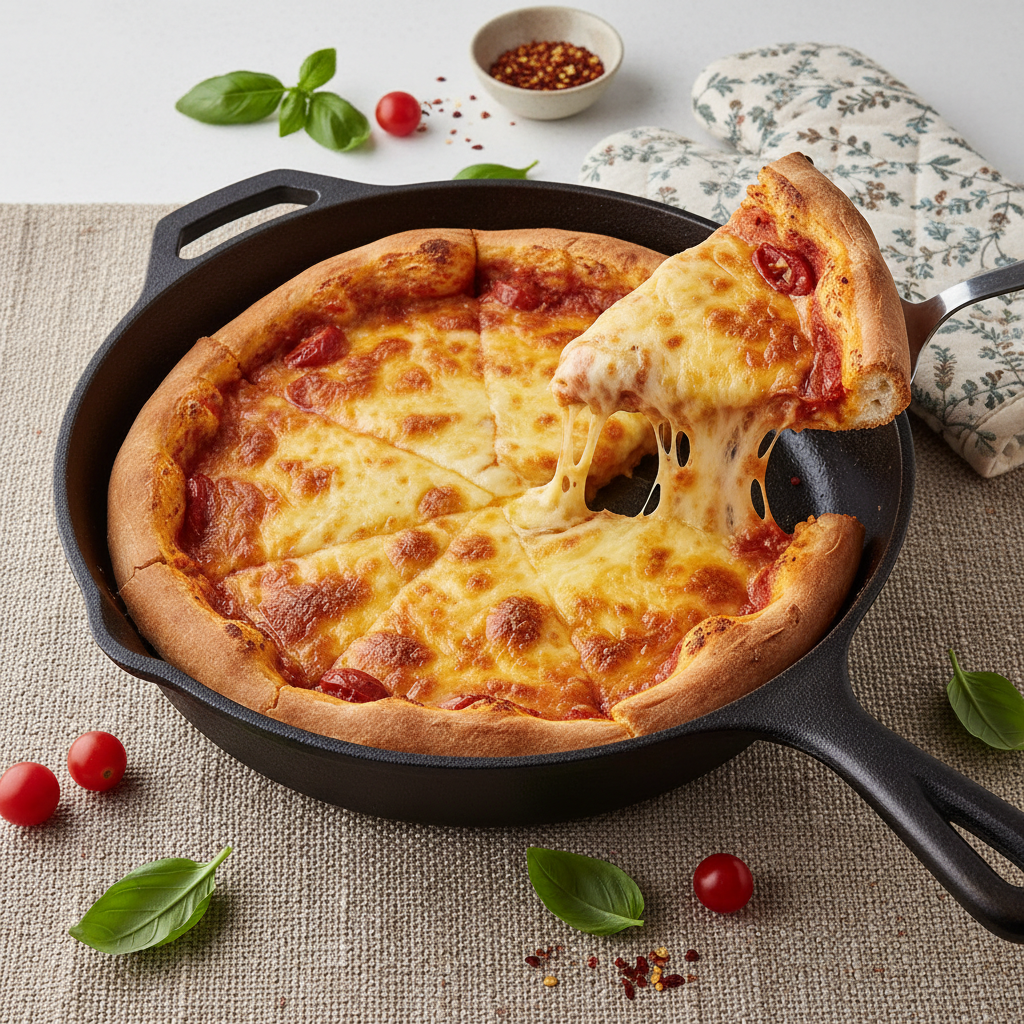
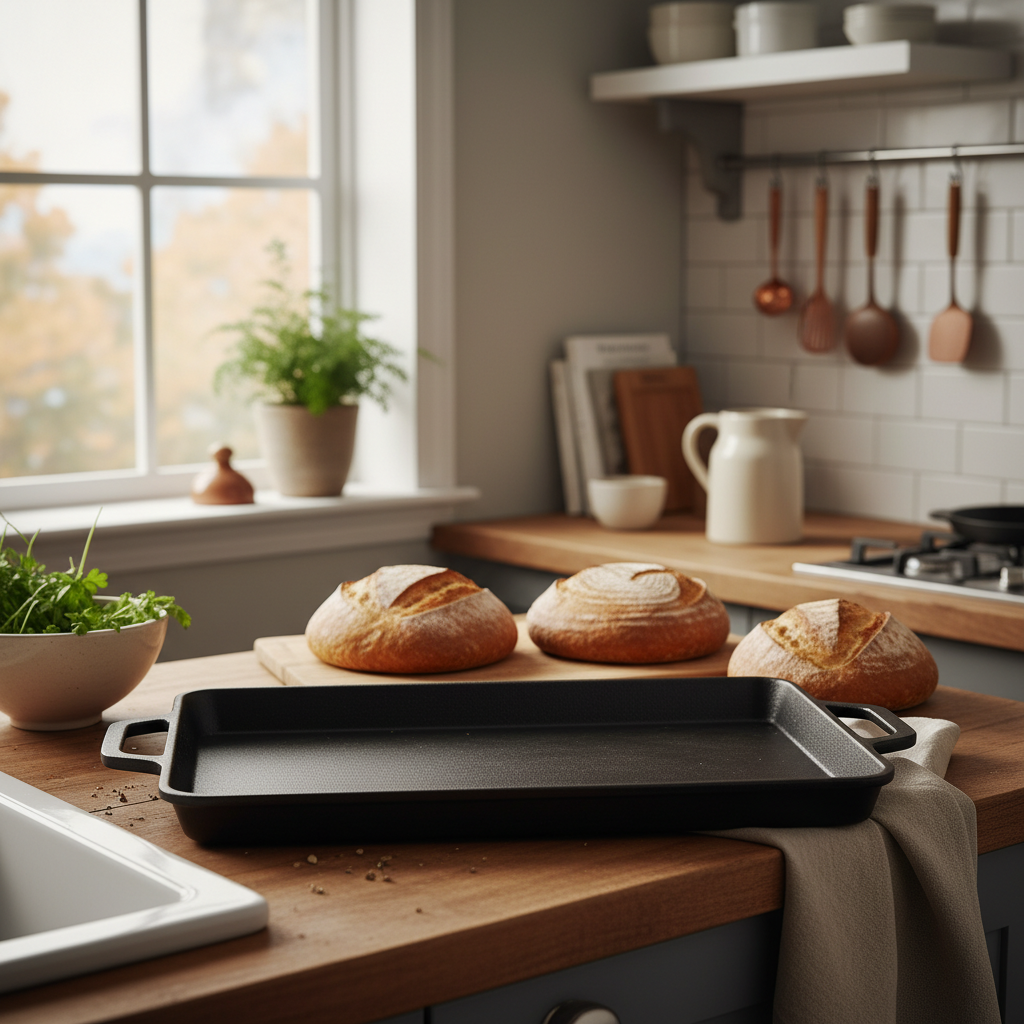
The culinary world has seen a resurgence in traditional cookware, and the pan pizza skillet stands at the intersection of heritage and modern gastronomy. By utilizing the superior heat retention properties of heavy-duty metals, these skillets allow home cooks to achieve a restaurant-quality "deep dish" crust that is nearly impossible to replicate in standard baking sheets.
Understanding the mechanics of a pan pizza skillet is essential for anyone looking to master the art of the Maillard reaction. The ability of the metal to distribute heat evenly across the bottom and sides of the pan ensures that the dough fries slightly in the oil, creating a golden-brown, crispy exterior while maintaining a light, airy interior.
Globally, the demand for versatile, long-lasting kitchenware has driven manufacturers to refine the metallurgy of the pan pizza skillet. From the professional kitchens of Chicago to artisanal pizzerias in Europe, these tools are prized for their durability and their capacity to move seamlessly from the stovetop to the high-heat environment of an oven.
The Engineering Behind the Pan Pizza Skillet
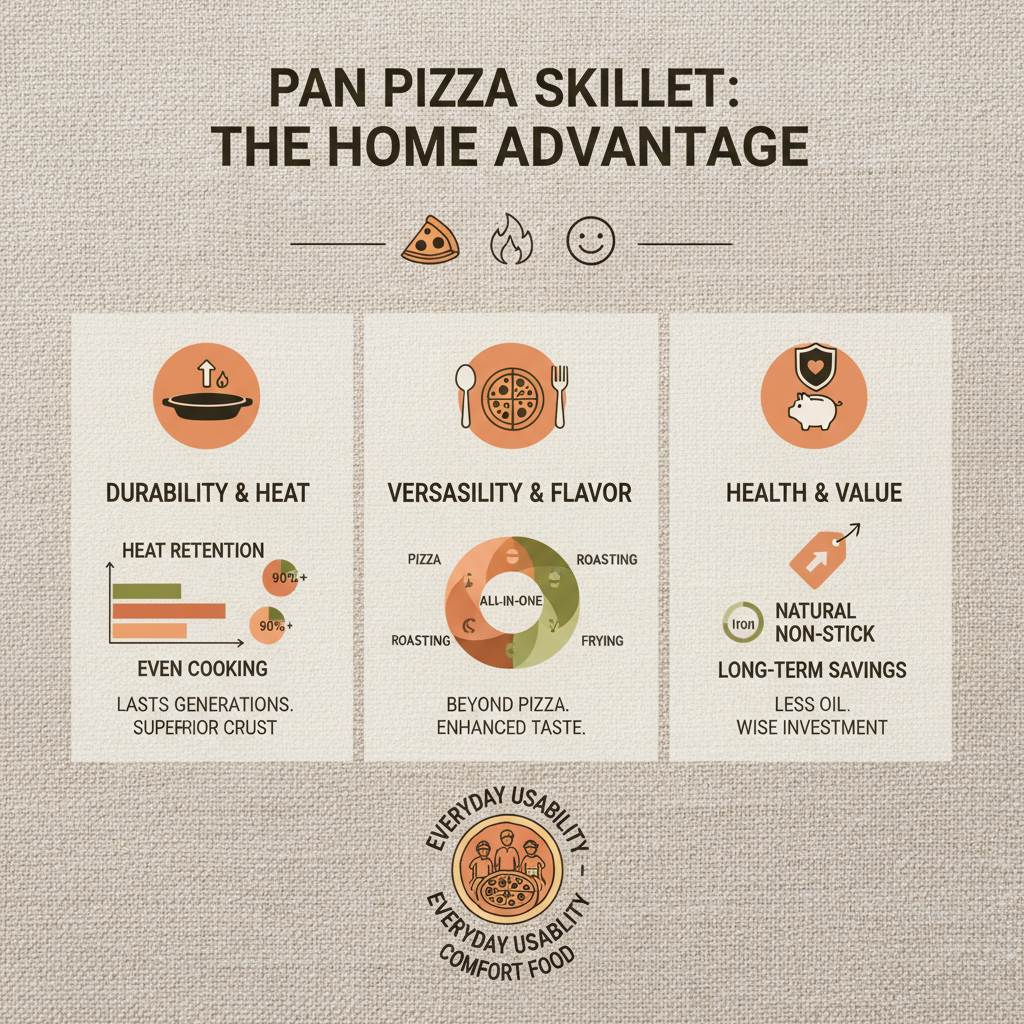
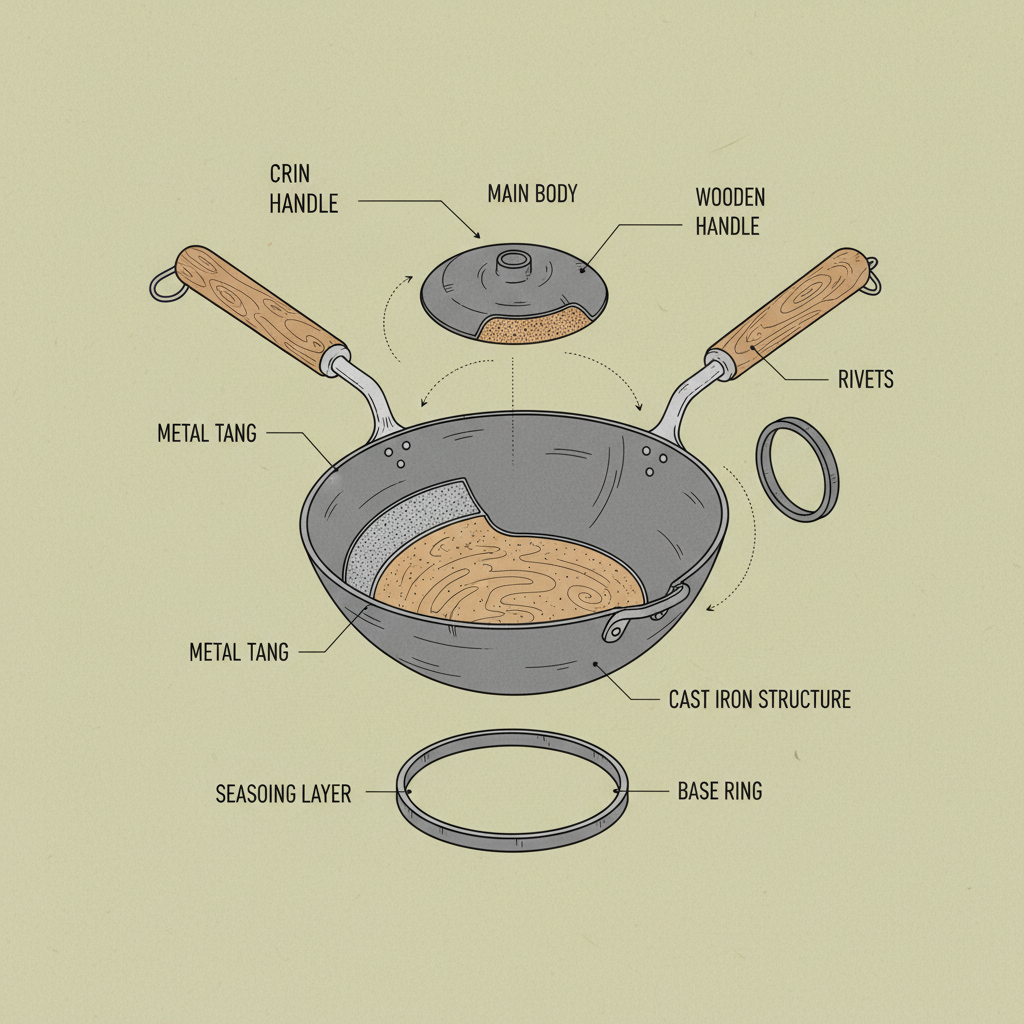
The fundamental design of a pan pizza skillet focuses on thermal mass. Unlike thin aluminum pans, a heavy-duty cast iron or carbon steel skillet absorbs a significant amount of energy, which it then releases steadily into the dough. This prevents the common problem of "hot spots" that lead to unevenly charred crusts.
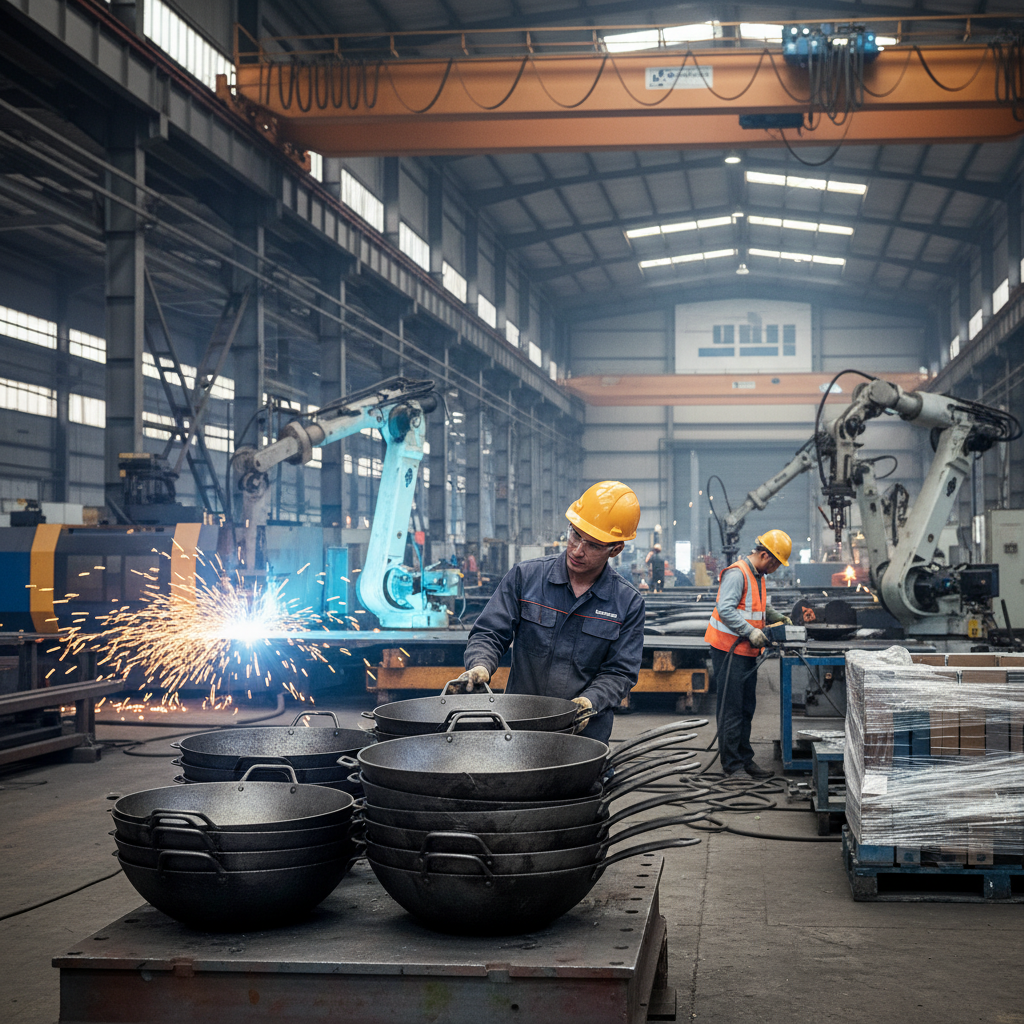
From a manufacturing perspective, the geometry of the skillet—specifically the angle of the walls and the flatness of the base—is engineered to maximize surface contact with the oven rack and heat source. This precision ensures that the heat penetrates the center of the pizza as efficiently as the edges, resulting in a consistent bake.
Global Demand and Market Context
The global cookware market has shifted toward "slow living" and artisanal cooking, leading to a spike in the popularity of the pan pizza skillet. According to industry trends aligned with ISO quality standards for food-contact materials, consumers are increasingly rejecting non-stick coatings in favor of natural seasoning and long-term durability.
In North America and Europe, the rise of the "home chef" movement has turned the skillet into a status symbol of culinary competence. The challenge for manufacturers has been to balance weight with usability, ensuring that while the pan provides the necessary heat mass, it remains manageable for the average user.
Furthermore, the integration of these tools into the global supply chain highlights a move toward sustainable production. Metal products that last for generations reduce the environmental footprint compared to disposable or short-lived synthetic cookware, aligning with global sustainability goals.
Material Composition and Thermal Conductivity
When analyzing a pan pizza skillet, the choice of material determines the final texture of the crust. Cast iron is the gold standard for heat retention, making it ideal for deep-dish styles that require long bake times at steady temperatures.
Carbon steel is another prominent material used in the pan pizza skillet, offering a middle ground between the responsiveness of aluminum and the heat storage of cast iron. It allows for faster preheating and a more responsive temperature control on the stove.
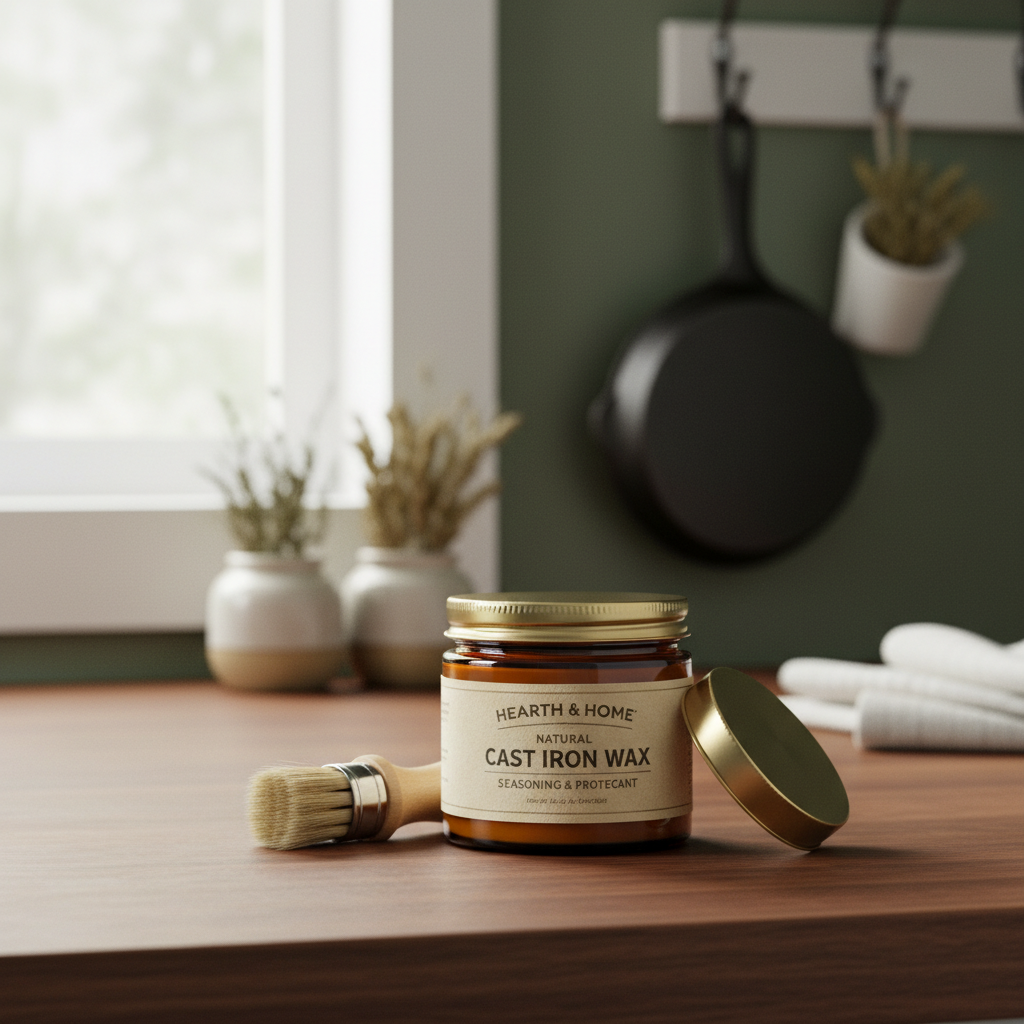
The interaction between the metal surface and the fats used in the recipe creates a natural non-stick layer through polymerization. This process, essential for any high-quality pan pizza skillet, enhances the flavor profile of the bread by adding a subtle, seasoned depth.
Performance Metrics of Different Skillet Types
To determine the efficiency of a pan pizza skillet, we evaluate several key performance indicators: heat distribution, crust crispness, durability, and ease of maintenance. Different materials yield vastly different results depending on the pizza style.
For instance, while cast iron excels in heat retention, it takes longer to reach temperature. In contrast, carbon steel offers a faster ramp-up time. The following data illustrates how various skillet configurations perform across these critical culinary dimensions.
Comparative Performance of Pan Pizza Skillet Variants
Professional Applications in Commercial Kitchens
In high-volume commercial environments, the pan pizza skillet is utilized not just for baking, but for "par-baking" processes. Professional chefs use these skillets to sear the bottom of the crust on a high-heat range before transferring them to a conveyor oven, ensuring a perfect crunch.
Beyond the pizzeria, hotels and resorts in remote industrial zones use heavy-duty skillets because of their versatility. A single pan pizza skillet can function as a frying pan, a baking dish, and a searing tool, reducing the amount of equipment needed in compact kitchen spaces.
Long-term Value and Sustainability
The primary advantage of investing in a high-quality pan pizza skillet is its lifecycle. Unlike teflon-coated pans that degrade and release toxins at high temperatures, a metal skillet actually improves with age. The process of seasoning creates a biological and chemical bond that enhances food release over decades of use.
From an economic standpoint, the cost-per-use of a professional-grade skillet is negligible. While the initial investment is higher than that of a disposable aluminum tray, the reliability and safety of the material provide peace of mind and consistent results.
Furthermore, the sustainability aspect cannot be overlooked. Recyclable metals and the absence of synthetic coatings mean that the pan pizza skillet is a cornerstone of the "zero-waste" kitchen movement, promising a lifetime of service without contributing to landfill waste.
Future Innovations in Metal Cookware
The evolution of the pan pizza skillet is now leaning toward hybrid metallurgy. Engineers are experimenting with copper-core cast iron to combine the extreme heat retention of iron with the rapid thermal response of copper, allowing for even more precise crust control.
Digital transformation is also touching the cookware industry. Smart sensors integrated into oven racks can now communicate with the thermal properties of a pan pizza skillet to automatically adjust temperatures, ensuring the perfect bake regardless of the dough's moisture content.
Additionally, the move toward green energy is influencing the manufacturing process. Foundries are adopting induction-friendly materials and carbon-neutral smelting techniques, ensuring that the production of every pan pizza skillet is as eco-friendly as its use in the kitchen.
Comparison of Advanced Metal Alloys for Pizza Skillets
| Material Type |
Heat Distribution |
Durability Score |
Maintenance Level |
| Classic Cast Iron |
Moderate (High Mass) |
10/10 |
High (Seasoning) |
| Carbon Steel |
High (Fast Response) |
9/10 |
Moderate |
| Enameled Iron |
Even (Coated) |
8/10 |
Low (Easy Clean) |
| Copper-Core Iron |
Excellent (Hybrid) |
7/10 |
High |
| Hard-Anodized Alum |
Very Even |
6/10 |
Low |
| Titanium Alloy |
Moderate |
10/10 |
Very Low |
FAQS
A pan pizza skillet has significantly higher thermal mass, meaning it holds onto heat much better than a thin sheet. This allows the pan to "fry" the bottom of the crust in oil or butter, creating a crisp, golden-brown base that a flat sheet cannot achieve.
Yes, if you are using cast iron or carbon steel. Seasoning involves baking oil into the metal to create a natural non-stick surface. This not only prevents the pizza dough from sticking but also protects the metal from oxidation and rust over time.
Most cast iron and carbon steel pan pizza skillets are ferromagnetic and work perfectly on induction stoves. However, ensure the bottom is flat to maximize the connection with the induction surface for efficient heating.
Avoid using harsh soaps or abrasive scrubbers. Instead, use hot water and a nylon brush. For stubborn bits, a coarse salt scrub is highly effective. Always dry the skillet immediately and apply a thin layer of oil to maintain the protective seal.
While heavier, the weight is what provides the professional results. For those who find cast iron too cumbersome, a carbon steel pan pizza skillet offers similar heat properties with a lighter overall feel, making it a great alternative for frequent use.
Absolutely. One of the biggest advantages of metal skillets is their extreme heat tolerance. They can easily handle the high temperatures required for authentic Neapolitan or Chicago-style pizzas without warping or releasing chemicals.
Conclusion
The pan pizza skillet is more than just a piece of cookware; it is a precision tool that bridges the gap between home cooking and professional culinary arts. By leveraging the physics of thermal mass and the durability of high-grade metals, these skillets provide an unmatched ability to create the perfect crust, ensuring a consistent and delicious result every time.
As we move toward a future of sustainable and conscious consumption, investing in timeless metalware is a logical choice. Whether you are a professional chef or a passionate home cook, adopting the right pan pizza skillet will elevate your kitchen's capabilities for a lifetime. Visit our website for more professional solutions: www.foundryasia.com