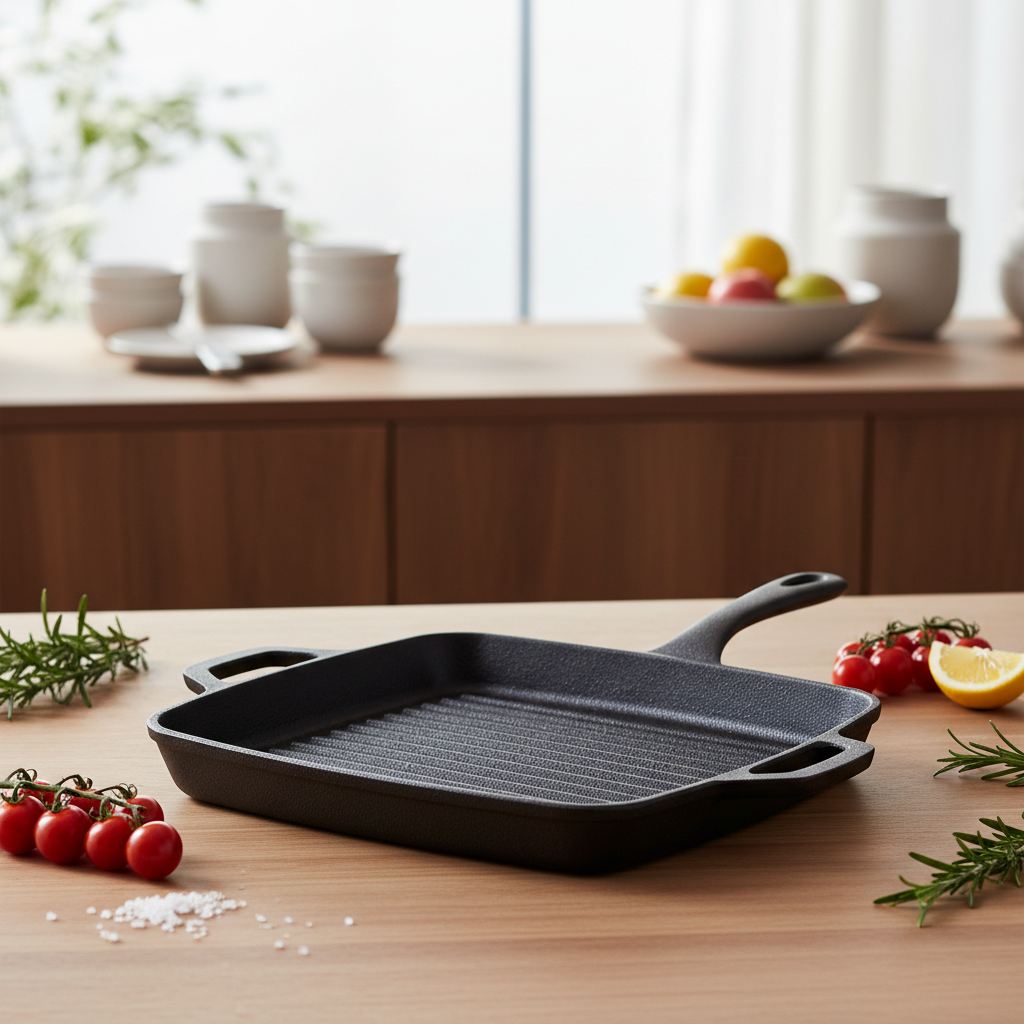
The culinary world has long revered the versatility of cast iron, but the big cast iron wok stands as a pinnacle of this tradition, merging ancient cooking techniques with modern industrial precision. For chefs and home cooks alike, the ability to manage high heat across a large surface area is essential for achieving the coveted "wok hei" or "breath of the wok," which imparts a complex, smoky charred flavor to stir-fries.
Globally, the demand for high-capacity cookware has surged as professional catering and large-family gatherings become more frequent. A big cast iron wok provides the necessary thermal mass to prevent temperature drops when adding large quantities of cold ingredients, ensuring that food is seared rather than steamed. This efficiency is not just a matter of taste but a matter of professional timing and consistency.
Understanding the metallurgical properties and the maintenance of these oversized vessels is crucial for maximizing their lifespan. From the selection of the iron grade to the intricate process of seasoning, the big cast iron wok represents a marriage of durability and performance that synthetic non-stick alternatives simply cannot replicate.
The Industrial Engineering of a Big Cast Iron Wok
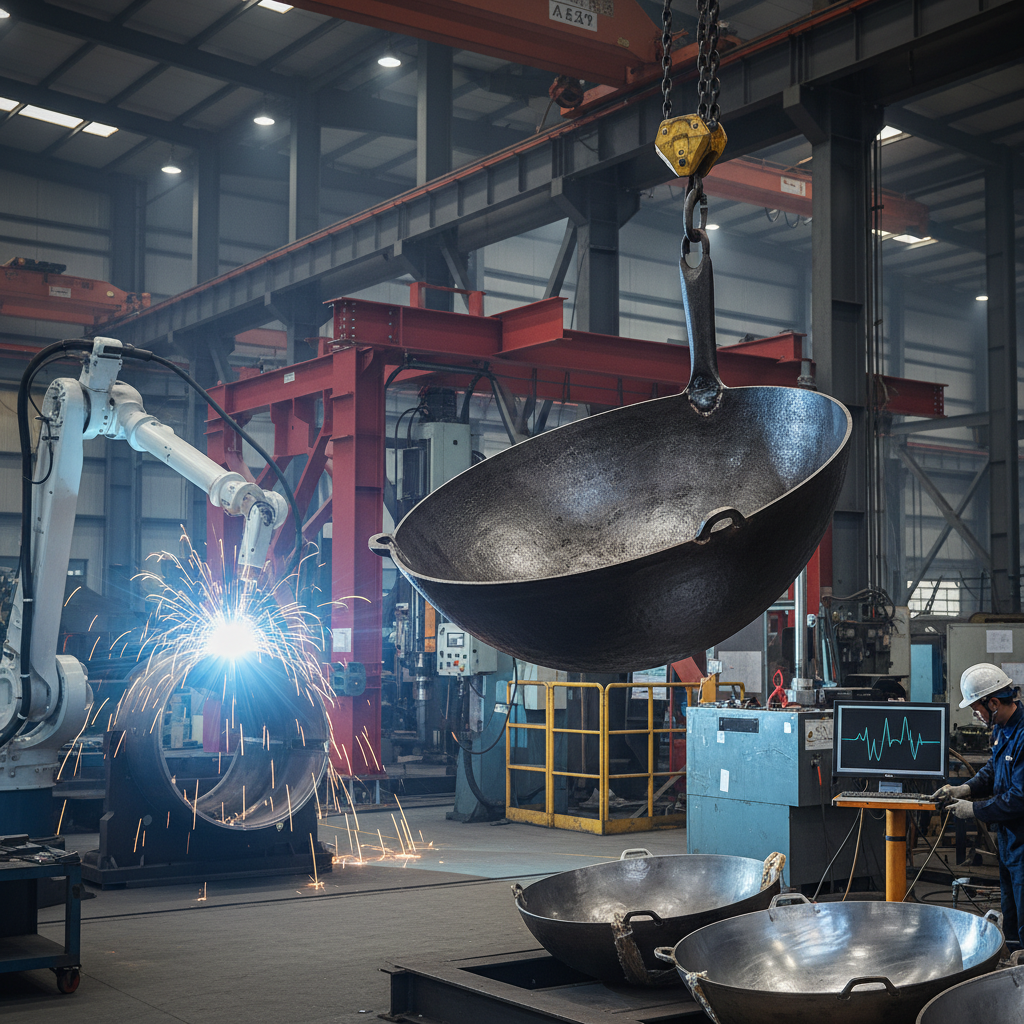
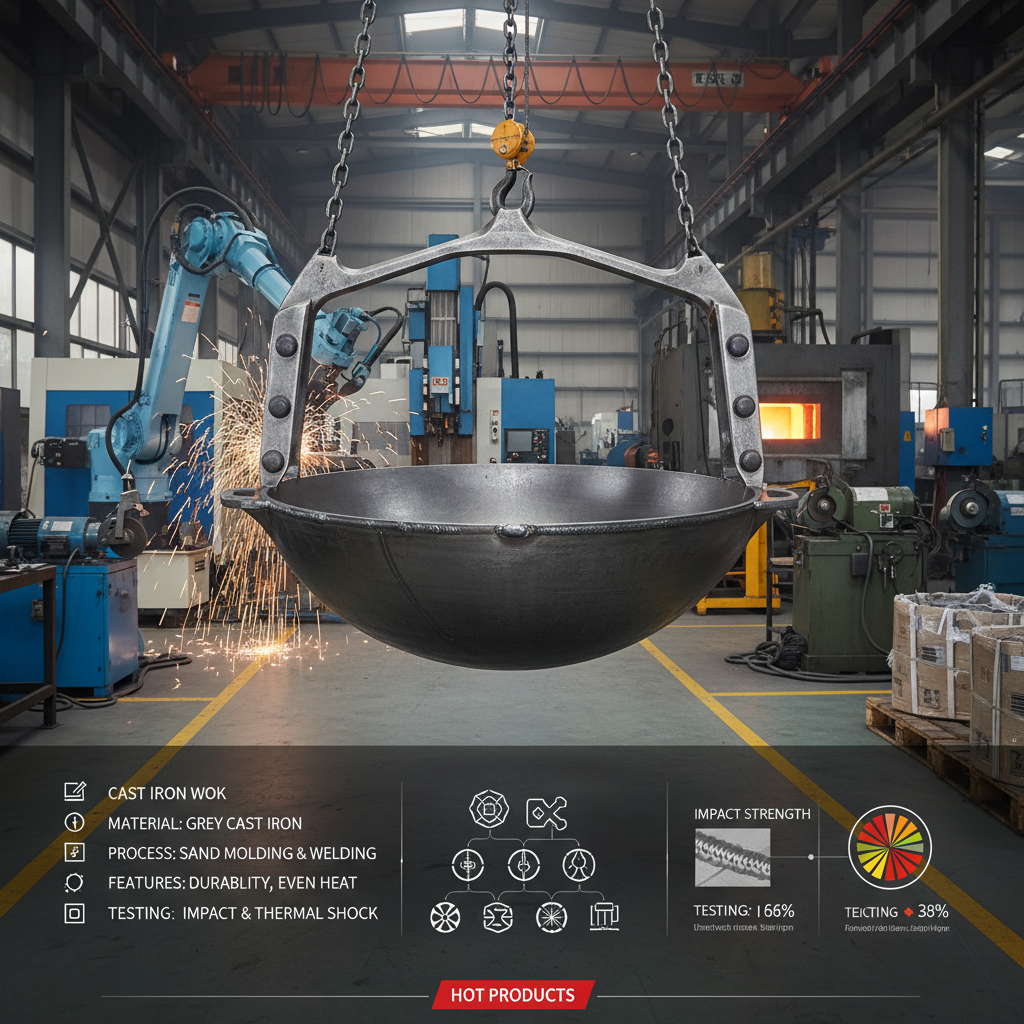
Manufacturing a big cast iron wok requires a deep understanding of molten metal flow and cooling rates. Unlike smaller pans, the large volume of iron in a big wok must be cast with extreme precision to avoid internal stresses or air pockets (porosity) that could lead to cracking under the intense heat of a commercial burner. The mold design must ensure a uniform wall thickness from the base to the rim, facilitating even heat distribution.
Beyond the casting process, the surface finish plays a pivotal role. Industrial-grade woks undergo rigorous polishing and pre-seasoning processes. By applying high-smoke-point oils at controlled temperatures, manufacturers create a polymerised layer that provides the initial non-stick properties and protects the iron from oxidation, ensuring the big cast iron wok is ready for high-volume use immediately upon delivery.
Global Market Relevance and Thermal Dynamics
In the global cookware market, the shift toward authentic, high-heat cooking has placed the big cast iron wok at the center of professional kitchen upgrades. According to industry trends, there is a growing preference for materials that offer high emissivity and thermal inertia. This is particularly evident in the Asia-Pacific region and North America, where fusion cuisine demands tools that can transition from searing to simmering seamlessly.
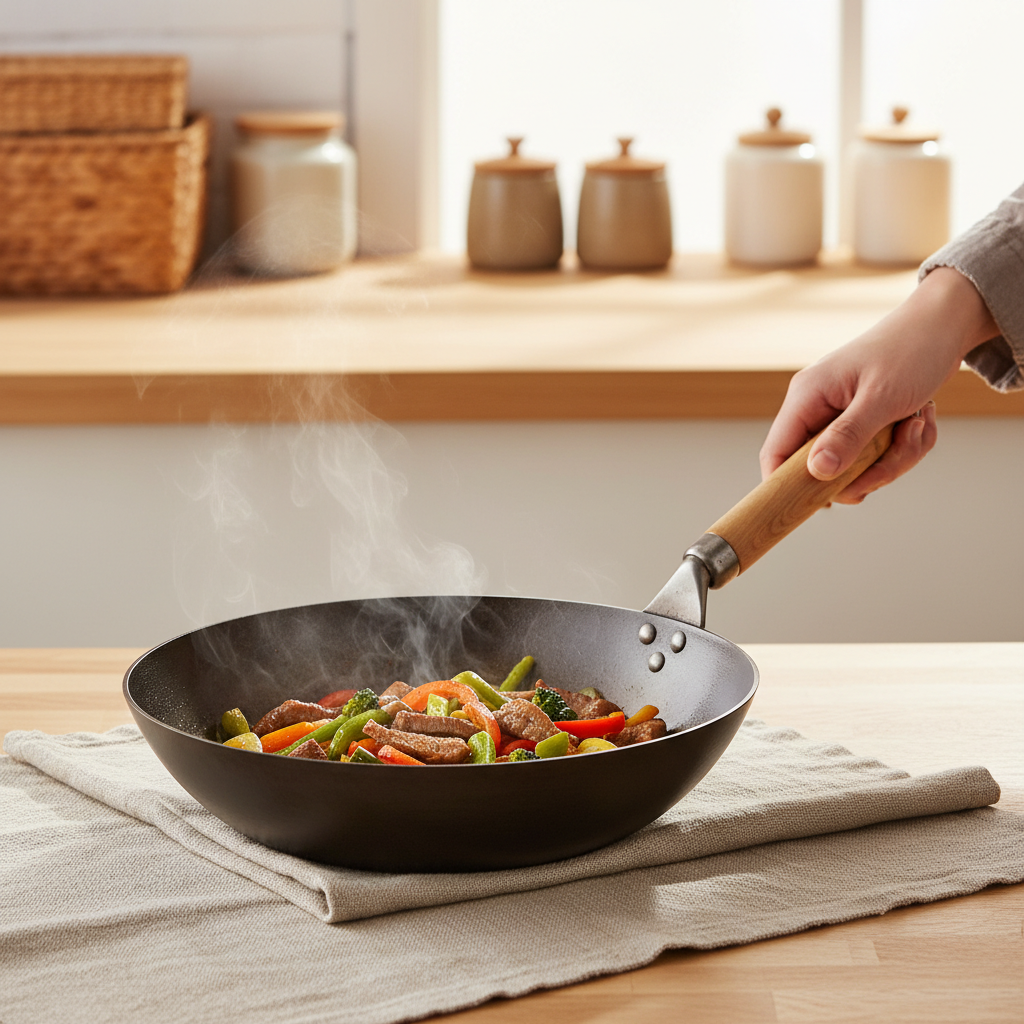
The primary challenge addressed by the big cast iron wok is "thermal recovery time." In a busy kitchen, adding two kilograms of chilled vegetables to a thin carbon steel wok can cause the temperature to plummet, leading to soggy produce. Cast iron's superior heat retention ensures that the surface remains hot, maintaining the sear and preserving the texture of the ingredients.
Furthermore, the ISO standards for food-contact materials emphasize the safety and longevity of iron cookware. As consumers move away from PFAS-coated non-stick pans due to health concerns, the natural, chemical-free seasoning of a big cast iron wok offers a sustainable and health-conscious alternative that actually improves with age and use.
Defining the Standard of High-Capacity Cast Iron
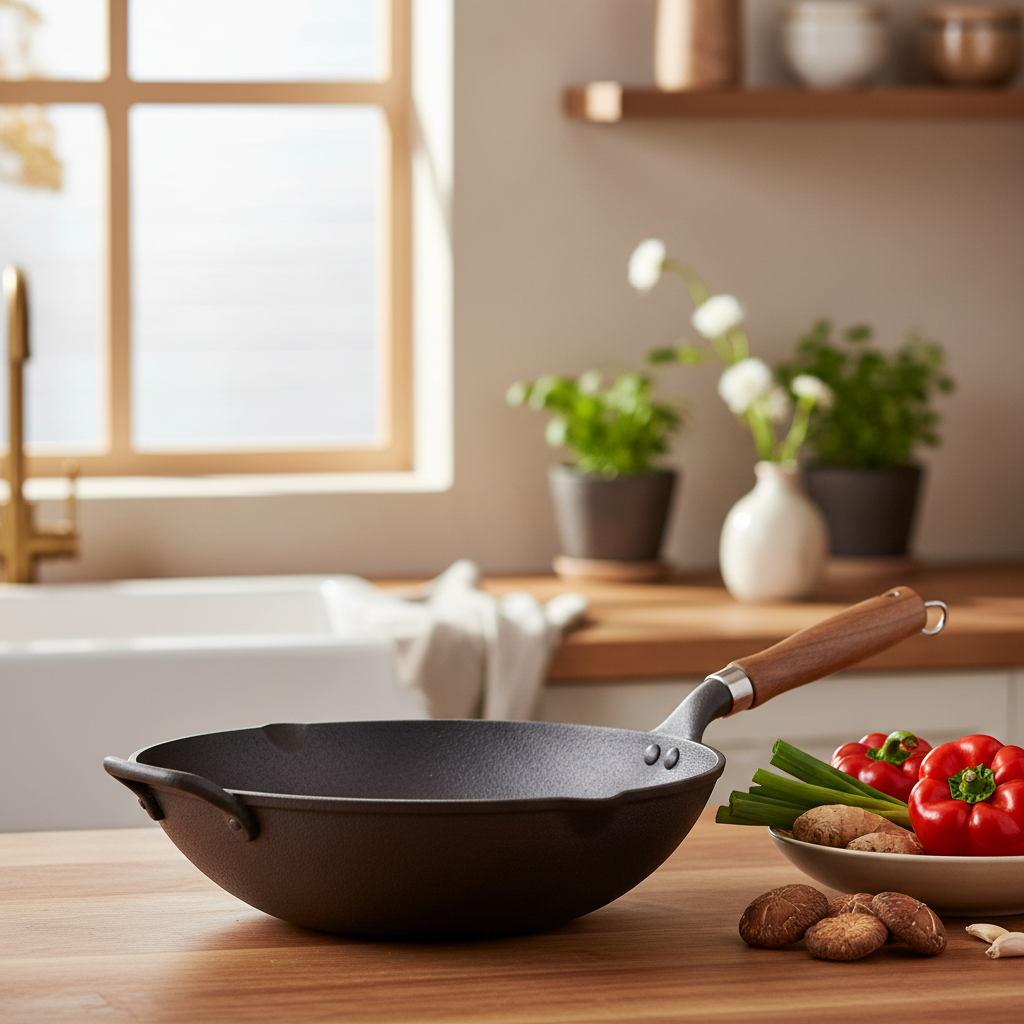
A big cast iron wok is defined not just by its diameter—typically exceeding 14 inches—but by its ability to distribute heat across a concave geometry. This design concentrates heat at the bottom while allowing for a gradual temperature gradient toward the sides, which is essential for the "tossing" technique used in stir-frying.
From an industrial perspective, the big cast iron wok serves as a critical tool for humanitarian food programs and large-scale community feeding. Its durability means it can be used over open fires or industrial gas ranges in remote areas without the risk of warping, making it an indispensable asset in disaster relief kitchens.
Modern iterations of the big cast iron wok often incorporate ergonomic handles and reinforced bases to accommodate the significant weight of the vessel when full. This evolution ensures that the tool remains manageable for the chef while maintaining the rugged characteristics of traditional ironware.
Core Performance Factors and Efficiency
The efficiency of a big cast iron wok is measured by its thermal conductivity and its capacity for heat storage. When comparing different manufacturing methods, the density of the iron determines how well the wok resists hotspots. A high-quality cast iron structure ensures that the heat spreads evenly, reducing the risk of burning food in one spot while leaving other areas undercooked.
Moreover, the scalability of these tools allows professional kitchens to increase output without sacrificing quality. By utilizing a big cast iron wok, a chef can prepare larger portions in a single batch, reducing energy consumption and labor time per dish.
Performance Comparison of Big Cast Iron Wok Variants
Commercial Applications in Global Gastronomy
In the realm of high-volume catering, the big cast iron wok is used extensively for banquet cooking. Its ability to handle large loads of protein and vegetables simultaneously makes it the gold standard for hotel kitchens and event catering. In these environments, the reliability of the material ensures that the wok will not warp under the extreme heat of high-BTU commercial burners.
Beyond the commercial kitchen, we see the application of the big cast iron wok in outdoor festivals and street food markets across Southeast Asia and beyond. The sheer robustness of the iron allows these vessels to be used over charcoal or wood fires, where temperature control is manual and imprecise, yet the thermal mass of the iron stabilizes the heat.
Long-Term Value and Sustainability Benefits
From a financial perspective, investing in a big cast iron wok is a move toward lifetime sustainability. Unlike non-stick pans that require replacement every few years as the coating degrades, a cast iron wok can last for generations. This longevity significantly reduces the environmental footprint associated with the production and disposal of consumer cookware.
Logically, the value lies in the "seasoning" process. As the big cast iron wok is used, it develops a natural carbonized layer that increases its non-stick capabilities and adds a depth of flavor to the food. This organic evolution creates a bond between the chef and the tool, where the equipment actually becomes more efficient over time.
Emotionally, there is a sense of trust and dignity in using professional-grade tools. The weight and feel of a big cast iron wok signal a commitment to quality and tradition. For many culinary professionals, the wok is not just a piece of metal, but a reliable partner in the pursuit of gastronomic excellence.
Future Innovations in Cast Iron Metallurgy
The future of the big cast iron wok lies in the optimization of alloys to reduce weight without compromising heat retention. Research into silicon-carbide additions and advanced casting techniques is allowing manufacturers to create walls that are thinner yet stronger, making the "big" wok more accessible to a wider range of users.
Digital transformation is also hitting the foundry. Automated precision pouring and 3D-printed sand molds are enabling the production of big cast iron wok designs with optimized heat-flow channels. This ensures that even the largest woks have zero cold spots, maximizing fuel efficiency and cooking speed.
Sustainability is driving the shift toward "green foundries," where recycled scrap iron is purified and reused to create new cookware. This circular economy approach ensures that the big cast iron wok remains an eco-friendly choice for the next century of cooking.
Technical Analysis of Big Cast Iron Wok Material Variations
| Material Grade |
Thermal Mass |
Durability Score |
Maintenance Level |
| Grey Cast Iron |
Very High |
9/10 |
Medium |
| Ductile Iron |
High |
10/10 |
Low |
| Enameled Iron |
Medium |
7/10 |
Very Low |
| Pre-seasoned Grade A |
High |
9/10 |
Medium |
| Recycled Industrial Iron |
High |
8/10 |
Medium |
| Alloy-infused Iron |
Medium |
8/10 |
Low |
FAQS
The primary advantage is thermal mass. A big cast iron wok retains heat far better than stainless steel, meaning when you add large quantities of food, the pan doesn't cool down instantly. This allows for the high-temperature searing necessary for authentic "wok hei," whereas stainless steel often leads to steaming and moisture release from the food.
Start by scrubbing the wok to remove any factory residue. Apply a very thin layer of high-smoke-point oil (like grapeseed or peanut oil) to the entire surface. Heat the wok until the oil just begins to smoke, then let it cool slightly and repeat the process 3-5 times. This creates a hard, polymerized layer that prevents rust and provides a natural non-stick surface.
While heavier than carbon steel, the weight is what provides the superior heat retention. To make it more manageable, we recommend using a wok with sturdy helper handles or a wok ring that stabilizes the vessel on the stove. Once you experience the cooking quality, the weight becomes a secondary concern to the performance.
Modern dish soaps are generally mild enough not to strip the chemically bonded seasoning. However, avoid soaking the wok in water or putting it in the dishwasher, as this will cause instant oxidation (rust). The best method is a warm water rinse with a brush, followed by immediate drying on the stove and a light wipe of oil.
If you notice food sticking more than usual, or if the surface looks dull, grey, or develops small rust spots, it is time to re-season. Simply scrub away the rust with steel wool, apply oil, and heat it until it smokes. Regular use with oil is the best way to maintain the seasoning naturally.
Yes, since cast iron is ferromagnetic, it works perfectly with induction. However, because of the curved bottom, you may need a wok-specific induction burner or a flat-bottomed version of the big cast iron wok to ensure maximum surface contact and efficient energy transfer.
Conclusion
The big cast iron wok remains an unparalleled tool in the culinary arsenal, offering a unique combination of thermal stability, industrial durability, and long-term sustainability. By mastering the art of heat management and the science of seasoning, users can unlock a level of cooking precision that is impossible with modern synthetic coatings. Whether used in a high-pressure commercial kitchen or for large family gatherings, the value of this vessel lies in its ability to evolve with the chef, growing more effective with every meal prepared.
As we look toward the future, the integration of advanced metallurgy and green manufacturing will only enhance the accessibility and efficiency of these tools. We encourage culinary professionals and enthusiasts to invest in high-quality cast iron to ensure consistency, health, and longevity in their cooking practices. Explore our professional range today and elevate your culinary output. Visit our website: www.foundryasia.com