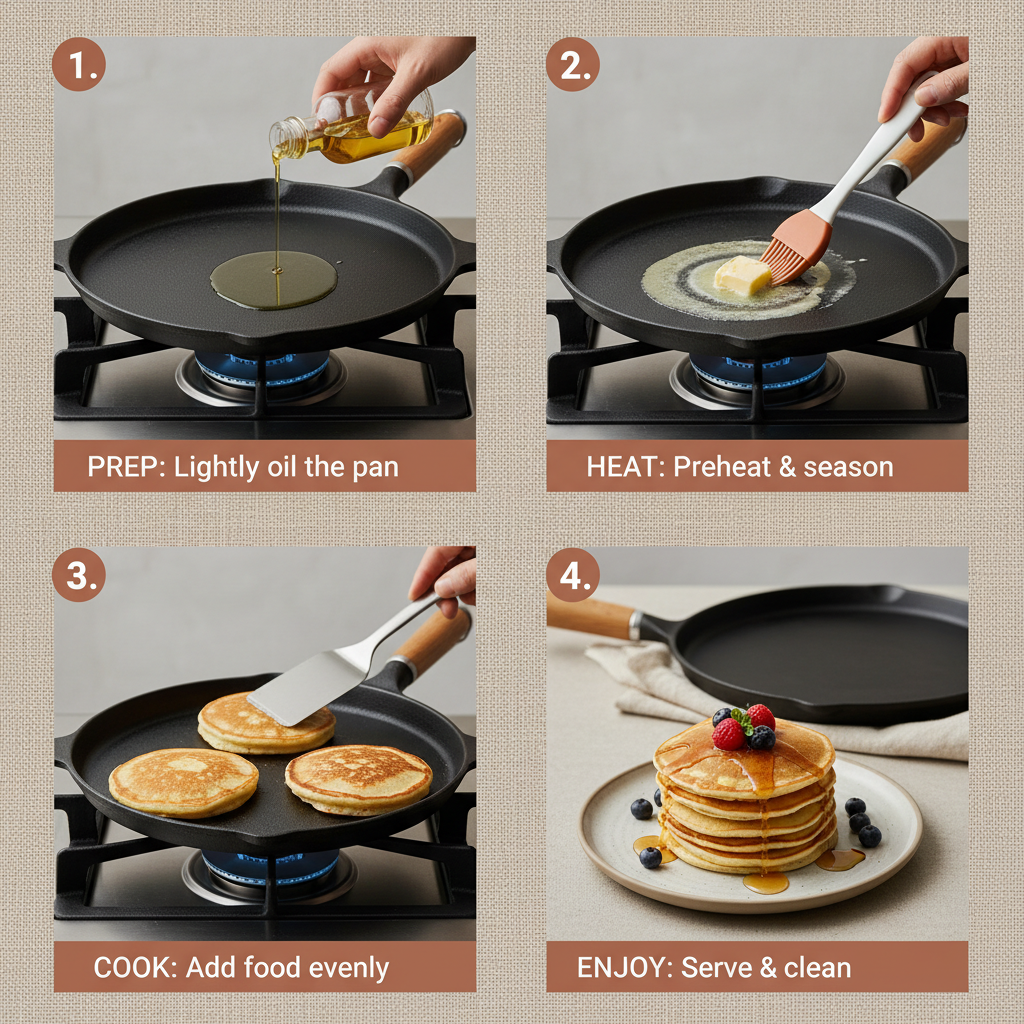
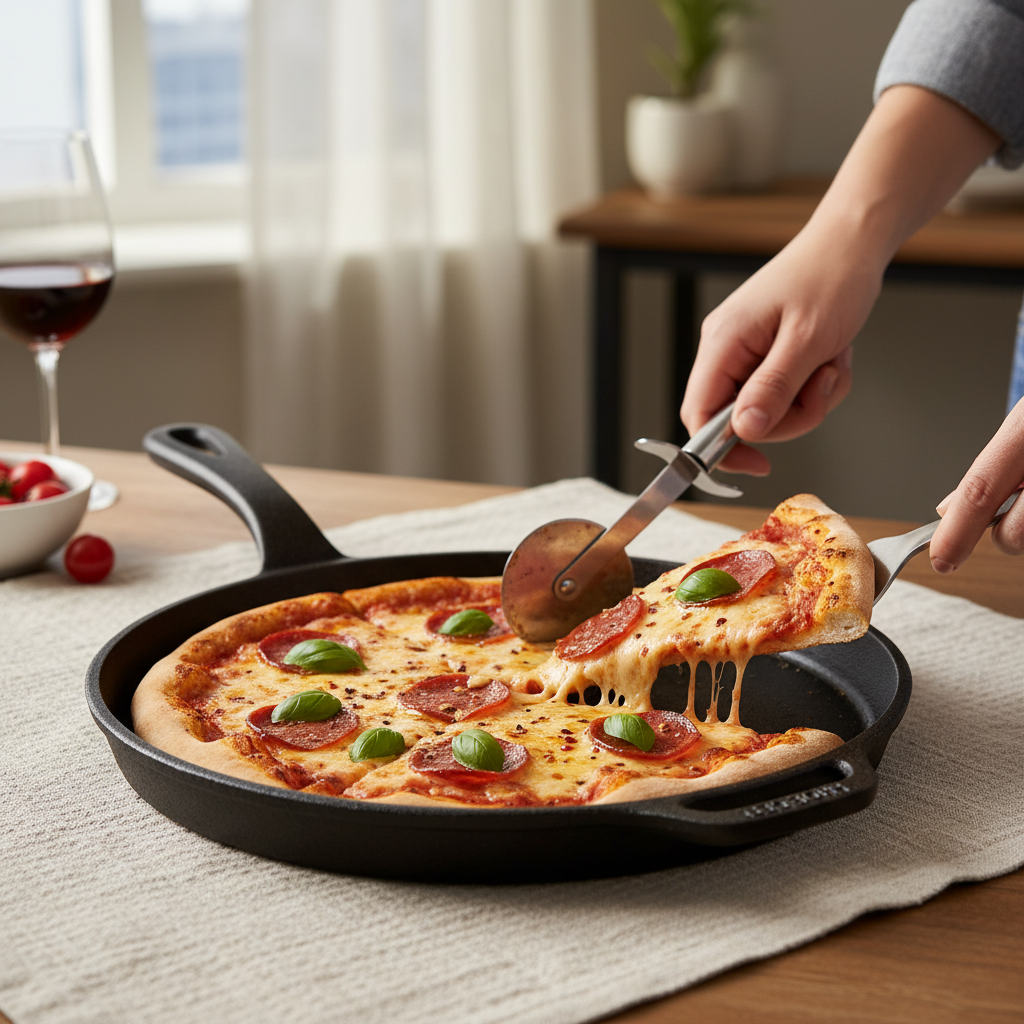
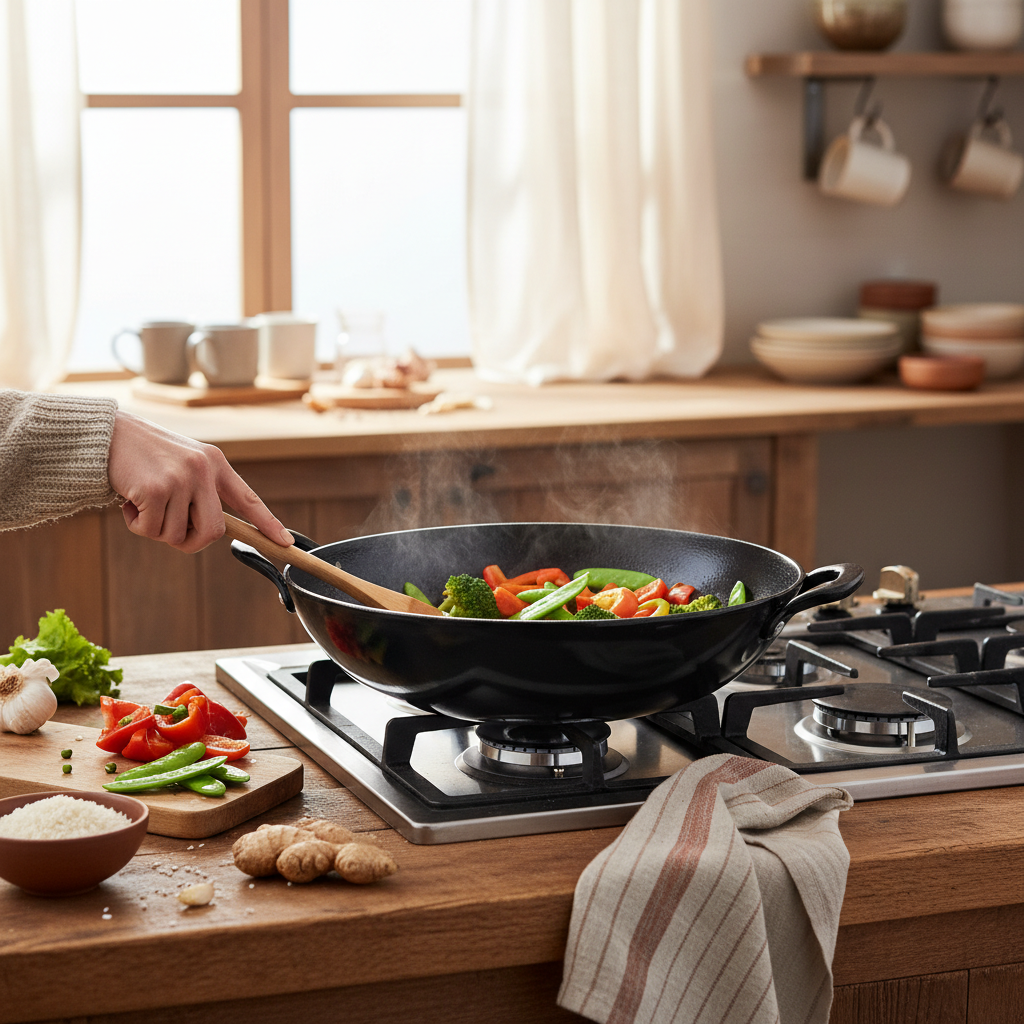
The culinary world has seen a resurgence in traditional cookware, with the round griddle pan emerging as a cornerstone for both professional chefs and home cooking enthusiasts. Unlike standard frying pans, the round griddle provides a vast, flat surface area that optimizes heat distribution, making it an indispensable tool for searing, sautéing, and pancake making. Understanding the nuances of this tool is key to unlocking consistent, restaurant-quality results in any kitchen setting.
Across the globe, the demand for high-performance metal cookware is driven by a shift toward sustainable, long-lasting materials. The round griddle pan, particularly those crafted from cast iron or heavy-gauge forged steel, addresses the modern need for durability while offering the thermal mass required for high-heat applications. As consumers move away from disposable non-stick coatings, the timeless appeal of a well-seasoned griddle becomes evident.
Whether you are preparing a traditional French crepe or searing thick cuts of meat, the geometry and material science behind the round griddle pan ensure that heat is maintained even when cold food is added to the surface. This prevents the dreaded "temperature drop" that often leads to steaming rather than searing, ensuring a perfect Maillard reaction every time.
The Fundamental Engineering of a Round Griddle Pan
The design of a round griddle pan is rooted in the physics of heat conduction. By utilizing a circular geometry, the pan minimizes "dead zones" and ensures that heat radiates evenly from the center to the edges. This is particularly critical in metal fabrication, where the thickness of the base must be precisely calibrated to prevent warping under extreme temperature fluctuations.
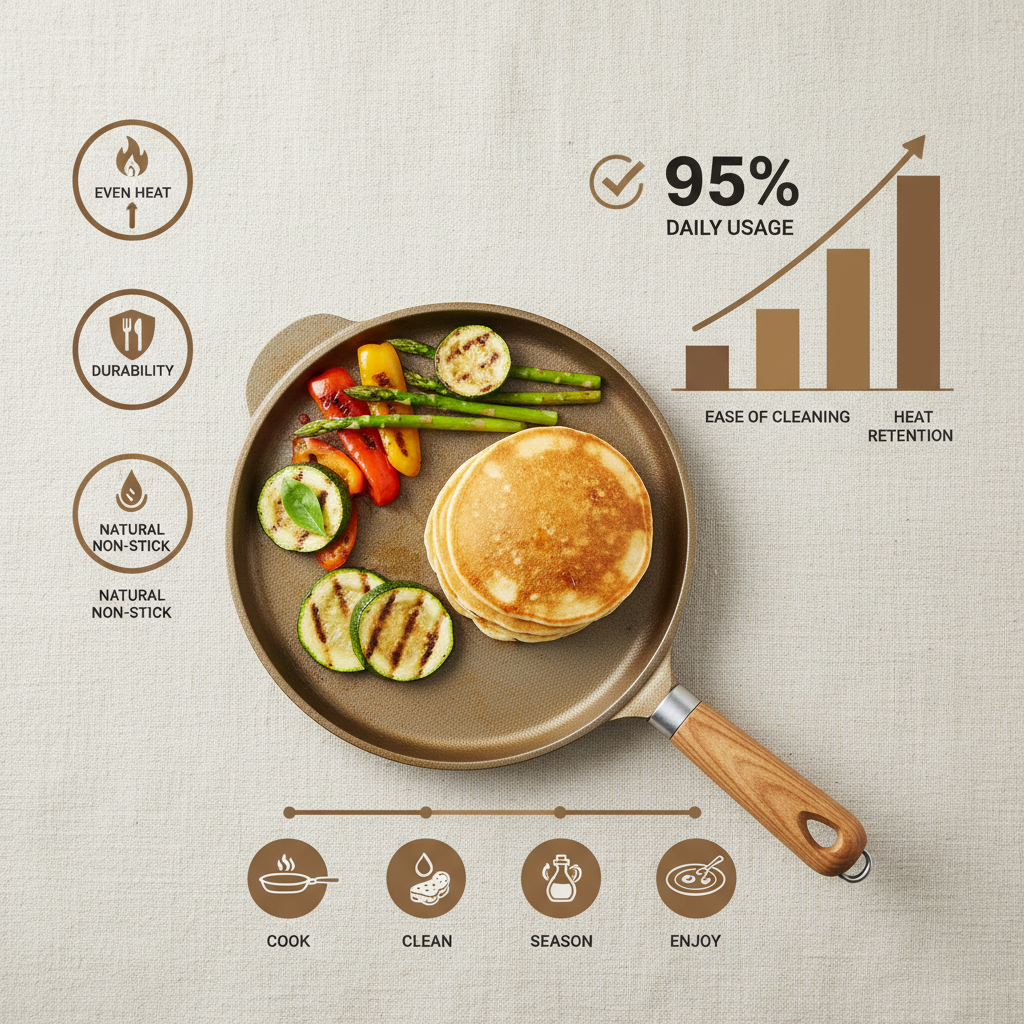
Furthermore, the ergonomic integration of handles and the specific curvature of the side walls allow for efficient fat drainage and ease of movement. High-quality round griddles often incorporate a heavy-duty casting process that eliminates porosity, ensuring the surface remains smooth and capable of developing a natural, non-stick patina over time.
Global Market Demand and Culinary Relevance
From an industrial perspective, the global market for specialized metal cookware has seen a steady climb, with ISO standards guiding the quality of materials used in the production of the round griddle pan. As urban populations grow and "home-chef" culture expands, there is a significant shift toward tools that bridge the gap between commercial kitchen efficiency and residential convenience.
In regions like North America and Europe, the round griddle is prized for its versatility in breakfast preparation, while in Asian markets, it is often adapted for high-heat searing of meats and vegetables. This global versatility has pushed manufacturers to innovate in weight reduction without sacrificing the thermal mass that makes these pans effective.
The primary challenge addressed by the round griddle pan is the inconsistency of heat provided by standard residential stoves. By acting as a thermal reservoir, the pan stabilizes the temperature, allowing users to achieve professional-grade charring and browning that would be impossible with thinner, cheaper alternatives.
Essential Material Properties for Thermal Efficiency
When analyzing the construction of a round griddle pan, the choice of metal is the most critical factor. Cast iron remains the gold standard due to its exceptional heat retention, which allows the pan to maintain a steady temperature even when large quantities of cold food are introduced.
Beyond simple heat retention, the round griddle pan must possess a specific surface porosity that allows oils to bond with the metal. This process, known as seasoning, creates a polymerized layer of fat that transforms the raw metal into a naturally non-stick surface, enhancing both food release and rust resistance.
Modern metallurgical advancements have also introduced carbon steel as a viable alternative for the round griddle pan. While it heats up faster than cast iron, it requires more diligent maintenance, highlighting the trade-off between rapid responsiveness and long-term thermal stability.
Performance Metrics Across Different Heating Methods
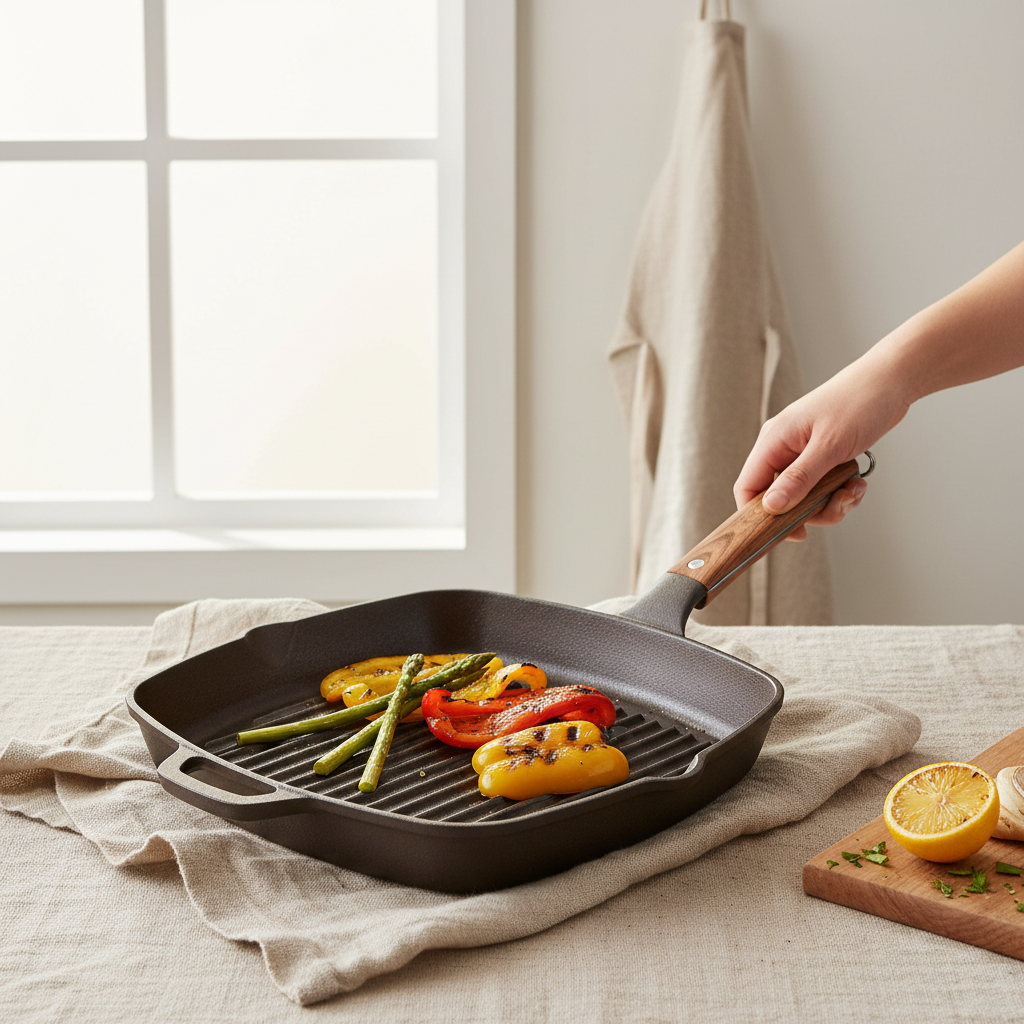
The effectiveness of a round griddle pan varies significantly depending on the heat source. Gas burners provide intense, localized heat that is excellent for creating "hot spots" for searing, whereas induction cooktops offer precise temperature control and extremely rapid heating of the pan's base.
For those using these pans in outdoor settings, such as over charcoal or open flames, the heavy-duty construction of the round griddle prevents the metal from buckling. This reliability makes it a favorite for camping and professional open-fire catering, where consistency is often the hardest variable to control.
Thermal Retention Efficiency of Round Griddle Pan Variations
Versatile Applications in International Cuisines
The versatility of the round griddle pan is best showcased through its use in various global cuisines. In the American South, it is the primary tool for preparing thick pancakes and cornmeal cakes, where the flat surface allows for multiple items to be cooked simultaneously without crowding.
Meanwhile, in Japanese Teppanyaki-style home cooking, the round griddle is used to sear scallops and wagyu beef with precision. The ability to maintain a high, steady heat ensures that the exterior of the food is caramelized quickly while the interior remains juicy, a hallmark of high-end culinary execution.
Maintenance and Longevity Strategies
Longevity is a defining characteristic of a high-quality round griddle pan, but it requires a commitment to proper care. The most critical aspect is the avoidance of caustic detergents that can strip away the seasoned layer. Instead, a simple rinse with warm water and a light coating of oil after each use ensures the pan lasts for generations.
For those dealing with surface rust—a common issue in humid climates—the solution is straightforward: a light scrubbing with steel wool followed by a re-seasoning process in a high-temperature oven. This restorative cycle not only removes oxidation but actually strengthens the protective layer of the metal.
Expert users also recommend "flash seasoning," where a small amount of oil is heated to its smoke point on the round griddle pan before adding food. This creates an immediate temporary barrier that prevents sticking and adds a subtle depth of flavor to the ingredients.
Future Innovations in Metal Griddle Fabrication
The future of the round griddle pan lies in the intersection of traditional craftsmanship and digital manufacturing. We are seeing the rise of CNC-machined bases that ensure absolute flatness, eliminating the slight concave or convex shapes found in older casting methods, which often led to uneven heating.
Furthermore, the industry is exploring "green metallurgy," utilizing recycled scrap iron and carbon-neutral smelting processes to reduce the environmental footprint of cookware production. These sustainable practices ensure that the timeless utility of the griddle does not come at the cost of the planet.
Automation in the seasoning process is another emerging trend. Some manufacturers are now implementing industrial-grade pre-seasoning using vacuum-sealed ovens, meaning a round griddle pan arrives ready for use straight out of the box, lowering the barrier to entry for novice cooks.
Comparative Analysis of Round Griddle Pan Fabrication Technologies
| Fabrication Method |
Heat Distribution |
Durability Score |
Production Cost |
| Traditional Sand Casting |
Moderate |
9/10 |
Low |
| Precision Die Casting |
High |
8/10 |
Medium |
| CNC Forging |
Very High |
10/10 |
High |
| Cold Rolled Pressing |
Low |
6/10 |
Very Low |
| Hybrid Clad Bonding |
Exceptional |
7/10 |
Very High |
| Centrifugal Casting |
High |
9/10 |
Medium |
FAQS
To season a round griddle pan, first wash it with mild soap and dry it completely. Apply a thin layer of high-smoke-point oil (like flaxseed or canola) across the entire surface, wiping away any excess. Place the pan upside down in an oven preheated to 450°F (230°C) for one hour. Allow it to cool completely before repeating the process 2-3 times to build a robust, non-stick patina.
Yes, provided the pan has a flat base. Most cast iron and carbon steel round griddle pans are compatible with induction. However, to avoid scratching the glass surface, we recommend sliding the pan into place rather than dragging it. Ensure the pan is preheated slowly to avoid thermal shock to the cooktop.
The primary difference is the surface geometry. A standard frying pan has sloped sides designed for tossing and reducing liquids. A round griddle pan features a flat, expansive surface designed for maximum contact between the food and the heat source, making it ideal for searing larger items or cooking several small items simultaneously.
While you can cook acidic foods (like tomato sauce) in a well-seasoned round griddle pan, doing so for extended periods can strip the seasoning and introduce a metallic taste. For quick sears, it is perfectly fine, but for long simmering of acidic ingredients, an enameled cast iron version is more appropriate.
The most reliable method is the "water droplet test." Flick a few drops of water onto the surface; if they sizzle and evaporate instantly, the pan is warm. If the droplets dance and glide across the surface like beads of mercury (the Leidenfrost effect), the pan has reached the ideal temperature for searing.
Avoid using steel wool if you want to preserve your seasoning. Instead, use a coarse salt scrub: pour a generous amount of kosher salt on the pan, add a tablespoon of oil, and scrub with a paper towel. For extremely stubborn residue, a chainmail scrubber is an excellent tool that removes debris without stripping the polymerized oil layer.
Conclusion
The round griddle pan represents the perfect synergy of metallurgical durability and culinary flexibility. By mastering its thermal properties—from the initial choice of material to the lifelong process of seasoning—cooks can achieve a level of consistency and quality that modern non-stick alternatives simply cannot match. Its ability to function across diverse heat sources and cuisines makes it an enduring asset in any professional or home kitchen.
As we look toward the future, the integration of sustainable manufacturing and precision engineering will only enhance the value of these tools. Investing in a high-quality metal griddle is not just a purchase, but a commitment to a more sustainable, healthier, and more delicious way of cooking. For those seeking the pinnacle of industrial-grade cookware, we invite you to explore our professional range. Visit our website: www.foundryasia.com