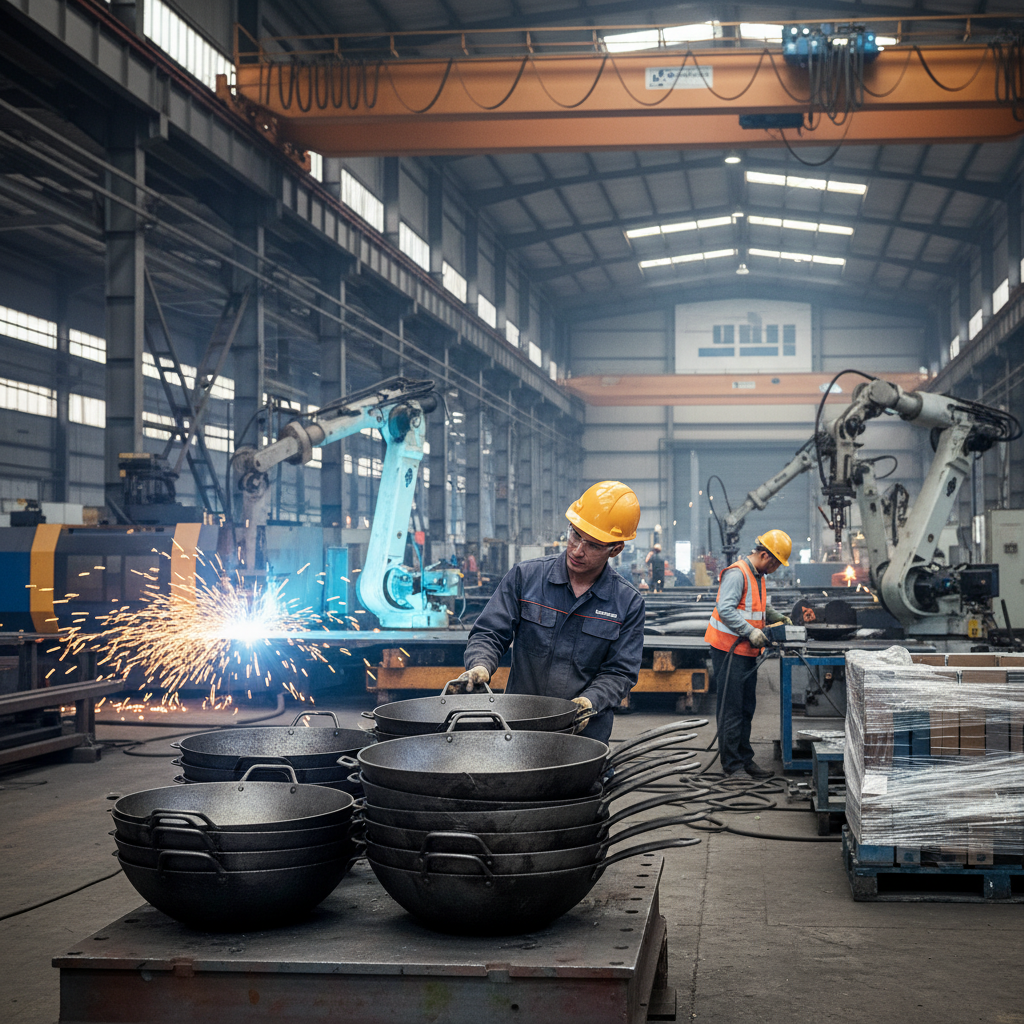
The iron casserole pot represents a timeless intersection of metallurgical engineering and culinary art. For centuries, these heavy-duty vessels have been prized for their unparalleled heat retention and durability, making them a staple in both professional kitchens and home households globally. By understanding the science behind cast iron, users can unlock a level of flavor depth and texture that modern non-stick alternatives simply cannot replicate.
In today's fast-paced consumer market, there is a significant resurgence in the demand for sustainable, long-lasting cookware. The global shift toward "slow food" and conscious consumption has placed the iron casserole pot back at the center of the kitchen. Its ability to transition seamlessly from a stovetop sear to a slow oven braise makes it an indispensable tool for achieving gourmet results with minimal equipment.
Beyond its utility, choosing a high-quality cast iron vessel is an investment in sustainability. Unlike PTFE-coated pans that degrade and end up in landfills every few years, a well-maintained iron casserole pot can last for generations. This guide explores the technical specifications, global applications, and innovative trends that define the modern cast iron industry.
The Engineering Behind the Iron Casserole Pot
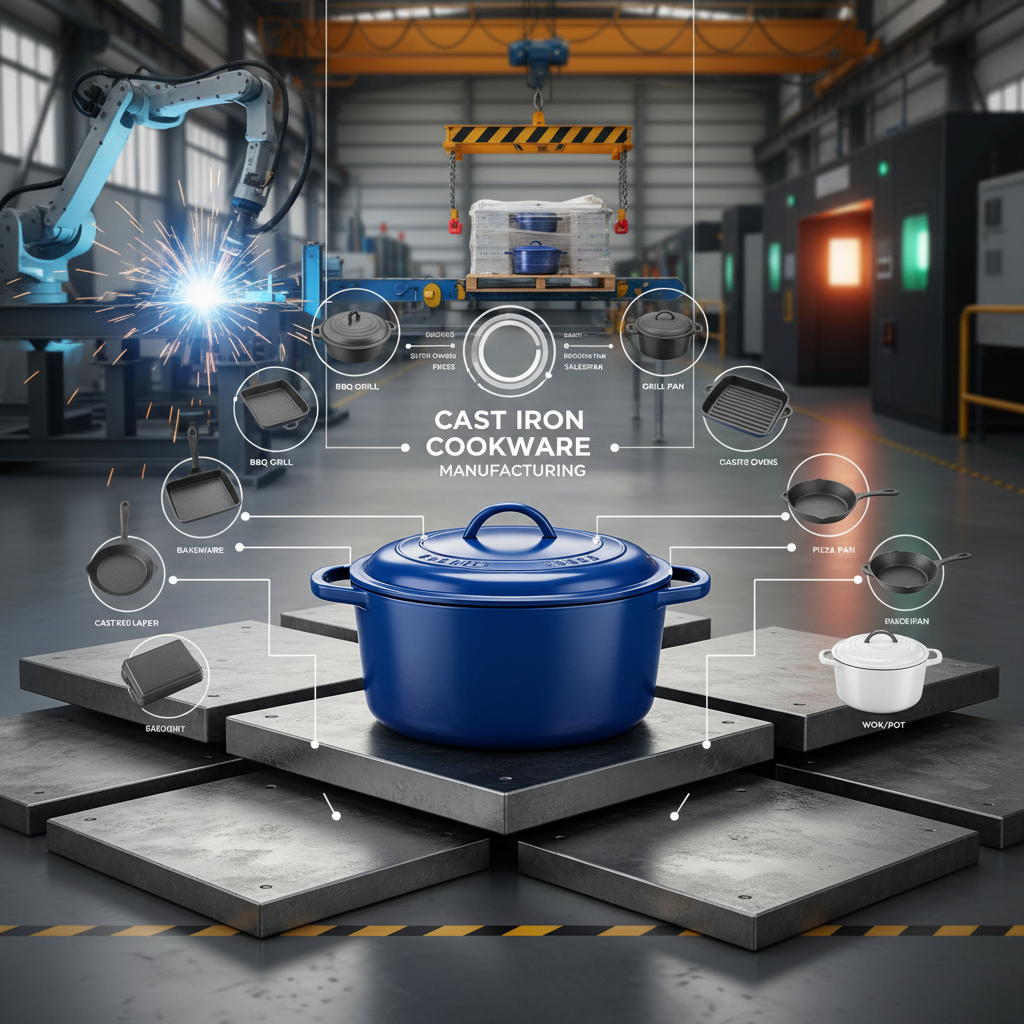
The production of a professional-grade iron casserole pot relies on the precise control of carbon content within the molten iron. Cast iron, typically containing 2% to 4% carbon, allows for a lower melting point than pure iron, facilitating a smoother casting process that results in a dense, monolithic structure. This density is what enables the pot to absorb a massive amount of thermal energy and distribute it evenly across the cooking surface, eliminating the "hot spots" common in thinner aluminum pans.
Modern manufacturing has evolved from traditional sand casting to more refined investment casting techniques. This ensures that the walls of the iron casserole pot are uniform in thickness, which is critical for maintaining a consistent internal temperature during long-duration braising. The integration of enamel coatings in some variants further enhances these properties by providing a non-reactive surface that protects the iron from acidity while maintaining superior heat retention.
Global Demand and Industry Context
Across Europe and North America, the demand for the iron casserole pot has seen a steady increase, driven by a cultural pivot toward heritage cooking and health-conscious eating. According to market analysis of kitchenware trends, there is a growing preference for materials that do not leach synthetic chemicals into food, aligning with ISO standards for food-safe materials. This shift is not merely a trend but a response to the environmental impact of disposable consumer goods.
In Asian markets, the adaptation of the iron casserole pot has merged traditional stewing methods with modern aesthetic preferences. The versatility of cast iron allows it to be used over open flames, induction cooktops, and in high-heat ovens, making it compatible with a wide array of global energy infrastructures. This adaptability has made it a primary choice for hospitality sectors looking to combine rustic presentation with industrial reliability.
However, the industry faces the challenge of balancing weight with usability. While the mass of a traditional iron casserole pot is its greatest strength for heat retention, it can be a barrier for some consumers. Leading manufacturers are now exploring optimized casting geometries that reduce overall weight without compromising the thermal mass required for professional culinary performance.
Core Components of High-Performance Cookware
The primary pillar of any iron casserole pot is its thermal conductivity and emissivity. Unlike stainless steel, which reflects heat, cast iron absorbs it deeply, creating a reservoir of energy that prevents temperature drops when cold ingredients are added. This makes the pot an ideal tool for searing meats at high temperatures before transitioning to a slow simmer.
Surface integrity is the second critical factor. Whether the iron casserole pot is pre-seasoned with organic oils or coated in a vitreous enamel, the goal is to create a barrier that prevents rust and food adhesion. A high-quality seasoning process creates a polymer chain through polymerization, effectively turning the iron surface into a natural non-stick layer that improves with every use.
Finally, the structural design—specifically the lid fit—determines the efficiency of the iron casserole pot. A tight-fitting, heavy lid creates a seal that traps steam and moisture, forcing the condensation to drip back down onto the food. This self-basting mechanism is what gives cast iron braises their signature tenderness and depth of flavor.
Performance Metrics and Efficiency Analysis
When evaluating the efficiency of an iron casserole pot, professional chefs look at the "thermal lag" and "heat distribution" across the base. Because cast iron has a high specific heat capacity, it requires longer to heat up than aluminum, but once it reaches the target temperature, it remains stable regardless of the external heat source's fluctuations.
This stability is particularly advantageous in energy-saving cooking methods, such as residual heat cooking, where the pot is removed from the heat source but continues to cook the food for an extended period. This reduces the overall carbon footprint of the cooking process while ensuring a gentle, consistent temperature for delicate stews.
Performance Comparison of Iron Casserole Pot Variants
Global Applications and Culinary Use Cases
The iron casserole pot finds extensive use across diverse culinary traditions. In French cuisine, the "cocotte" is essential for the slow-cooking of beef bourguignon, where the iron pot's ability to withstand hours of low heat allows collagen to break down into gelatin, creating a rich, silky sauce. Similarly, in American Southern cooking, cast iron is the gold standard for slow-simmered collard greens and hearty stews.
Beyond the home, these vessels are increasingly used in "farm-to-table" restaurant concepts. Chefs prefer the iron casserole pot for its presentation value—serving the dish directly in the pot it was cooked in keeps the food hot throughout the meal. This practical application reduces the need for warming plates and enhances the rustic, authentic dining experience sought by modern consumers.
Long-Term Value and Sustainable Impact
Investing in an iron casserole pot is a move toward "zero-waste" living. While the initial cost may be higher than that of a Teflon pan, the lifecycle cost is significantly lower. A high-quality cast iron pot does not wear out; it only evolves. With proper care, the seasoning layer grows stronger over time, creating a personalized cooking surface that carries the history of the meals prepared in it.
From an environmental perspective, the production of cast iron is more sustainable when considering the product's lifespan. Because iron is infinitely recyclable, the end-of-life impact of an iron casserole pot is minimal compared to composite materials. The absence of chemical non-stick coatings also means that no harmful fumes are released during high-heat searing, ensuring a healthier environment for both the cook and the consumer.
Moreover, the emotional value of a "legacy piece" cannot be overstated. Many families pass down their iron casserole pot through generations, turning a simple piece of kitchenware into a family heirloom. This connection to the past, combined with modern performance, gives cast iron a unique position in the market that blends sentiment with utility.
Future Trends in Cast Iron Manufacturing
The future of the iron casserole pot lies in the integration of smart materials and precision engineering. We are seeing a trend toward "hybrid" cast iron, where the core is made of traditional heavy iron for heat retention, but the exterior is optimized with lightweight alloys to make the pot easier to handle. This allows the vessel to retain its professional performance while becoming accessible to a wider range of users.
Digital transformation is also hitting the foundry. AI-driven mold design is now used to predict thermal stress points, allowing engineers to reinforce the iron casserole pot where it is most likely to warp or crack under extreme temperature shifts. This increase in precision reduces waste during production and ensures that every piece meeting the consumer has a perfect seal and optimal heat distribution.
Finally, the industry is moving toward "green casting." Foundries are increasingly utilizing induction furnaces powered by renewable energy and replacing traditional binders with bio-based alternatives. These innovations ensure that the iron casserole pot remains a sustainable choice from the moment the ore is mined to the moment it reaches the kitchen.
Analysis of Iron Casserole Pot Manufacturing Standards and Performance
| Material Grade |
Heat Retention (Score 1-10) |
Durability (Years) |
Eco-Friendliness |
| Traditional Grey Iron |
10 |
50+ |
High |
| Vitreous Enameled Iron |
8 |
20-30 |
Medium |
| Pre-Seasoned Organic Iron |
9 |
40+ |
Very High |
| Lightweight Hybrid Iron |
7 |
15-20 |
Medium |
| Industrial Grade Cast Iron |
10 |
100+ |
High |
| Modern Alloy-Iron Blend |
6 |
10-15 |
Low |
FAQS
The key to preventing rust is maintaining a strong "seasoning" layer. After each use, wash the pot with mild soap (or just water for well-seasoned pans), dry it immediately and completely on the stovetop, and apply a very thin layer of cooking oil before storing. For enameled pots, simply avoid using abrasive scrubbers that can scratch the glass coating, as scratches can lead to iron exposure and oxidation.
It depends on your needs. Enameled pots are non-reactive, meaning you can cook acidic foods like tomato sauce without stripping the seasoning or adding a metallic taste. They are also easier to clean. Raw cast iron, however, offers better high-heat searing capabilities and develops a natural non-stick surface over time. For versatile, everyday braising, enamel is often preferred; for high-heat roasting and tradition, raw iron wins.
Yes, cast iron is one of the best materials for induction cooking because it is ferromagnetic. However, because of the heavy weight and slightly textured bottom, it is recommended to slide the pot into place rather than dragging it to avoid scratching your glass cooktop. Ensure the base is flat to maximize the efficiency of the induction magnetic field.
Sticking usually happens for two reasons: insufficient seasoning or incorrect temperature. If using raw iron, you may need to re-season the pot in the oven. If using any iron pot, ensure the pan is properly preheated before adding oil and food. A "cold start" often leads to proteins bonding with the metal. Wait for the oil to shimmer before adding your ingredients to ensure a clean release.
There is no fixed schedule; instead, listen to the pot. If you notice the surface becoming dull, food sticking more frequently, or small spots of rust appearing, it is time for a maintenance seasoning. Simply scrub off any rust, apply a thin coat of flaxseed or grapeseed oil, and bake it at 450°F (230°C) for an hour. Regular use with oil is usually enough to maintain the layer.
Absolutely. In fact, they are among the safest cookware available. High-quality cast iron does not contain PFOAs or PFAs found in some non-stick coatings. Additionally, cooking in an iron pot can actually supplement your dietary iron intake, as small amounts of iron leach into the food during the cooking process, which can be beneficial for individuals with iron deficiencies.
Conclusion
The iron casserole pot is more than just a piece of cookware; it is a testament to the enduring value of quality materials and thoughtful engineering. By combining superior heat retention, extreme durability, and a commitment to sustainability, it solves the modern dilemma of choosing between performance and environmental responsibility. Whether used for a professional French braise or a simple family stew, the cast iron vessel remains the gold standard for those who value depth of flavor and longevity.
As we look toward the future, the integration of greener manufacturing processes and precision design will only enhance the appeal of these timeless tools. We encourage culinary enthusiasts and industry professionals alike to invest in high-grade cast iron to elevate their cooking and reduce their environmental footprint. For those seeking professional-grade cookware that lasts a lifetime, explore our full range of solutions. Visit our website: www.foundryasia.com