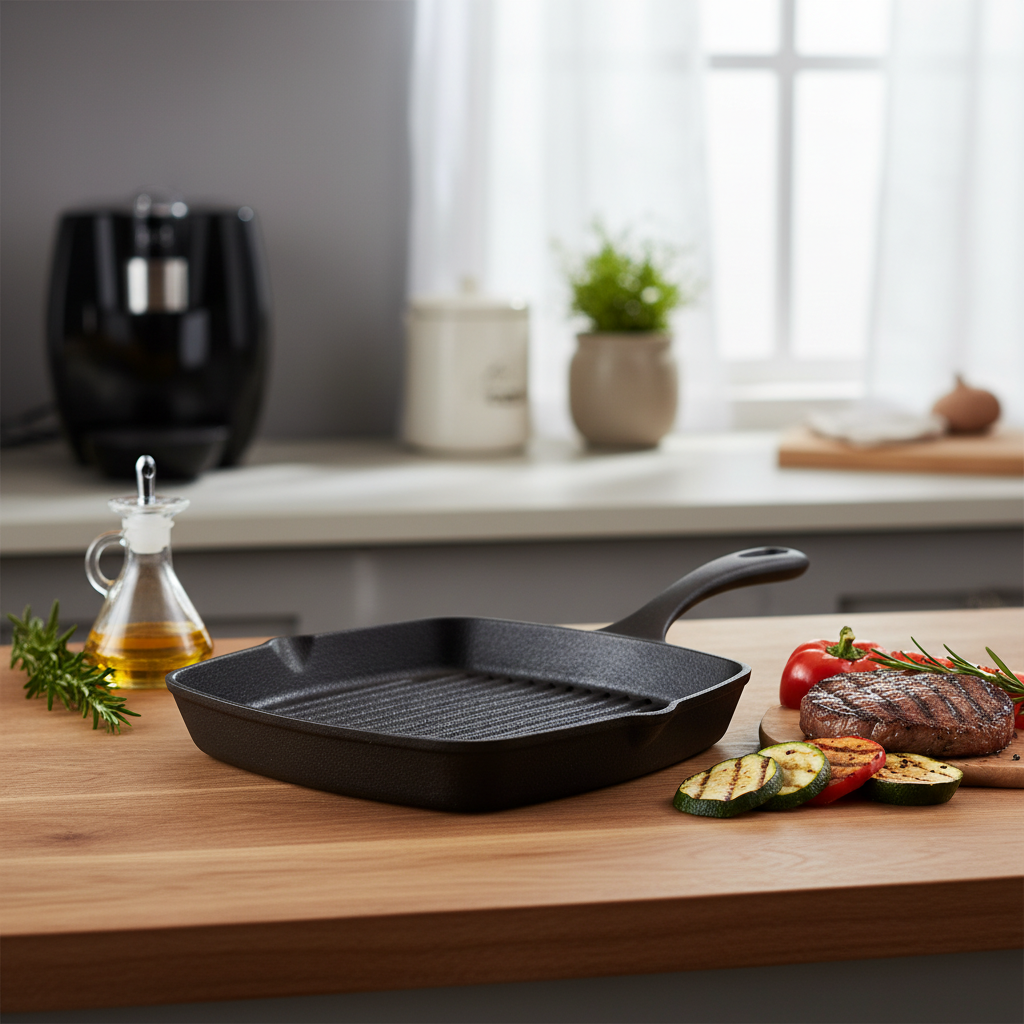
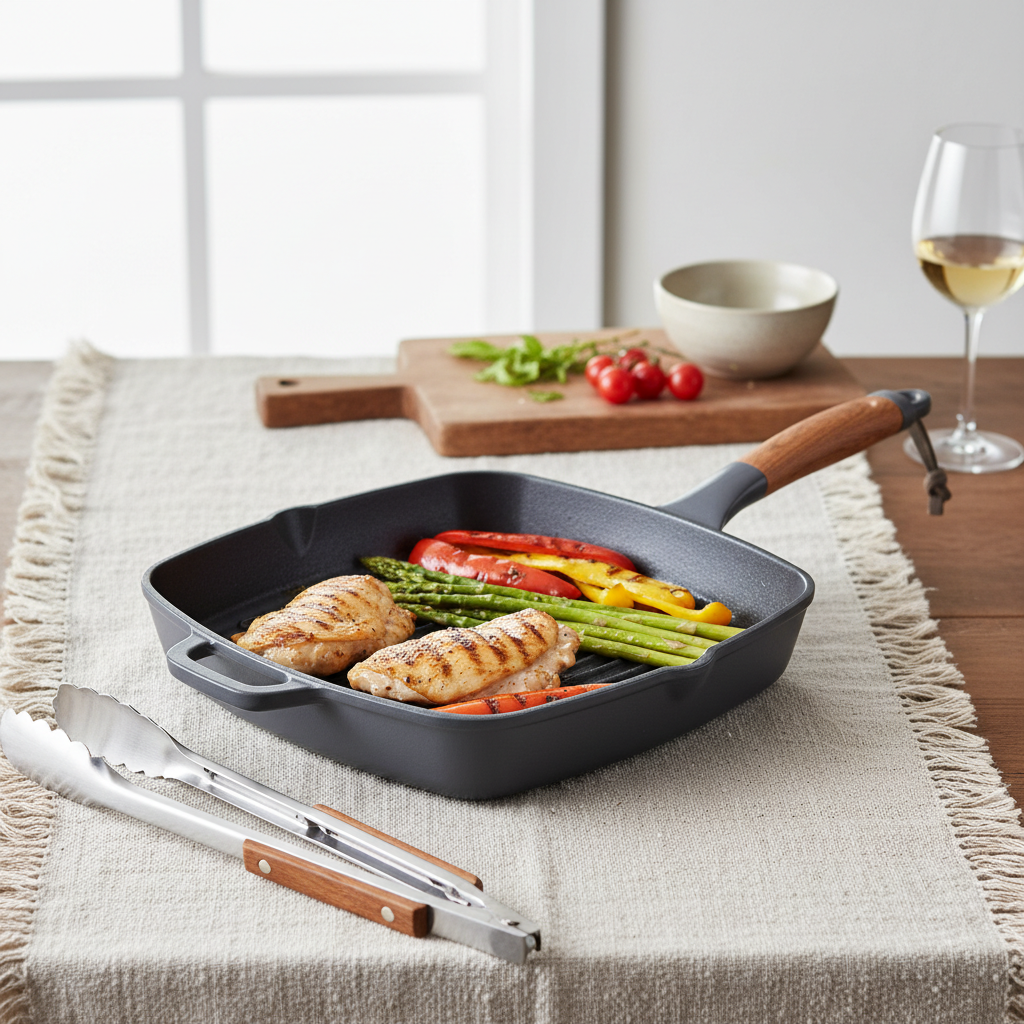
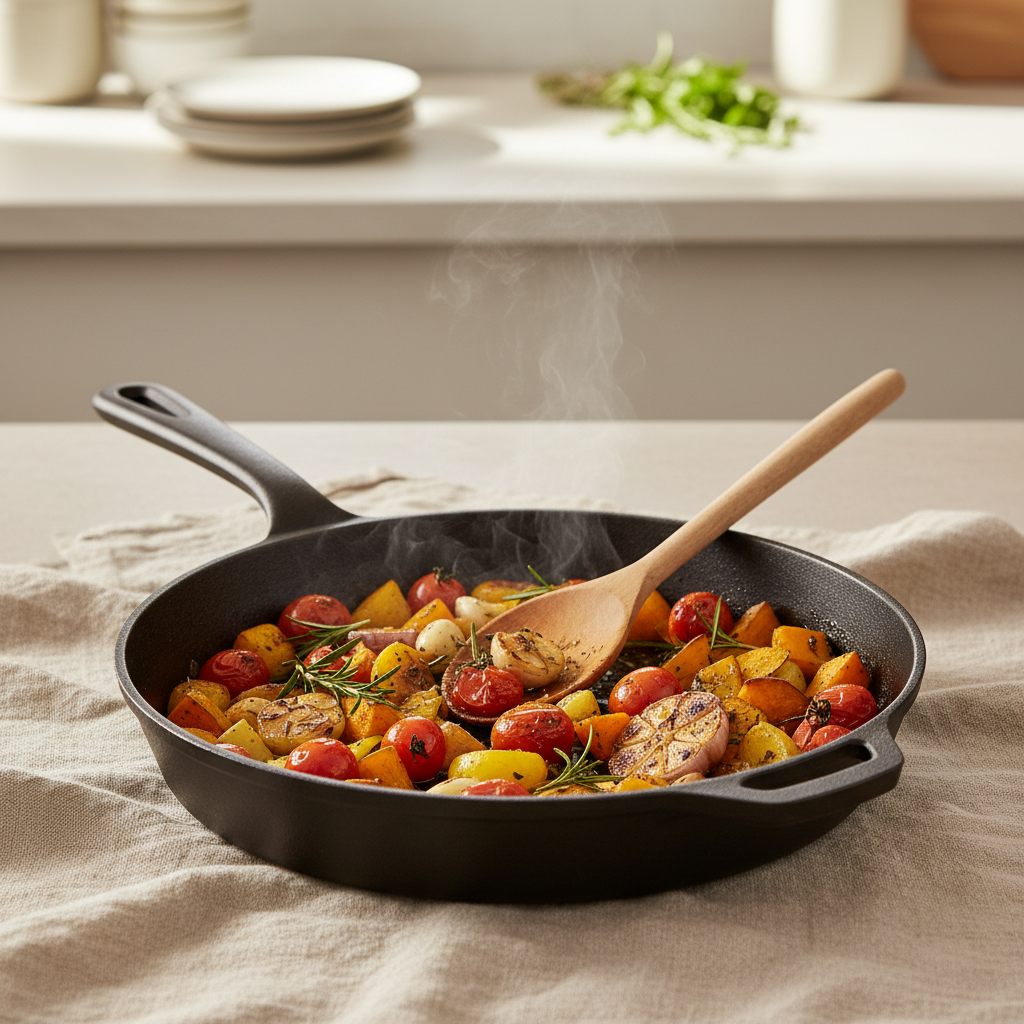
The modern culinary landscape has seen a significant resurgence in traditional cookware, with the grill skillet pan emerging as a pivotal tool for both professional chefs and home cooking enthusiasts. By combining the heat retention of cast iron with the searing capabilities of a grill, this versatile implement allows users to achieve restaurant-quality char marks and deep caramelization without needing an outdoor barbecue.
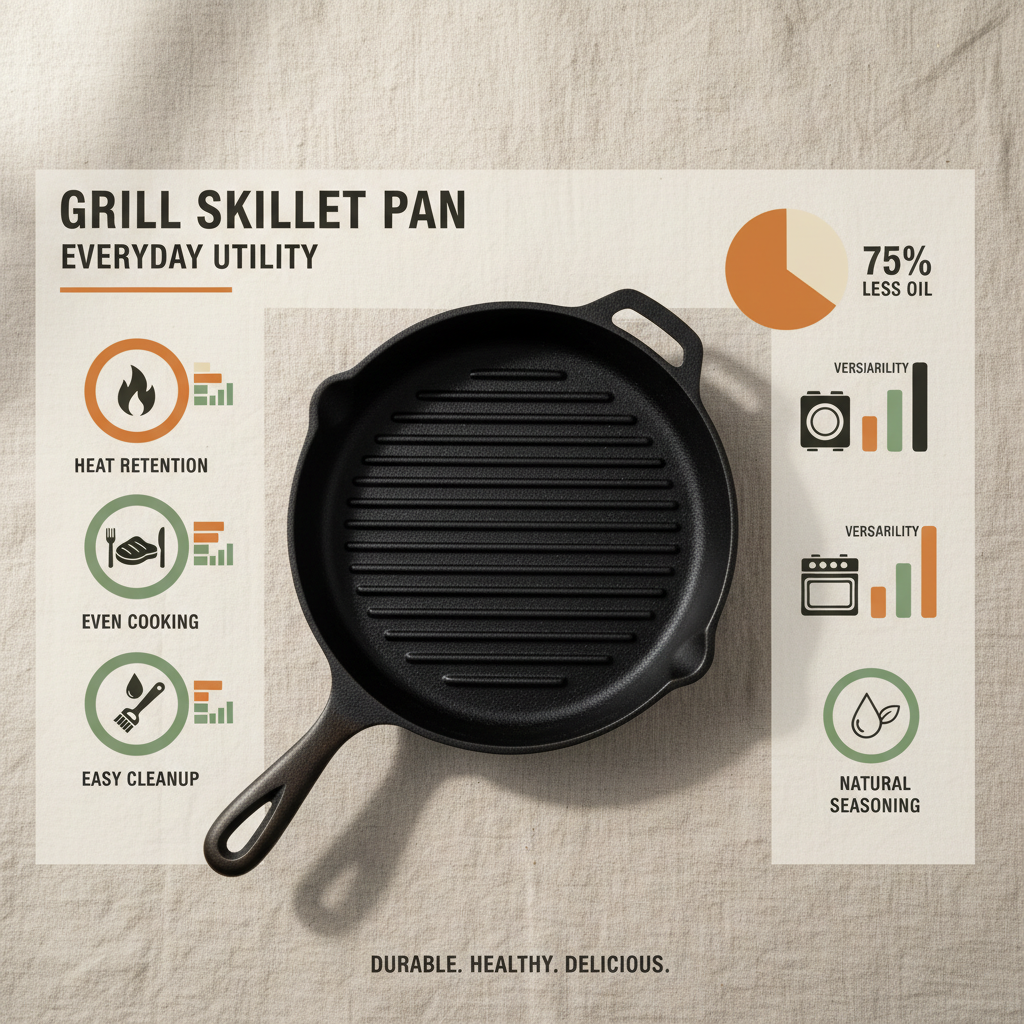
Understanding the mechanics of a grill skillet pan is essential for anyone looking to optimize their kitchen efficiency. From its ability to distribute heat evenly across a surface to its capacity for reducing excess fats through its ridged design, the tool bridges the gap between healthy eating and gourmet flavor profiles, making it a staple in contemporary metalware manufacturing.
Globally, the demand for high-quality cast iron solutions reflects a broader shift toward sustainability and longevity in consumer goods. Choosing a durable grill skillet pan is not just a culinary decision but an investment in a product that, when maintained correctly, can last for generations, reducing the environmental impact caused by disposable non-stick cookware.
The Engineering Behind the Grill Skillet Pan
The primary appeal of a grill skillet pan lies in its thermal mass. Unlike thin aluminum or stainless steel, cast iron provides an incredible capacity to absorb and hold heat, which prevents the temperature from dropping sharply when a cold piece of meat is placed on the surface. This consistency is what allows for the Maillard reaction to occur rapidly and evenly, creating the savory crust and characteristic grill lines that define professional searing.
From a manufacturing perspective, the precision of the ridges is crucial. If the ribs are too shallow, the food will steam in its own juices; if they are too deep, the heat transfer may be uneven. A perfectly engineered grill skillet pan balances these dimensions to ensure that fat drains away from the protein while maintaining enough contact for an intense sear.
Global Market Relevance and Industry Standards
In the global kitchenware market, the grill skillet pan has seen a surge in demand, particularly in North America and Europe, as consumers move toward "slow living" and high-quality, artisanal tools. According to industry trends aligned with ISO standards for cookware, there is a growing emphasis on food-safe coatings and the elimination of PFOAs, pushing users back toward seasoned cast iron as the safest and most durable alternative.
The challenge facing the industry is the balance between traditional craftsmanship and mass-production efficiency. While traditional sand-casting provides a rugged texture, modern precision casting allows for a smoother finish that requires less initial seasoning. This evolution ensures that the grill skillet pan remains accessible to a wider demographic, including those who may be intimidated by the upkeep of heirloom iron.
Furthermore, the rise of indoor-outdoor hybrid living has made the grill skillet pan a multi-functional asset. It can transition seamlessly from a kitchen stovetop to an oven or a campfire, meeting the needs of a diverse range of users—from urban apartment dwellers to remote camping enthusiasts—thereby expanding its global market reach.
Core Components of High-Performance Cookware
When evaluating a grill skillet pan, the first critical factor is Material Density. High-grade cast iron ensures that there are no air pockets or structural weaknesses in the metal, which prevents warping under extreme temperatures and ensures the pan distributes heat without creating "hot spots" that could burn food.
Another essential aspect is the Seasoning Quality. A pre-seasoned grill skillet pan uses polymerized vegetable oils to create a natural, non-stick barrier. This chemical-free surface is not only safer for the user but also enhances the flavor of the food by adding a layer of depth that synthetic coatings cannot replicate.
Finally, the Ergonomic Design of the handle and the pouring spouts cannot be overlooked. A well-balanced grill skillet pan must be manageable despite its weight, featuring a handle that stays relatively cool and spouts that allow for the easy removal of rendered fats, ensuring a clean and safe cooking experience.
Comparative Performance of Searing Methods
Choosing the right tool for searing depends heavily on the desired outcome. While a flat skillet is ideal for frying, the ridged design of a grill skillet pan is specifically engineered to lift food away from the surface, allowing air to circulate and fat to drip, which mimics the effect of an open-flame grill.
To illustrate the effectiveness, we compare different configurations of searing tools. The grill skillet pan consistently outperforms traditional non-stick pans in terms of heat retention and crust development, although it requires more care in terms of cleaning and maintenance.
Performance Comparison of Searing Tools
Versatile Applications Across Global Cuisines
The utility of a grill skillet pan extends far beyond basic steaks. In Mediterranean cooking, it is frequently used to grill vegetables like zucchini and eggplant, providing the charred exterior and tender interior characteristic of open-fire cooking. In East Asian fusion, it serves as an excellent tool for searing marinated proteins before finishing them in a wok or oven.
Moreover, in professional catering and high-volume kitchens, these pans are prized for their reliability. Whether it's a boutique hotel in Paris or a remote industrial camp in the mountains, the grill skillet pan provides a consistent result regardless of the heat source, making it an indispensable tool for chefs who require precision and durability in challenging environments.
Long-Term Value and Sustainability Benefits
From an economic standpoint, the value of a grill skillet pan is found in its lifespan. While cheaper alternatives may need replacing every two to three years as non-stick coatings peel or aluminum warps, a cast iron pan is virtually indestructible. This shift from a "disposable" mindset to an "investment" mindset is a core tenet of sustainable consumption.
Environmentally, the production of cast iron—while energy-intensive—is offset by the product's longevity. Furthermore, the materials used in a grill skillet pan are fully recyclable. By reducing the volume of cookware that ends up in landfills, manufacturers and consumers together contribute to a more circular economy.
Beyond the logic of cost and environment, there is an emotional value tied to these tools. A seasoned grill skillet pan carries the history of the meals cooked in it, becoming a family heirloom that passes down cooking traditions from one generation to the next, fostering a sense of continuity and trust in craftsmanship.
Future Innovations in Metal Casting Technology
The future of the grill skillet pan lies in the integration of advanced materials science. We are seeing the introduction of enamel-coated cast iron that offers the heat retention of iron with the ease of cleaning of ceramic, providing a hybrid solution for those who want the best of both worlds without the strict seasoning requirements.
Automation and AI-driven casting processes are also reducing the margin of error in production. By using simulation software, manufacturers can optimize the ridge geometry of a grill skillet pan to maximize thermal conductivity and minimize weight, making the pans more ergonomic without sacrificing performance.
Sustainability is also driving innovation, with foundries moving toward green energy sources and recycled scrap metal. The next generation of the grill skillet pan will likely be produced in carbon-neutral facilities, ensuring that the tool remains a symbol of quality and environmental responsibility.
Comparison of Cast Iron Manufacturing Techniques
| Production Method |
Thermal Efficiency |
Surface Smoothness |
Durability Score |
| Traditional Sand Casting |
High |
Rough |
10/10 |
| Precision Die Casting |
Very High |
Smooth |
9/10 |
| Centrifugal Casting |
High |
Medium |
9/10 |
| Enamel Coating Process |
Medium-High |
Very Smooth |
8/10 |
| Cold-Forged Iron |
Medium |
Smooth |
8/10 |
| Hybrid Composite Casting |
Very High |
Smooth |
9/10 |
FAQS
To season your grill skillet pan, start by washing it with mild soap and drying it completely. Apply a very thin layer of high-smoke-point oil (like flaxseed or grapeseed oil) to the entire surface. Heat the pan in an oven at 450-500°F (230-260°C) for one hour. Let it cool slowly. Repeating this process 2-3 times creates a durable, non-stick polymerization layer that protects the iron from rust and enhances food release.
Yes, you can, but caution is required. Because cast iron is heavy and often has a slightly rough bottom, it can scratch glass or ceramic surfaces if slid across them. To prevent this, always lift the pan to move it rather than sliding. Additionally, ensure the pan is heated gradually to avoid thermal shock to the glass surface.
Sticking usually occurs for two reasons: inadequate seasoning or incorrect temperature. Ensure your pan is fully preheated—water should dance or evaporate instantly upon contact. If the pan is too cold, proteins will bond to the metal. If sticking persists, your seasoning layer may have worn down, and you should perform a re-seasoning process with oil and heat.
It depends on the goal. An outdoor grill offers a smoky flavor and higher capacity, but a grill skillet pan provides superior heat control, allows for indoor cooking regardless of weather, and is easier to clean. It is the perfect solution for achieving grill marks on steaks, paninis, or vegetables without the hassle of lighting charcoal or gas outdoors.
Avoid using harsh detergents or soaking the pan in water for long periods. Use a stiff brush or a chainmail scrubber to remove food particles from between the ridges. For stubborn residue, use a tablespoon of coarse salt as an abrasive with a small amount of oil. Always dry the pan immediately on the stove and apply a light coat of oil before storing.
Absolutely. One of the greatest advantages of a cast iron grill skillet pan is its oven-safety. This allows you to sear a thick cut of meat on the stovetop to get those perfect grill lines and then transfer the entire pan into the oven to finish cooking to the desired internal temperature, ensuring a juicy and evenly cooked result.
Conclusion
The grill skillet pan represents a perfect intersection of traditional metallurgy and modern culinary needs. By providing unparalleled heat retention, a sustainable lifespan, and the ability to recreate outdoor grilling experiences indoors, it solves the common dilemma of choosing between health-conscious cooking and gourmet flavor. Its durability and versatility make it not just a tool, but a lifetime asset for any kitchen.
As we look toward the future, the continued innovation in casting techniques and eco-friendly manufacturing will only enhance the value of these tools. Whether you are a professional chef seeking precision or a home cook aiming for better results, investing in a high-quality grill pan is a step toward more sustainable and flavorful cooking. Visit our website to explore our professional range: www.foundryasia.com