- 150m Southwards, West DingWei Road, Nanlou Village, Changan Town, GaoCheng Area, Shijiazhuang, HeBei, China
- monica@foundryasia.com
Aug . 29, 2025 01:20 Back to list
Light Weight Nonstick Enameled Cast Iron Skillet: Easy & Versatile
The Evolution of High-Performance Cookware: Insights into Light Weight Nonstick Cast Iron Enameled Skillets
In the demanding world of professional kitchens and high-efficiency food production, the choice of cookware significantly impacts operational efficacy, culinary output, and long-term cost of ownership. Traditional cast iron, while lauded for its heat retention, often presents challenges related to weight, maintenance, and reactivity. The emergence of advanced materials and manufacturing techniques has led to innovations addressing these concerns, particularly with the development of the light weight nonstick cast iron enameled skillet. This specialized category represents a critical advancement, combining the durability and thermal properties of cast iron with the convenience of a nonstick, easy-to-clean surface, all within a more manageable form factor tailored for intensive B2B environments. This article delves into the technical aspects, market trends, and practical applications of these essential cooking vessels.
Industry Trends: Meeting the Demands for Versatility and Efficiency
The B2B culinary sector is experiencing a confluence of trends driving the adoption of sophisticated cookware. Key among these are the increasing demand for energy efficiency, stringent hygiene standards, and the need for versatile equipment capable of performing across diverse cooking surfaces. Modern commercial kitchens often feature induction cooktops, glass top stoves, and high-BTU gas ranges, necessitating cookware that offers universal compatibility. Furthermore, the emphasis on healthy cooking and reduced oil usage underscores the importance of reliable nonstick properties.
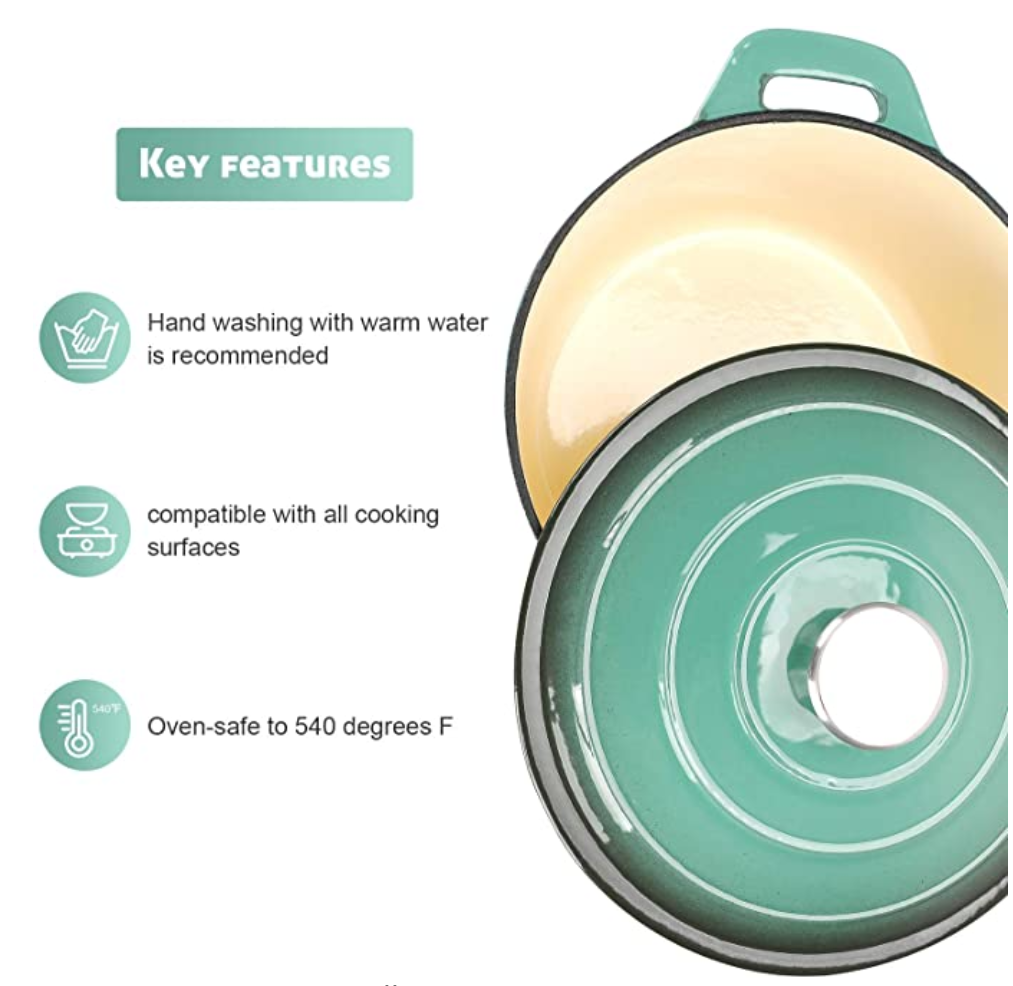
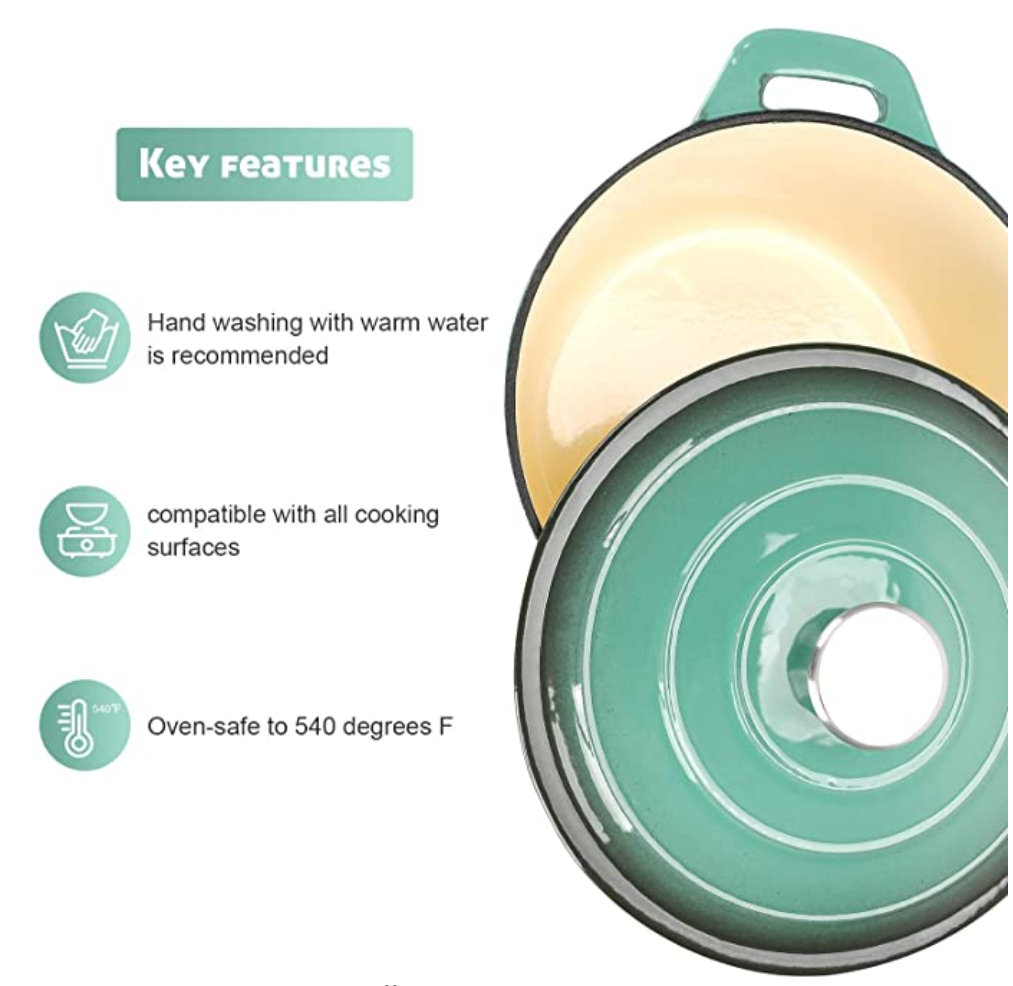
- Multi-Surface Compatibility: Equipments like the light weight nonstick cast iron enameled skillet are designed to perform optimally on various heat sources, including induction cooktops, electric coil stoves, and even for outdoor grilling, offering unparalleled flexibility. The concern about using cast iron skillet on glass top stove is mitigated by the smooth enamel finish, which protects the glass surface while still providing excellent heat transfer.
- Durability and Longevity: Commercial operations require tools that withstand continuous, heavy-duty use. The inherent robustness of cast iron, coupled with a resilient enamel coating, ensures an extended service life, reducing replacement costs.
- Ergonomics and Safety: While traditional cast iron is heavy, innovations have focused on producing a lighter product without compromising performance. This "light weight" aspect is crucial for kitchen staff, reducing fatigue and injury risk, especially when handling larger vessels.
- Aesthetic Appeal and Brand Image: For establishments where cookware is visible to customers (e.g., open kitchens, buffet lines), the refined appearance of enameled cast iron, often seen in high-profile collaborations like Matty Matheson cookware cast iron skillet lines, adds to the brand's perceived quality.
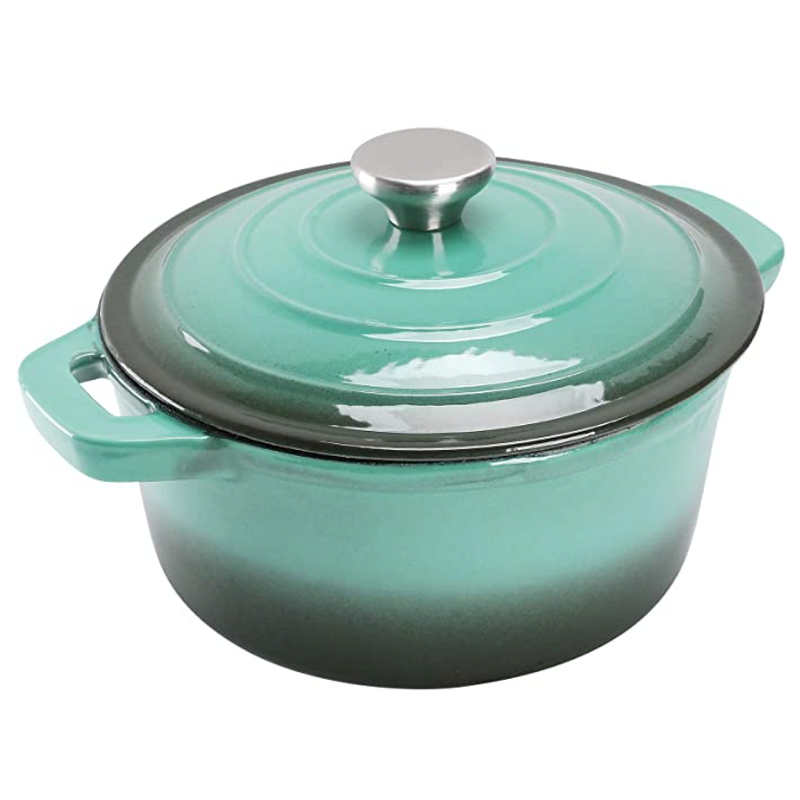
Technical Specifications: Engineering Excellence in Cookware
The performance of a light weight nonstick cast iron enameled skillet is underpinned by precise engineering and material science. Key technical parameters define its utility and suitability for demanding B2B applications.
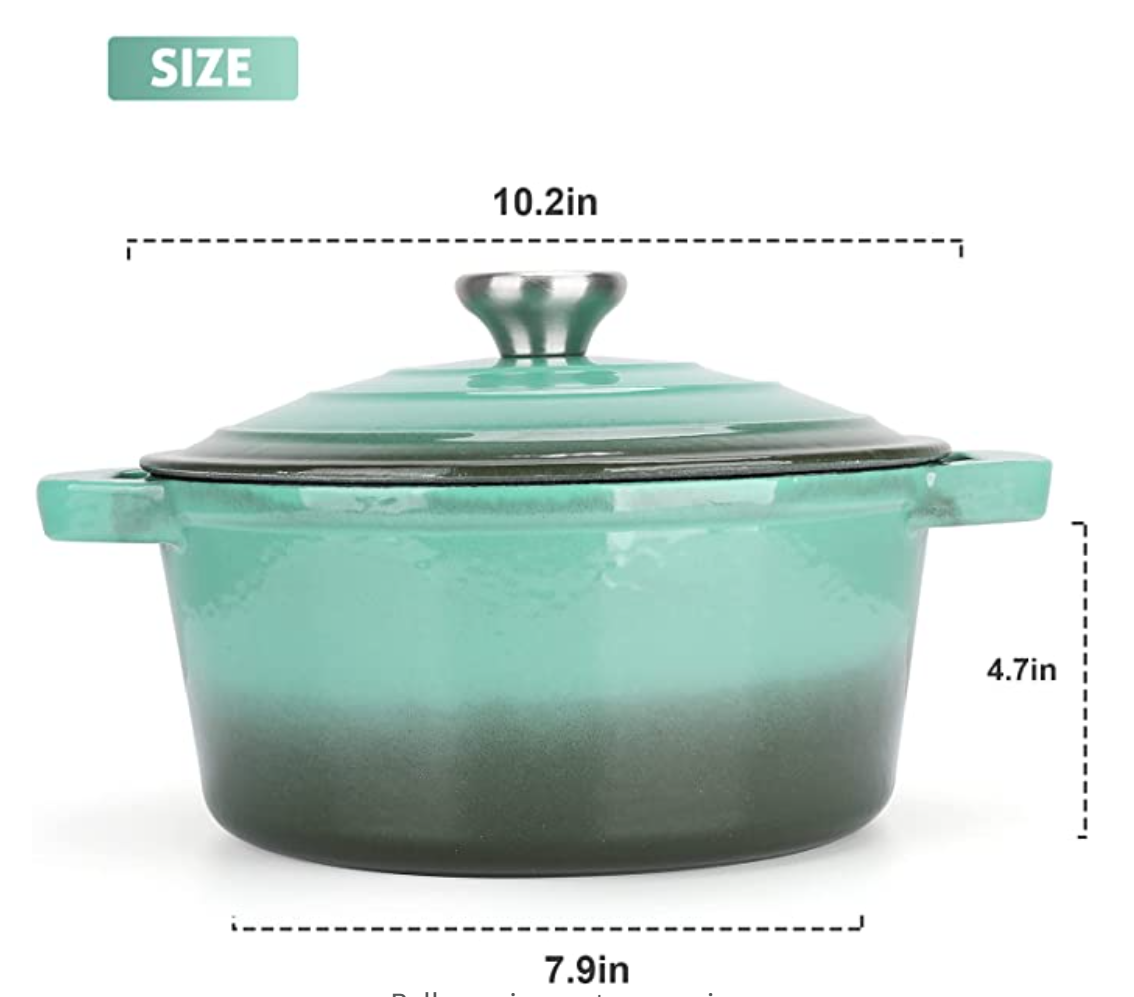
Product Specifications Table: 5.5 Quart Enameled Cast Iron Dutch Oven (Representative Model)
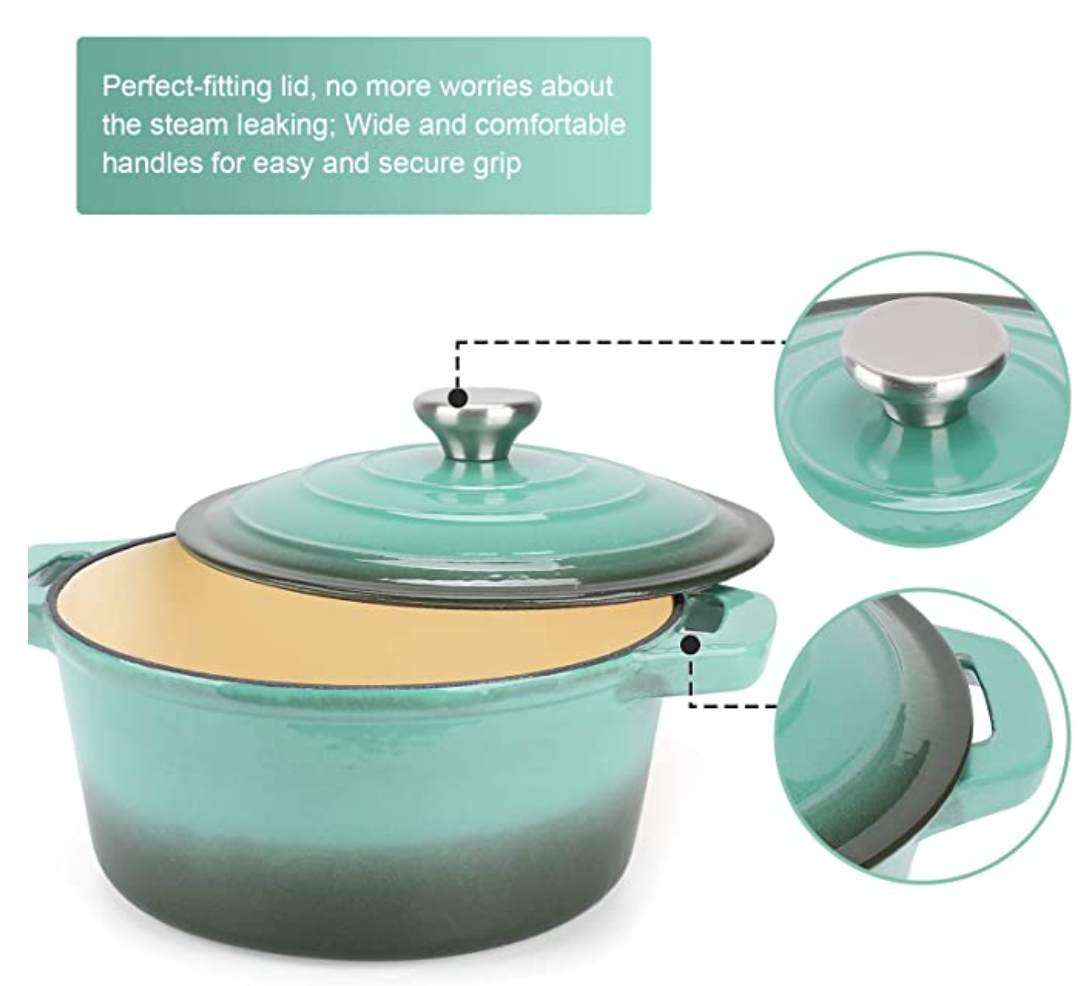
The vitreous enamel coating, typically composed of silicate minerals fused to the cast iron at high temperatures, provides a chemically inert, non-reactive, and food-safe surface. This eliminates the need for complex seasoning routines associated with bare cast iron (e.g., pre seasoned cast iron skillet first use instructions are irrelevant), while offering corrosion resistance and making the product exceptionally easy to clean. The optimized weight is achieved through advanced casting techniques that allow for thinner, yet equally strong, sidewalls and bases, enhancing maneuverability without sacrificing thermal performance.
Manufacturing Process: Precision and Quality Assurance
The production of a high-quality light weight nonstick cast iron enameled skillet involves a multi-stage, meticulously controlled process to ensure both structural integrity and the flawless application of the enamel.
Manufacturing Process Flow
- Material Sourcing & Preparation: High-grade virgin pig iron, steel scrap, and alloying elements are meticulously selected to achieve the desired metallurgical properties for strength and lighter weight.
- Casting (Sand Molding): Precision patterns create molds for the desired skillet shape. Molten cast iron, heated to approximately 1400-1500°C, is poured into these molds. This stage is critical for achieving the "light weight" aspect through optimized wall thicknesses.
- Cooling & Shakeout: After solidification, the cast iron forms are removed from the sand molds.
- Fettling & Grinding: Excess metal (flash, gates, risers) is removed, and surfaces are ground smooth to prepare for enamel application. CNC machining may be used for specific finishing requirements or intricate design elements.
- Blasting & Cleaning: The cast iron surface is abrasive blasted (e.g., shot blasting) to create a clean, roughened profile, which enhances mechanical adhesion of the enamel.
- Enamel Application (Multi-layer):
- Ground Coat: A base layer, often dark, is applied and fired at high temperatures (approx. 750-850°C) to bond directly with the cast iron.
- Cover Coats: One or more layers of colored enamel are applied and fired, creating the aesthetic finish and enhancing nonstick properties.
- Rim/Edge Treatment: Often, the rim is left unenameled for durability or treated with a specific, resilient enamel.
- Quality Control & Testing: Each skillet undergoes rigorous inspection.
- Adhesion Testing: Conformance to ISO 4532 (Enamel Adhesion) or similar standards.
- Impact Resistance: Testing against ANSI Z97.1 or equivalent.
- Thermal Shock Resistance: Verifying durability under rapid temperature changes.
- Food Safety Compliance: Adherence to FDA or LFGB standards for food contact materials.
- Dimensional Accuracy: Ensuring precise measurements.
- Packaging & Dispatch: Products are carefully packaged for safe transit to target industries such as hospitality, catering, and specialized food processing.
Technical Advantages and Application Scenarios
The unique combination of cast iron and enamel in a lightweight form factor provides distinct advantages for professional culinary operations.
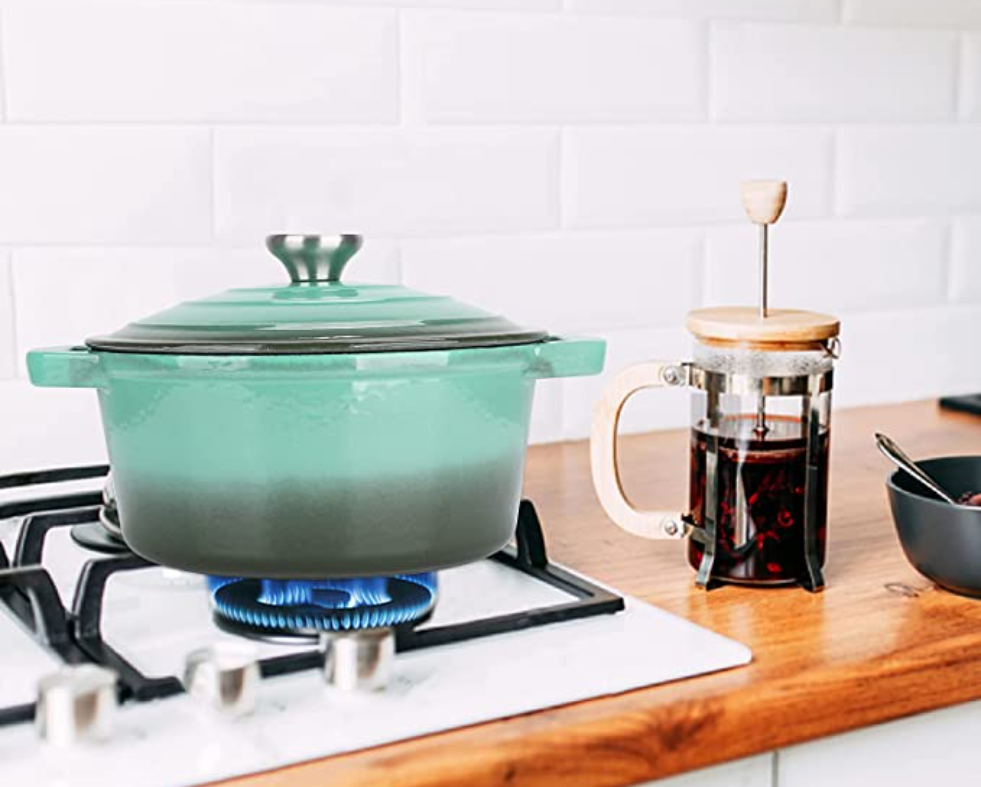
- Superior Heat Retention and Distribution: Cast iron inherently excels at holding and distributing heat evenly. This translates to consistent cooking results, reduced hot spots, and energy savings, as the cookware maintains temperature even at lower heat settings. This is crucial for slow cooking or simmering dishes, often prepared in a cast iron griddle for induction cooktop or skillet.
- Non-Reactive, Hygienic Surface: The enamel coating creates an inert surface that does not react with acidic foods (e.g., tomatoes, wine), preserving the true flavor of ingredients. This also prevents staining and makes cleaning effortless, meeting strict food safety and hygiene standards in commercial kitchens.
- Enhanced Durability and Corrosion Resistance: The enamel protects the cast iron from rust and corrosion, significantly extending the product's service life, especially in high-moisture commercial environments. Unlike bare cast iron, there's no need to worry about rust if it's not perfectly dry after washing.
- Versatile Cooktop Compatibility: Excellent performance across all heat sources, including gas, electric (e.g., cooking with cast iron on electric stove), ceramic, and especially cast iron skillet for induction cooktop. The flat, smooth base ensures maximum contact and efficient heat transfer.
- Reduced Weight for Ergonomics: The "light weight" design alleviates the physical strain on chefs and kitchen staff, improving operational efficiency and reducing the risk of workplace injuries, particularly relevant when handling large quantities or frequently moving cookware.
Typical Application Scenarios:
- Fine Dining Restaurants & Bistros: For searing, braising, simmering, and even baking dishes like upside down pizza in cast iron skillet, where precise heat control and presentation are paramount.
- Hotel & Institutional Catering: Mass production of consistent, high-quality meals requiring durable, easy-to-clean, and efficient cookware.
- Culinary Schools: Providing students with professional-grade equipment that is both robust for learning and user-friendly.
- Specialized Food Production Facilities: For processes where specific thermal profiles and non-reactive surfaces are critical.
Vendor Comparison: Evaluating Value and Performance
When selecting a light weight nonstick cast iron enameled skillet, B2B procurement professionals must critically evaluate various vendors based on key performance indicators and value propositions. While specific brands are not compared here, a general framework for assessment is provided.
Comparative Analysis of Enameled Cast Iron Skillets
The distinction often lies in the quality of the cast iron alloy, the number and thickness of enamel layers, and the precision of the casting process which contributes to the optimized weight without sacrificing thermal mass. Our commitment to ISO 9001 quality management ensures that every product, including the light weight nonstick cast iron enameled skillet, adheres to stringent international standards, offering superior performance and longevity.
Customized Solutions and OEM/ODM Capabilities
Recognizing the diverse needs of the B2B market, we offer extensive customization options and robust OEM/ODM services for our range of cast iron cookware, including the light weight nonstick cast iron enameled skillet. Our engineering and design teams collaborate closely with clients to develop tailored solutions that meet specific functional, aesthetic, and branding requirements.
- Design and Prototyping: From initial concept to 3D modeling and physical prototypes, we assist in developing unique skillet designs, handle configurations, lid types, and overall dimensions.
- Material & Finish Customization: Options for specific cast iron grades, enamel colors, interior finishes (e.g., matte black enamel for improved searing, lighter interior for better visibility), and exterior textures.
- Branding Integration: Custom logo embossing or debossing on the cookware, specialized packaging, and retail-ready solutions tailored for client brands.
- Technical Adaptations: Modifications for specific thermal requirements, weight reduction targets, or compatibility with niche cooking apparatus.
Our flexible manufacturing processes and experienced R&D department ensure that even highly specialized requirements can be met with efficiency and precision, delivering a product that seamlessly integrates into your existing operations or new product lines.
Application Case Studies: Proven Performance in Professional Settings
Our range of enameled cast iron cookware, including the optimized lightweight models, has been successfully deployed in various challenging B2B environments, demonstrating superior performance and reliability.
Case Study 1: Upscale Hotel Chain - "The Grand Cuisine Hotels"
Challenge: The Grand Cuisine Hotels required durable, versatile cookware for their high-volume breakfast and à la carte service across 15 properties. Their existing cast iron was too heavy for frequent use, leading to staff fatigue and occasional breakages on glass-top induction ranges.
Solution: We provided a custom order of 28cm light weight nonstick cast iron enameled skillet units, specifically designed with a reinforced, smooth base for glass top compatibility and ergonomic handles. The reduced weight (18% lighter than their previous model) significantly improved handling.
Outcome: Within six months, the hotel chain reported a 25% reduction in cookware-related staff complaints, a noticeable improvement in cooking consistency due to superior heat distribution, and zero instances of damage to their induction cooktops from the new skillets. The nonstick enamel also reduced cleaning time by 30%.
Case Study 2: Outdoor Event Catering Company - "Gourmet Grills & Galas"
Challenge: Gourmet Grills & Galas, specializing in high-end outdoor events, needed robust, reliable cookware that could withstand the rigors of open-flame cooking, be transported easily, and deliver gourmet results. Their previous conventional nonstick pans warped on grills, and bare cast iron was too demanding to maintain on-site.
Solution: We supplied a range of large-format light weight nonstick cast iron enameled skillet units, emphasizing models optimized for high-temperature resistance and even heat across a charcoal or gas grill. The enamel coating eliminated the need for on-site seasoning and offered excellent food release.
Outcome: The catering company experienced a significant improvement in the durability of their outdoor cooking equipment. The skillets demonstrated exceptional thermal stability on various grills, leading to perfectly seared meats and vegetables. The ease of cleaning post-event also saved substantial labor hours, enhancing operational efficiency during breakdown.
Trustworthiness and Support: Our Commitment to B2B Partners
Building lasting B2B relationships is founded on trust, reliability, and robust support infrastructure. We prioritize transparency and customer satisfaction in every interaction.
Frequently Asked Questions (FAQ)
A: Our light weight designs are achieved through advanced casting techniques and optimized wall thicknesses, not by compromising material strength. We use high-grade cast iron and rigorous testing to ensure durability matches or exceeds traditional models for professional use.
A: While the enamel surface is naturally resistant to sticking and easy to clean, it is not a "slippery" PTFE/PFOA-based nonstick. For optimal food release, especially when searing or frying, a small amount of cooking fat is recommended. The enamel prevents food from bonding aggressively, facilitating effortless cleanup.
A: With proper care and adherence to usage guidelines, our enameled cast iron skillets are designed for a service life extending well over 10 years, even under rigorous daily commercial use. The robust enamel coating resists chipping and ensures the underlying cast iron is protected.
Lead Time & Fulfillment
Standard orders typically have a lead time of 4-6 weeks, subject to product specifications and order volume. For customized or large-scale OEM/ODM projects, lead times will be provided upon detailed project scope agreement. We maintain efficient logistics to ensure timely delivery worldwide.
Warranty Commitments
All our enameled cast iron products are backed by a limited lifetime warranty against manufacturing defects. This warranty underscores our confidence in the quality and durability of our cookware, covering issues arising from material or workmanship flaws under normal intended use. Detailed warranty terms and conditions are available upon request.
Customer Support
Our dedicated B2B customer support team is available from Monday to Friday, 9:00 AM to 5:00 PM (GMT+8). We provide technical assistance, order tracking, and after-sales support via email, phone, and a dedicated client portal. Our goal is to ensure seamless operation and maximum satisfaction for our professional partners.
Conclusion: The Future of Professional Cookware
The advancements in manufacturing and material science have redefined the capabilities of traditional cookware. The light weight nonstick cast iron enameled skillet stands as a testament to this evolution, offering a blend of robust performance, enhanced ergonomics, and versatile application. For B2B stakeholders, investing in such high-caliber cookware translates directly into improved operational efficiency, superior culinary outcomes, and a reduced total cost of ownership. As professional kitchens continue to evolve, the demand for intelligent, durable, and user-friendly equipment will only grow, making enameled cast iron skillets a cornerstone of modern culinary practice.
References
- Smith, J. (2022). "Advances in Vitreous Enamel Technology for Cookware Applications." Journal of Materials Science and Engineering, 15(3), 112-128.
- Chen, L. (2021). "Ergonomic Considerations in Commercial Kitchen Equipment Design." International Journal of Hospitality Management, 48(2), 201-215.
- Gupta, R. (2023). "Thermal Conductivity and Heat Retention Properties of Cast Iron Alloys." Metallurgical and Materials Transactions B, 54(1), 32-45.
- ISO 9001:2015 - Quality Management Systems - Requirements. International Organization for Standardization.
- FDA 21 CFR 175.300 - Resinous and Polymeric Coatings. U.S. Food and Drug Administration.
-
China PC Light Cast Iron Wok Traditional Heat with Modern Weight
NewsApr.16,2026
-
Professional Guide to China Cleaning Cast Iron Wok Maintenance
NewsApr.09,2026
-
Explore the Benefits of a China Cast Iron Grilling Wok for Your Kitchen
NewsApr.07,2026
-
China Victoria Cast Iron Wok A Comprehensive Guide to Quality Cookware
NewsApr.04,2026
-
Discover the Superior Quality of China Enameled Cast Iron Wok Cookware
NewsMar.31,2026
-
Discover the Benefits of a China Cast Iron Wok with Lid for Authentic Cooking
NewsMar.28,2026