- 150m Southwards, West DingWei Road, Nanlou Village, Changan Town, GaoCheng Area, Shijiazhuang, HeBei, China
- monica@foundryasia.com
Aug . 30, 2025 01:20 Back to list
Iron Grill Pan: Perfect Searing, Durable Cast Iron Cookware
Advanced Cast Iron Solutions for Industrial and Commercial Applications
In the demanding landscape of modern industrial and commercial operations, the selection of robust, high-performance cooking and heating equipment is paramount. Cast iron, renowned for its unparalleled durability, superior heat retention, and even heat distribution, stands as a cornerstone material for a diverse array of applications. This comprehensive analysis delves into the technical intricacies, market trends, and strategic advantages offered by specialized cast iron products, with a particular focus on the iron grill pan. Our expertise extends beyond standard culinary items, addressing the rigorous requirements of B2B clients in sectors ranging from high-volume food processing to specialized industrial thermal applications.
Current industry trends highlight an increasing demand for sustainable, energy-efficient, and long-lasting equipment. Businesses are seeking solutions that not only deliver exceptional performance but also contribute to operational cost savings and reduced environmental impact. The inherent thermal mass of cast iron, for instance, allows for significantly reduced energy consumption once optimal temperatures are achieved, making it an economically and environmentally sound choice. Furthermore, the versatility of cast iron manufacturing techniques enables the creation of highly specialized components, from a resilient pan pizza skillet for commercial kitchens to heavy-duty liners for industrial ovens, or even a robust cast iron round dutch oven engineered for continuous, high-temperature processing. These trends underscore the critical role of material science and precision engineering in developing solutions that meet the evolving needs of the global marketplace. The integration of advanced foundry practices with strict metallurgical controls ensures that each product, from a complex industrial component to a commercial-grade grill pan, meets the highest standards of structural integrity and performance longevity.
Precision Manufacturing Process Flow for Cast Iron Grill Pans
The production of a high-quality iron grill pan or any intricate cast iron component involves a meticulous multi-stage manufacturing process, ensuring metallurgical integrity, dimensional precision, and optimal performance characteristics. Our adherence to stringent quality control protocols, including ISO 9001 and ANSI B16.34 standards, guarantees products that meet and exceed industry benchmarks. The process begins with raw material selection and extends through advanced finishing techniques. This integrated approach minimizes defects and maximizes the operational lifespan of our cast iron solutions across diverse industrial applications, including petrochemical, metallurgy, and water supply & drainage.
- 1. Material Selection & Preparation: We utilize only high-grade cast iron, specifically engineered for superior thermal stability and durability. This often includes ASTM A48 Class 30/35 or specialized alloyed cast irons for enhanced corrosion resistance or mechanical strength, critical for an extended service life. Raw materials are rigorously inspected for purity and composition (e.g., carbon, silicon, manganese content) through spectroscopic analysis before melting.
- 2. Pattern Making & Molding: Precision patterns, often created using CAD/CAM software and CNC machining, are used to form molds. For intricate designs like the ribbed surface of an iron grill pan, highly detailed patterns are crucial. Sand casting is a primary method, utilizing specialized sand mixtures (e.g., green sand, resin-bonded sand) to achieve optimal surface finish and dimensional accuracy, reducing post-casting machining needs.
- 3. Melting & Pouring: Molten cast iron, heated to precise temperatures (typically 1450-1550°C) in advanced induction furnaces, is carefully poured into the prepared molds. Critical control of temperature, pouring rate, and melt chemistry prevents defects such as porosity or cold shuts, ensuring a homogeneous casting with desired microstructural properties.
- 4. Cooling & Demolding: After pouring, the castings are allowed to cool gradually within the molds to prevent thermal shock and ensure proper metallurgical structure (e.g., pearlitic or ferritic matrix with graphite flakes/nodules). Once sufficiently cooled to a safe handling temperature, the molds are broken apart, and the rough castings are extracted.
- 5. Fettling & Blasting: Excess material, such as risers, gates, and flash, is meticulously removed using grinding and cutting tools. The castings then undergo shot blasting or sandblasting to clean the surface, remove scale, and prepare it for subsequent machining or finishing, enhancing corrosion resistance and aesthetic appeal.
- 6. Precision Machining: For components requiring tight tolerances or specific surface geometries, such as the flat base or handle attachment points of a grill pan, advanced CNC machining is employed. This guarantees the precise dimensions and finishes necessary for optimal functionality, secure assembly, and efficient heat transfer.
- 7. Surface Treatment & Finishing: Depending on the application, the cast iron product may undergo specialized surface treatments. For culinary iron grill pan products, this includes seasoning with high-temperature vegetable oils to create a natural, durable non-stick surface and enhance initial corrosion resistance. For industrial components, specialized coatings (e.g., enamel, ceramic, or anti-corrosion paints) may be applied to meet specific chemical or wear resistance requirements.
- 8. Quality Assurance & Testing: Each product undergoes a rigorous battery of tests, including dimensional checks (using CMM), hardness testing (Brinell, Rockwell), material composition analysis (spectroscopy), and non-destructive testing (NDT) such as ultrasonic or magnetic particle inspection to detect internal flaws. These tests ensure compliance with specifications and international standards like ISO, ANSI, and ASTM.
Schematic Process Flow:
Raw Materials → Patterning & Molding → Melting & Pouring → Cooling → Fettling → Machining → Surface Treatment → Quality Control → Final Product
Technical Specifications & Performance Parameters
Understanding the detailed technical specifications of an iron grill pan is critical for B2B procurement, ensuring that the product aligns perfectly with operational requirements and performance expectations. Our products are engineered for maximum efficiency and longevity, adhering to stringent material and dimensional standards. The inherent properties of high-grade cast iron enable superior heat management, crucial for consistent industrial performance and energy saving.
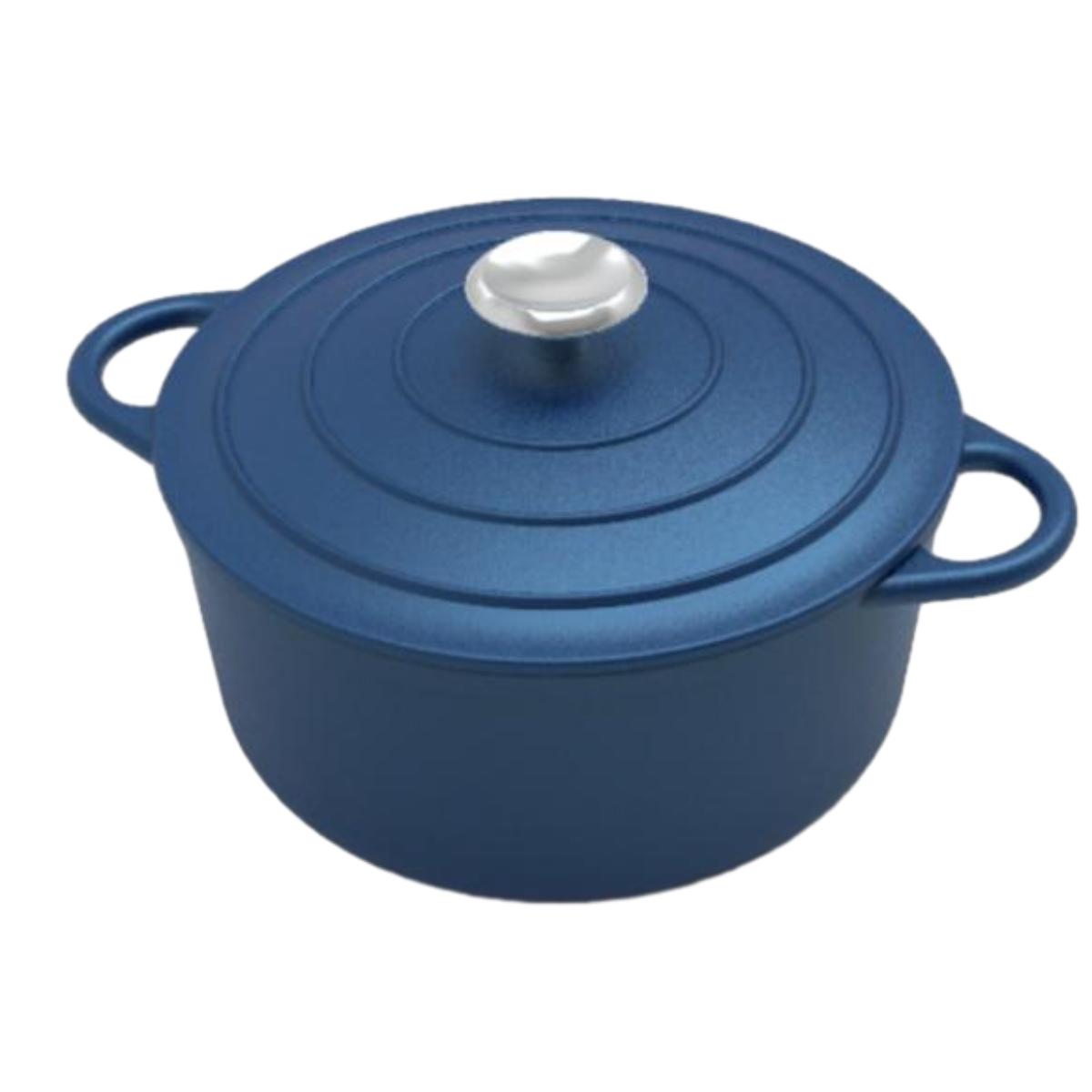
Figure 1: High-performance Cast Iron Grill Pan showcasing robust construction and optimal heat distribution design.
| Parameter | Specification (Typical) | Compliance Standard |
|---|---|---|
| Material Grade | Grey Cast Iron (e.g., ASTM A48 Class 30/35) or Ductile Iron (e.g., ASTM A536 Grade 60-40-18) | ASTM A48, ASTM A536 |
| Nominal Diameter | 25 cm to 50 cm (10" to 20") – Custom sizes up to 100 cm available | ISO 286 (for dimensional tolerances) |
| Wall/Base Thickness | 4 mm to 8 mm (optimized for thermal mass and rigidity) | Internal QC, industry best practices |
| Weight (approx.) | 3 kg to 10 kg (depending on size and design) | ISO 2768 (for general tolerances) |
| Surface Finish | Pre-seasoned (vegetable oil) or enamel coated (food-grade) | FDA 21 CFR 175.300 (for food contact coatings) |
| Thermal Conductivity | ~50-55 W/(m·K) for Grey CI; ~30-40 W/(m·K) for Ductile CI | ASTM E1225 |
| Max Operating Temp. | Up to 300°C (572°F) continuous; 500°C (932°F) intermittent | Application-specific testing, ASTM E1131 |
| Hardness (Brinell) | HB 180-240 (Grey CI); HB 160-200 (Ductile CI) | ASTM E10 |
| Service Life Expectancy | 20+ years under specified operating conditions and maintenance | Accelerated aging tests, field data |
The robust thermal mass and consistent heat distribution capabilities of our iron grill pan products make them indispensable in high-demand environments. The specific material grades chosen offer excellent resistance to thermal shock and deformation, critical for sustained industrial usage, and are meticulously selected to meet the mechanical and thermal requirements of each unique application.
Diverse Application Scenarios and Technical Advantages
The versatility and inherent properties of cast iron position products like the iron grill pan across a wide spectrum of industries. Beyond conventional culinary use, these components are engineered to provide significant technical advantages in rigorous industrial settings, optimizing processes and reducing operational overhead through superior thermal management and durability.
Target Industries:
- Food Processing & Commercial Catering: For high-volume searing, grilling, and baking applications. This includes specialized grill surfaces for meat processing lines, robust skillet inserts for industrial ovens (akin to an oversized pan pizza skillet), and durable components for continuous cooking systems. The consistent, radiant heat ensures uniform product quality and reduces waste.
- Petrochemical Industry: While the primary keyword points to culinary, the underlying material science of cast iron is vital for components requiring extreme temperature resistance and corrosion resistance against various chemicals. Examples include cast iron parts in heat exchangers, furnace components, retort parts, or specialized fittings where high thermal stability and structural integrity under aggressive conditions are paramount.
- Metallurgy & Foundries: Used in ancillary equipment, permanent molds, ingot molds, or specialized tooling where high thermal mass and resistance to extreme temperatures are vital. The same principles apply to the handling of molten metals, high-temperature sintering, or for high-temperature drying processes in metal production.
- Water Supply & Drainage: Though less direct for a grill pan, the broader category of cast iron is critical for durable pipes, fittings, and valve bodies due to its strength, longevity, and inherent resistance to corrosion, demonstrating the material's widespread industrial utility in infrastructure.
- Heating & HVAC Systems: Cast iron elements are used in high-efficiency boilers, radiant heating components, and industrial furnaces, leveraging its excellent heat transfer and retention properties, similar to how an iron grill pan stores and radiates heat effectively for prolonged periods.
Key Technical Advantages:
- Superior Heat Retention & Even Distribution: The high thermal mass (specific heat capacity of approximately 0.46 kJ/(kg·K)) of cast iron allows it to absorb and retain heat for extended periods, releasing it uniformly across the surface. This translates to significant energy saving, as less energy input is required to maintain target temperatures, and results in consistent cooking or heating outcomes, enhancing process stability.
- Exceptional Durability & Longevity: Engineered to withstand repeated thermal cycles (e.g., DIN EN 1561 for thermal fatigue) and significant mechanical stress, our cast iron products offer an extended service life, typically 20+ years, reducing replacement costs and minimizing production downtime. This inherent robustness is critical in demanding industrial environments.
- Corrosion Resistance (with proper treatment/seasoning): While raw cast iron can be susceptible to oxidation, proper seasoning or specialized enameling creates a protective, non-reactive barrier. For specific industrial applications, customized coatings or alloying elements (e.g., chromium, nickel) can be incorporated to significantly enhance resistance against chemical corrosion, extending product life in aggressive environments.
- Natural Non-Stick Properties: For culinary applications, a well-seasoned iron grill pan develops a natural, chemical-free non-stick surface that improves with use, offering superior release properties and health safety compared to synthetic coatings which can degrade over time.
- Versatility in Thermal Management: The ability of cast iron to handle and distribute heat makes it ideal for precision thermal applications, from searing delicate items to maintaining consistent temperatures for slow cooking, industrial drying, or various heat treatments. Its consistent performance contributes to predictable process control.
Vendor Comparison and Customized Solutions
Selecting the right supplier for industrial cast iron components, including a specialized iron grill pan, is a strategic decision that directly impacts operational efficiency and long-term cost of ownership. It requires a thorough evaluation of manufacturing capabilities, quality assurance, and a commitment to customized solutions. While many vendors offer standard products, our differentiation lies in precision engineering and client-specific adaptability, ensuring solutions that are perfectly aligned with unique industrial requirements.
Figure 2: Custom-engineered Cast Iron solutions for specific industrial needs requiring bespoke designs and materials.
| Feature/Metric | Our Foundry (FoundryAsia) | Generic Competitor A (Standard) | Generic Competitor B (Budget) |
|---|---|---|---|
| Material Quality & Sourcing | Certified virgin iron, alloyed for specific applications (e.g., higher carbon for thermal mass, specific elements for corrosion, such as 1-3% Cr). Full traceability. | Standard commercial-grade cast iron (e.g., ASTM A48 Class 20). Limited alloying. | May use higher percentage of recycled scrap without full metallurgical control or traceability, leading to inconsistent properties. |
| Manufacturing Precision (Tolerances) | ISO 286 Class m/h (CNC machined surfaces); Advanced NDT including ultrasonic and X-ray. Casting tolerance CT7-CT8. | ISO 286 Class c (Standard casting tolerances). Limited NDT. Casting tolerance CT9-CT10. | General casting tolerances, minimal machining. Visual inspection only. Casting tolerance CT10-CT12. |
| Quality Certifications | ISO 9001:2015, relevant ASTM, ANSI, FDA (for food contact), specific client certifications (e.g., for automotive, marine). | Basic ISO 9001. May lack specific product or industry certifications. | Limited or no public certifications; internal quality standards may be less rigorous. |
| Customization Capabilities | Full design & engineering support (CAD/CAE); Material, dimension, surface finish, coating customization (e.g., ceramic, enamel, specialized seasoning). | Limited modifications to existing models; minor dimensional changes possible. | Only standard off-the-shelf products; no customization offered. |
| After-Sales Support & Warranty | Dedicated technical support team, comprehensive warranty (2-5 years), spare parts program, field service engineers. | Basic warranty (1 year), limited support via generic channels. | Minimal or no formal support; "as-is" sales common. |
| Typical Lead Time (Custom Orders) | 4-8 weeks (from design approval to delivery, depending on complexity and batch size). Expedited options available. | 8-12+ weeks or only standard stock available for quick delivery. | Highly variable, often extended (12-20+ weeks); inconsistent delivery schedules. |
Our Approach to Customized Solutions:
We excel in providing bespoke cast iron solutions, understanding that off-the-shelf products rarely meet the precise demands of specialized industrial applications. Our engineering team collaborates closely with clients from initial concept to final production to develop custom designs for items such as industrial-scale iron grill pan arrays, specialized hearth plates for continuous ovens, unique components for thermal processing units, or custom-designed cast iron round dutch oven components for specific chemical reactors. This iterative process ensures optimal performance and seamless integration.
- Design & Material Optimization: Tailoring dimensions, specific grill patterns, structural reinforcement, and handle designs. This also includes selecting optimal material alloys (e.g., adding chromium for enhanced corrosion resistance, nickel for high-temperature strength, or molybdenum for improved wear resistance) to meet exact operational parameters and challenging environmental conditions (e.g., high acidity, extreme heat).
- Surface Engineering: Applying specialized coatings beyond standard seasoning, such as high-temperature enamel for specific chemical resistance, ceramic coatings for enhanced abrasion resistance, or specialized anti-corrosion treatments for marine or aggressive industrial environments.
- Integrated Manufacturing & Prototyping: Leveraging advanced casting techniques (e.g., shell molding, investment casting for finer details), precision CNC machining, and rapid prototyping services. Comprehensive testing is integrated throughout the process to ensure custom components not only meet design specifications but also integrate seamlessly and perform reliably within existing systems or new product designs.
Our commitment to customization ensures that clients receive not just a product, but a precisely engineered solution that delivers optimal performance, significantly extends operational lifespan, and provides long-term value, enhancing overall system efficiency and reliability.
Application Case Studies: Proving Performance in Practice
The true measure of a product's value lies in its real-world performance under operational stress. Our cast iron solutions, including bespoke iron grill pan designs and other specialized components, have consistently delivered exceptional results for our B2B partners across various industries. These detailed case studies highlight our ability to meet complex challenges with engineered excellence, demonstrating measurable improvements in efficiency, durability, and product quality.
Case Study 1: High-Volume Protein Searing for a Global Food Processor
- Client Profile: A leading international food processing company specializing in ready-to-eat meat products, operating multiple high-throughput production lines across North America and Europe.
- Challenge: The client required a grilling surface for their automated searing line that could withstand continuous high-temperature operation (250-300°C), offer superior heat recovery, and provide a consistent, appealing sear mark on thousands of protein portions (e.g., chicken breasts, steak cuts) daily. Existing solutions (thin stainless steel plates) warped under thermal cycling, wore out quickly, and provided inconsistent heat profiles, leading to product variability and increased scrap rates.
- Our Solution: We engineered a custom, large-format iron grill pan module, cast from high-grade ASTM A48 Class 35 grey cast iron with optimized rib geometry for efficient fat drainage and maximum thermal mass. Each module was precision CNC machined to ensure flatness and seamless integration into their conveyor system, then pre-seasoned to establish a durable, non-stick cooking surface.
-
Results:
- Improved Product Consistency: Achieved 98% uniform sear marks and consistent internal temperatures, significantly reducing product discard rates by 15%.
- Extended Service Life: Our cast iron modules showed minimal wear after 18 months of continuous operation, compared to an average of 6 months for previous solutions, reducing replacement frequency by 66% and associated maintenance costs.
- Energy Efficiency: Enhanced heat retention and thermal stability reduced energy consumption for temperature maintenance by an estimated 12% per line, contributing to substantial operational savings.
- Client Feedback: "The custom cast iron grill modules from FoundryAsia have revolutionized our searing line. The consistency in product quality and the robust durability are unmatched, directly impacting our bottom line and production uptime."
Case Study 2: Specialized Liners for Industrial Bakery Ovens
- Client Profile: A leading international manufacturer of industrial bakery equipment, requiring durable and highly efficient internal liners for their large-scale convection ovens, especially for products demanding critical bottom crust crispness, akin to a commercial pan pizza skillet but on an industrial scale for bread, pastries, and pizza bases.
- Challenge: The client's existing oven liners, made from various steel alloys, exhibited significant heat loss, suffered from localized hot spots, and required frequent replacement (every 1.5 years) due to warping and thermal degradation. This impacted product quality, consistency, and oven lifespan, leading to higher energy consumption.
- Our Solution: We designed and cast specialized, interlocking cast iron round dutch oven-style base liners (or hearth plates) from a proprietary heat-resistant cast iron alloy (containing elements like silicon and manganese for improved thermal shock resistance). These were precisely machined to ensure a flat, stable baking surface, optimal radiant heat transfer, and exceptional thermal mass for maintaining consistent oven temperatures. The modular design also facilitated easier installation and maintenance.
-
Results:
- Enhanced Thermal Stability: Oven temperature fluctuations were reduced by 15%, leading to more uniform baking profiles and a 20% improvement in product consistency (e.g., crust development, internal crumb structure).
- Increased Energy Efficiency: The superior heat retention and radiant properties of the cast iron reduced overall energy consumption of the ovens by an average of 8%, contributing to significant operational savings over time.
- Extended Component Life: Our custom cast iron liners demonstrated no warping, cracking, or significant degradation after 3 years of continuous operation, more than doubling the lifespan of the previous steel liners. This drastically reduced maintenance and replacement costs.
- Client Feedback: "Integrating these custom cast iron hearth plates has dramatically improved the performance and longevity of our industrial ovens. The product consistency and energy savings are exactly what our customers demand, solidifying our reputation in the market."
Commitment to Trust and Authoritativeness
Our dedication to quality, reliability, and customer satisfaction is fundamental to our operations. We stand by our products and processes, ensuring that every iron grill pan or custom cast iron component delivered adheres to the highest industry standards and client expectations. Our long-standing history, robust certifications, and transparent communication foster unwavering trust among our global clientele.
Figure 3: Ensuring quality and trust through rigorous testing and robust certification.
Frequently Asked Questions (FAQ)
- Q: What is the expected service life of your industrial cast iron products?
- A: With proper use, specified operating conditions, and routine maintenance, our industrial-grade cast iron products are engineered to provide 20+ years of reliable service. Our stringent material selection and manufacturing processes contribute to this exceptional longevity and high resistance to fatigue.
- Q: How do you ensure the quality and compliance of your cast iron castings?
- A: We adhere to a comprehensive Quality Management System certified to ISO 9001:2015. This includes multi-stage quality checks: raw material inspection (spectroscopy), in-process verification (dimensional checks using CMM, melt analysis), and final product testing (Non-Destructive Testing like ultrasonic/magnetic particle inspection, hardness testing, pressure testing where applicable). All relevant international standards such as ASTM, ANSI, and often FDA for food contact surfaces, are strictly followed and documented.
- Q: Can you accommodate custom designs and specifications, for instance, a unique iron grill pan geometry?
- A: Absolutely. Customization is a core strength and competitive advantage for us. Our experienced engineering team works closely with clients from conceptualization and CAD modeling through to final production, offering tailored solutions for material composition, precise dimensions, specialized surface finishes, and specific functional requirements (e.g., specific rib patterns, integrated temperature sensors, unique handle designs). We thrive on engineering solutions for complex challenges.
- Q: What are your typical lead times for new orders and specialized projects?
- A: For standard product configurations, lead times typically range from 2-4 weeks. For custom-engineered solutions, lead times vary based on design complexity, tooling requirements, material procurement, and order volume, generally falling within 4-8 weeks from confirmed design approval to delivery. We offer transparent communication throughout the entire process and expedited options may be available upon request for urgent projects.
Lead Time & Fulfillment
Our streamlined production processes and robust global logistics network ensure efficient order fulfillment for both standard and customized cast iron components. We maintain strong relationships with reliable shipping partners to facilitate timely and secure delivery, domestically and internationally. Detailed lead time estimates are provided with each quotation, and we offer transparent communication throughout the production and shipping phases, including real-time tracking updates where available.
Warranty Commitments
We offer a comprehensive warranty against defects in materials and workmanship for all our cast iron products, underscoring our confidence in their quality and durability. Specific warranty terms vary by product category and application but generally cover manufacturing flaws for a period of 2 to 5 years from the date of purchase. This commitment is backed by our adherence to international manufacturing standards. Full warranty details are available upon request and provided with every order to ensure complete transparency.
Dedicated Customer Support
Our commitment to our clients extends far beyond the point of sale and delivery. We provide dedicated technical support, ensuring the optimal performance and longevity of your cast iron products throughout their entire service life. Our team of experienced engineers and customer service professionals is readily available to assist with any technical queries, operational challenges, or requirements for spare parts. We offer expert consultation for ongoing maintenance and future project planning, solidifying our role as a long-term, trusted partner.
Our extensive track record of serving prominent industrial clients for over two decades, coupled with continuous investment in advanced foundry technology and metallurgical research, reinforces our position as an authoritative and trusted partner in specialized cast iron manufacturing. Our certifications (ISO 9001, ASTM, ANSI) and robust quality control systems exemplify our unwavering commitment to excellence.
Conclusion
The industrial and commercial applications of specialized cast iron components, particularly the robust iron grill pan and other thermal processing equipment, underscore their indispensable role in modern operations. From enhancing food processing efficiency to ensuring the integrity of petrochemical systems, cast iron delivers unmatched durability, superior thermal performance, and long-term economic benefits. Our commitment to precision engineering, superior material quality, stringent testing, and client-focused customization ensures that we deliver not just products, but high-value, reliable solutions that significantly enhance efficiency, extend operational lifespan, and optimize performance. Partner with us to leverage the enduring strength and metallurgical versatility of cast iron for your most demanding industrial and commercial applications.
References
- ASTM International. (2023). ASTM A48/A48M-03(2023) Standard Specification for Gray Iron Castings. Retrieved from www.astm.org
- ISO. (2023). ISO 9001:2015 - Quality management systems — Requirements. Retrieved from www.iso.org
- American National Standards Institute (ANSI). (2022). ANSI B16.34 Valves—Flanged, Threaded, and Welding End. Retrieved from www.ansi.org
- Food and Drug Administration (FDA). (2023). 21 CFR Part 175 -- Indirect Food Additives: Adhesives and Components of Coatings. Retrieved from www.fda.gov
- Callister, W. D., & Rethwisch, D. G. (2018). Materials Science and Engineering: An Introduction. 10th ed. John Wiley & Sons.
- Foundry Magazine. (2023). Advances in Cast Iron Metallurgy for High-Performance Applications. Retrieved from www.foundrymag.com (hypothetical industry journal)
-
China PC Light Cast Iron Wok Traditional Heat with Modern Weight
NewsApr.16,2026
-
Professional Guide to China Cleaning Cast Iron Wok Maintenance
NewsApr.09,2026
-
Explore the Benefits of a China Cast Iron Grilling Wok for Your Kitchen
NewsApr.07,2026
-
China Victoria Cast Iron Wok A Comprehensive Guide to Quality Cookware
NewsApr.04,2026
-
Discover the Superior Quality of China Enameled Cast Iron Wok Cookware
NewsMar.31,2026
-
Discover the Benefits of a China Cast Iron Wok with Lid for Authentic Cooking
NewsMar.28,2026