- 150m Southwards, West DingWei Road, Nanlou Village, Changan Town, GaoCheng Area, Shijiazhuang, HeBei, China
- monica@foundryasia.com
Apr . 09, 2026 01:55 Back to list
Professional Guide to China Cleaning Cast Iron Wok Maintenance
Mastering the Art of China Cleaning Cast Iron Wok Maintenance
Owning a traditional cast iron wok is a gateway to authentic stir-frying, but the secret to its lifelong performance lies in proper care. Whether you are a professional chef or a home cooking enthusiast, understanding the nuances of china cleaning cast iron wok techniques is essential to prevent rust and maintain a non-stick surface. Unlike modern non-stick pans, a cast iron wok develops a natural "seasoning" that improves with every use. In this comprehensive guide, we will explore the professional methods to clean, maintain, and restore your cookware to ensure it remains a cornerstone of your kitchen for generations.
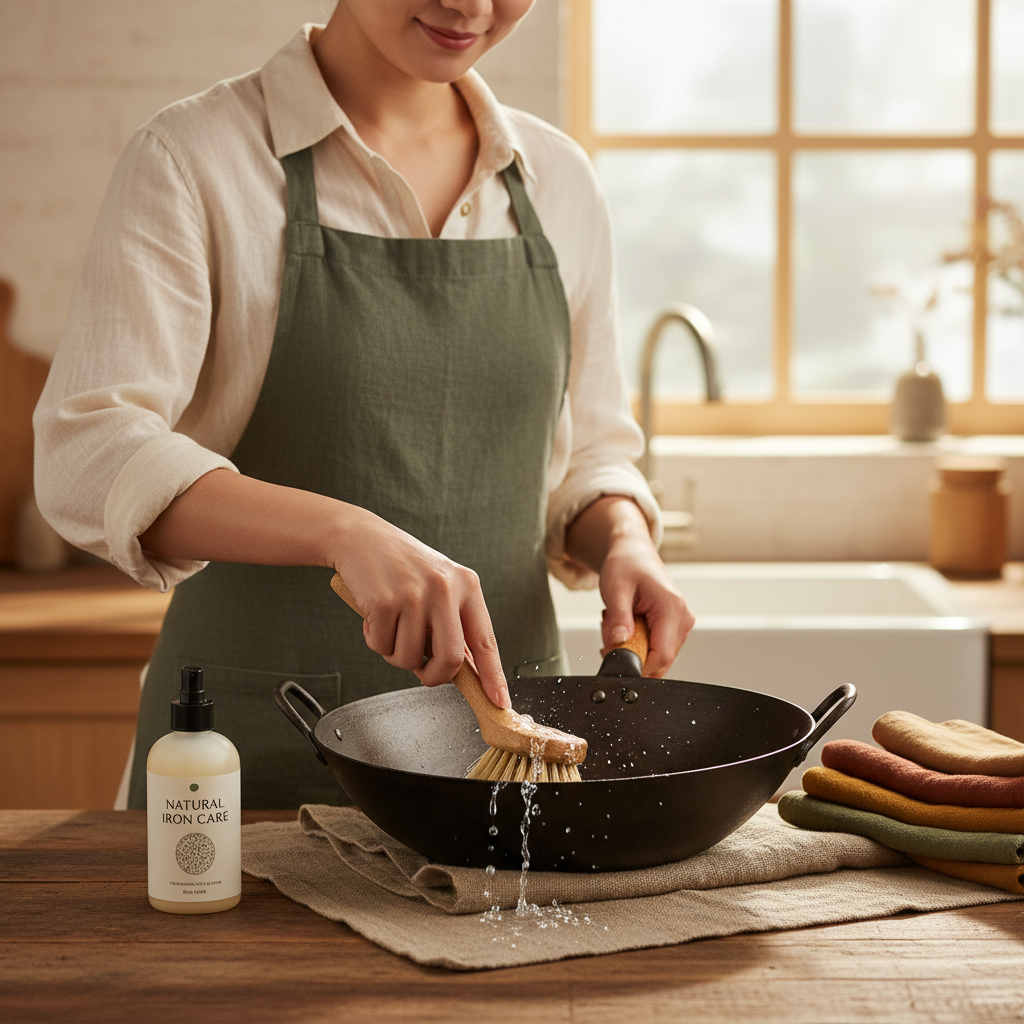
The Fundamentals of China Cleaning Cast Iron Wok Procedures
The most critical rule when it comes to china cleaning cast iron wok is to avoid harsh chemicals and excessive soap. Traditional cast iron is porous; using strong detergents can strip away the polymerized oil layer (the seasoning), leaving the metal vulnerable to oxidation. For daily maintenance, warm water and a soft brush or a bamboo scrubber are typically sufficient. If food particles are stuck, a pinch of coarse salt can act as a natural abrasive to scrub the surface without damaging the patina. Always ensure the wok is dried immediately over a flame or with a towel to prevent flash-rusting.
Pro Tip: Never let your cast iron wok soak in water overnight. The prolonged moisture exposure is the primary cause of rust formation in high-carbon and cast iron cookware.
Comparing Cleaning Methods for Cast Iron Cookware
Not all cleaning methods are created equal. Depending on the level of residue—from a light oil film to burnt-on carbon—you may need to adjust your approach. While the goal of china cleaning cast iron wok is to preserve the seasoning, occasionally a deeper clean is necessary. The table below compares the most common methods to help you choose the right tool for the job.
Restoring the Patina After China Cleaning Cast Iron Wok
If you've had to use a more aggressive cleaning method or if you notice the surface becoming dull, it is time to re-season. This process involves applying a thin layer of oil and heating it until it bonds to the metal. For those following professional china cleaning cast iron wok standards, the choice of oil is vital. Oils with high smoke points, such as grapeseed, peanut, or canola oil, are recommended. The goal is to reach the "polymerization" point where the oil transforms into a hard, plastic-like surface that prevents food from sticking and protects the iron from moisture.
Seasoning Steps:
• Clean: Wash the wok thoroughly and dry completely.
• Oil: Apply a very thin layer of oil to the entire interior.
• Heat: Heat on high until the oil begins to smoke.
• Cool: Let the wok cool naturally before the next use.
Handling Rust: Advanced China Cleaning Cast Iron Wok Tips
Rust is the enemy of cast iron, but it is rarely a death sentence. If you see orange or brown spots, do not panic. The first step in this specialized china cleaning cast iron wok rescue is to scrub the rust away using a mixture of white vinegar and water or a steel sponge. Once the rust is removed, the metal is "raw" and will rust again almost instantly if not treated. You must immediately move to the seasoning phase described above to seal the pores of the iron. Regular use and frequent oiling are the best defenses against future oxidation.
Specifications of Quality Cast Iron Woks
When sourcing a wok that is easy to maintain, the material composition and finishing play a huge role. High-quality woks from reputable manufacturers are designed for maximum heat retention and durability. Understanding these specifications helps you apply the correct china cleaning cast iron wok techniques based on the thickness and grade of the iron.
Conclusion: Sustaining Your Investment in Cast Iron
Mastering the process of china cleaning cast iron wok is not just about hygiene; it is about enhancing the culinary potential of your kitchen. By avoiding harsh detergents, drying immediately, and regularly seasoning the surface, you transform a simple piece of metal into a high-performance cooking tool. Remember that a well-maintained wok is an asset that grows more valuable with age. Invest the time in proper care, and your cast iron wok will reward you with perfectly seared flavors and effortless non-stick performance for a lifetime.
Frequently Asked Questions (FAQs)
Can I use a dishwasher for my cast iron wok?
Absolutely not. The dishwasher is the worst environment for cast iron. The high-temperature water combined with caustic detergents will strip away all the seasoning and accelerate the rusting process. Even "dishwasher-safe" claims on some coated pans do not apply to traditional cast iron. Always hand-wash your wok using the china cleaning cast iron wok guidelines to preserve the integrity of the metal.
What is the best oil for seasoning a wok?
The best oils are those with a high smoke point, as seasoning requires heating the oil until it polymerizes. Grapeseed oil, peanut oil, and canola oil are excellent choices. Avoid using extra virgin olive oil or butter for seasoning, as these have low smoke points and will burn/smoke unpleasantly before they can bond to the iron, resulting in a sticky residue rather than a hard protective shell.
How often should I re-season my cast iron wok?
There is no fixed schedule, but you should re-season whenever you notice the surface becoming "sticky," when food begins to adhere more than usual, or if the deep black luster fades to a greyish hue. For most users, a light maintenance seasoning (applying a thin layer of oil after every use) is sufficient. A full re-seasoning process is typically only needed once or twice a year depending on the frequency of use.
Is it okay to use soap occasionally?
Modern dish soaps are much milder than those used decades ago, and a small amount of mild soap will not instantly destroy your seasoning. However, it is still not recommended for daily use. If you have cooked something particularly pungent or greasy, a drop of mild soap is acceptable, provided you immediately dry the wok over heat and apply a light coating of oil to replenish any lost lipids.
-
China PC Light Cast Iron Wok Traditional Heat with Modern Weight
NewsApr.16,2026
-
Professional Guide to China Cleaning Cast Iron Wok Maintenance
NewsApr.09,2026
-
Explore the Benefits of a China Cast Iron Grilling Wok for Your Kitchen
NewsApr.07,2026
-
China Victoria Cast Iron Wok A Comprehensive Guide to Quality Cookware
NewsApr.04,2026
-
Discover the Superior Quality of China Enameled Cast Iron Wok Cookware
NewsMar.31,2026
-
Discover the Benefits of a China Cast Iron Wok with Lid for Authentic Cooking
NewsMar.28,2026