• 150m Southwards, West DingWei Road, Nanlou Village, Changan Town, GaoCheng Area, Shijiazhuang, HeBei, China
  • monica@foundryasia.com

Premium enameled cast iron wok Solutions for Egypt's Culinary Market

Combining traditional metallurgy with modern precision to empower Egyptian kitchens and professional food services with lifelong durability.

Premium enameled cast iron wok Solutions for Egypt's Culinary Market

We provide high-performance metal cookware engineered for the intense heat and diverse cooking styles of the Egyptian market, ensuring thermal stability and superior heat distribution.

The Current State of Cast Iron Ware in Egypt

Analyzing the intersection of ancient cooking traditions and modern industrial demands.

In Egypt, the culinary landscape is characterized by a preference for high-heat cooking and slow-simmered stews. The local market currently relies heavily on a mix of imported premium brands and local artisanal products. However, there is a significant gap in the availability of industrial-grade cast iron skillet options that can withstand the extreme temperature fluctuations common in Middle Eastern kitchens.

Climate factors in Egypt, specifically the high humidity in coastal cities like Alexandria and the arid heat of Cairo, pose a challenge for traditional cast iron maintenance. This has led to a rising demand for enameled finishes that prevent oxidation while maintaining the heat retention properties that professional chefs in the region demand for authentic Egyptian cuisine.

Economically, the shift toward sustainable, "buy-it-for-life" kitchenware is gaining momentum. Consumers are moving away from cheap non-stick coatings toward a cast iron griddle that offers both health benefits and long-term cost efficiency, reflecting a broader trend in the Egyptian manufacturing sector toward durable metal goods.
Evolution of Metal Cookware Technology

From traditional sand casting to precision CNC-machined culinary tools.

Market Development History

Until the early 2000s, the Egyptian market was dominated by heavy, sand-cast iron pots with irregular surfaces. These tools were effective but lacked the precision required for modern gas and electric stoves, often resulting in uneven heat spots.

Between 2010 and 2020, the introduction of automated molding and refined polishing techniques allowed for the mass production of the cast iron casserole. This era saw the transition from rough industrial casting to consumer-grade cookware with standardized dimensions and improved ergonomic handles.

In the current phase, we have entered the era of material science integration. The focus has shifted to advanced enameling processes and alloy optimization, ensuring that products like the cast iron grill pan offer a perfect balance between weight, heat conductivity, and surface durability.

Future Development Trends

Lightweight Alloy Integration

The next 3 years will see a shift toward "light-cast" iron, reducing the physical burden on the user without sacrificing the thermal mass necessary for searing.

Smart Coating Technology

We anticipate a surge in nano-ceramic enameling, which will further reduce the need for seasoning while increasing the scratch resistance of high-end woks.

Eco-Friendly Smelting

Following global Google search trends for "sustainable manufacturing," Egyptian importers are increasingly seeking products made from recycled scrap metal and produced using low-carbon furnaces.

Industry Trends and Future Outlook

Strategic forecasting for the metal daily-use products sector in North Africa.

Thermal Efficiency Optimization
Improving heat distribution to reduce energy consumption in residential Egyptian kitchens.
Anti-Corrosion Enameling
Advanced vitrified coatings to combat the high salinity of coastal Egyptian air.
Hybrid Induction Compatibility
Designing bases that work seamlessly across traditional flame and modern induction hobs.
Customized Ergonomics
Tailoring handle grip and pan weight to the specific usage habits of Middle Eastern chefs.

Industry Outlook

The trajectory for metalware in Egypt is moving toward high-value specialization. As the middle class grows, there is a shift from basic utility to "culinary investment," where professional-grade tools are viewed as long-term assets. This creates a massive opportunity for precision-engineered cast iron products.

Furthermore, the integration of B2B supply chains with Egypt's growing tourism and hospitality sector means that standardized, high-durability kitchenware will be essential for maintaining consistency in hotel and restaurant operations across the Nile Delta.

Localized Application Scenarios in Egypt

How our cast iron solutions solve real-world cooking challenges in the Egyptian heartland.

1. Traditional Molokhia and Stew Prep

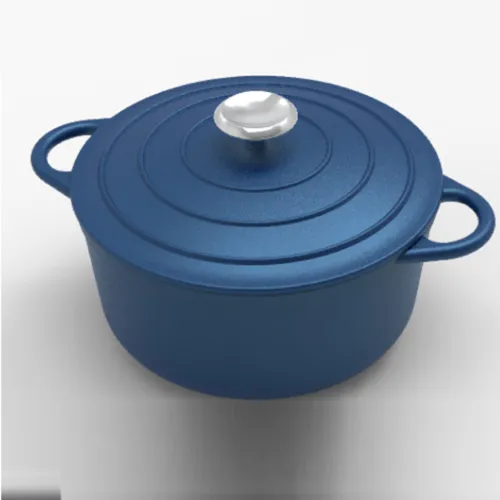
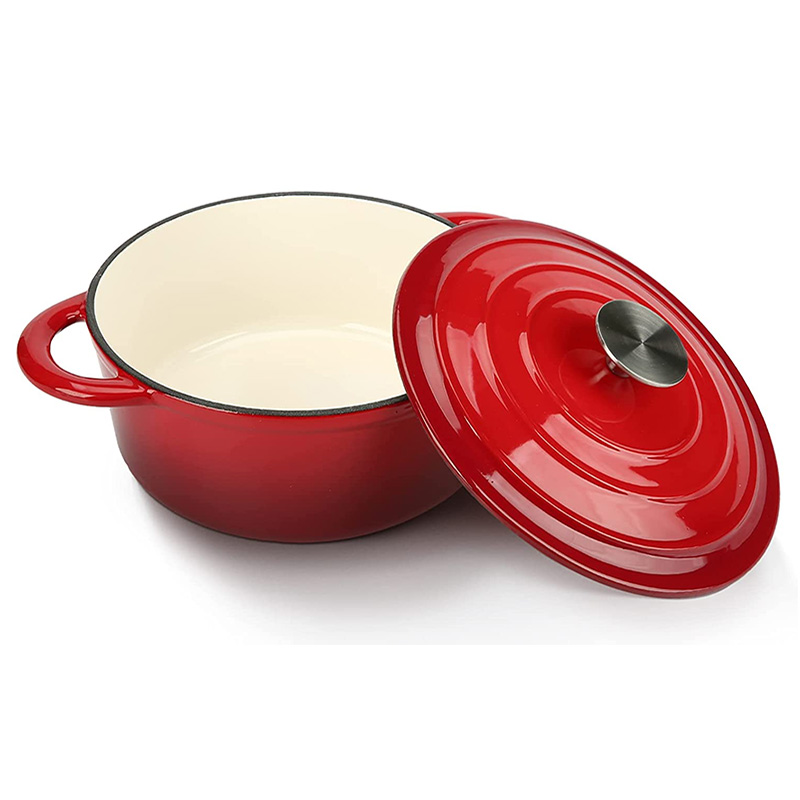
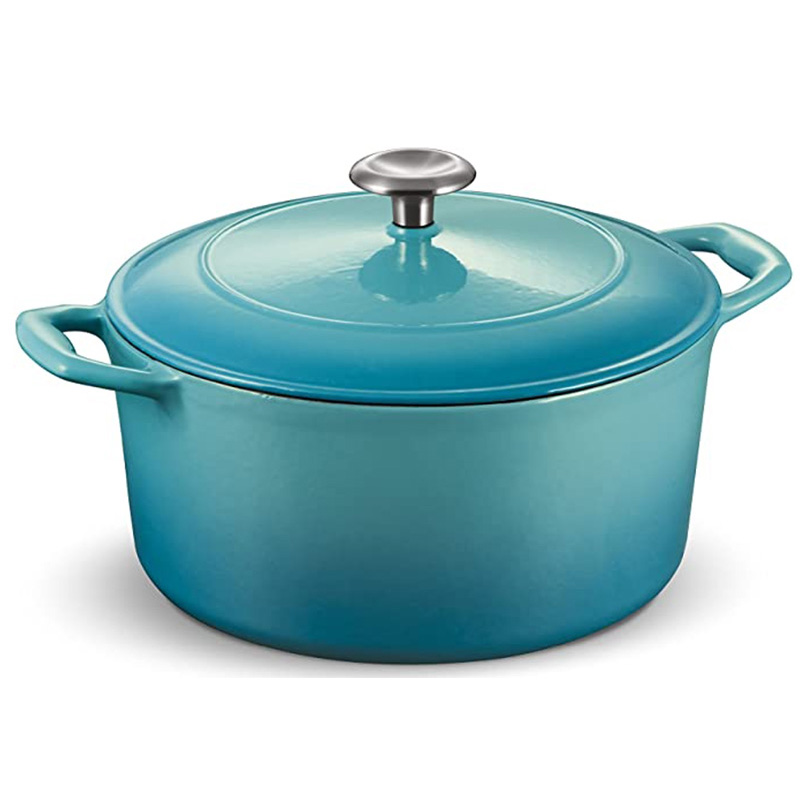
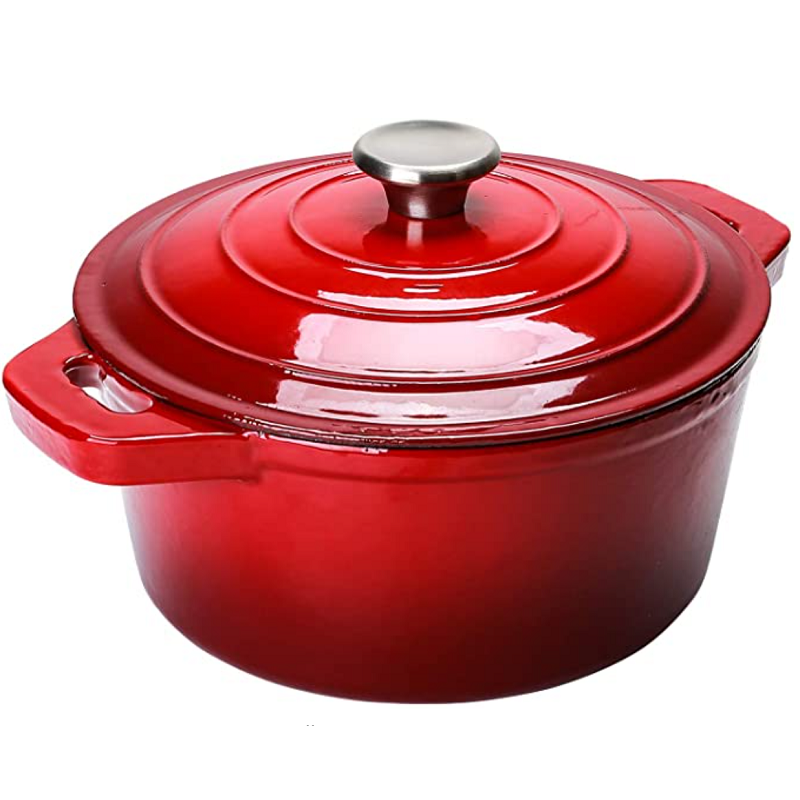
Using a cast iron casserole for slow-cooking hearty stews ensures a consistent temperature that prevents burning at the bottom, essential for the thick consistency of traditional Egyptian greens.

2. High-Heat Street Food Searing

The cast iron griddle is ideal for the fast-paced environment of Cairo's street food vendors, providing the rapid heat recovery needed for searing meats and grilling flatbreads.

3. Professional Gourmet Grilling

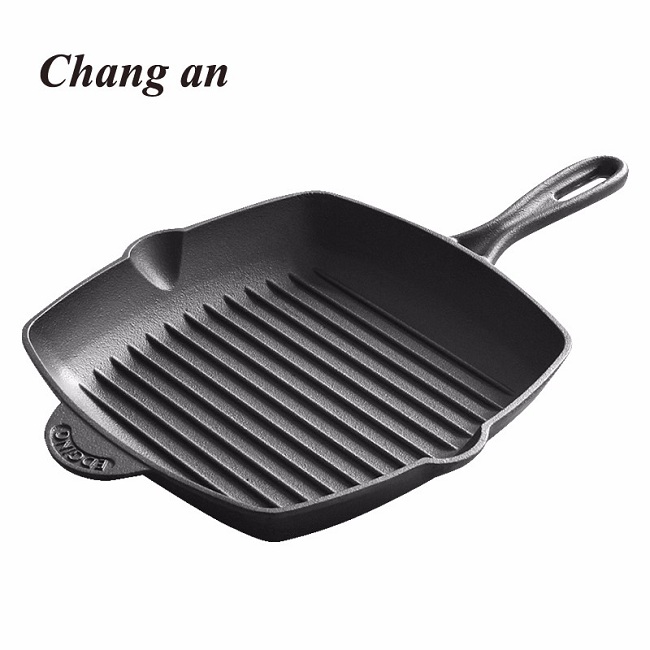
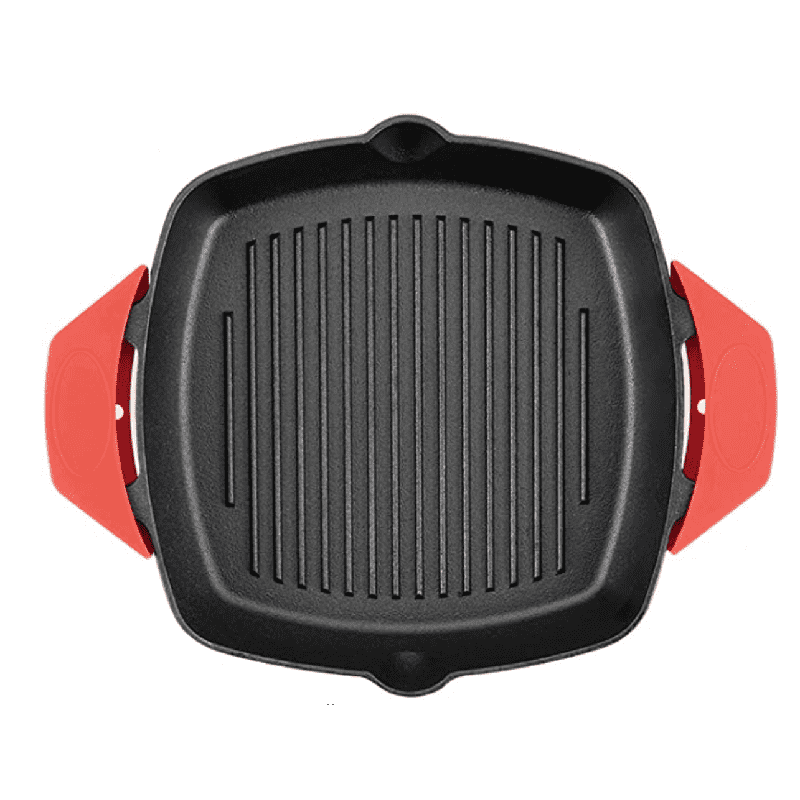
In upscale hotels in Giza, the cast iron grill pan allows chefs to achieve authentic char-marks and smoky flavors indoors, mimicking open-fire cooking for international tourists.

4. Family-Style Breakfasts

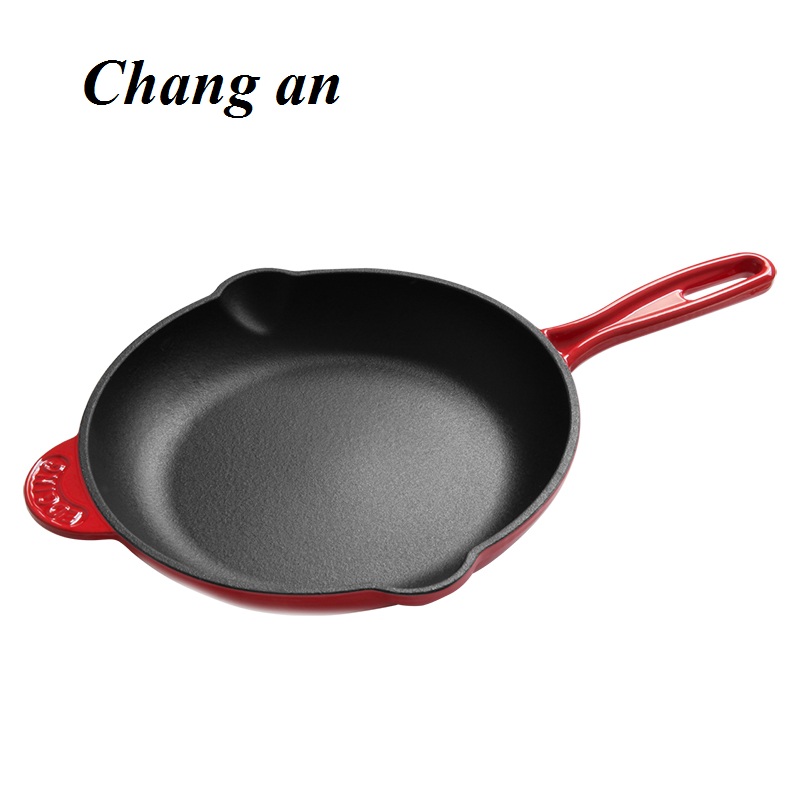
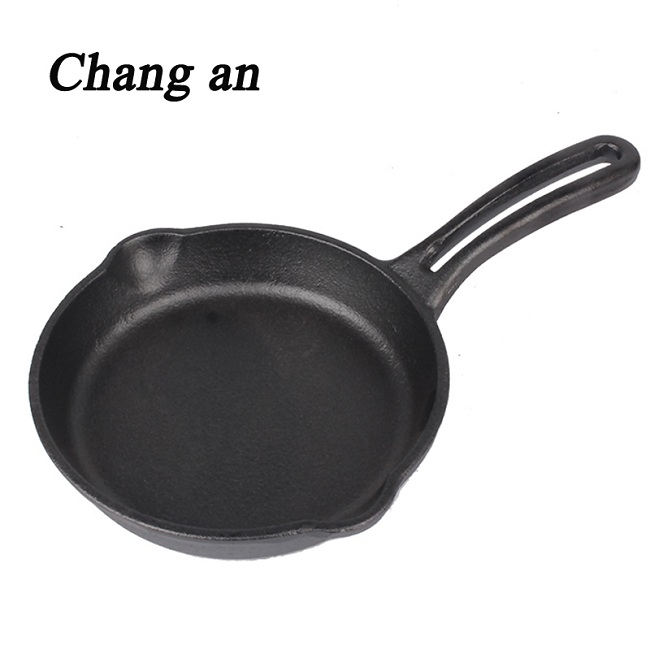
The cast iron skillet serves as the perfect vessel for preparing Foul Mudammas and Shakshuka, moving seamlessly from the stovetop to the dining table to keep food warm.

5. Fusion Stir-Fry Adaptation

The enameled cast iron wok is increasingly used in urban Egyptian kitchens to combine traditional ingredients with Asian-style stir-frying, offering a non-reactive surface for acidic sauces.

Brand Story

Global Development Journey of Hebei Chang'an Spheroidal Graphite Iron Casting Co., Ltd.

Industrial Foundations

Founded on the principles of metallurgical excellence, we began by mastering the complex chemistry of spheroidal graphite iron to eliminate the brittleness of traditional cast iron.

Precision Engineering Shift

We transitioned from heavy industrial parts to high-precision kitchenware, investing in CNC machining to ensure perfectly flat bases for all our cookware.

Enameling Innovation

To solve the pain point of rust and maintenance, we developed a proprietary multi-layer enameling process that bonds glass to metal at extreme temperatures.

Global Market Expansion

Expanding our reach to Africa and the Middle East, we tailored our product weights and thermal properties to suit the specific climatic and culinary needs of the region.

Commitment to Sustainability

Today, our mission is to provide the world with "lifetime tools," reducing the global footprint of disposable cookware through unmatched durability.

Egyptian Market FAQ: Cast Iron Care & Use

Expert answers to the most common questions from our Egyptian partners and customers.

How do I prevent a cast iron skillet from rusting in humid coastal cities like Alexandria?

The key is maintaining a strong seasoning layer. After each use, dry your skillet completely on a warm burner and apply a thin layer of vegetable oil before storing. For those in high-humidity areas, we highly recommend our enameled versions which provide a permanent barrier against moisture.

Can I use a cast iron griddle on traditional Egyptian gas burners?

Yes, our griddles are specifically designed for high-output gas burners. The thick wall construction ensures that the heat is distributed evenly across the surface, preventing "hot spots" that often occur with thinner aluminum pans.

Is an enameled cast iron wok better than a carbon steel one for Middle Eastern cooking?

Enameled cast iron offers superior heat retention, which is better for slow-cooking and braising. It also eliminates the need for constant seasoning and is non-reactive, making it safer for cooking dishes with tomatoes or citrus.

How do I maintain a cast iron casserole used for heavy stews?

Avoid using metal scrubbers on enameled surfaces. Use warm soapy water and a soft sponge. For stubborn burnt-on food, simmer water and a bit of baking soda inside the pot to loosen the residue without scratching the finish.

What is the best way to sear meat using a cast iron grill pan?

Preheat the pan on medium-high heat for 5-7 minutes until it is sizzling hot. Apply oil to the meat rather than the pan to prevent the oil from smoking. The high thermal mass of our grill pans ensures the meat sears instantly upon contact.

Are your products safe for induction cooktops becoming popular in Cairo?

Absolutely. All our cast iron products are naturally ferromagnetic, making them 100% compatible with induction hobs. We ensure the bottom surface is precision-ground for maximum contact and efficiency.

Ready to Upgrade Your Culinary Infrastructure?

Our engineering team is ready to support wholesalers and distributors across Egypt with customized manufacturing solutions.

Contact Us Now

If you are interested in our products, you can choose to leave your information here, and we will be in touch with you shortly.