- 150m Southwards, West DingWei Road, Nanlou Village, Changan Town, GaoCheng Area, Shijiazhuang, HeBei, China
- monica@foundryasia.com
Aug . 31, 2025 01:20 Back to list
Light Weight Nonstick Enameled Cast Iron Skillet for All Stoves
Industry Trends & Market Dynamics
The culinary equipment sector, particularly for B2B applications in hospitality, institutional catering, and specialized food processing, is witnessing a significant paradigm shift. Demand is escalating for durable, high-performance cooking tools that offer both efficiency and operational ease. Traditional cast iron, while lauded for its heat retention, often faces criticism for its weight and maintenance requirements, particularly seasoning. This has propelled innovation, leading to the emergence of advanced solutions like the light weight nonstick cast iron enameled skillet.
Contemporary market trends indicate a strong preference for hybrid materials and sophisticated coatings that marry the best attributes of various metals. End-users are increasingly seeking cookware that is versatile across different heat sources—from traditional gas ranges to modern induction cooktops and even outdoor grilling environments. Furthermore, the nonstick attribute, historically associated with polymer coatings, is now being integrated into cast iron through advanced enameling techniques, offering enhanced durability and non-reactive cooking surfaces. This evolution addresses critical pain points for professional kitchens, including reduced staff fatigue from handling heavy cookware, simplified cleaning protocols, and extended product lifespan.
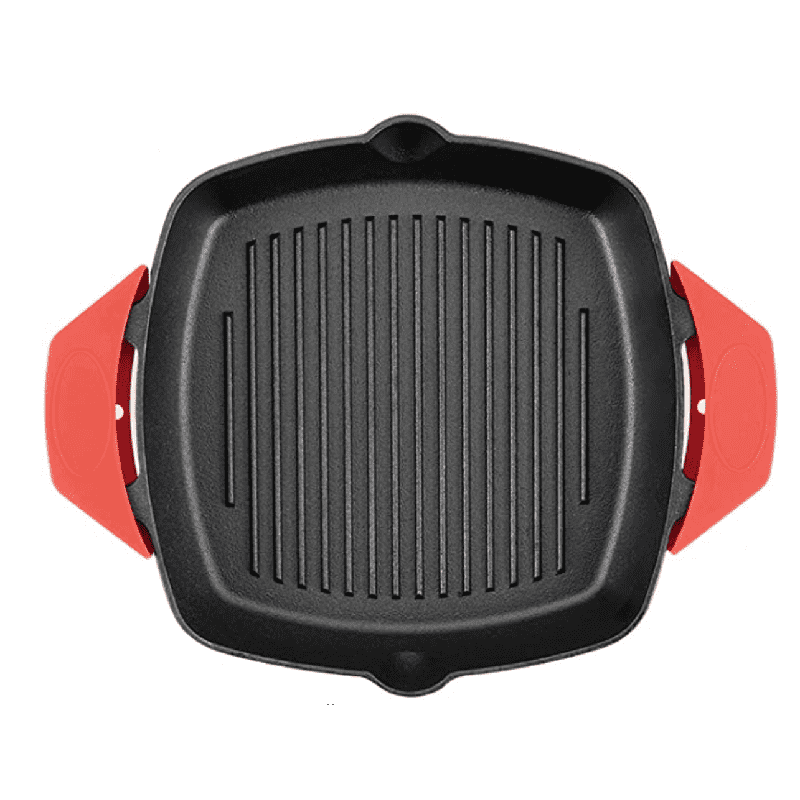
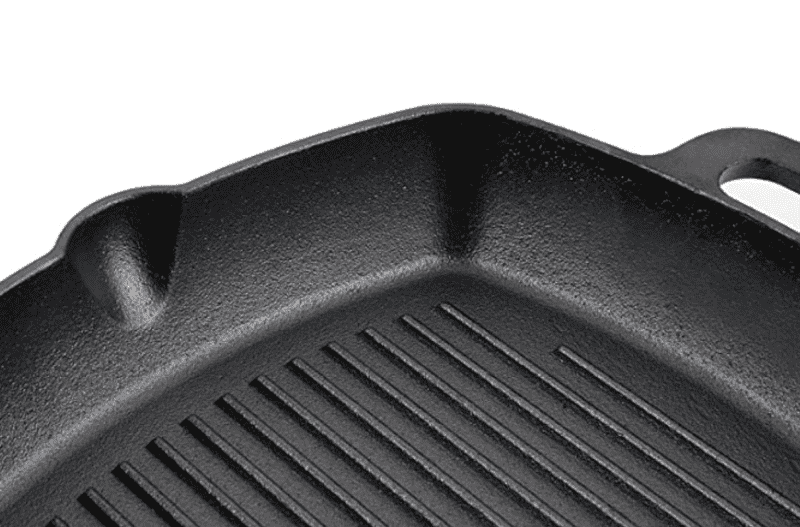
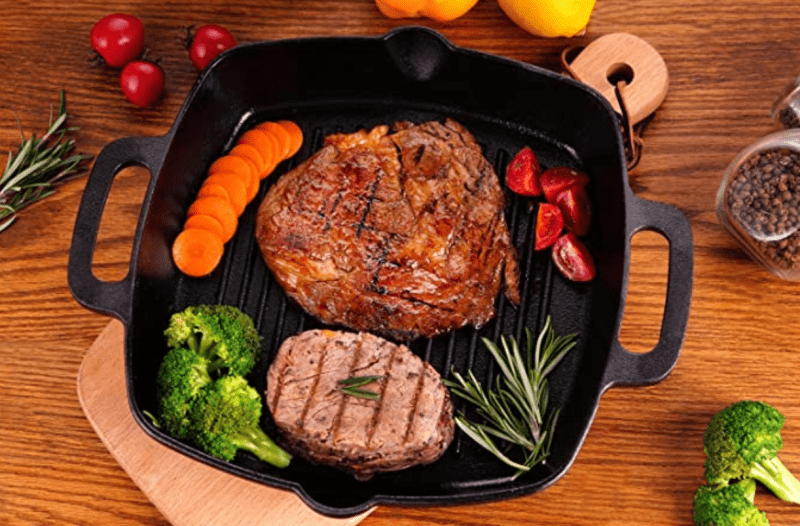
The drive for sustainable and energy-efficient kitchen operations also plays a pivotal role. Cookware designed for optimal heat transfer and retention contributes to lower energy consumption, aligning with broader industry goals for environmental responsibility. Brands are also focusing on ergonomic designs, such as the inclusion of heat-resistant silicone handles, to improve user experience and safety, a feature prominently found in the Cast Iron Grill Pan Skillet Square for Stove Top and Oven with Two Silicone Handles.
Manufacturing Process: The Genesis of Advanced Cast Iron
The creation of a light weight nonstick cast iron enameled skillet is a sophisticated metallurgical and ceramic engineering process, ensuring a product that excels in performance, durability, and safety. This meticulous process adheres to stringent international standards such as ISO 9001 for quality management and relevant ANSI standards for material specifications.
Process Flow Schematic:
- Material Selection & Preparation: High-grade cast iron (typically gray iron or ductile iron) is selected for its excellent thermal properties and casting characteristics. Raw materials are rigorously inspected for purity and composition.
- Melting & Alloying: Iron ingots, along with specific alloying elements (e.g., carbon, silicon, manganese), are melted in an induction furnace at temperatures exceeding 1400°C. Precise control of the melt ensures the desired metallurgical structure for strength and thermal conductivity.
- Casting (Sand Casting/Permanent Mold): The molten iron is poured into sand molds or permanent metal molds, carefully designed to achieve the skillet's specific dimensions and a reduced wall thickness for lightweight properties. This stage is critical for uniform density and structural integrity. For example, a square grill pan might utilize precision sand casting to define its ridged surface.
- Cooling & Demolding: After solidification, the cast pieces are allowed to cool gradually to prevent thermal stresses and cracking. They are then demolded, and excess metal (flash) is removed.
- Shot Blasting & Cleaning: Skillets undergo shot blasting to remove any residual sand, scale, or impurities from the casting process, creating a clean, roughened surface ideal for enamel adhesion.
- Enamel Application (Frit & Slip): A ground coat (frit) of vitreous enamel, a type of glass coating, is applied, followed by multiple layers of cover coat. These layers are meticulously sprayed or dipped, ensuring uniform thickness. The enamel composition is key to achieving nonstick properties and vibrant, durable finishes.
- Firing (Vitrification): The enameled skillets are then fired in high-temperature kilns (800-900°C). This vitrification process fuses the glass enamel to the cast iron, creating an exceptionally hard, smooth, and non-porous surface that is chemical-resistant, non-reactive, and provides natural nonstick characteristics.
- Quality Control & Testing: Each skillet undergoes rigorous testing. This includes visual inspection for defects, adhesion tests for the enamel, thermal shock resistance, impact resistance, and flatness testing for compatibility with various stovetops, including glass top stoves and induction cooktops. Non-destructive testing (NDT) may be employed for critical structural components.
- Finishing & Assembly: Edges are smoothed, and any additional components, such as ergonomic silicone handles, are securely attached.
- Packaging: Products are carefully packaged for protection during transit, ready for distribution to target industries such as hospitality, food service, and specialized culinary equipment suppliers.
This process ensures a typical service life exceeding 10-15 years under normal commercial usage, demonstrating significant advantages in energy saving through superior heat retention and distribution, and unparalleled corrosion resistance due to the inert enamel coating. These attributes make it an ideal choice for diverse applications, including high-volume kitchens and specialized culinary environments.
Technical Specifications & Performance Parameters
Understanding the technical specifications of a light weight nonstick cast iron enameled skillet is crucial for B2B procurement, ensuring optimal integration into professional kitchen environments. The careful balance of material science and design engineering delivers superior thermal performance and longevity.
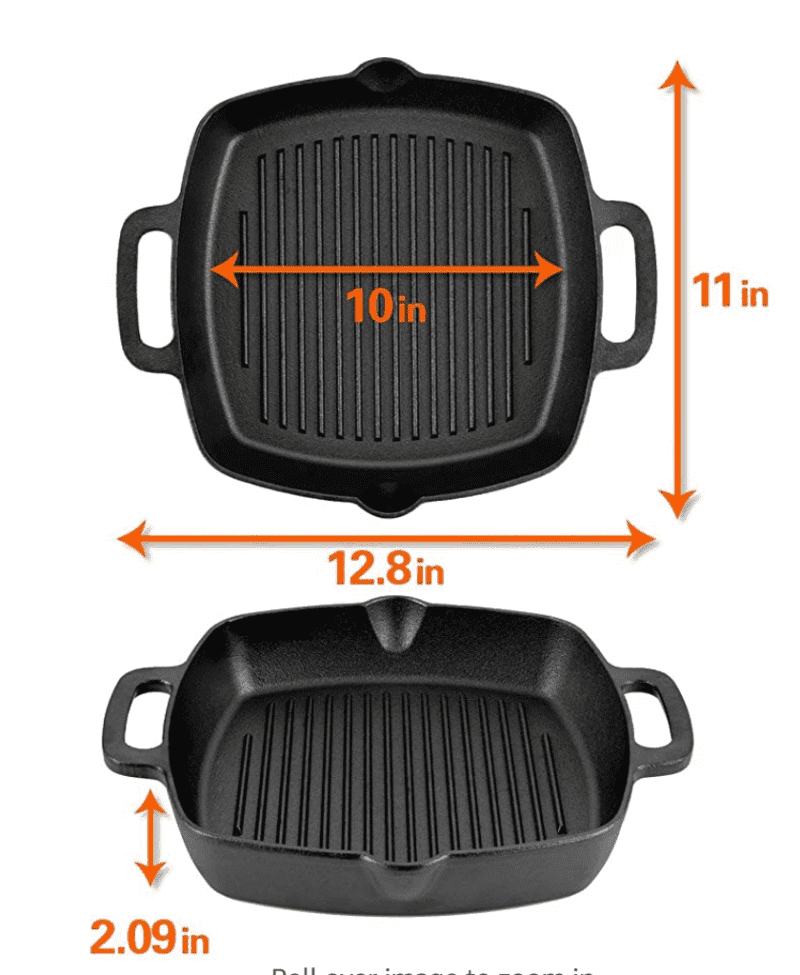
Key Product Specifications: Cast Iron Grill Pan Skillet Square
These parameters underscore the engineering excellence behind products like our Cast Iron Grill Pan Skillet. The precise control over casting to achieve a lighter profile, combined with advanced enameling techniques, results in a product that not only meets but exceeds the rigorous demands of professional kitchens. Its compatibility with various cooktops, including the nuances of using cast iron skillet on glass top stove without damage, highlights its advanced design.
Application Scenarios & Operational Advantages
The versatility and robust performance of a light weight nonstick cast iron enameled skillet make it indispensable across a spectrum of professional culinary applications. Its design, optimized for both functionality and ease of use, positions it as a superior choice compared to traditional cookware.
Typical Application Environments:
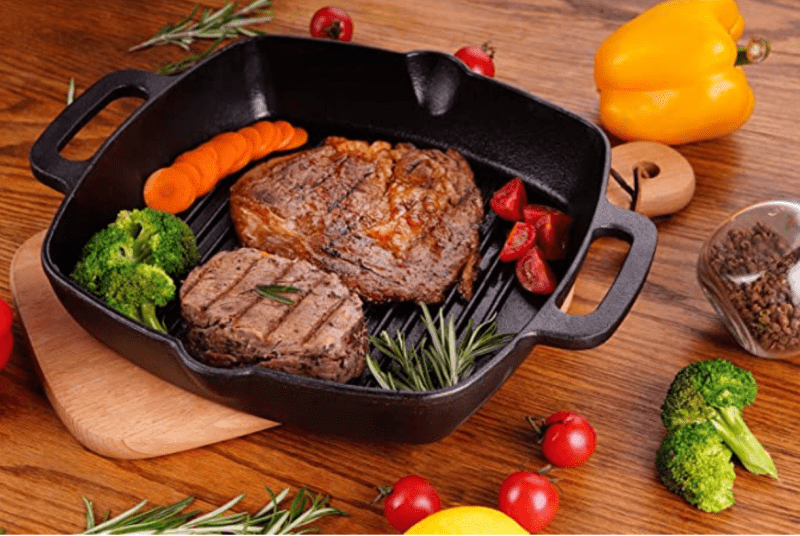
- High-Volume Commercial Kitchens: Ideal for searing, frying, braising, and baking in busy restaurants and catering operations. Its durability withstands continuous use and rigorous cleaning cycles.
- Hotel & Resort Food Service: Perfect for preparing a wide range of dishes, from breakfast items to signature entrées. The nonstick properties facilitate easy release of delicate foods, reducing waste.
- Specialized Bakeries & Pizzerias: Excellent for applications requiring consistent, even heat, such as baking focaccia or even creating an upside down pizza in cast iron skillet, where a crisp crust is paramount.
- Outdoor & Event Catering: Being oven-safe and suitable for a best cast iron skillet for outdoor grill applications, it offers flexibility for mobile kitchens and outdoor culinary events.
- Culinary Schools & Training Facilities: Provides students with professional-grade tools that are forgiving to use and easy to maintain, without the complexities of a pre seasoned cast iron skillet first use routine.
- Food Processing & R&D Facilities: Utilized for small-batch testing and development due to precise temperature control and inert surface.
Technical Advantages in Detail:
- Optimized Heat Distribution & Retention: Cast iron’s inherent thermal mass ensures uniform heating across the cooking surface, eliminating hot spots. The lighter design retains sufficient heat for efficient cooking without the excessive weight of traditional models.
- Superior Nonstick Performance (Enameled): The vitreous enamel coating creates a naturally nonstick, low-friction surface. Unlike traditional nonstick coatings, enamel is highly durable, PFOA-free, and resistant to scratching, maintaining its performance over years of use without requiring the constant re-seasoning of a raw cast iron skillet.
- Enhanced Corrosion and Acid Resistance: The enamel forms an impenetrable barrier, protecting the cast iron from oxidation, rust, and acidic foods. This makes the skillet ideal for cooking tomato-based sauces, wine reductions, and other high-acid ingredients that would typically react with unseasoned or improperly maintained cast iron.
- Reduced Weight Profile: Through advanced casting techniques and optimized wall thickness, these skillets offer a significantly lighter ergonomic profile. This minimizes strain on kitchen staff, enhancing operational safety and efficiency in fast-paced environments.
- Energy Efficiency: The exceptional heat retention of cast iron means less energy is required to maintain cooking temperatures, leading to measurable energy savings in commercial kitchens.
- Aesthetic Appeal & Hygiene: The smooth, impermeable enamel surface is aesthetically pleasing, comes in various colors, and is incredibly easy to clean. It prevents food particles from sticking and harbors no bacteria, meeting stringent hygiene standards.
- Multifuel Compatibility: Designed to perform flawlessly on all heat sources, from high-efficiency induction cooktops (a cast iron griddle for induction cooktop variant also exists) to open flames, offering maximum flexibility in kitchen design and operation.
Vendor Comparison & Competitive Edge
In the competitive B2B culinary equipment market, distinguishing between manufacturers of light weight nonstick cast iron enameled skillet is paramount for procurement decision-makers. While several brands offer enameled cast iron, key differentiators lie in material sourcing, manufacturing precision, and commitment to long-term performance.
Comparative Analysis: FOUNDRYASIA vs. Conventional Offerings
Our focus on engineered solutions, evident in products like those from FoundryAsia, addresses the industry's need for high-performance, long-lasting, and ergonomic cookware. While traditional cast iron brands like those often associated with Chef Matty Matheson's cookware line celebrate the heritage of cast iron, our specialty lies in refining this classic material to meet modern commercial demands, particularly in achieving a lighter weight without compromising thermal properties. This strategic advantage reduces operational strain and improves overall kitchen efficiency, providing a superior return on investment for businesses.
Customized Solutions & Tailored Manufacturing
Recognizing the diverse and often unique requirements of B2B clients, FoundryAsia specializes in offering customized solutions for light weight nonstick cast iron enameled skillet products. Our engineering and manufacturing capabilities allow for significant flexibility in design, material, and finish, ensuring that the end product perfectly integrates into specific operational workflows and brand aesthetics.
Customization Capabilities:
- Dimensional Adjustments: Tailored sizing (diameter, depth, shape – round, square, oval) to fit specialized equipment or to optimize batch cooking volumes.
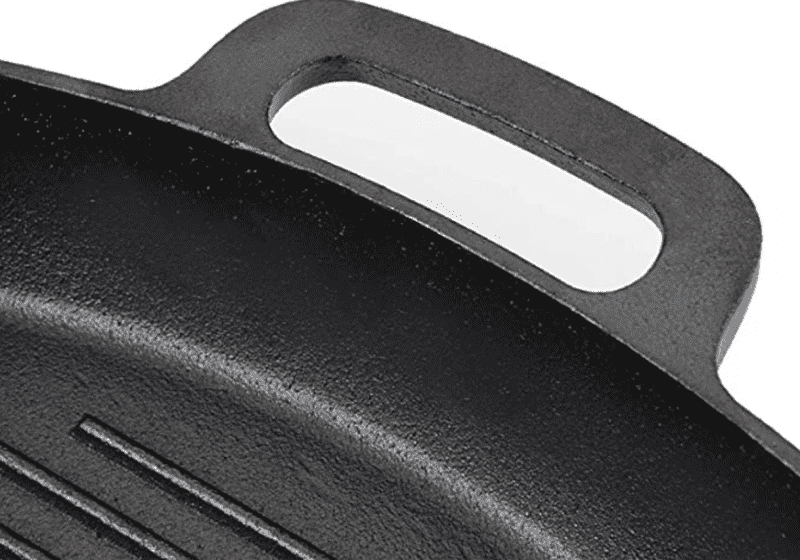
- Ergonomic Modifications: Custom handle designs, including length, material (e.g., specific types of silicone, stainless steel, or composite), and attachment methods, to improve user comfort and safety in high-demand environments.
- Enamel Color & Finish: A broad spectrum of enamel colors and finish textures (matte, glossy) to align with brand identity or kitchen décor. Custom logo embossing or etching can also be incorporated.
- Weight Optimization: Further refinement of casting processes and wall thickness to achieve specific weight targets for clients with stringent ergonomic or logistical requirements.
- Specialized Features: Integration of features like pouring spouts, specific grill patterns, or lid compatibility to enhance functionality for particular culinary tasks.
- Material Specification: While high-grade cast iron is standard, specific metallurgical compositions can be explored for unique thermal or mechanical properties upon request.
Our Approach to Customization:
Our process begins with a detailed consultation to understand the client's specific operational challenges and objectives. Leveraging our in-house R&D and precision manufacturing capabilities, we develop prototypes, conduct rigorous testing (adhering to ISO/ANSI standards), and provide comprehensive technical documentation. This collaborative approach ensures that the customized product not only meets but often exceeds expectations, delivering enhanced efficiency, durability, and brand alignment.
Application Case Studies & Client Success
The real-world performance of our light weight nonstick cast iron enameled skillet is best demonstrated through successful applications across diverse industries. These case studies highlight our commitment to delivering tangible value and operational improvements for our clients.
Case Study 1: Large Hotel Chain Culinary Upgrade
- Client: A prominent international hotel chain operating over 50 properties globally.
- Challenge: Traditional heavy cast iron cookware led to significant staff fatigue and increased risk of injury. Existing nonstick pans had short lifespans due to heavy commercial use, resulting in high replacement costs and inconsistent food quality.
- Solution: Collaborated to implement our customized light-weight enameled cast iron skillets across their kitchens. The lighter design eased handling, while the durable enamel provided superior nonstick performance and longevity.
- Results:
- Reduced staff complaints related to cookware weight by 40%.
- Extended cookware lifespan by an average of 300% compared to previous nonstick options, yielding substantial savings in procurement.
- Improved consistency in dish preparation due to even heating and reliable nonstick release.
- Client Feedback: "The transition to FoundryAsia's lighter enameled cast iron has been transformative. Our chefs appreciate the ease of use, and management is thrilled with the reduced operational costs and enhanced durability."
Case Study 2: Boutique Culinary Studio & Catering Service
- Client: A high-end culinary studio offering cooking classes and bespoke catering, emphasizing premium ingredients and presentation.
- Challenge: Needed versatile cookware capable of precise temperature control for delicate dishes, aesthetic appeal for open-kitchen demonstrations, and robustness for catering events, including outdoor grilling.
- Solution: Provided a range of enameled cast iron skillets and grill pans, specifically suitable for various heat sources, including induction and a best cast iron skillet for outdoor grill setup. Custom color options matched their brand identity.
- Results:
- Achieved consistent searing and gentle braising results, crucial for their culinary standards.
- The elegant enamel finish enhanced the visual appeal during cooking classes and presentations.
- Seamless transition between indoor kitchen (e.g., induction) and outdoor events (grill).
- Client Feedback: "Our FoundryAsia skillets are indispensable. They deliver the performance of cast iron with the elegance and ease of enamel, perfect for both our professional kitchen and our interactive classes."
Trustworthiness & Operational Support
Establishing long-term partnerships in the B2B sector relies fundamentally on trust and transparent operational commitments. FoundryAsia is dedicated to providing comprehensive support throughout the product lifecycle of our light weight nonstick cast iron enameled skillet products.
Frequently Asked Questions (FAQ):
- Q: Is the light weight nonstick cast iron enameled skillet suitable for induction cooktops?
- A: Yes, all our enameled cast iron products are induction-compatible, ensuring efficient heat transfer and versatile use across modern kitchen technologies. Our designs ensure optimal performance as a cast iron skillet for induction cooktop and even as a cast iron griddle for induction cooktop.
- Q: How does the "light weight" aspect affect durability compared to traditional cast iron?
- A: Our light-weight design is achieved through precision casting and optimized geometry, not by compromising material integrity. The high-grade cast iron and robust enamel coating maintain exceptional durability and thermal performance comparable to heavier alternatives, specifically engineered for commercial environments.
- Q: What is the recommended cleaning and maintenance routine for enameled cast iron?
- A: Enameled cast iron is remarkably easy to clean. Simply wash with warm soapy water and a non-abrasive sponge. Avoid harsh scrubbers or metal utensils that could scratch the enamel. No seasoning is required, unlike raw cast iron, making maintenance significantly simpler for professional kitchens.
- Q: Are the silicone handles oven safe?
- A: Yes, the included silicone handles are designed to be oven-safe up to 230°C (450°F), providing excellent versatility for stovetop-to-oven cooking. For higher temperatures or extended oven use, the handles are typically removable.
Lead Time & Fulfillment:
Standard lead times for our enameled cast iron skillets range from 4-6 weeks for bulk orders, depending on customization requirements and order volume. For bespoke solutions, lead times will be confirmed after design finalization and prototyping. We maintain robust supply chain logistics to ensure timely and efficient delivery worldwide, with options for expedited shipping if required. Our production schedule is transparent, and clients receive regular updates on their order status.
Warranty Commitments:
FoundryAsia stands behind the quality of its products with a comprehensive commercial warranty. Our light weight nonstick cast iron enameled skillet products are covered by a 5-year limited warranty against manufacturing defects in materials and workmanship. This warranty reflects our confidence in the durability and craftsmanship of our cookware, providing B2B clients with peace of mind and long-term investment protection.
Dedicated Customer Support:
Our commitment to client success extends beyond product delivery. We offer dedicated after-sales support, including technical assistance, product usage guidance, and efficient handling of any warranty claims. Our team of experts is available via phone and email to provide prompt and professional assistance, ensuring that your investment continues to perform optimally throughout its operational lifespan.
Conclusion
The evolution of cast iron cookware, particularly the advent of the light weight nonstick cast iron enameled skillet, represents a significant advancement in culinary technology for B2B applications. By combining the legendary heat retention and durability of cast iron with the ease of use and maintenance of a nonstick, corrosion-resistant enamel, these skillets address critical operational demands in professional kitchens. From optimized manufacturing processes ensuring consistent quality to demonstrated performance across diverse application scenarios, they offer a compelling value proposition.
Our commitment to engineering excellence, adherence to international quality standards, and focus on client-specific solutions position us as a leader in providing high-performance culinary equipment. The tangible benefits of reduced staff fatigue, extended product lifespan, and superior cooking results underscore the strategic advantage of integrating these advanced skillets into commercial operations. For businesses seeking a dependable, efficient, and long-lasting cooking solution, the light-weight nonstick enameled cast iron skillet is an unparalleled investment.
References
- ASTM International. (2018). ASTM A48/A48M-17, Standard Specification for Gray Iron Castings. ASTM International, West Conshohocken, PA.
- ISO 9001:2015. (2015). Quality management systems – Requirements. International Organization for Standardization.
- Randall, J. & Randall, R. (2001). The Complete Book of Cast Iron Cooking. The Lyons Press.
- Seshadri, S.K. (2009). Engineering Materials and Metallurgy. PHI Learning Pvt. Ltd.
- American Ceramic Society. (Accessed 2023). Resources on Vitreous Enamel Coatings.
-
China PC Light Cast Iron Wok Traditional Heat with Modern Weight
NewsApr.16,2026
-
Professional Guide to China Cleaning Cast Iron Wok Maintenance
NewsApr.09,2026
-
Explore the Benefits of a China Cast Iron Grilling Wok for Your Kitchen
NewsApr.07,2026
-
China Victoria Cast Iron Wok A Comprehensive Guide to Quality Cookware
NewsApr.04,2026
-
Discover the Superior Quality of China Enameled Cast Iron Wok Cookware
NewsMar.31,2026
-
Discover the Benefits of a China Cast Iron Wok with Lid for Authentic Cooking
NewsMar.28,2026