- 150m Southwards, West DingWei Road, Nanlou Village, Changan Town, GaoCheng Area, Shijiazhuang, HeBei, China
- monica@foundryasia.com
Sep . 13, 2025 07:40 Back to list
Best Cast Iron Skillet for Outdoor Grill: Ultimate Grill-to-Stove Versatility
The Superiority of Cast Iron for Outdoor Culinary Excellence
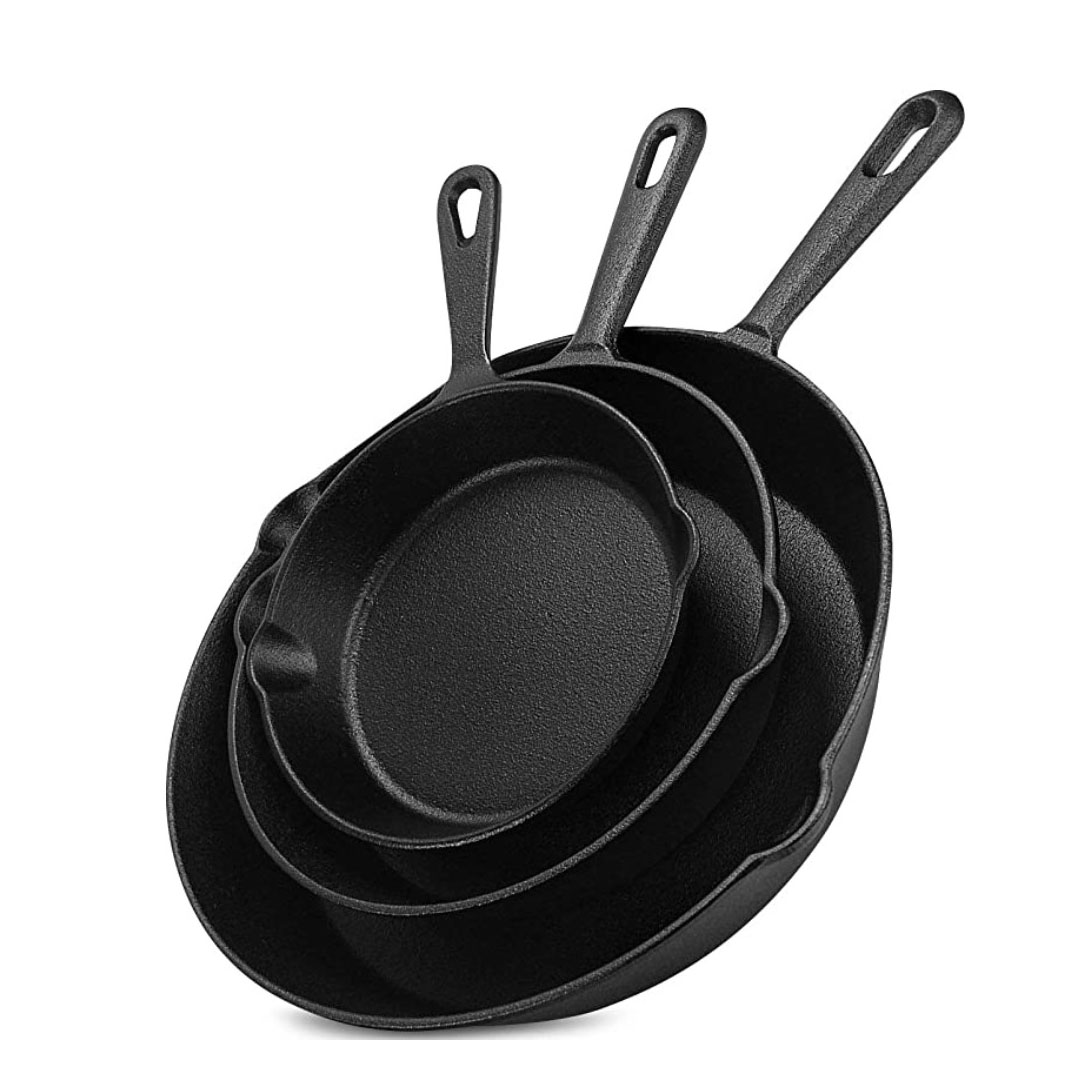
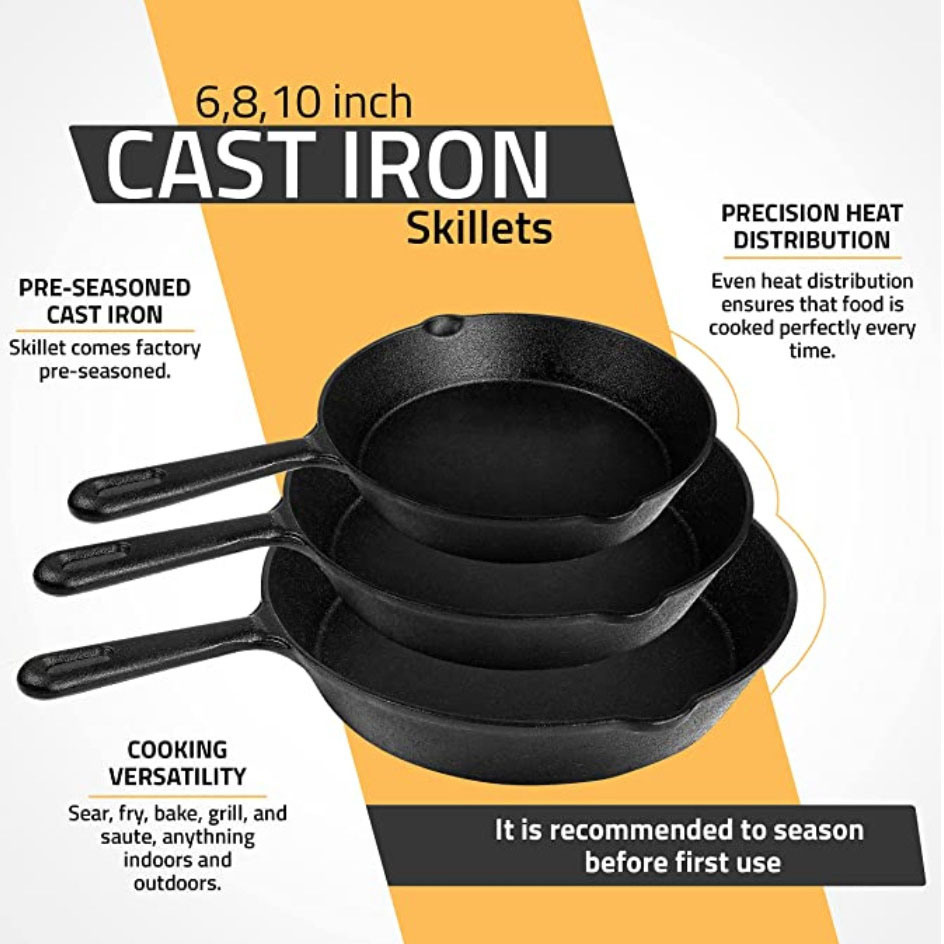
In the realm of B2B culinary solutions, particularly for commercial hospitality, outdoor catering, and specialized food services, the demand for durable, high-performance cooking equipment is paramount. Among the diverse range of cookware materials, cast iron stands out for its exceptional heat retention, even cooking properties, and robust longevity. For professional chefs and culinary operations focused on al fresco dining, finding the best cast iron skillet for outdoor grill applications is a critical consideration. This article delves into the technical aspects, industry trends, and practical advantages of utilizing high-quality cast iron skillets for demanding outdoor environments, including the benefits of Foundry Asia’s Pre-Seasoned Cast Iron Skillet Set, 3-Piece – 6 Inch, 8 Inch, and 10 Inch.
Industry Trends in Outdoor and Versatile Cast Iron Cooking
The global trend towards experiential dining and outdoor events continues to drive innovation in professional cookware. Cast iron, a material revered for centuries, is experiencing a resurgence due to its inherent qualities that align perfectly with these trends. Commercial kitchens are increasingly investing in versatile cookware that performs optimally across various heat sources. This includes not only outdoor grills but also applications requiring a cast iron griddle for induction cooktop or a cast iron skillet for induction cooktop, showcasing the material's adaptability. The durability and even heat distribution make it ideal for high-volume cooking, resisting thermal shock that might compromise lesser materials. Furthermore, the emphasis on healthy cooking and natural non-stick properties (achieved through proper seasoning) positions cast iron as a preferred choice over chemically coated alternatives.
Modern advancements also cater to specific demands, such as the development of light weight nonstick cast iron enameled skillet options for those seeking easier handling without sacrificing heat performance, or even standard light weight nonstick cast iron skillet variants. The ability to seamlessly transition from cooking with cast iron on electric stove to intense open-flame grilling underscores its unparalleled utility in diverse commercial settings.
Technical Specifications of Professional Cast Iron Skillets
Understanding the material science behind cast iron skillets is crucial for B2B procurement. Professional-grade cast iron cookware is typically manufactured from high-quality grey iron, conforming to standards such as ASTM A48 Class 30 or 35, which defines minimum tensile strength and other mechanical properties. The composition, primarily iron (92-95%), carbon (2.5-4%), and silicon (1-3%), alongside trace elements, dictates its thermal characteristics and durability.
| Parameter | Specification / Value |
|---|---|
| Material Composition | High-grade Grey Iron (Fe: 92-95%, C: 2.5-4%, Si: 1-3%) |
| Tensile Strength (ASTM A48) | Min. 30,000 psi (Class 30) |
| Heat Retention Coefficient | Approx. 400 J/(kg·K) specific heat capacity, high thermal mass |
| Thermal Conductivity | ~50 W/(m·K) (provides even heat distribution) |
| Maximum Temperature Tolerance | 600°C (1112°F) continuous, safe for open flame |
| Surface Finish | Pre-seasoned with vegetable oil for initial non-stick properties and corrosion resistance |
| Typical Wall Thickness | 3-5 mm for optimal heat mass and weight balance |
Application Scenarios and Versatility
The utility of a high-quality cast iron skillet extends far beyond conventional kitchen use. For B2B clients, the diverse application scenarios justify the investment:
- Outdoor Grilling & Camp Cooking: Ideal for searing steaks, grilling vegetables, or even baking cornbread directly over open flames or charcoal. The robust nature of the best cast iron skillet for outdoor grill ensures longevity in harsh outdoor conditions.
- Restaurant & Catering: From searing individual portions of fish or poultry to preparing large-batch sides, cast iron delivers consistent results. Its ability to retain heat makes it perfect for serving directly from kitchen to table in a busy environment.
- Induction Cooktops: With the rise of energy-efficient kitchens, the compatibility of a cast iron skillet for induction cooktop is a significant advantage, allowing seamless integration into modern cooking setups.
- Electric & Glass Top Stoves: Despite common misconceptions, high-quality cast iron, especially with a machined flat base, performs excellently when using cast iron skillet on glass top stove or for general cooking with cast iron on electric stove, provided proper care is taken to avoid scratching.
- Specialty Dishes: Creating unique offerings like upside down pizza in cast iron skillet, deep-dish pies, or baked desserts benefits from the skillet's ability to brown and crisp evenly.
- Global Cuisine: From sizzling fajitas to authentic paella, cast iron adapts to various cooking techniques and global culinary traditions.
Technical Advantages and Performance Benefits
The technical advantages of cast iron translate directly into superior culinary outcomes and operational efficiency for B2B users:
- Exceptional Heat Retention: Cast iron’s high thermal mass means it holds heat remarkably well, ensuring even cooking and reducing temperature fluctuations when food is added. This is crucial for achieving a perfect sear on meats and fish, maintaining cooking temperatures for sauces, and efficient grilling.
- Uniform Heat Distribution: While it takes longer to heat up than some materials, once hot, cast iron distributes heat uniformly across its surface, eliminating hot spots and ensuring consistent results, a key factor in commercial batch cooking.
- Durability and Longevity: Built to withstand extreme temperatures and rigorous use, cast iron skillets can last for decades, often improving with age and seasoning. This offers a significantly lower total cost of ownership compared to cookware requiring frequent replacement.
- Natural Non-Stick Surface: A properly maintained and seasoned cast iron skillet develops a natural, durable non-stick surface without synthetic coatings. This aligns with health-conscious consumer preferences and reduces the risk of flaking or degrading coatings. For professionals, understanding pre seasoned cast iron skillet first use and ongoing maintenance is vital for optimizing this property.
- Versatility Across Heat Sources: From outdoor grills and campfires to gas, electric, induction, and oven use, cast iron adapts to virtually any heating method, providing unmatched flexibility for diverse catering and kitchen setups.
- Energy Efficiency: Due to its excellent heat retention, less energy is required to maintain cooking temperatures, contributing to operational cost savings over time.
Manufacturing Process: Crafting the Best Cast Iron Skillet for Outdoor Grill
The production of high-quality cast iron cookware is a meticulously controlled metallurgical process, often adhering to ISO 9001 quality management standards to ensure consistency and performance. The primary target industries benefiting from this specialized manufacturing include culinary, commercial hospitality, and specialized outdoor recreation sectors.
- Material Selection and Preparation: High-grade virgin iron, recycled scrap iron, carbon, and silicon are carefully selected and precisely measured to achieve the desired grey iron composition (e.g., ASTM A48 Class 30/35). This ensures optimal strength, machinability, and thermal properties.
- Melting: The raw materials are melted in either an electric induction furnace or a cupola furnace. Induction furnaces offer precise temperature control and reduced impurities, critical for consistent quality. The iron reaches temperatures typically around 1400-1550°C (2550-2820°F).
- Molding (Sand Casting): A pattern of the skillet is used to create a mold in fine-grain sand (greensand or dry sand). The sand is compacted around the pattern, which is then removed, leaving a cavity that replicates the skillet's shape. This traditional method allows for complex shapes and robust wall thickness.
- Pouring: The molten iron, often inoculated with specific agents to control microstructure and reduce chilling, is carefully poured into the sand molds. Strict temperature and pour rate controls are maintained to prevent defects such as cold shuts or porosity.
- Cooling: After pouring, the molds are left to cool slowly. This controlled cooling rate is essential for the formation of the graphite flakes within the iron matrix, which gives grey cast iron its characteristic properties, including damping capacity and good thermal conductivity.
- Shakeout and Fettling: Once sufficiently cooled, the sand molds are broken apart (shakeout) to release the raw cast skillets. The skillets then undergo a fettling process, which involves grinding, blasting, and deburring to remove excess material (runners, risers, flash) and smooth rough edges.
- Machining (Optional but Recommended): For superior performance on flat-top cooktops (including glass and induction), the base of the skillet may be CNC machined to ensure a perfectly flat surface. This enhances heat transfer efficiency and prevents wobbling.
- Cleaning and Shot Blasting: The skillets are thoroughly cleaned to remove any remaining sand or manufacturing residues, often using shot blasting to create an optimal surface for seasoning.
- Pre-Seasoning: This critical step involves applying a layer of food-grade vegetable oil (e.g., soybean or flaxseed oil) and baking the skillet at high temperatures (typically 200-250°C / 400-480°F). This process polymerizes the oil, creating a durable, natural non-stick surface and providing initial corrosion resistance. Multiple layers are often applied for enhanced performance.
- Quality Control: Throughout the entire process, stringent quality control measures are implemented. This includes visual inspection for surface defects, dimensional checks, hardness testing (e.g., Brinell hardness), and even non-destructive testing (NDT) if required for specific applications. Products must meet internal standards and often ANSI/ISO equivalent metallurgical criteria.
- Packaging: Finally, the finished, pre-seasoned skillets are carefully packaged to prevent damage during transit, ready for distribution to commercial clients.
The service life of a well-manufactured cast iron skillet, given proper care, can easily exceed several decades, offering an unparalleled return on investment in professional settings, particularly where energy saving and corrosion resistance are key advantages due to material robustness and non-chemical surface.
Vendor Comparison: Choosing Your Cast Iron Partner
When evaluating suppliers for professional cast iron cookware, B2B decision-makers must consider factors beyond initial cost, focusing on long-term value, performance, and support. Foundry Asia excels by balancing premium quality with competitive pricing, offering robust products like the Pre-Seasoned Cast Iron Skillet Set.
| Feature | Foundry Asia (Our Solution) | Premium Competitor A | Budget Competitor B |
|---|---|---|---|
| Material Grade | ASTM A48 Class 30/35 (High-grade grey iron) | Similar (Proprietary blend) | Unspecified or lower grade |
| Pre-Seasoning Quality | Multiple layers of food-grade vegetable oil (Superior) | High-quality, often proprietary | Basic, often single layer |
| Surface Finish (Machining) | Precision machined base for even heating and stability | Often machined, sometimes polished | Rough cast, less uniform |
| Handle Ergonomics | Ergonomic, well-balanced cast handles with helper handles on larger sizes | Typically excellent, brand-specific designs | Functional but basic |
| Certifications | ISO 9001 (Manufacturing), Food-grade (Seasoning) | Proprietary and national standards | Limited or none specified |
| Target Market | B2B, Commercial Hospitality, OEM/ODM | High-end retail, B2C premium | Mass market, budget B2C |
| Value Proposition | High performance and durability at a competitive B2B price point, bulk order capabilities | Brand prestige, artisanal quality, higher price | Lowest initial cost, may compromise longevity and performance |
Foundry Asia distinguishes itself by offering the robust quality and performance demanded by professional kitchens, directly competing with premium brands while maintaining B2B pricing advantages. Our commitment to ISO 9001 certification underscores our authoritative approach to manufacturing excellence.
Customized Solutions for B2B Clients
Understanding that specific commercial operations have unique requirements, Foundry Asia offers comprehensive customization options for our cast iron cookware:
- Branding & Logo Integration: Incorporate your corporate logo or restaurant brand directly into the casting, enhancing brand visibility and product identity.
- Size & Shape Variations: Beyond our standard 6-inch, 8-inch, and 10-inch skillet set, we can produce custom sizes and shapes tailored to specific culinary needs, from specialized griddles to deep-dish pans.
- Handle Designs: Modify handle ergonomics, length, or material (e.g., cast iron with integrated silicone sleeves for heat protection) to suit operational preferences.
- Seasoning Protocols: Offer customized pre-seasoning oils or multi-layer seasoning processes to meet specific regional culinary standards or performance requirements.
- Packaging & Kitting: Develop bespoke packaging solutions, including multi-piece sets or integrated accessories like lids and heat-resistant handle covers.
Our technical team collaborates closely with clients to transform conceptual requirements into functional, high-performance cast iron solutions, ensuring seamless integration into existing workflows.
Application Case Studies
Here are examples illustrating the practical benefits of Foundry Asia's best cast iron skillet for outdoor grill and versatile cast iron cookware in real-world professional settings:
Case Study 1: Upscale Outdoor Dining Restaurant Chain
A national restaurant chain specializing in farm-to-table cuisine required durable, high-performance skillets for their outdoor dining patios, which frequently used open-flame grills. They needed cookware that could withstand continuous high heat, provide excellent searing, and be presentable for direct table service. Foundry Asia supplied customized 10-inch pre-seasoned cast iron skillets. The chain reported a significant improvement in searing quality for meats and vegetables, extended product life compared to previous stainless steel options (reducing replacement costs by 30% annually), and positive customer feedback regarding the rustic appeal and heat retention of the served dishes. The natural non-stick surface, once properly maintained, also reduced oil consumption.
Case Study 2: Commercial Catering Service for Large Events
A large-scale event catering company sought versatile cookware capable of performing on both portable outdoor induction cooktops and gas burners for their on-site food preparation. The requirement for a cast iron skillet for induction cooktop compatibility was critical. Foundry Asia provided a bulk order of its 3-piece Pre-Seasoned Cast Iron Skillet Set, ensuring each skillet featured a precisely machined flat base. The catering team lauded the rapid and even heating on induction cooktops, coupled with the superior heat retention for buffet service. The durability ensured minimal wear and tear despite frequent transportation and cleaning, improving operational efficiency during demanding events.
Case Study 3: Boutique Hotel with In-Room Culinary Experience
A luxury boutique hotel chain aimed to offer guests a unique in-room dining experience, including the option to prepare simple meals using high-quality appliances. This necessitated robust yet aesthetically pleasing cookware that could be used on glass-top electric stoves without damage. The hotel selected Foundry Asia's light weight nonstick cast iron skillet (with an emphasis on refined finish) for its durability and even heating, which mitigated issues found with lighter, less stable pans. Guests consistently praised the cooking performance and ease of use, contributing to positive reviews and enhancing the overall guest experience.
Frequently Asked Questions (FAQ)
- Q: What is the optimal pre seasoned cast iron skillet first use procedure?
- A: For Foundry Asia's pre-seasoned skillets, a light rinse with warm water and a soft cloth (without soap for the initial uses) followed by thoroughly drying and applying a thin layer of cooking oil (e.g., vegetable, canola, or flaxseed) is recommended before first use. Heat on medium for a few minutes until the oil shimmers, then let cool. This reinforces the factory seasoning.
- Q: Can I use your cast iron skillets on a glass top stove?
- A: Yes, our skillets with precision-machined bases are designed for stable and efficient heating on glass top stoves. Always lift the skillet rather than sliding it to prevent scratching. Avoid sudden temperature changes to prevent thermal shock.
- Q: How does a light weight nonstick cast iron enameled skillet differ from your standard pre-seasoned models?
- A: Enameled cast iron features a vitreous enamel coating, offering inherent non-stick properties (though typically less robust than a well-maintained seasoned surface) and requiring less maintenance than raw cast iron. It can be lighter due to thinner walls, but may also be less durable against impact. Our standard pre-seasoned skillets offer superior high-heat performance and a naturally developing non-stick layer that improves with use and care.
- Q: Is your cookware comparable to brands like matty matheson cookware cast iron skillet?
- A: While we respect all quality cookware brands, Foundry Asia focuses on delivering robust, high-performance cast iron solutions specifically engineered for demanding B2B environments. Our commitment to ISO-certified manufacturing processes ensures a product designed for commercial longevity and consistent culinary results, providing a strong value proposition for professional clients.
Lead Time & Fulfillment
Foundry Asia is committed to efficient production and timely delivery for our B2B partners. Standard lead times for our Pre-Seasoned Cast Iron Skillet Set (6-inch, 8-inch, 10-inch) typically range from 4-6 weeks for quantities up to 1,000 units, depending on current order volume. For larger or customized orders, specific lead times will be provided upon consultation, factoring in design, tooling, and production schedules. We maintain robust supply chain logistics to ensure reliable fulfillment globally, including comprehensive documentation and freight management.
Warranty Commitments
We stand behind the quality and craftsmanship of our cast iron products. Foundry Asia offers a limited 5-year warranty against manufacturing defects in material and workmanship from the date of purchase. This warranty covers structural integrity under normal commercial use and care. It does not cover normal wear and tear, improper use, lack of maintenance (including seasoning), or damage from overheating. Detailed warranty terms and conditions are available upon request and provided with every B2B order.
Customer Support
Our dedicated customer support team is available to assist B2B clients with technical inquiries, order management, and post-sales support. We offer multi-channel communication options:
- Email Support: support@foundryasia.com (Response within 24 business hours)
- Phone Support: Available during business hours for immediate assistance (details provided upon account creation).
- Dedicated Account Managers: For large volume clients, a dedicated account manager is assigned to ensure personalized service and streamlined communication.
- Online Resources: Access to product documentation, care guides, and technical specifications via our B2B portal.
Foundry Asia is committed to fostering long-term partnerships through exceptional product quality and unparalleled customer service.
References
- American Society for Testing and Materials (ASTM) Standards. ASTM A48/A48M-03: Standard Specification for Grey Iron Castings. ASTM International, 2003.
- International Organization for Standardization (ISO). ISO 9001: Quality Management Systems – Requirements. ISO, latest edition.
- The Cast Iron Cookware Archive. "The Science of Cast Iron Seasoning." Retrieved from authoritative metallurgical or culinary science journals (e.g., Journal of Food Science).
-
China PC Light Cast Iron Wok Traditional Heat with Modern Weight
NewsApr.16,2026
-
Professional Guide to China Cleaning Cast Iron Wok Maintenance
NewsApr.09,2026
-
Explore the Benefits of a China Cast Iron Grilling Wok for Your Kitchen
NewsApr.07,2026
-
China Victoria Cast Iron Wok A Comprehensive Guide to Quality Cookware
NewsApr.04,2026
-
Discover the Superior Quality of China Enameled Cast Iron Wok Cookware
NewsMar.31,2026
-
Discover the Benefits of a China Cast Iron Wok with Lid for Authentic Cooking
NewsMar.28,2026