- 150m Southwards, West DingWei Road, Nanlou Village, Changan Town, GaoCheng Area, Shijiazhuang, HeBei, China
- monica@foundryasia.com
Sep . 14, 2025 07:40 Back to list
Premium Casserole Iron Cast Pots - Durable & Versatile Cookware
Introduction to Advanced Cast Iron Casserole Solutions
In the realm of professional culinary equipment and high-end consumer goods manufacturing, the demand for robust, efficient, and aesthetically pleasing cookware is ever-present. Central to this demand is the casserole iron cast, a product renowned for its exceptional heat retention, even cooking, and durability. As a leading manufacturer and ODM/OEM partner, our focus is on delivering superior cast iron enamel collections that meet the rigorous standards of modern industry.
Industry Trends and Market Dynamics
The global market for premium cookware, particularly in the B2B sector serving hospitality, professional catering, and specialized retail, continues to exhibit robust growth. Key drivers include increasing consumer awareness regarding food quality and preparation methods, a surge in culinary education, and the demand for energy-efficient cooking solutions. Technologically, advancements in enamel formulation and casting techniques are enabling the production of lighter, more durable, and more visually appealing casserole cast iron pot options. Furthermore, the rise of private label and bespoke product development underscores the importance of high-quality ODM services, with a growing emphasis on custom odm casserole cast iron pot solutions tailored to specific brand identities and market niches. Sustainability and food safety certifications are also becoming non-negotiable prerequisites for market entry and expansion.
Precision Manufacturing Process of Cast Iron Enamel Casseroles
The creation of a high-quality casserole iron cast involves a meticulous multi-stage manufacturing process, combining traditional foundry techniques with modern precision engineering and advanced material science. Our process adheres strictly to international quality standards such as ISO 9001, ensuring unparalleled product integrity and performance.
Process Flow: From Raw Material to Finished Product
- 1. Material Selection and Preparation: We utilize only virgin, high-grade cast iron (e.g., ASTM A48 Class 30 or higher equivalent for optimal strength and thermal properties). Raw materials undergo stringent metallurgical analysis to ensure precise chemical composition, including carbon, silicon, manganese, and phosphorus levels, crucial for excellent casting fluidity and post-treatment properties.
- 2. Mold Creation (Sand Casting): Precision patterns, often CNC-machined for intricate details, are used to create sand molds. These molds are meticulously crafted to ensure dimensional accuracy and a smooth surface finish. The sand used is a specialized blend, optimized for gas permeability and strength to prevent defects.
- 3. Melting and Pouring: High-purity cast iron is melted in induction furnaces to precise temperatures (typically 1450°C - 1550°C). Molten metal is then carefully poured into the prepared sand molds using automated or semi-automated systems to maintain consistent flow rates and minimize oxidation. This stage is critical for achieving a dense, defect-free casting.
- 4. Demolding and Fettling: After solidification, the cast iron pieces are extracted from the molds. This is followed by fettling, where risers, gates, and any excess material are carefully removed. The surface is then shot-blasted to remove residual sand and prepare it for the enamel application, ensuring optimal adhesion.
- 5. Enamel Application: This crucial stage involves applying a high-performance vitreous enamel coating.
- Ground Coat: A specially formulated ground coat is applied, which acts as a bonding layer between the cast iron and the subsequent decorative enamel layers. This layer is fired at high temperatures (approx. 780-820°C).
- Cover Coats: One or more layers of colored enamel are then applied, typically via electrostatic spraying for uniform coverage. Each cover coat is individually fired at slightly lower temperatures (approx. 720-760°C) to achieve the desired color, gloss, and durability.
- 6. Quality Control and Testing: Throughout the entire process, rigorous quality control checks are performed.
- Dimensional Accuracy: Calipers and CMMs ensure adherence to design specifications.
- Material Integrity: Ultrasonic testing and radiographic inspection detect internal defects.
- Enamel Adhesion: Cross-hatch adhesion tests (e.g., ISO 2409) and thermal shock resistance tests (e.g., ANSI Z124.1.2) are conducted.
- Chemical Resistance: Tests against various food acids and detergents.
- Visual Inspection: For color consistency, gloss, and surface imperfections.
- 7. Finishing and Packaging: After final inspection, products undergo finishing touches like polishing, and are then carefully packaged to prevent damage during transit, ready for target industries such as professional catering, high-end retail, and specialized food processing. Our products offer an extended service life of 10-25 years under normal use, far exceeding conventional cookware.
Technical Specifications and Material Science Excellence
The superior performance of our casserole iron cast is rooted in precise technical specifications and advanced material science. Understanding these parameters is crucial for B2B decision-makers evaluating product quality and suitability for specific applications.
Key Product Specifications: Introducing Our Exquisite Cast Iron Enamel Collection
| Parameter | Specification | Technical Rationale / Benefit |
|---|---|---|
| Base Material | High-Grade Grey Cast Iron (ASTM A48 Class 30/EN-GJL-150) | Optimized for thermal conductivity, heat retention, and mechanical strength. Graphite flakes enhance thermal stability. |
| Enamel Coating | Multi-layer Vitreous Enamel (FDA & LFGB compliant) | Non-reactive, non-stick properties, superior chemical resistance (acids, alkalis), and high thermal shock resistance. |
| Thermal Conductivity | Approx. 50-55 W/m·K (Cast Iron) | Ensures rapid and even heat distribution across the cooking surface, eliminating hot spots. |
| Maximum Temperature Resistance | Up to 260°C (500°F) for oven use | Suitable for a wide range of cooking techniques, including searing, baking, and slow roasting. |
| Hardness (Enamel) | 6-7 on Mohs Scale (comparable to quartz) | Exceptional scratch and abrasion resistance, ensuring long-term aesthetic appeal and hygiene. |
| Corrosion Resistance | Exceeds ISO 2722 (Resistance to Boiling Acid) | Protects the cast iron core from rust and allows for cooking acidic foods without reactivity. |
| Typical Wall Thickness | 4.0 - 5.5 mm | Optimized for thermal mass, facilitating superior heat retention and uniform cooking. |
| Thermal Shock Resistance | ΔT > 200°C (EN 1183 Method B) | Ability to withstand rapid temperature changes without crazing or chipping of the enamel. |
The intricate interplay of high-carbon iron with its inherent thermal mass and the meticulously applied vitreous enamel coating creates a cooking vessel that is not only highly functional but also remarkably durable. The enamel layer, a fusion of glass to metal at high temperatures, provides a hygienic, non-porous surface that resists staining, odors, and corrosion, making it ideal for the demanding environments of commercial kitchens and daily household use.
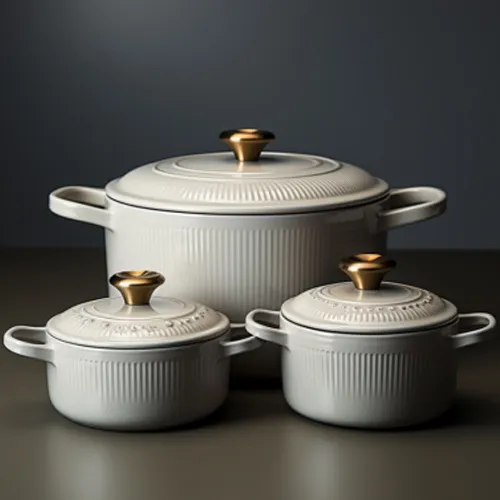
Figure 1: High-performance casserole iron cast showcasing superior enamel finish and robust construction.
Technical Advantages and Application Scenarios
The technical superiority of our casserole iron cast translates directly into significant operational advantages across diverse application scenarios. These advantages are particularly compelling for B2B partners focused on efficiency, longevity, and culinary excellence.
Core Advantages:
- Superior Heat Retention and Distribution: The high thermal mass of cast iron, combined with its uniform conductivity, ensures that heat is distributed evenly across the cooking surface and maintained consistently, even after removing from the heat source. This is crucial for energy saving, as less energy is required to maintain cooking temperatures, and for preventing scorching.
- Enhanced Energy Efficiency: Due to exceptional heat retention, these casseroles require less energy input over time to achieve and sustain desired cooking temperatures. This translates into tangible cost savings for commercial kitchens and reduced environmental impact.
- Corrosion Resistance and Chemical Inertness: The multi-layer vitreous enamel coating provides a robust barrier against rust and chemical reactions, making the casserole cast iron pot ideal for cooking acidic ingredients without imparting metallic flavors. This significantly extends the product's lifespan compared to un-enameled cast iron or other materials.
- Unrivaled Durability: Engineered to withstand the rigors of heavy commercial use, our products resist chipping, cracking, and staining. The inherent strength of cast iron coupled with the robust enamel ensures longevity, reducing replacement costs for businesses.
- Versatility Across Heat Sources: Compatible with all heat sources, including induction, gas, electric, ceramic, and oven-safe up to 260°C (500°F). This versatility makes them an indispensable tool in any professional kitchen.
- Hygienic and Easy to Clean: The non-porous, smooth enamel surface prevents food from sticking and makes cleaning effortless, supporting stringent hygiene standards in food service environments.
Typical Application Scenarios:
Our cast iron enamel casseroles are designed for peak performance in a variety of demanding settings:
- Professional Kitchens & Restaurants: Ideal for slow-cooking stews, braising meats and vegetables, making rich sauces, and baking artisan bread. The consistent heat ensures perfect results every time.
- Hotels & Catering Services: Their elegant design allows for seamless transition from kitchen to buffet table, maintaining food temperature for extended periods, reducing the need for constant reheating.
- Culinary Schools: An essential teaching tool for demonstrating fundamental cooking techniques that rely on precise temperature control and even heat.
- Specialized Food Processing (e.g., small-batch artisan production): For operations requiring controlled, slow heating processes, such as preserving or confit preparation, where consistent temperature is paramount.
Vendor Comparison and Customized Solutions (ODM/OEM)
Choosing the right manufacturing partner for your casserole iron cast needs is critical. We differentiate ourselves through a commitment to quality, customization, and comprehensive support. Our extensive experience in Original Design Manufacturing (ODM) and Original Equipment Manufacturing (OEM) ensures that we can meet unique client specifications.
Comparative Analysis of Leading Manufacturers:
| Feature/Service | Our Foundry (FoundryAsia.com) | Competitor A (Premium Brand) | Competitor B (Value Brand) |
|---|---|---|---|
| Material Grade | High-Grade ASTM A48 Class 30+ | Proprietary High-Grade Cast Iron | Standard Commercial Cast Iron |
| Enamel Quality & Certifications | Multi-layer Vitreous, FDA & LFGB Compliant, ISO 2722, EN 1183 | Proprietary High-Performance, FDA Compliant | Standard Vitreous, Basic Food Safety |
| ODM/OEM Customization | Extensive (Shape, Color, Branding, Specific Enamel) | Limited (Color, Basic Branding) | Minimal (Logo Only) |
| Lead Time (ODM Projects) | 45-75 Days (Sample to Production) | 90-120+ Days | N/A or Very Long |
| Minimum Order Quantity (MOQ) | Flexible, starting from 500 units for custom | Higher (1000+ units) | Very High (2000+ units) |
| Pricing Structure | Competitive, Value-Driven for Quality | Premium, Higher Per-Unit Cost | Low, May Compromise on Quality/Specs |
| After-Sales Support | Dedicated Account Manager, Global Support | Regional Support | Limited Online Support |
Our Customized Solutions (ODM & OEM):
We specialize in crafting bespoke odm casserole cast iron pot solutions. Our capabilities include:
- Design and Prototyping: From concept to 3D rendering and functional prototypes, our R&D team works closely with clients to realize unique designs for their casserole cast iron pot.
- Material and Coating Specialization: Development of specific cast iron alloys for particular thermal properties or customized enamel formulations for unique color matching, gloss levels, or enhanced non-stick performance.
- Branding and Packaging: Full support for private label branding, including embossed logos, custom handle designs, and tailored packaging solutions to align with brand identity and market positioning.
- Volume Flexibility: Our manufacturing infrastructure allows for both medium and large-scale production runs, providing scalability as client demand grows.
Real-World Application Case Studies
Our commitment to delivering high-performance casserole iron cast products is validated by their successful deployment in diverse commercial and industrial settings. These case studies highlight the tangible benefits our partners have realized.
Case Study 1: Upscale Restaurant Chain Efficiency Improvement
Client: A prominent national chain of upscale French bistros.
Challenge: The client required durable, aesthetically pleasing, and highly efficient cookware for their signature braised dishes and stews, which are cooked in large batches and served directly to tables. Existing cookware lacked sufficient heat retention, leading to inconsistent dish temperatures and high energy consumption.
Solution: We provided a customized batch of our 6-quart casserole iron cast with a specialized exterior enamel color matching their brand aesthetics. The interior featured our advanced non-reactive enamel.
Results:
- Energy Savings: Reduced energy consumption by approximately 15% due to superior heat retention, allowing for lower burner settings and extended heat off-time.
- Consistent Quality: Achieved perfectly consistent dish temperatures from the first to the last serving, enhancing customer satisfaction.
- Increased Durability: After two years of intensive daily use, the casseroles showed minimal signs of wear and tear, significantly reducing replacement costs compared to previous suppliers.
- Brand Enhancement: The custom-colored cookware served as a distinct brand element, elevating the dining experience.
Case Study 2: International Retailer's Private Label Expansion
Client: A large international home goods retailer looking to launch a premium private label cookware line.
Challenge: The retailer sought a manufacturing partner capable of producing a high-quality odm casserole cast iron pot range under their brand, requiring specific design modifications, unique color palettes, and stringent certification adherence for multiple markets (EU, US, APAC).
Solution: We acted as an exclusive ODM partner, managing the entire product development lifecycle from initial design concepts to final production. This included engineering custom lid handles, developing a new gradient enamel finish, and ensuring compliance with FDA, LFGB, and other relevant food contact material regulations.
Results:
- Successful Market Entry: The private label line launched successfully across 15 countries, quickly becoming a top-selling premium cookware category.
- Design Integrity: The custom design elements, including the unique gradient enamel, received rave reviews from consumers and industry critics.
- Regulatory Compliance: All products passed international certifications without issue, enabling smooth market entry and avoiding costly delays.
- Scalable Production: Our flexible manufacturing allowed the client to scale orders based on market demand, from initial pilot runs to mass production.
Trust and Authority: Certifications, Warranty, and Support
Our commitment to trustworthiness and authority is integral to our business model. We understand that for B2B partners, reliability and support are as critical as product quality.
Certifications and Quality Assurance:
- ISO 9001 Certified: Our manufacturing facilities operate under a stringent ISO 9001 Quality Management System, ensuring consistent product quality and continuous improvement.
- FDA & LFGB Compliant Enamel: All enamel coatings used are tested and certified to meet the strict food contact material regulations of the US Food and Drug Administration (FDA) and the German Food, Articles of Daily Use and Feed Code (LFGB), ensuring consumer safety.
- SGS and Intertek Testing: Products regularly undergo independent third-party testing by SGS and Intertek for material composition, enamel adhesion, thermal performance, and durability against relevant international standards.
Partnerships and Experience:
With over two decades of experience in the foundry industry, we have established ourselves as a trusted partner for numerous global brands, including leading culinary equipment distributors, major retail chains, and specialized hospitality suppliers. Our longevity in the market is a testament to our consistent quality and client satisfaction.
Warranty and After-Sales Support:
- Limited Lifetime Warranty: We offer a comprehensive limited lifetime warranty against manufacturing defects in materials and workmanship, underscoring our confidence in the durability and quality of our casserole cast iron pot.
- Dedicated Account Management: Each B2B client is assigned a dedicated account manager who serves as a single point of contact for all inquiries, from order placement to post-delivery support.
- Responsive Technical Support: Our technical team provides expert assistance for product application, maintenance, and any operational queries, ensuring optimal product performance and customer satisfaction.
- Lead Time and Fulfillment: For standard orders, lead times typically range from 30-45 days. For custom ODM projects, lead times are discussed and confirmed during the prototyping phase, generally falling within 45-75 days from sample approval to mass production shipment, contingent on order volume and complexity. We employ efficient logistics partners to ensure timely and secure delivery worldwide.
Frequently Asked Questions (FAQ)
Q: Are your cast iron casseroles suitable for induction cooktops?
A: Yes, all our casserole iron cast products are fully compatible with induction, gas, electric, ceramic, and halogen cooktops. The ferrous nature of cast iron makes it inherently induction-ready.
Q: What is the maximum oven temperature for these products?
A: Our cast iron casseroles are oven-safe up to 260°C (500°F), including the knob and handles, allowing for versatile cooking techniques from stovetop searing to oven baking.
Q: How should the enamel cast iron casserole be cleaned and maintained?
A: The enamel surface is non-stick and easy to clean. We recommend washing with warm soapy water and a soft sponge. Avoid abrasive cleaners or metal scouring pads to preserve the enamel finish. While dishwasher safe, handwashing is recommended for longevity.
Q: Can I request custom colors or designs for a large order?
A: Absolutely. As an ODM/OEM specialist, we offer extensive customization options, including bespoke colors (matched to RAL or Pantone codes), unique designs, embossed logos, and specialized packaging for bulk orders of odm casserole cast iron pot units. Please contact our sales team for detailed consultation on your specific project requirements.
Q: What makes enamel cast iron superior to bare cast iron for professional use?
A: The enamel coating provides a non-reactive, non-porous surface that prevents rust, eliminates the need for seasoning, and is resistant to acidic foods. This makes it more hygienic, easier to maintain, and versatile for a wider range of culinary applications in a professional setting, ensuring the long-term integrity and performance of the casserole iron cast.
Conclusion
The casserole iron cast stands as a testament to durability, performance, and culinary excellence. Our commitment to advanced manufacturing techniques, stringent quality control, and comprehensive B2B support ensures that our partners receive not just a product, but a reliable solution that enhances operational efficiency and elevates brand reputation. Whether you are seeking standard high-quality units or bespoke ODM/OEM solutions, our expertise and capacity are geared to meet the most demanding requirements of the global market. Partner with us to leverage the unparalleled advantages of premium cast iron enamel cookware.
References
- ASTM International. (2018). Standard Specification for Gray Iron Castings (ASTM A48/A48M).
- International Organization for Standardization. (2007). ISO 9001: Quality management systems – Requirements.
- European Committee for Standardization. (2000). EN 1183: Materials and articles in contact with foodstuffs - Test methods for thermal shock durability of ceramics.
- European Committee for Standardization. (2004). EN 10025-2: Hot rolled products of structural steels – Part 2: Technical delivery conditions for non-alloy structural steels.
- United States Food and Drug Administration. (2023). Food Contact Substances (FCS). Retrieved from FDA.gov.
- German Federal Institute for Risk Assessment (BfR). (2020). Recommendations on Food Contact Materials (BfR Recommendations).
-
China PC Light Cast Iron Wok Traditional Heat with Modern Weight
NewsApr.16,2026
-
Professional Guide to China Cleaning Cast Iron Wok Maintenance
NewsApr.09,2026
-
Explore the Benefits of a China Cast Iron Grilling Wok for Your Kitchen
NewsApr.07,2026
-
China Victoria Cast Iron Wok A Comprehensive Guide to Quality Cookware
NewsApr.04,2026
-
Discover the Superior Quality of China Enameled Cast Iron Wok Cookware
NewsMar.31,2026
-
Discover the Benefits of a China Cast Iron Wok with Lid for Authentic Cooking
NewsMar.28,2026