- 150m Southwards, West DingWei Road, Nanlou Village, Changan Town, GaoCheng Area, Shijiazhuang, HeBei, China
- monica@foundryasia.com
Mar . 28, 2026 01:55 Back to list
Discover the Benefits of a China Cast Iron Wok with Lid for Authentic Cooking
China Cast Iron Wok with Lid: A Comprehensive Guide
Looking for a durable and authentic cooking experience? A China cast iron wok with lid is a versatile and long-lasting addition to any kitchen. From stir-frying to steaming, this traditional cookware offers exceptional heat retention and distribution. In this article, we'll explore the benefits, features, and proper care of these woks, helping you make an informed purchase. We'll cover everything from choosing the right size to seasoning and maintaining your wok for generations to come.
Why Choose a China Cast Iron Wok with Lid?
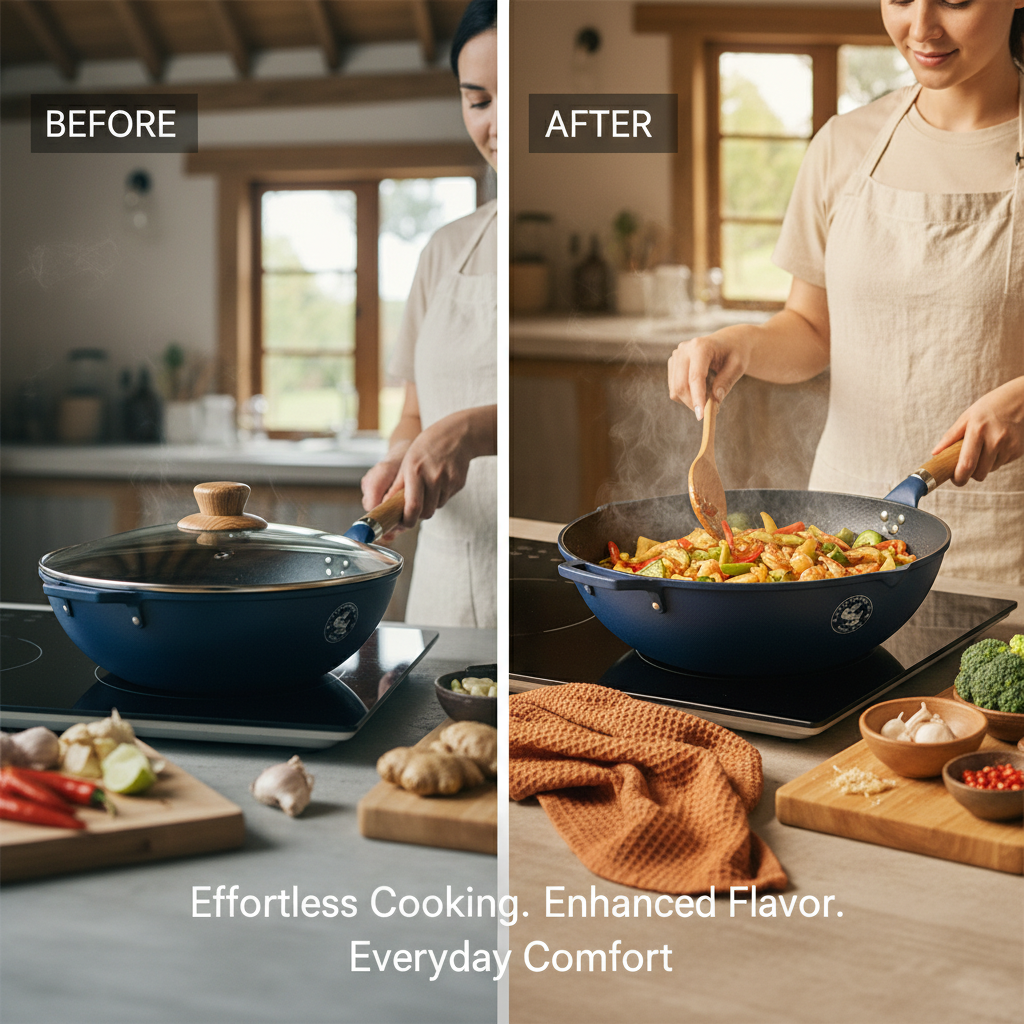
Cast iron woks have been used for centuries in Asian cuisine, prized for their ability to withstand high heat and distribute it evenly. A cast iron wok, particularly one made in China, often benefits from generations of traditional craftsmanship. The lid helps retain moisture, speeds up cooking times, and allows for steaming. Beyond functionality, these woks are incredibly durable and, with proper care, can become a cherished heirloom. They're suitable for all heat sources – gas, electric, induction, and even open fires. The natural properties of cast iron also contribute to a healthier cooking experience, as minimal oil is needed.
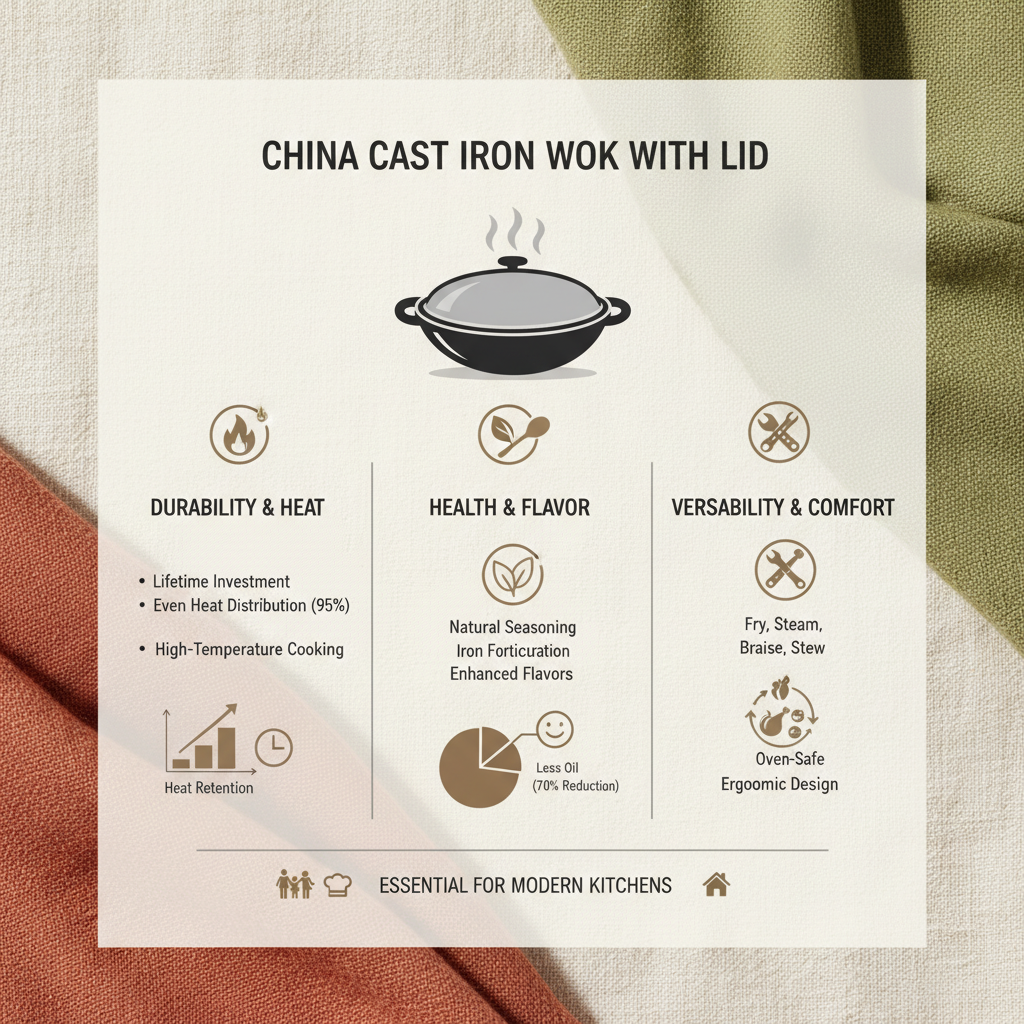
Key Benefits: Exceptional heat retention, even heat distribution, durability, versatility, and healthier cooking with minimal oil.
Understanding the Different Types of China Cast Iron Woks
Not all cast iron woks with lids are created equal. They vary in shape, thickness, and handle type. Round-bottom woks are traditional and ideal for use with a wok ring on gas stoves, while flat-bottom woks are more stable on electric or induction cooktops. The thickness of the iron impacts heat retention – thicker woks retain heat better but are heavier. Handle types include wooden handles (stay cooler but require more care) and metal handles (more durable but can get hot). Consider your cooking style and stovetop type when making your selection.
Wok Type Breakdown:
• Round Bottom: Traditional, requires a wok ring.
• Flat Bottom: Stable on all cooktops.
• Handle Material: Wood (cooler, requires care) vs. Metal (durable, gets hot).
China Cast Iron Wok with Lid: Key Features to Consider
When choosing a China cast iron wok, several features are crucial. Look for a wok made from high-quality cast iron with a smooth interior surface. A well-fitted lid is essential for steaming and faster cooking. The handle should be securely attached and comfortable to grip. Consider the size of the wok based on your cooking needs – smaller woks are ideal for individual portions, while larger woks are better for family meals. Also, check the weight; a heavier wok generally indicates thicker iron and better heat retention.
Proper Seasoning and Care for Your Cast Iron Wok
Seasoning a cast iron wok is crucial for creating a non-stick surface and preventing rust. This involves coating the wok with oil and heating it at a high temperature. Regular seasoning maintains the protective layer. After each use, clean the wok with hot water and a non-abrasive sponge. Avoid using soap, as it can strip the seasoning. Dry the wok thoroughly and lightly coat it with oil to prevent rust. Proper care will ensure your cast iron wok lasts a lifetime.
Where to Buy High-Quality China Cast Iron Woks
When purchasing a China cast iron wok with lid, it's important to choose a reputable supplier. Foundry Asia offers a wide selection of high-quality cast iron woks, manufactured with traditional techniques and rigorous quality control. We provide various sizes and styles to suit your needs. Our commitment to quality ensures you receive a durable and reliable wok that will enhance your cooking experience.
Conclusion: Embrace the Tradition with a Quality Cast Iron Wok
Investing in a China cast iron wok with lid is a decision that will elevate your cooking for years to come. Its durability, heat retention, and versatility make it an indispensable tool for any serious cook. With proper care and seasoning, your wok will develop a beautiful patina and become a treasured part of your kitchen. Explore the selection at Foundry Asia and experience the difference!
Frequently Asked Questions (FAQs)
How do I season a new cast iron wok?
Seasoning a new wok involves removing the factory coating and building up layers of polymerized oil. Start by washing the wok with hot, soapy water to remove any residue. Then, heat the wok over high heat until it turns blue (this burns off any remaining coating). Let it cool slightly, then coat the entire surface, inside and out, with a thin layer of high smoke point oil (like canola or grapeseed oil). Place the wok upside down in a preheated oven at 350-400°F (175-200°C) for an hour. Repeat this process 2-3 times for a good initial seasoning. Regular cooking with oil will continue to build up the seasoning over time.
What type of oil should I use for seasoning?
The best oils for seasoning cast iron have a high smoke point. Canola oil, grapeseed oil, and flaxseed oil are all excellent choices. Avoid using olive oil or butter, as they have lower smoke points and can become sticky. Flaxseed oil is known for creating a particularly hard and durable seasoning, but it can be more prone to flaking if applied too thickly. Ensure you apply a very thin, even coat of oil during each seasoning cycle.
Can I use metal utensils in my cast iron wok?
Yes, you can use metal utensils in your cast iron wok, but do so with caution. While cast iron is durable, excessive scraping with metal utensils can eventually damage the seasoning. Using wooden or silicone utensils is gentler on the seasoning. If you do use metal utensils, avoid using sharp edges or scraping aggressively. A well-seasoned wok can withstand some use with metal utensils without significant damage.
How do I prevent my cast iron wok from rusting?
Rust is the enemy of cast iron! To prevent rust, always dry your wok thoroughly after washing it. A quick wipe with a towel isn't enough; heat it on the stovetop for a few minutes to ensure all moisture is evaporated. Then, lightly coat the entire surface with a thin layer of oil. Store the wok in a dry place. If rust does appear, scrub it off with steel wool and re-season the wok.
-
China PC Light Cast Iron Wok Traditional Heat with Modern Weight
NewsApr.16,2026
-
Professional Guide to China Cleaning Cast Iron Wok Maintenance
NewsApr.09,2026
-
Explore the Benefits of a China Cast Iron Grilling Wok for Your Kitchen
NewsApr.07,2026
-
China Victoria Cast Iron Wok A Comprehensive Guide to Quality Cookware
NewsApr.04,2026
-
Discover the Superior Quality of China Enameled Cast Iron Wok Cookware
NewsMar.31,2026
-
Discover the Benefits of a China Cast Iron Wok with Lid for Authentic Cooking
NewsMar.28,2026