- 150m Southwards, West DingWei Road, Nanlou Village, Changan Town, GaoCheng Area, Shijiazhuang, HeBei, China
- monica@foundryasia.com
Feb . 11, 2026 01:55 Back to list
Comprehensive Guide to China Cast Iron Melting Pots for Foundry Applications
Understanding China Cast Iron Melting Pots for Foundry Applications
When establishing or upgrading a foundry, the choice of a melting pot is paramount. China cast iron melting pots offer a cost-effective and reliable solution for melting various metals. This article will explore the benefits, types, applications, and key considerations when sourcing these crucial components. We’ll delve into what makes these pots essential for efficient foundry operations and how to choose the right one for your specific needs.
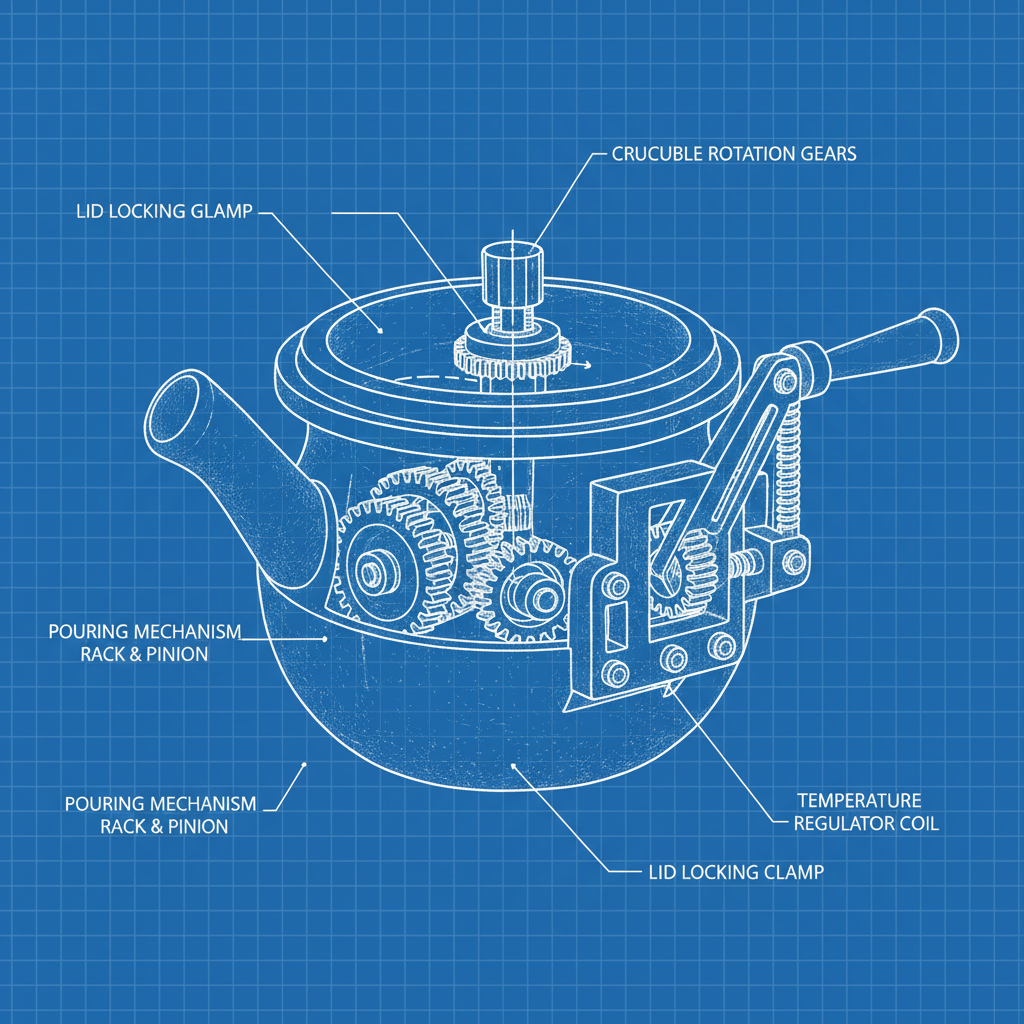
The Benefits of Using China Cast Iron Melting Pots
Cost-Effectiveness: One of the primary advantages of sourcing from China is the significantly lower manufacturing costs, resulting in substantial savings for your foundry. Durability: Cast iron, especially when properly alloyed, provides excellent resistance to thermal shock and wear. Versatility: These pots can be used for melting a wide range of metals, including iron, copper, aluminum, and brass. Thermal Stability: Cast iron excels at retaining heat, minimizing energy consumption during the melting process. Availability: China offers a vast network of manufacturers ensuring consistent supply and reduced lead times. Choosing foundry equipment from China can significantly streamline your operations.
Key Benefits: Cost-effectiveness, durability, versatility, thermal stability, and readily available supply.
Types of China Cast Iron Melting Pots
There are several types of cast iron melting pots available, each suited to different applications. Crucible Pots: These are the most common type, often used for melting smaller batches of metal. They are typically cylindrical or conical in shape. Ladle Pots: Designed for pouring molten metal, ladle pots have handles and spouts for controlled pouring. Furnace Pots: Larger pots used directly within furnaces for higher volume melting. Specialty Pots: Pots designed for specific metals or melting processes, often with unique alloying or coatings. Understanding these distinctions is crucial for selecting the optimal pot for your foundry’s requirements.
Types of Melting Pots:
• Crucible Pots
• Ladle Pots
• Furnace Pots
• Specialty Pots
China Cast Iron Melting Pot: Material Composition and Properties
The quality of the cast iron used in these pots significantly impacts their performance and lifespan. Common alloys include grey cast iron, ductile cast iron, and white cast iron. Grey cast iron is known for its excellent damping properties and machinability. Ductile cast iron offers increased strength and toughness. White cast iron provides superior wear resistance. The specific alloy chosen depends on the intended application and the types of metals being melted. Proper alloying and heat treatment are vital for maximizing the pot’s resistance to thermal shock and erosion. Foundry Asia specializes in offering pots made with premium-grade materials.
Applications of China Cast Iron Melting Pots
These melting pots are used across a broad spectrum of foundry applications. Iron Foundries: For melting pig iron, scrap iron, and alloyed iron. Aluminum Foundries: Used with appropriate linings to prevent reactions with molten aluminum. Copper Foundries: Ideal for melting copper and brass alloys. Precious Metal Foundries: Specialized pots are used for melting gold, silver, and platinum. Educational Institutions: Foundry programs utilize these pots for training and research purposes. Selecting the correct pot type and material is crucial for optimal performance and longevity.
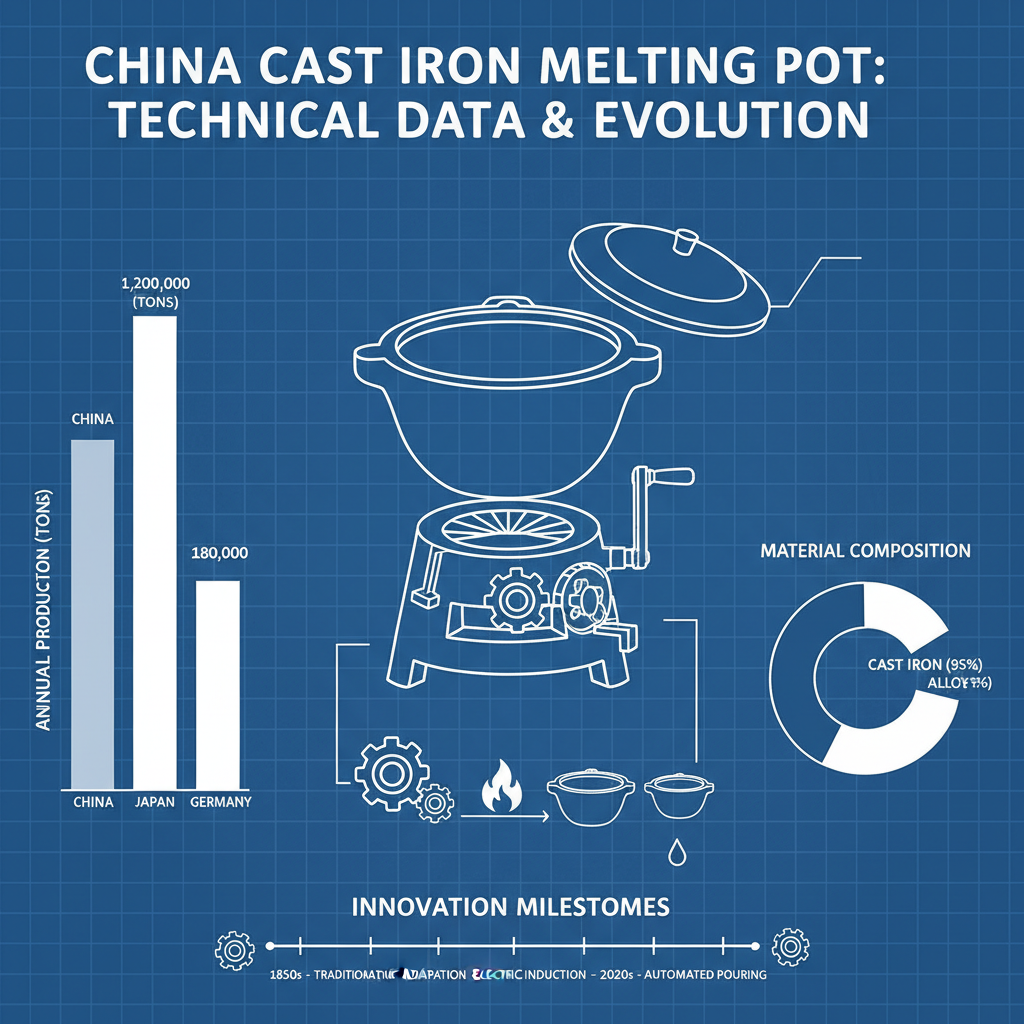
Key Considerations When Sourcing from China
When importing china cast iron melting pots, several factors deserve careful attention. Supplier Reputation: Choose a reputable supplier with a proven track record. Quality Control: Ensure the supplier has robust quality control procedures. Material Certification: Request material certification to verify the alloy composition. Shipping and Logistics: Consider shipping costs and lead times. Customs Regulations: Familiarize yourself with import regulations and tariffs. Partnering with a reliable sourcing agent can simplify the process and mitigate risks.
Conclusion: Reliable Melting Solutions from China
China cast iron melting pots offer a compelling combination of affordability, durability, and versatility for foundries of all sizes. By carefully considering your application requirements and partnering with a trusted supplier like Foundry Asia, you can secure reliable melting solutions that optimize your operations and enhance your bottom line.
Frequently Asked Questions (FAQs)
What is the typical lifespan of a cast iron melting pot?
The lifespan varies depending on the frequency of use, the type of metal melted, and proper maintenance. Generally, with regular care and avoidance of thermal shock, a well-maintained cast iron melting pot can last for several years. Factors that shorten lifespan include frequent overheating, rapid temperature changes, and the melting of highly corrosive metals. Regular inspections for cracks or signs of wear are essential.
How should I preheat a new cast iron melting pot?
Preheating is crucial to prevent thermal shock. Start with a low heat and gradually increase the temperature over several hours. Avoid rapid heating. The pot should be heated to a temperature slightly below the melting point of the metal you intend to melt. This process removes any moisture trapped within the cast iron and ensures a longer lifespan. Proper preheating minimizes the risk of cracking and extends the pot's usability.
What are the best practices for cleaning a cast iron melting pot?
After each use, allow the pot to cool slightly before carefully removing any slag or residue. Avoid quenching the hot pot with water, as this can cause it to crack. Use a specialized slag hammer or scraper to remove hardened metal. Do not use abrasive cleaners that can damage the pot’s surface. A light coating of refractory cement can help protect the pot from corrosion and extend its lifespan.
Are linings necessary for cast iron melting pots?
Linings are often necessary, especially when melting metals that react with cast iron, such as aluminum. Linings, typically made of refractory materials, create a barrier that prevents contamination of the molten metal and protects the pot from erosion. The type of lining depends on the metal being melted and the specific application. Without a lining, the cast iron can contaminate the melt, compromising its quality.
-
China PC Light Cast Iron Wok Traditional Heat with Modern Weight
NewsApr.16,2026
-
Professional Guide to China Cleaning Cast Iron Wok Maintenance
NewsApr.09,2026
-
Explore the Benefits of a China Cast Iron Grilling Wok for Your Kitchen
NewsApr.07,2026
-
China Victoria Cast Iron Wok A Comprehensive Guide to Quality Cookware
NewsApr.04,2026
-
Discover the Superior Quality of China Enameled Cast Iron Wok Cookware
NewsMar.31,2026
-
Discover the Benefits of a China Cast Iron Wok with Lid for Authentic Cooking
NewsMar.28,2026