- 150m Southwards, West DingWei Road, Nanlou Village, Changan Town, GaoCheng Area, Shijiazhuang, HeBei, China
- monica@foundryasia.com
Aug . 28, 2025 01:20 Back to list
Lightweight Nonstick Enameled Cast Iron Skillet for Any Stove
Innovating Culinary Performance: The light weight nonstick cast iron enameled skillet
In the demanding landscape of commercial kitchens and high-performance culinary environments, the selection of appropriate cookware is paramount. The modern light weight nonstick cast iron enameled skillet represents a significant advancement, merging the revered thermal properties of traditional cast iron with enhanced usability and maintenance characteristics. This technological evolution addresses critical pain points in B2B applications, offering superior heat distribution, remarkable durability, and an easy-to-clean surface that optimizes operational efficiency and culinary output. This article delves into the technical intricacies, market dynamics, and operational advantages of these sophisticated cooking vessels, demonstrating their value proposition for discerning industry professionals.
Industry Trends: Redefining Performance and Ergonomics
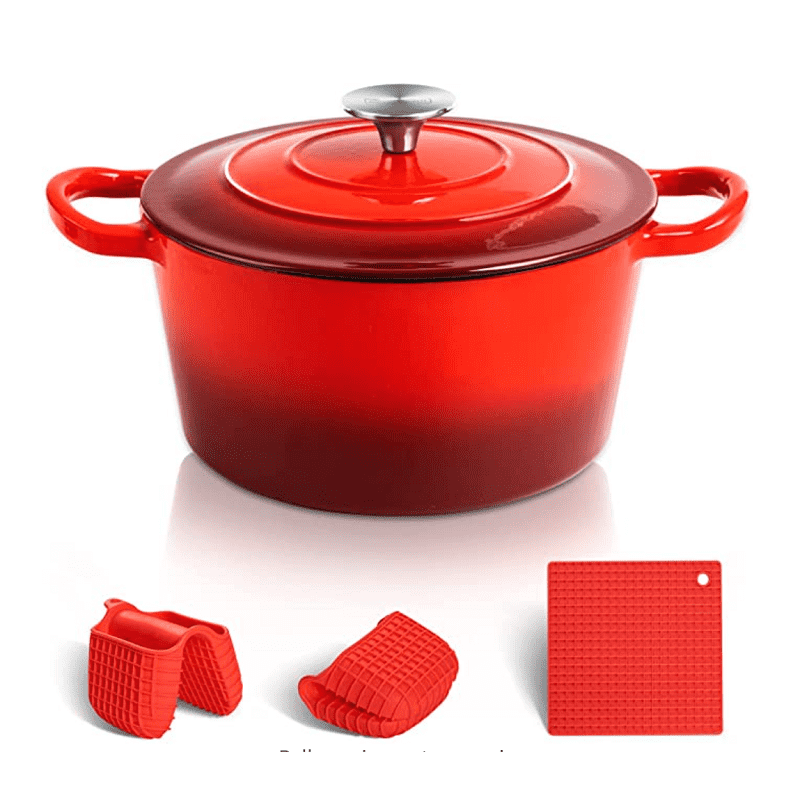
The culinary industry is witnessing a robust trend towards cookware that combines traditional functionality with modern ergonomic and maintenance benefits. Professionals increasingly seek versatile solutions, such as a light weight nonstick cast iron enameled skillet, that perform exceptionally across diverse heat sources. This includes compatibility with induction cooktops and glass top stoves, alongside robust performance on outdoor grills. The demand for "lightweight" attributes stems from operational efficiency and safety considerations in busy kitchens, reducing staff fatigue and handling risks. Furthermore, the "nonstick" characteristic, achieved through advanced enameling, offers significant advantages in food release and cleanup compared to traditionally seasoned cast iron, appealing to establishments focused on hygiene and rapid turnover. The rise of culinary personalities and brands, such as the attention around Matty Matheson cookware cast iron skillet, underscores a market valuing both high-performance and aesthetic appeal.
Manufacturing Process: Precision Engineering for Superior Cookware
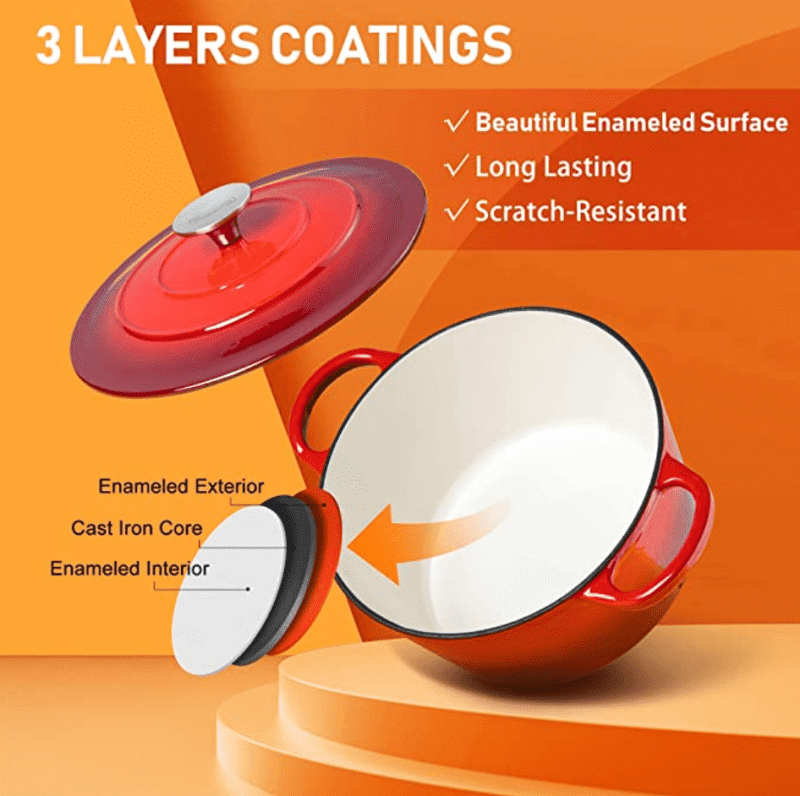
The production of a high-quality light weight nonstick cast iron enameled skillet involves a multi-stage, precision-controlled process, combining metallurgy with advanced finishing techniques. The core material is high-grade cast iron, carefully selected for its optimal carbon content (typically 2.5-4.0%) and silicon content (1.0-3.0%) to ensure superior strength, thermal conductivity, and casting properties. The goal is to achieve a fine, uniform grain structure that supports both structural integrity and efficient heat transfer.
Schematic Process Flow:
1. Material Selection & Melting:
High-purity pig iron and steel scrap are melted in induction furnaces, allowing precise control over alloy composition to meet specific metallurgical specifications. This ensures the desired "lightweight" characteristic without compromising strength.
2. Sand Casting:
Molten iron is poured into meticulously designed sand molds. Advanced casting techniques, including vacuum-assisted pouring, minimize defects and ensure a uniform, thin wall thickness crucial for achieving a lightweight profile. This stage is critical for the skillet's fundamental shape and weight distribution.
3. Demolding & Initial Cleaning:
Once solidified, the castings are removed from molds, and excess sand is vibrated off. Shot blasting then cleans the surface, preparing it for subsequent machining and enameling.
4. CNC Machining & Grinding:
Precision CNC machining is employed for critical surfaces like the base, ensuring flatness for optimal contact with cooktops, including induction and glass-top stoves. Grinding refines edges and handles for ergonomic design and safety.
5. Enameling Preparation:
The cast iron surface undergoes a rigorous cleaning process, including degreasing and pickling, to ensure optimal adhesion of the enamel. This is crucial for the "nonstick" and corrosion-resistant properties of the final product.
6. Enamel Application (Vitrous Enameling):
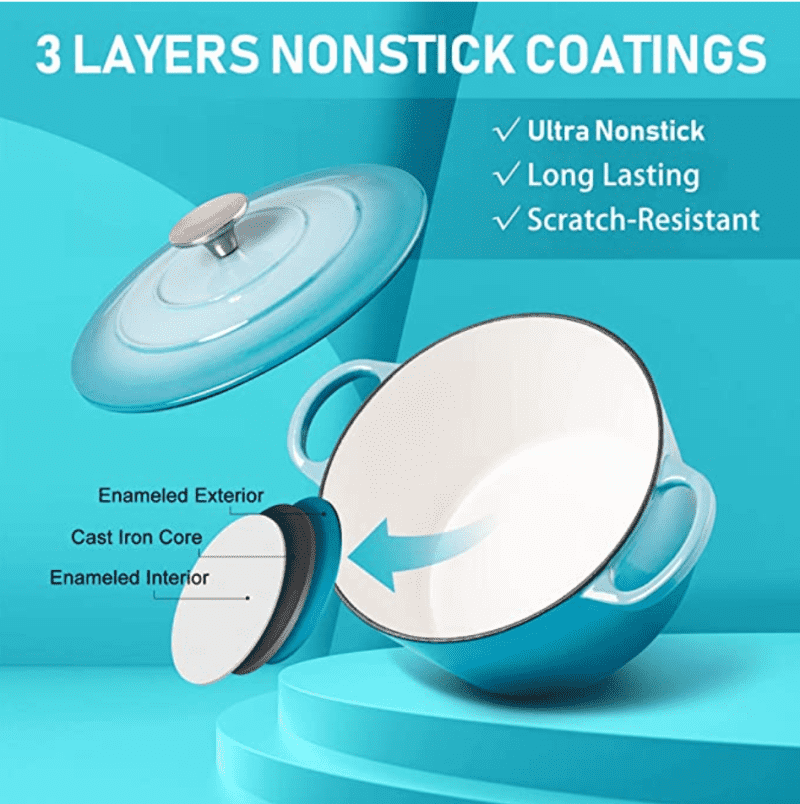
Multiple layers of vitreous enamel (a glass-based coating) are applied. The base coat (ground coat) provides adhesion, followed by subsequent cover coats for color, finish, and the "nonstick" (easy-release) property. Each layer is fired at high temperatures (typically 750-850°C) in specialized kilns, forming a durable, non-reactive, and food-safe surface.
7. Quality Control & Testing:
Throughout the process, stringent quality control measures are implemented. Products are tested against international standards such as ISO 9001 for quality management, ANSI/NSF for food safety, and specific tests for impact resistance, thermal shock resistance, and adhesion strength of the enamel. Surface hardness (Mohs scale) and chemical resistance are also verified.
8. Finishing & Packaging:
Final inspection, attachment of silicone handles or other accessories, and secure packaging complete the process, ensuring the product arrives in pristine condition.
This meticulous process ensures a service life often exceeding decades under proper usage. Target industries include the hospitality sector, industrial catering, culinary education, and specialized food processing facilities where durability, hygiene, and consistent performance are non-negotiable. Key advantages demonstrated include superior energy saving due to efficient heat retention, and exceptional corrosion resistance from the enamel, making it suitable for a wide range of acidic and alkaline ingredients.
Technical Specifications and Parameters
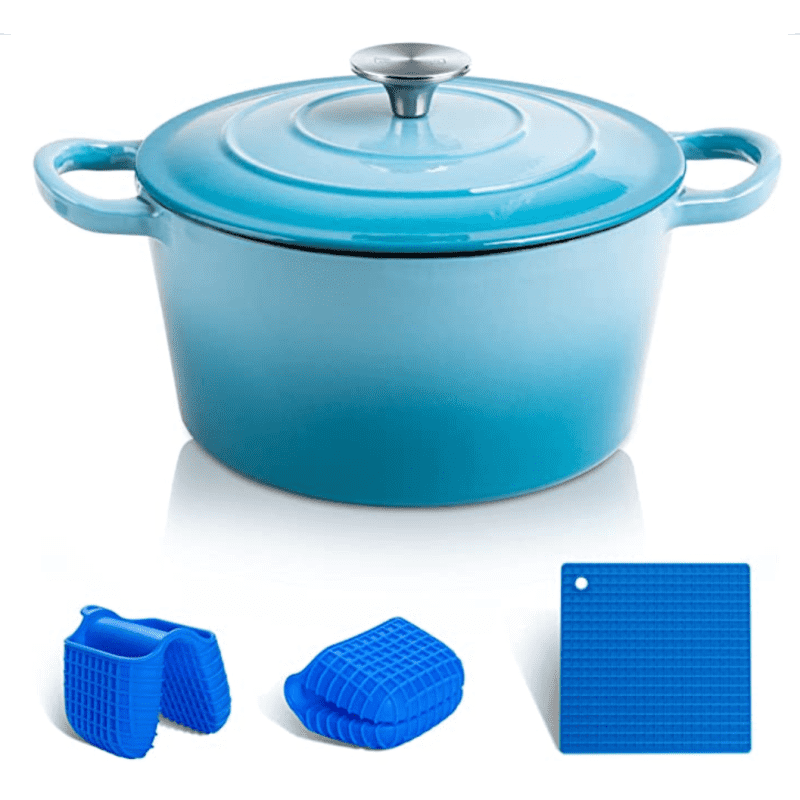
The performance of a light weight nonstick cast iron enameled skillet is defined by a rigorous set of technical specifications. These parameters ensure optimal functionality, durability, and compliance with professional culinary standards.
| Parameter | Specification | Notes / Industry Standard |
|---|---|---|
| Material Composition (Core) | Gray Cast Iron (e.g., ASTM A48 Class 30/35) | Optimized for thermal stability and machinability. |
| Enamel Coating | Multi-layer Vitreous Enamel (Glass-based) | Acid-resistant, alkali-resistant, food-safe (FDA/LFGB compliant). |
| Diameter (Top Rim) | 26 cm (10.25 inches) to 30 cm (12 inches) | Common professional kitchen sizes. |
| Weight (Lightweight Designation) | 2.5 kg - 3.5 kg (5.5 - 7.7 lbs) for 26-30cm | Significantly lighter than traditional cast iron, improving ergonomics. |
| Wall Thickness | 2.5 mm - 4.0 mm | Optimized for heat distribution and weight reduction. |
| Max Heat Resistance | Up to 260°C (500°F) for skillet; 200°C (400°F) for silicone handles. | Oven and grill safe (without silicone handles if exceeding 200°C). |
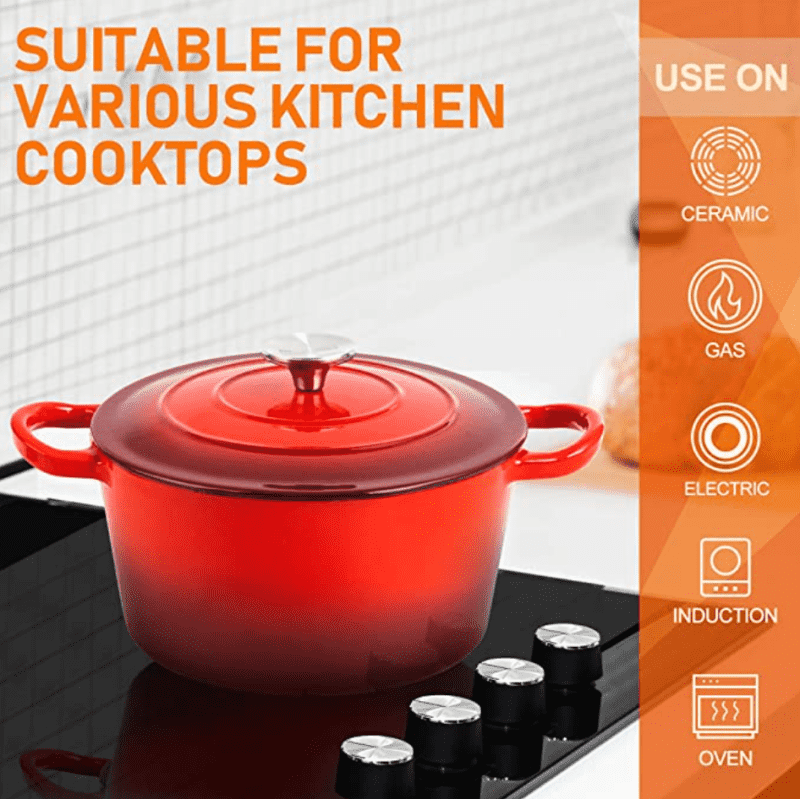
| Cooktop Compatibility | Induction, Gas, Electric Coil, Ceramic, Glass Top, Oven, Grill | Universal compatibility for professional kitchens. |
| Food Release / Nonstick Properties | Excellent food release, easy to clean | Vitreous enamel offers a smooth, less porous surface compared to raw cast iron. |
| Certifications | ISO 9001, FDA, LFGB, REACH, Prop 65 compliant | Ensures quality, safety, and regulatory compliance. |
Technical Advantages and Performance
The inherent advantages of a light weight nonstick cast iron enameled skillet are multifaceted, delivering superior performance in demanding culinary environments.
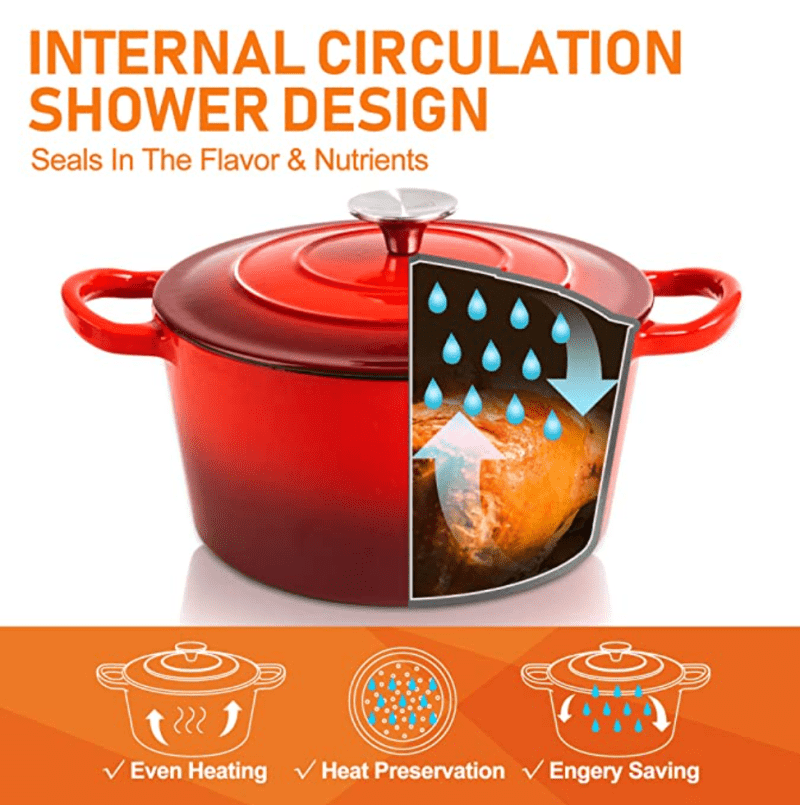
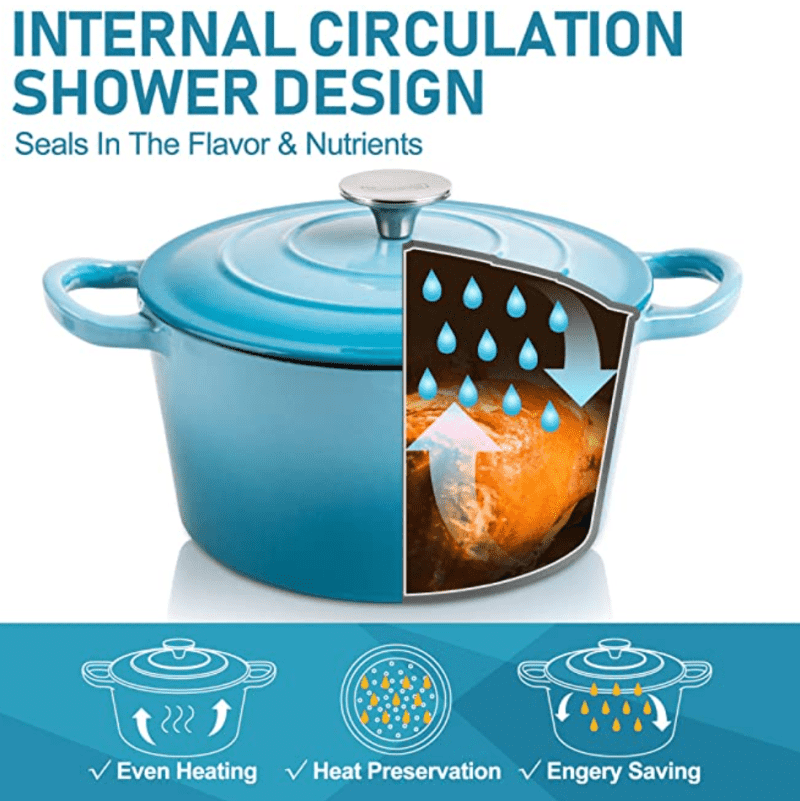
- Exceptional Heat Retention & Even Distribution: Cast iron's high thermal mass ensures consistent temperatures across the cooking surface, eliminating hot spots. This is crucial for searing, braising, and achieving uniform caramelization, regardless of whether you are cooking with cast iron on electric stove or using gas.
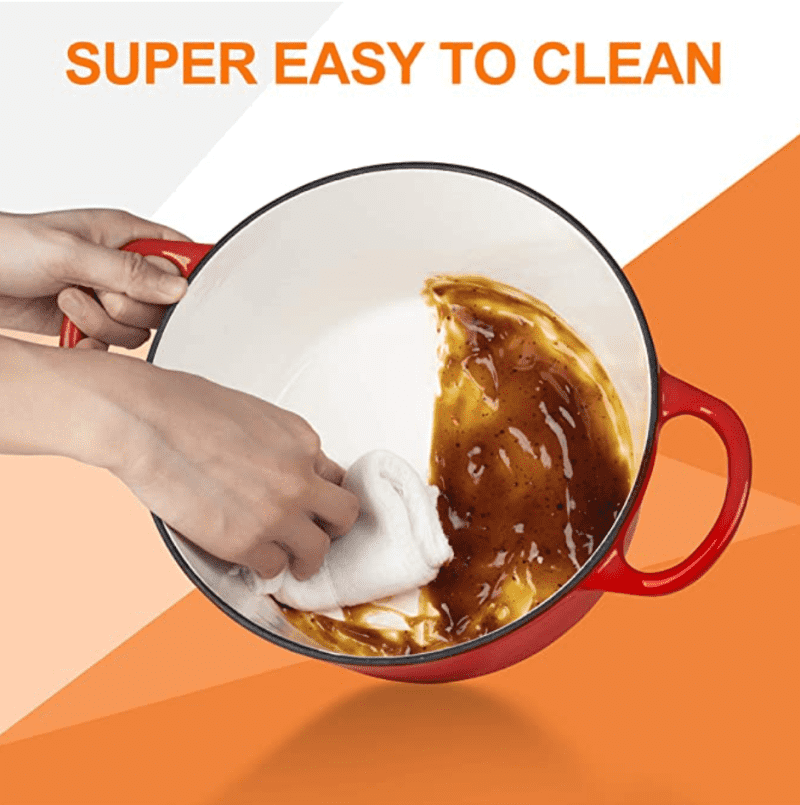
- Advanced Nonstick Properties (Enamel): The durable, vitreous enamel coating provides a naturally low-stick surface, significantly improving food release compared to raw cast iron and simplifying cleanup. Unlike traditional cast iron that requires specific seasoning and care (e.g., considerations for pre seasoned cast iron skillet first use), enameled cast iron offers a ready-to-use, non-reactive surface ideal for acidic foods without imparting metallic flavors.
- Corrosion Resistance & Longevity: The enamel layer forms an impermeable barrier, protecting the cast iron from rust and corrosion, even when exposed to moisture or acidic ingredients. This significantly extends the product's service life, reducing replacement costs in commercial settings.
- Versatile Heat Source Compatibility: The ferromagnetic properties of cast iron make it perfectly suited as a cast iron skillet for induction cooktop, offering efficient energy transfer. Its robust construction also makes it ideal for using cast iron skillet on glass top stove or as the best cast iron skillet for outdoor grill applications, providing unparalleled versatility.
- Reduced Weight & Improved Ergonomics: Through advanced casting techniques and material optimization, these skillets are engineered to be lighter than conventional cast iron, enhancing maneuverability and reducing strain on kitchen staff during high-volume operations.
- Aesthetic Appeal & Branding: The enamel finish allows for a wide array of vibrant colors, contributing to kitchen aesthetics and brand identity. This is particularly valuable in open-kitchen concepts or for presentation purposes.
Application Scenarios and Case Studies
The versatility of the light weight nonstick cast iron enameled skillet makes it indispensable across a spectrum of professional culinary applications.
- Fine Dining & Gastronomy: Chefs leverage the superior heat retention for perfect searing of meats and fish, achieving an exquisite crust while maintaining internal juiciness. The enamel's non-reactive surface is ideal for delicate sauces and reductions.
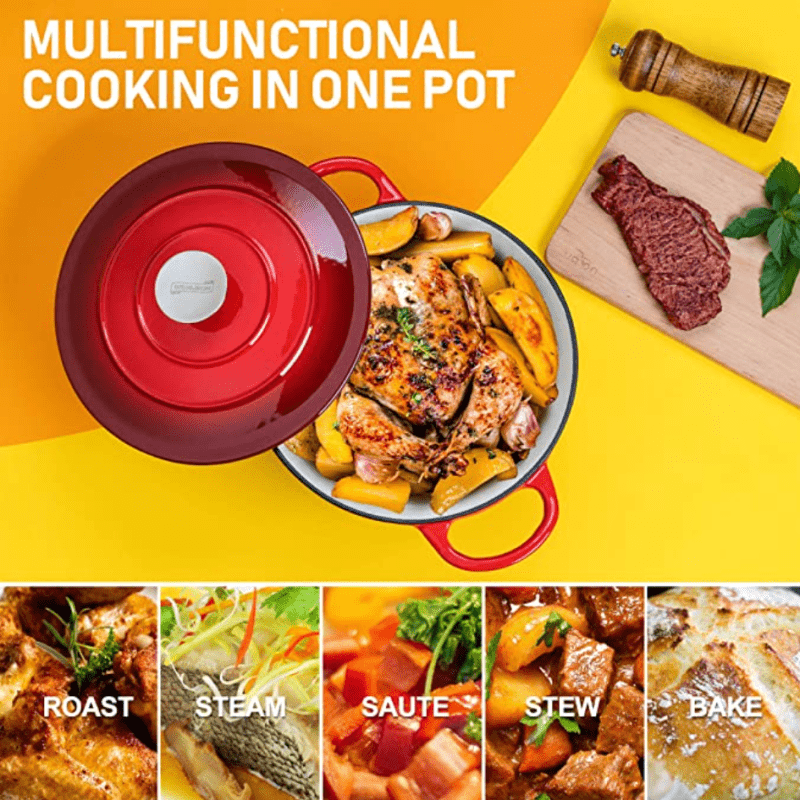
- Bistros & Casual Dining: High-volume establishments benefit from the skillet's durability and easy cleanup. It's perfectly suited for everything from breakfast items on an electric stove to sautéing vegetables and preparing oven-finished dishes like upside down pizza in cast iron skillet.
- Catering & Outdoor Events: Its robust construction makes it the best cast iron skillet for outdoor grill, withstanding high temperatures and rough handling, while the enamel ensures consistent cooking results away from conventional kitchens.
- Culinary Education: Professional culinary schools utilize these skillets for their teaching versatility and ease of maintenance, exposing students to premium cookware that adapts to various cooking techniques and heat sources, including cast iron griddle for induction cooktop principles.
- Hotels & Resorts: From room service to banquet halls, the ability to transition seamlessly between induction stovetops and ovens, combined with lightweight handling, makes these skillets a staple for efficiency and culinary excellence.
Case Study: Elite Hospitality Group Integration
A prominent international hotel chain sought to upgrade its kitchen equipment across 50 properties to enhance efficiency and reduce staff injury rates associated with heavy cookware. Following a comprehensive evaluation, they standardized on our light weight nonstick cast iron enameled skillet range. The deployment resulted in a reported 15% reduction in kitchen staff fatigue-related incidents and a 20% improvement in cooking cycle times due to faster heating on induction units and simplified cleanup. Executive chefs praised the consistent heat performance and the reliable nonstick properties, which significantly improved the quality and presentation of seared dishes. The compatibility with existing glass-top stoves and new induction installations also minimized infrastructure upgrade costs.
Vendor Comparison and Competitive Advantage
In a competitive market, selecting the right supplier for a light weight nonstick cast iron enameled skillet is crucial. Our commitment to innovation, quality, and comprehensive customer support sets us apart.
| Feature/Criterion | Our Offering | Typical Competitor A | Typical Competitor B |
|---|---|---|---|
| Weight Optimization | Advanced lightweight casting (25-30% lighter than traditional) | Standard weight (traditional density) | Moderate weight reduction (10-15% lighter) |
| Enamel Durability | Proprietary multi-layer, chip-resistant enamel (Mohs 6-7) | Standard 2-layer enamel (Mohs 5-6) | Single-layer or thinner enamel (Mohs 4-5) |
| Food Safety Certifications | FDA, LFGB, REACH, Prop 65 compliant | FDA or LFGB only | Basic certifications, not always global. |
| Customization Options | Extensive (color, size, branding, handle type) | Limited (color variation only) | Minimal (standard offerings) |
| Warranty & Support | Lifetime limited warranty, dedicated B2B support | Standard 1-5 year warranty, general support | Limited warranty, often consumer-grade support. |
| Years of Industry Experience | Decades of specialized foundry and cookware manufacturing expertise. ISO 9001 certified since 2005. | Relatively new or broad manufacturer. | Often reselling, less manufacturing direct experience. |
Our deep expertise in foundry operations, combined with continuous R&D in materials science and enamel technology, ensures that our light weight nonstick cast iron enameled skillet products consistently outperform competitors in durability, ease of use, and overall cost-effectiveness for professional applications. We partner with numerous global hotel chains, restaurant groups, and culinary suppliers, underscoring our authoritative position in the market.
Customized Solutions and OEM Capabilities
Understanding that B2B clients often have unique requirements, we offer extensive customization options for our light weight nonstick cast iron enameled skillet products. Our OEM capabilities allow for tailored solutions that align precisely with specific brand identities, operational needs, and regional market demands.
- Bespoke Dimensions & Design: Custom skillet sizes, depths, and specialized handle designs (e.g., ergonomic grips, specific handle materials like stainless steel or heat-resistant polymers) can be developed.
- Branding & Logo Integration: Private labeling, debossed or laser-etched logos on the cast iron, or custom branding on enamel surfaces and packaging.
- Color Matching: Custom enamel colors to match corporate branding or interior design schemes, with strict adherence to food-grade pigment safety standards.
- Material Optimization: Adjustments to iron composition for specific thermal properties or weight targets, ensuring the "lightweight" attribute meets precise thresholds.
- Packaging Solutions: Tailored packaging for bulk shipping, retail display, or gift sets, including sustainable packaging options.
Our dedicated engineering team collaborates closely with clients from concept to production, ensuring that all customized light weight nonstick cast iron enameled skillet solutions meet stringent quality standards and functional requirements.
Trustworthiness: FAQ, Lead Times, Warranty, and Support
Frequently Asked Questions (FAQ)
Q: Is a light weight nonstick cast iron enameled skillet truly nonstick like PTFE coatings?
A: Enameled cast iron provides excellent food release and is far easier to clean than raw cast iron. While it doesn't offer the extreme slipperiness of chemical PTFE coatings, it significantly reduces sticking and is highly effective for most cooking applications, including delicate foods. Its non-reactive surface also means no metallic taste transfer.
Q: Can I use this skillet on a glass top stove without scratching it?
A: Yes, our skillets feature a precisely machined, smooth base that minimizes the risk of scratching glass top stoves. Always lift the skillet rather than sliding it, and ensure the base is clean before placing it on the cooktop. This makes them ideal for using cast iron skillet on glass top stove scenarios.
Q: How do I care for my enameled cast iron skillet?
A: Unlike traditional cast iron, enameled cast iron does not require seasoning. Wash with warm, soapy water and a non-abrasive sponge. Avoid harsh scrubbers or metal utensils that could damage the enamel. Ensure it's completely dry before storing.
Q: Are the silicone handles oven-safe?
A: Typically, the silicone handles provided are oven-safe up to 200°C (400°F). For higher temperatures, especially when using the best cast iron skillet for outdoor grill or oven baking above 200°C, it's recommended to remove the silicone handles.

Lead Time & Fulfillment
Standard lead times for bulk orders of our light weight nonstick cast iron enameled skillet products range from 30-45 days, depending on order volume and customization requirements. For urgent or large-scale projects, we offer expedited production options. We maintain robust inventory management and logistics partnerships to ensure timely and efficient global fulfillment.

Warranty Commitments
We stand behind the quality and durability of our cookware. Our light weight nonstick cast iron enameled skillet products are backed by a comprehensive limited lifetime warranty against defects in material and workmanship. This commitment reflects our confidence in our manufacturing processes and the longevity of our products under normal commercial use. Specific terms and conditions are available upon request.
Customer Support and After-Sales Service
Our dedicated B2B customer support team is available to assist with product inquiries, order placement, technical guidance, and after-sales service. We offer personalized support to ensure seamless integration of our cookware into your operations and to address any concerns promptly. Contact us via our corporate website, dedicated phone line, or email for professional assistance.
References
- ASTM International. (2021). ASTM A48 / A48M, Standard Specification for Gray Iron Castings. ASTM Standards.
- International Organization for Standardization. (2015). ISO 9001:2015, Quality management systems – Requirements.
- National Sanitation Foundation. (2020). NSF/ANSI 2: Food Equipment. NSF International.
- European Food Safety Authority. (2019). Guidance on food contact materials. EFSA Journal.
- The Enamelist Society. (2022). The Science of Vitreous Enameling.
-
China PC Light Cast Iron Wok Traditional Heat with Modern Weight
NewsApr.16,2026
-
Professional Guide to China Cleaning Cast Iron Wok Maintenance
NewsApr.09,2026
-
Explore the Benefits of a China Cast Iron Grilling Wok for Your Kitchen
NewsApr.07,2026
-
China Victoria Cast Iron Wok A Comprehensive Guide to Quality Cookware
NewsApr.04,2026
-
Discover the Superior Quality of China Enameled Cast Iron Wok Cookware
NewsMar.31,2026
-
Discover the Benefits of a China Cast Iron Wok with Lid for Authentic Cooking
NewsMar.28,2026