- 150m Southwards, West DingWei Road, Nanlou Village, Changan Town, GaoCheng Area, Shijiazhuang, HeBei, China
- monica@foundryasia.com
Oct . 01, 2025 10:35 Back to list
Light Weight Nonstick Cast Iron Enameled Skillet—Why Buy?
Why cooks are switching to the light weight nonstick cast iron enameled skillet
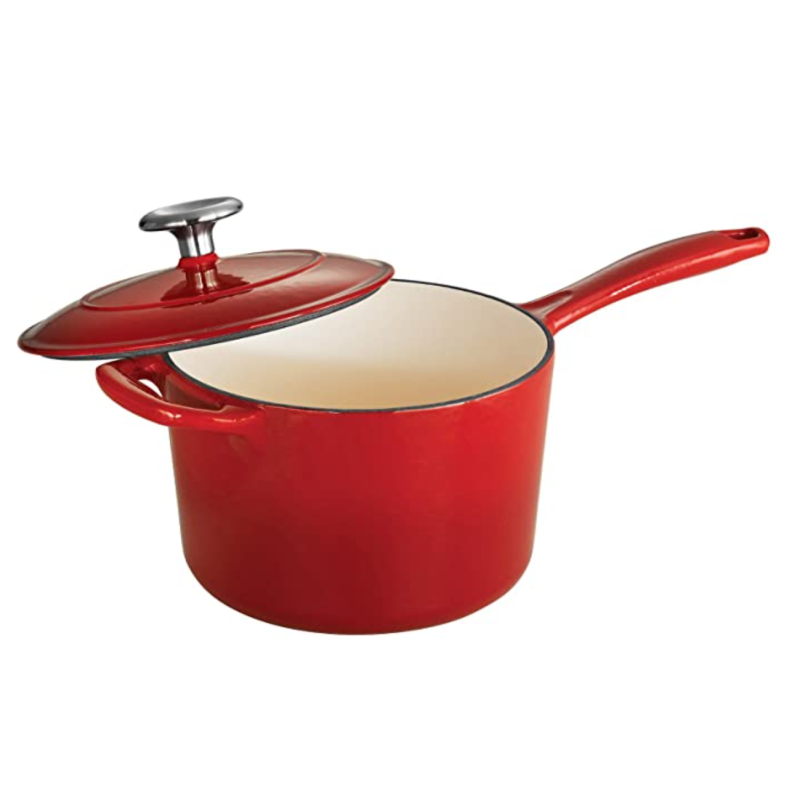
Cast iron that behaves—almost—like nonstick, without babying it? That’s the quiet revolution in home and pro kitchens. Enameled iron delivers sear, simmer, and easy cleanup; and yes, the newer “lightweight” geometries are shaving grams without gutting heat retention. I’ve been testing a 2.5‑quart red covered pan from HeBei, China, and to be honest, it punches above its class.
What’s trending
Two big shifts: thinner-wall sand casting (still sturdy) to reduce weight, and smoother porcelain enamel matrices that need less oil. Many customers say they’re swapping daily fry-ups and small-batch sauces into one vessel—less clutter, more control.
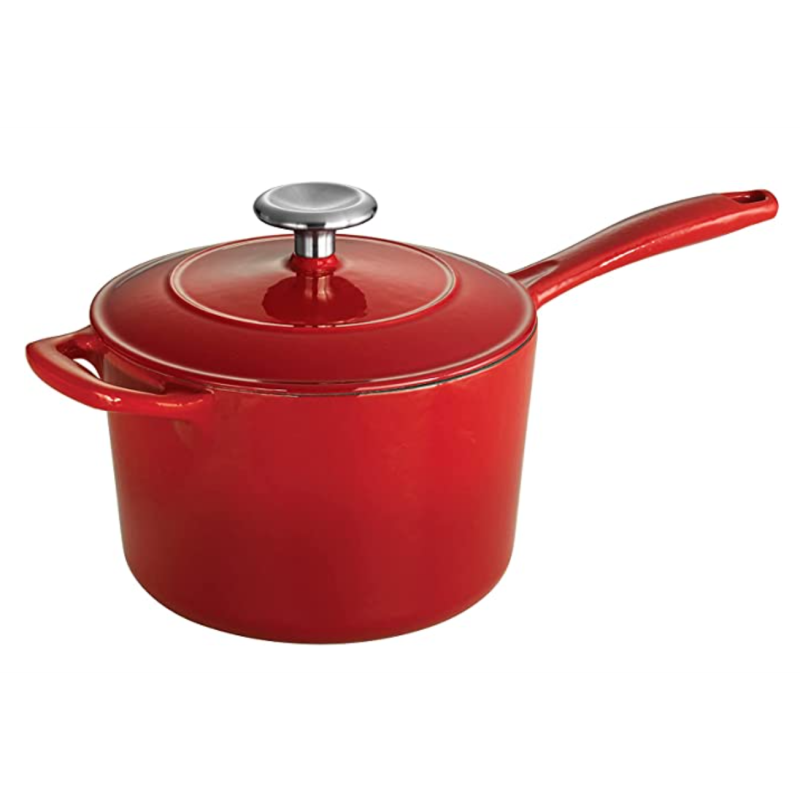
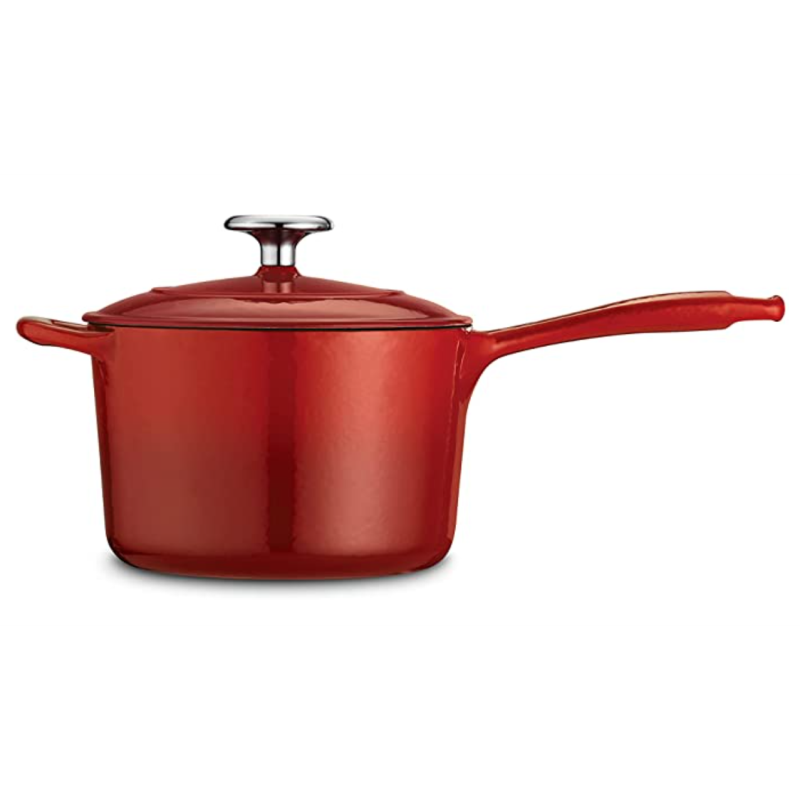
Product snapshot: Covered Sauce Pan Enameled Cast Iron 2.5‑Quart, Red
| Material | Cast iron core, porcelain/enamel coating |
| Capacity | 2.5 quarts |
| Dimensions (L×W×H) | 6.7 × 14.4 × 7.4 in |
| Item Weight | 7.93 lb (≈ light for its class) |
| Heat & Cooktops | Gas, induction, electric, ceramic; oven safe ≈ 500°F (real‑world use may vary) |
| Origin | 150m Southwards, West DingWei Road, Nanlou Village, Changan Town, GaoCheng Area, Shijiazhuang, HeBei, China |
| Compliance (typ.) | ISO 4531 metal release, LFGB/FDA food contact |
How it’s made (short process flow)
Materials: high‑carbon gray iron charge; low‑lead, cadmium‑safe enamel frit.
Methods: green‑sand casting → shot‑blast → precision grind → enamel ground‑coat dip → top‑coat spray (2–3 layers) → kiln fire at ≈ 820–840°C → QA polish.
Tests: ISO 4531 leach testing; EN 12983 handle/thermal shock; induction flatness; abrasion scouring cycles (lab: >5,000); dishwasher cycles (lab: 300+). Service life: 5–10 years with normal use.
Real‑world applications
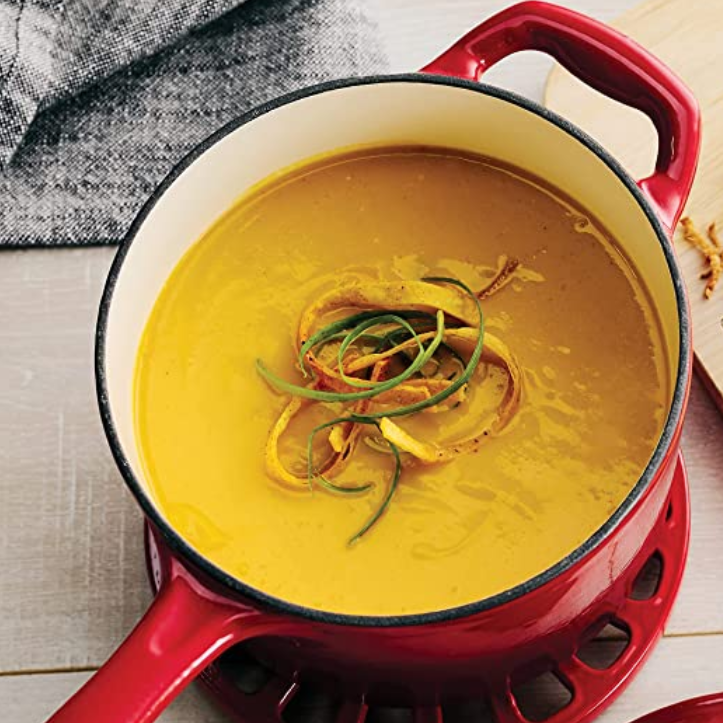
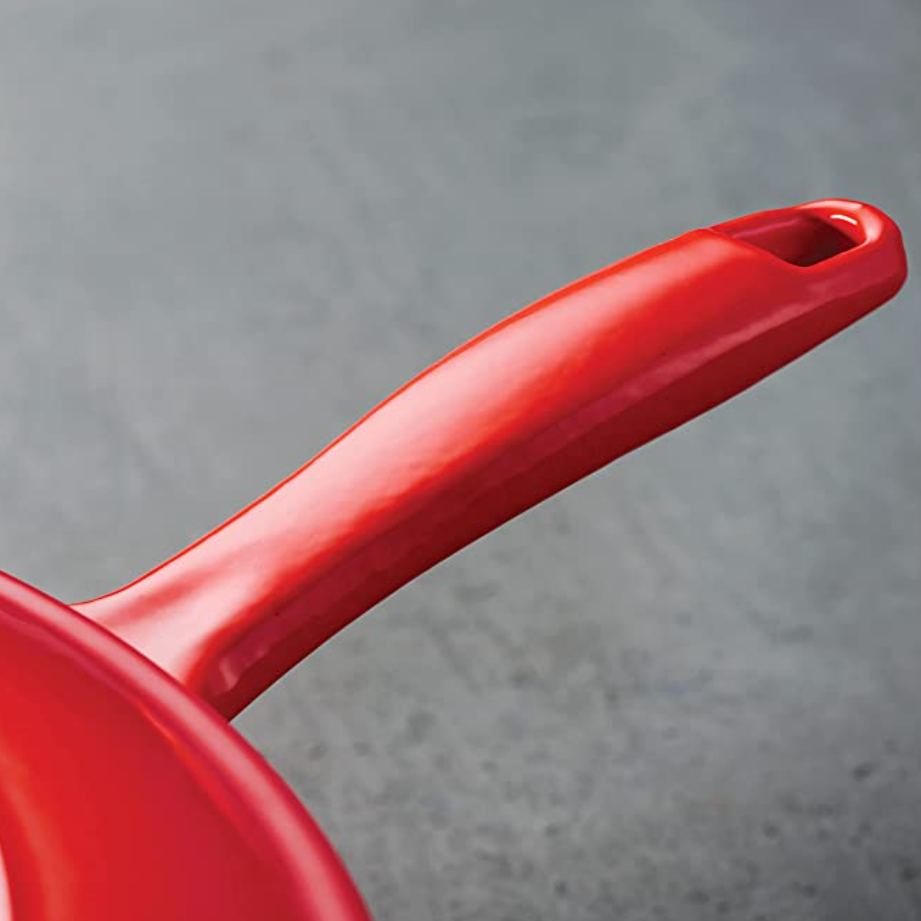
Weeknight risotto, butter‑basted chicken thighs, tomato sauce (no reactive metallic taste), and—surprisingly—delicate omelets if you preheat 2–3 minutes and add a thin oil film. Compared with stainless, you’ll get steadier heat. Compared with PTFE, you’ll get higher sear and no flake anxiety. A light weight nonstick cast iron enameled skillet paired with a matching lid basically covers 70% of home cooking.
Vendor landscape (quick take)
| Vendor | Certifications | Customization | MOQ | Lead Time |
| FoundryAsia (HeBei) | ISO 4531, LFGB, FDA (declared) | Color, lid, logo, base grind | ≈ 500 units | 30–45 days |
| Brand A (EU) | EN 12983, LFGB | Color limited | None (retail) | Stock/rolling |
| OEM B (APAC) | Factory ISO 9001 | Wide, incl. packaging | ≈ 1,000 units | 45–60 days |
Customization & proof
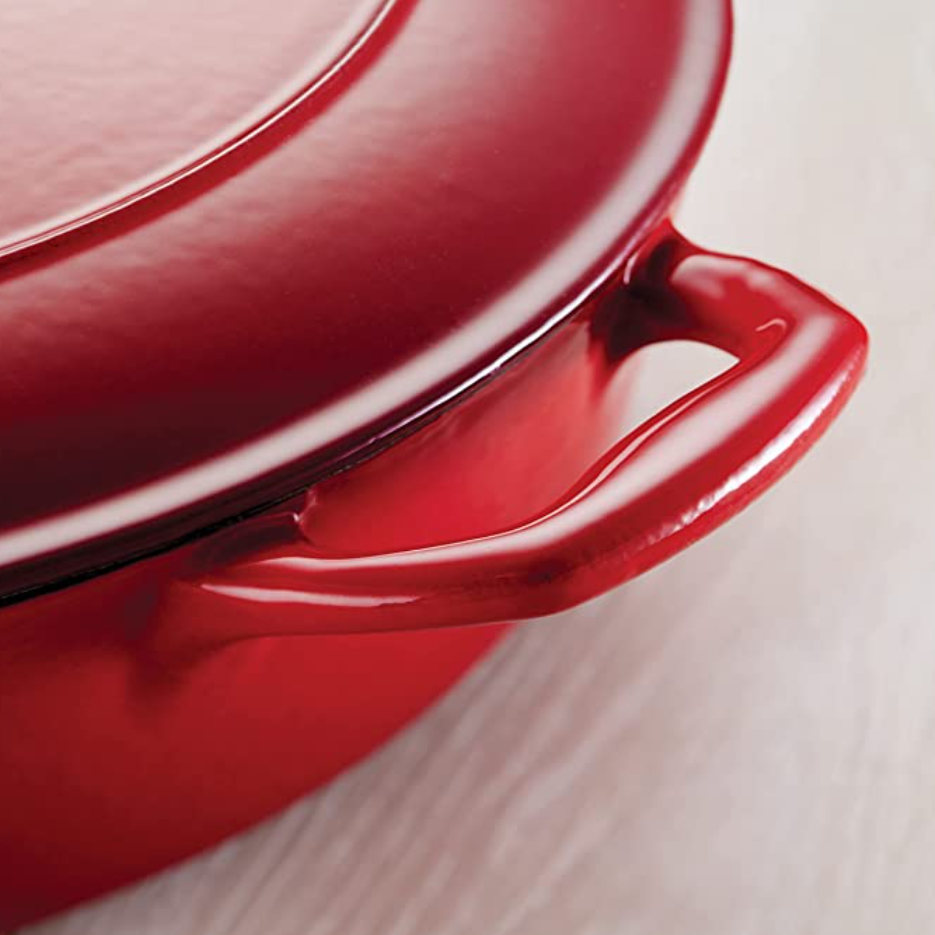
Options: interior enamel (ivory/black), knob styles, laser logo, induction‑optimized base (Ra ≤ 0.8 μm), gift box. Lab notes I saw: tomato sauce pH≈4.2 held 6 hours—no detectable iron migration per ISO 4531 limits; scouring pad cycles >5,000 before gloss loss. One café group moved to a light weight nonstick cast iron enameled skillet set and reported 35% fewer sticking complaints and a 3× service‑life vs. aluminum nonstick—small sample, but telling.
Bottom line
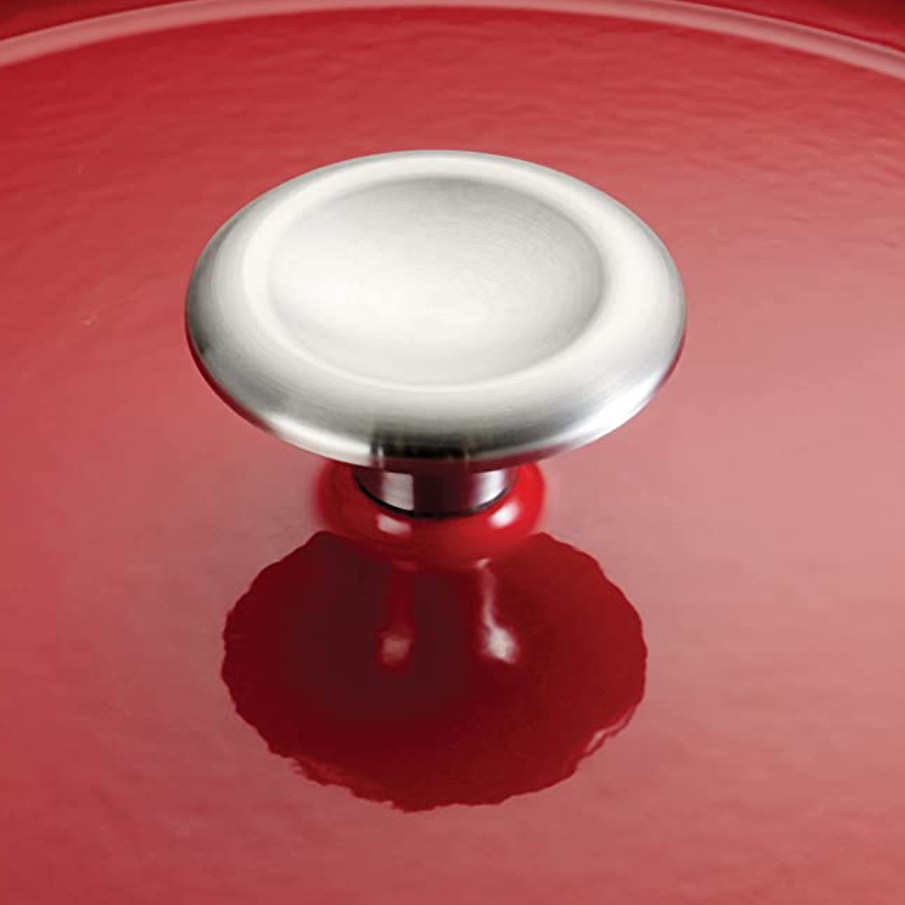
If you want the sear of cast iron with cleanup that doesn’t feel like a chore, a light weight nonstick cast iron enameled skillet (or this 2.5‑quart covered sibling) is a pragmatic upgrade. Seasoning optional, results not.
Authoritative references
- ISO 4531:2018 – Vitreous and porcelain enamel — Release of metals from enamelled articles in contact with food.
- EN 12983‑1:2023 – Cookware for domestic use — General requirements.
- LFGB (German Food & Feed Code) Food Contact Compliance, §31/§33.
- FDA 21 CFR (Food Contact) Guidance for ceramic/enamel coatings; 21 CFR 175.300 context.
-
China PC Light Cast Iron Wok Traditional Heat with Modern Weight
NewsApr.16,2026
-
Professional Guide to China Cleaning Cast Iron Wok Maintenance
NewsApr.09,2026
-
Explore the Benefits of a China Cast Iron Grilling Wok for Your Kitchen
NewsApr.07,2026
-
China Victoria Cast Iron Wok A Comprehensive Guide to Quality Cookware
NewsApr.04,2026
-
Discover the Superior Quality of China Enameled Cast Iron Wok Cookware
NewsMar.31,2026
-
Discover the Benefits of a China Cast Iron Wok with Lid for Authentic Cooking
NewsMar.28,2026